
When it comes to duck nutrition, one common question often arises: do ducks really eat grass? While it may seem like a simple answer, there’s more to it than you think. As a responsible duck owner or enthusiast, understanding their dietary needs is crucial for their health and well-being. But have you fallen prey to the myth that ducks thrive on eating vast amounts of grass? With so many misconceptions surrounding duck nutrition, it can be challenging to separate fact from fiction. In this comprehensive guide, we’ll delve into the truth about ducks eating grass, covering their dietary requirements, safe food options, and debunking common myths. Get ready to learn everything you need to know about what your feathered friends should and shouldn’t eat.
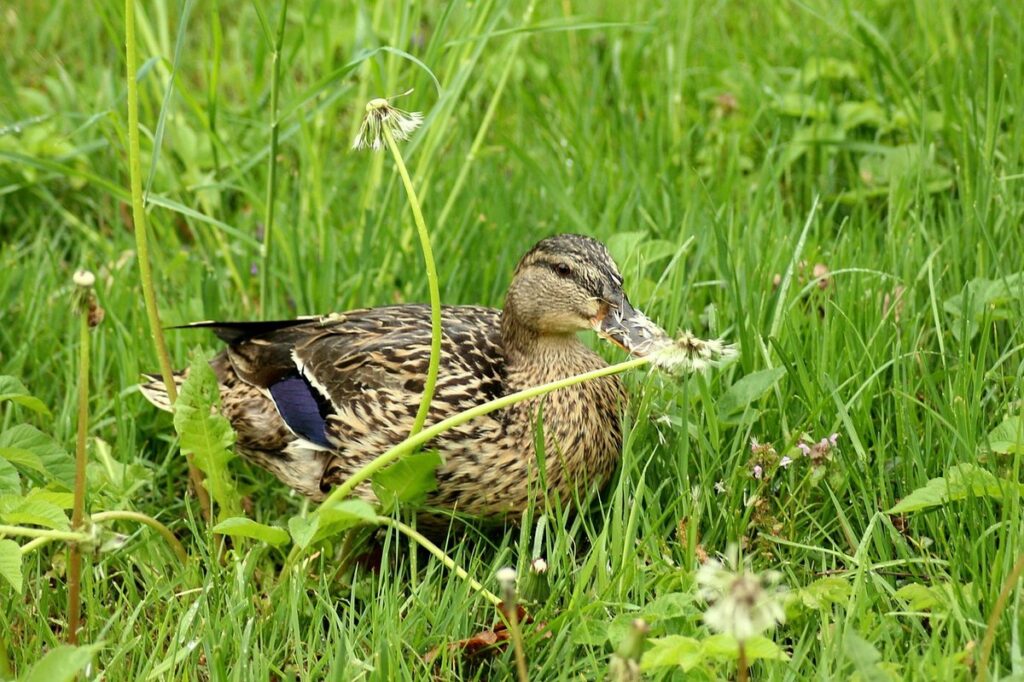
Understanding Duck Nutrition and Diet
To ensure your feathered friends are getting the nutrients they need, it’s essential to understand what makes a well-rounded duck diet. Let’s dive into the specifics of duck nutrition and what role grass plays in their menu.
Basic Dietary Needs of Ducks
When it comes to maintaining the health and well-being of your feathered friends, understanding their basic dietary needs is crucial. Ducks require a balanced diet that includes essential nutrients such as protein, carbohydrates, fats, vitamins, and minerals.
Protein is an essential component of a duck’s diet, comprising about 16-18% of their daily caloric intake. Good sources of protein include insects, mealworms, and commercial duck pellets. Carbohydrates, on the other hand, should make up around 20-25% of their diet and can be provided through grains like oats, wheat, and barley.
In addition to these macronutrients, ducks also require a range of vitamins and minerals to stay healthy. These include vitamin A for maintaining vision and immune function, calcium for strong bones, and phosphorus for optimal kidney function. A balanced commercial duck feed should provide all the necessary nutrients your duck requires.
Common Foods Eaten by Ducks in the Wild
In their natural habitats, ducks forage for a variety of foods that are readily available to them. One thing they tend to avoid is grass, but rather focus on aquatic plants, algae, and other vegetation found near water sources. These plants provide essential nutrients like vitamins, minerals, and fiber.
Some common aquatic plants eaten by ducks include duckweed, water lilies, and cattails. They also feed on insects like mosquitoes, snails, and leeches that inhabit these areas. Small crustaceans like crayfish and shrimp are another important food source for wild ducks.
In addition to these sources, ducks will also eat small invertebrates like worms and tadpoles. In fact, research has shown that aquatic plants make up a significant portion of a duck’s diet, typically accounting for around 70-80% of their intake. By understanding what natural foods are available to them, you can better replicate their diet at home with duck-friendly options like leafy greens and aquatic plants.
Importance of Grass in a Duck’s Diet
When it comes to providing a balanced diet for ducks, many people overlook one of the most nutritious and accessible additions: grass. Not only is grass a natural source of fiber, but it’s also rich in vitamins A and E, as well as minerals like potassium and iron.
Incorporating grass into your duck’s diet can have numerous benefits. For one, it helps to support healthy digestion by providing essential fiber that promotes regular bowel movements and prevents constipation. Additionally, the vitamins and minerals present in grass can help boost your duck’s immune system, keeping them protected against diseases and infections.
If you’re considering introducing grass into your backyard flock, start by offering fresh, clean grass clippings or letting your ducks forage for wild grasses. Be sure to provide a safe and secure area for them to graze, free from any potential hazards. With regular access to grass, you can help ensure that your ducks receive all the nutrients they need to thrive.
Types of Grass Ducks Can Eat
So, you’re wondering what types of grass are safe for your feathered friends to munch on? Let’s dive into some common types of grass that ducks can eat.
Identifying Safe and Toxic Grases for Ducks
When it comes to feeding grass to ducks, not all types are created equal. While some grasses are perfectly safe for our feathered friends, others can be toxic or cause harm.
Common lawn grasses like Kentucky bluegrass and perennial ryegrass are generally considered safe for ducks to eat. In fact, these grasses contain a high amount of nutrients that are beneficial for duck health. However, it’s essential to ensure the lawn is free from pesticides and fertilizers, which can be toxic to ducks.
On the other hand, some wild grasses like ryegrass and fescue can cause digestive issues in ducks if consumed in large quantities. Additionally, ornamental plants like daffodils and tulips contain toxic compounds that can harm or even kill ducks if ingested.
If you’re planning to feed your ducks grass, make sure to introduce new types gradually to prevent digestive upset. Also, always choose fresh, clean grass free from debris and contaminants. By being mindful of the type of grass you offer, you can help keep your ducks healthy and happy.
Nutritional Value of Different Grass Types
When it comes to choosing the right grass for our feathered friends, understanding their nutritional profiles is crucial. Different types of grass offer varying levels of protein, fiber, and minerals that cater to a duck’s dietary needs.
For instance, ryegrass contains around 10-15% protein content, making it an excellent choice for ducks requiring high-protein diets. In contrast, orchard grass has a lower protein concentration but is rich in fiber, which can help maintain digestive health.
Other notable grass types include brome grass and timothy grass. Brome grass boasts a high calcium content, essential for healthy eggshell production, while timothy grass offers moderate levels of phosphorus and potassium. However, it’s worth noting that white clover contains high amounts of oxalic acid, which may not be suitable for ducks in large quantities.
If you’re planning to introduce new grass types into your duck’s diet, consider the following:
* Rotate different grass species regularly to ensure a balanced intake of essential nutrients.
* Introduce small portions of new grasses gradually to prevent digestive upset.
* Always provide clean water and a well-balanced commercial feed as a main staple, supplementing with grasses as an occasional treat.
Remember, every duck is unique, so it’s vital to monitor their individual responses to different grass types. By understanding the nutritional profiles of various grass species, you can make informed decisions about what works best for your feathered friends.
Feeding Ducks in Backyards and Ponds
If you’re considering letting ducks visit your yard, it’s essential to know how to provide them with a nutritious diet that doesn’t include grass as their primary food source. We’ll explore feeding options for ducks in backyards and ponds here.
Benefits and Risks of Feeding Ducks in Backyards
Feeding ducks in backyards can be a delightful experience for both you and the birds. However, it’s essential to consider the potential risks and benefits of doing so. On one hand, feeding ducks can encourage them to visit your yard regularly, providing entertainment for families and individuals alike.
On the other hand, over-reliance on human-provided food can lead to health issues in ducks. A diet consisting mainly of bread or other processed foods can cause malnutrition, obesity, and digestive problems. For instance, a study found that feeding bread to ducks resulted in an increased risk of death from intestinal blockages.
Feeding ducks also impacts local ecosystems. Excessive reliance on human food can disrupt the natural balance of your pond’s ecosystem. This may lead to an overabundance of duck population, which in turn can strain resources and cause problems for other wildlife. To minimize risks, consider offering nutrient-rich foods like lettuce or kale instead of bread. This will not only provide a healthier option but also encourage ducks to visit your yard without disrupting the local environment.
Safe Feeding Practices for Backyard Ducks
When it comes to feeding ducks in your backyard or pond, safety should be your top priority. While it’s natural to want to supplement their diet with grass and other nutritious foods, there are some guidelines you should follow to avoid potential health risks.
Firstly, never feed wild ducks bread or high-sugar treats like donuts or pastries. These can lead to digestive issues, obesity, and even death. Instead, opt for healthy alternatives such as oats, wheat, and barley grains, which can be obtained from your local pet store or online. You can also give them fresh fruits and vegetables like lettuce, spinach, and carrots.
To ensure safe feeding practices, it’s essential to follow some basic rules: feed ducks in moderation (about 1-2 tablespoons per duck per day), avoid overfeeding during peak breeding seasons, and never leave food or water unattended. This will not only keep your feathered friends healthy but also prevent the spread of diseases like avian cholera and botulism.
By following these guidelines, you can create a safe and welcoming environment for your backyard ducks while promoting their overall well-being.
Common Myths About Ducks Eating Grass
You’ve probably heard some surprising claims about ducks and their grass-eating habits, but what’s fact and what’s fiction? Let’s debunk some common misconceptions right now.
Debunking Misconceptions about Duck Nutrition
It’s a common misconception that ducks don’t eat grass at all. While it’s true that ducks have a specialized digestive system that allows them to break down plant material easily, this doesn’t mean they never eat grass. In fact, many duck breeds are natural grazers and will often seek out grasses as a food source.
Another myth is that certain types of grass are toxic to ducks. This may be true for some exotic or invasive species, but most common lawn grasses are perfectly safe for ducks to eat in moderation. However, it’s essential to note that overgrazing can still lead to nutritional imbalances and digestive issues.
When introducing grass into your duck’s diet, start with small amounts (about 10-20% of their daily intake) and gradually increase as needed. Be sure to also provide a balanced commercial feed to ensure they’re getting all the necessary nutrients. Some safe options for grazing include Kentucky bluegrass, perennial ryegrass, and tall fescue.
Separating Fact from Fiction in Duck Diet
When it comes to what ducks eat, there’s often more myth than fact. One area that’s particularly prone to misinformation is their dietary needs and the role of grass in their diet. Some people claim that ducks are natural grazers and require a significant amount of grass to stay healthy. But is this really true?
The scientific consensus is clear: while ducks do eat grass, it’s not as crucial to their diet as some might claim. In fact, most commercial duck farms provide a formulated feed specifically designed to meet the nutritional needs of these birds. According to a study by the American Society for the Prevention of Cruelty to Animals (ASPCA), ducks require a balanced diet that includes protein, carbohydrates, and essential vitamins and minerals.
In reality, grass is just one component of a duck’s diet. In fact, in the wild, ducks tend to focus on aquatic plants, insects, and small crustaceans as their primary sources of nutrition. So while an occasional nibble of grass won’t harm your duck, it shouldn’t be relied upon as a mainstay of their diet.
Conclusion: Nourishing Your Backyard Ducks with Grass
Now that we’ve explored whether ducks eat grass, let’s talk about how to safely provide it as a nutritious supplement for your backyard flock.
Integrating Grass into a Balanced Duck Diet
When it comes to maintaining a healthy and balanced diet for our backyard ducks, incorporating grass into their meals is an excellent way to ensure they receive essential nutrients. As we’ve discussed throughout this comprehensive guide, ducks are natural grazers and can benefit greatly from eating various types of grass.
So, how do you integrate grass into your duck’s diet? Start by introducing small amounts of fresh grass to their feed, gradually increasing the portion as they become accustomed to it. You can begin with a mix of leafy greens like lettuce, spinach, or kale, and then transition to more mature grasses. Make sure to provide clean water at all times for your ducks to access.
A well-planned grazing strategy is key to a balanced diet for our feathered friends. To create a comprehensive grazing plan:
* Provide a mix of different types of grasses, including short-grass pastures and tall-grass meadows.
* Rotate grazing areas regularly to ensure optimal nutrient intake and prevent overgrazing.
* Monitor your duck’s health and adjust the grazing plan accordingly.
Some excellent options for introducing grass into your duck’s diet include brome grass, orchard grass, or Timothy hay. These grasses are rich in nutrients and can help provide essential fiber, vitamins, and minerals.
To put this into practice, consider allocating a designated area of your yard specifically for your ducks to graze. This will not only save you money on commercial duck feed but also create an entertaining experience for both you and your feathered friends.
Frequently Asked Questions (FAQs)
We get a lot of questions about what ducks eat, so let’s address some common queries to clarify whether ducks do indeed snack on grass. Here are the answers you’ve been quacking about!
Common Queries about Ducks Eating Grass Answered
Many of you might still have some doubts about ducks eating grass, and that’s completely understandable. Let’s dive into some common queries related to duck nutrition and grass consumption.
One of the most frequently asked questions is whether it’s safe for ducks to eat grass at all. The answer is yes – in moderation. While grass can be a nutritious addition to their diet, consuming too much of it can lead to digestive issues like impaction or even death.
Some people wonder if ducks will automatically start eating grass when they’re outside in the yard. Unfortunately, not all ducks are eager to forage for grass. In fact, many domesticated ducks are bred for egg-laying or swimming and have a reduced instinct to graze on plants.
But what about wild ducks? Won’t they naturally eat grass like their ancestors did? Yes, but it’s essential to consider the context of their habitat and food availability. Wild ducks tend to feed on aquatic plants, seeds, and insects more than grasses. However, if grass is readily available in a specific area, they might incorporate it into their diet.
Can I use grass as a treat for my pet duck? While an occasional snack won’t harm your feathered friend, make sure the grass is free from pesticides or other chemicals. Also, avoid overdoing it – too much grass can upset their digestive system.
To ensure you’re providing your ducks with a balanced and nutritious diet, include a mix of fruits, vegetables, grains, and protein sources like mealworms. Offer them access to clean water at all times, and consider supplementing their meals with duck pellets or crumbles specifically formulated for their nutritional needs.
Frequently Asked Questions
What should I prioritize when introducing grass to my backyard ducks’ diet?
When integrating grass into your ducks’ menu, remember to balance their nutrient intake with other safe food sources. A mix of grass, vegetables, fruits, and commercial duck feed will ensure they receive a well-rounded diet.
How do I know which types of grass are safe for my ducks to eat?
Not all grasses are created equal when it comes to duck nutrition. Focus on non-toxic varieties like brome grass, fescue, and Kentucky bluegrass. Avoid plants with seeds or roots that can be toxic, such as nightshade, hemlock, and black locust.
Can I rely solely on wild grass for my ducks’ nutritional needs?
While some wild grasses are safe for ducks to eat, relying solely on them may lead to nutrient deficiencies. Wild grass can provide essential fiber but often lacks the balanced mix of nutrients your ducks require. Supplement with commercial feed or other nutritious food sources.
How much grass should I expect my ducks to consume daily?
The amount of grass consumed by backyard ducks varies depending on age, size, and individual appetite. A general rule of thumb is to provide about 10-15% of their total diet in terms of grass consumption. Monitor your flock’s grazing habits and adjust accordingly.
Can I feed my ducks human-grade vegetables alongside grass?
Yes! Many human-grade vegetables can be a nutritious addition to your ducks’ diet, including leafy greens like kale, spinach, and collard greens. However, be sure to introduce new foods gradually and in moderation to avoid digestive upset.