
Are you thinking of sharing your garden peas with your feathered friends, but wondering if it’s safe to do so? Feeding your ducks can be a great way to bond and provide them with essential nutrients. However, not all foods are created equal when it comes to duck nutrition. Peas, in particular, have become a popular choice for many duck owners due to their high nutritional value. But what about canned peas – can they be safely fed to your ducks? In this article, we’ll explore the benefits and risks of feeding peas to your ducks, including their digestive safety and potential health risks. We’ll also provide tips on how to prepare and incorporate peas into a balanced duck diet.
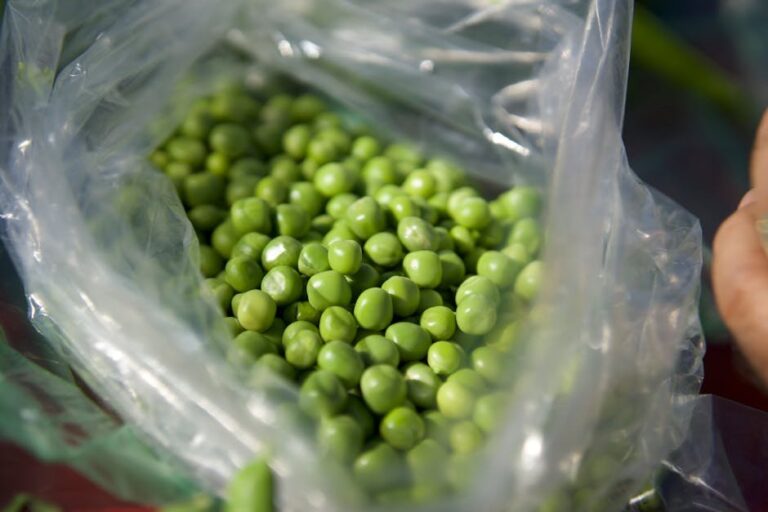
Introduction to Feeding Ducks
When it comes to feeding ducks, there are a few essential things you need to know before giving them your favorite treats, including what’s safe for them to eat. Let’s start at the beginning!
Understanding Duck Nutrition Basics
When it comes to feeding ducks, understanding their nutritional needs is crucial for keeping them healthy and happy. In general, ducks require a balanced diet that includes three main components: protein, carbohydrates, and fiber.
Ducks need around 20-25% of their daily calories to come from protein sources such as grains like oats, barley, or wheat, as well as animal-based proteins like mealworms or fish meal. They also require complex carbohydrates for energy, which can be found in foods like corn, fruits, and vegetables.
Fiber is another essential component of a duck’s diet, making up around 10-15% of their daily calories. This helps maintain healthy digestion and prevents issues like constipation or impacted crops. A good example of a balanced duck feed would include a mix of oats, barley, wheat, and corn, supplemented with fruits and vegetables.
Keep in mind that peas are not a significant source of protein or fiber for ducks, but they can be a tasty treat in moderation. When feeding ducks peas, make sure to offer them in small amounts as part of a balanced meal.
Identifying Safe Food Sources for Ducks
When it comes to feeding your feathered friends, providing them with a balanced and varied diet is crucial for their overall health. A key aspect of this is identifying safe food sources that meet their nutritional needs. Let’s start by covering the basics.
Ducks can thrive on a diet rich in vegetables, fruits, and grains. For instance, leafy greens like kale, spinach, and collard greens are excellent choices as they’re packed with vitamins and minerals. Fruits such as berries, apples, and bananas are also nutritious options. As for grains, whole wheat bread or oats can be given in moderation.
However, it’s essential to avoid giving ducks foods that can cause harm. For example, avocado and onions belong to the Allium family and contain a toxic compound called N-propyl disulfide, which is toxic to birds. Similarly, raw or unripe beans, peas (yes, peas!), and potato peels should be avoided due to their potential toxicity.
When selecting food for your ducks, make sure they’re fresh and free from pesticides. A general rule of thumb is to stick with seasonal produce that’s locally sourced whenever possible. Also, keep in mind the duck’s age and specific needs – baby ducks, for instance, require a more limited diet than adult ducks.
The Benefits of Peas for Duck Health
When it comes to incorporating peas into your duck’s diet, understanding their health benefits is crucial. Let’s explore how peas can positively impact your duck’s overall well-being.
Nutritional Value of Peas for Ducks
When it comes to providing a balanced diet for your feathered friends, incorporating peas into their meal plan is an excellent decision. Not only are they a tasty treat, but peas also pack a punch when it comes to nutritional value.
One of the standout benefits of peas for ducks is their high protein content. With approximately 8-10 grams of protein per cup, peas make an excellent addition to a duck’s diet. Protein is essential for maintaining strong feathers, muscles, and overall health in ducks. Moreover, peas are relatively low in calories, making them an ideal snack for weight-conscious duck owners.
In addition to their impressive protein content, peas are also rich in dietary fiber, which helps promote healthy digestion in ducks. A single cup of cooked peas contains approximately 9 grams of fiber, supporting the duck’s gut health and preventing any potential digestive issues.
Furthermore, peas are a good source of essential vitamins and minerals such as vitamin K, potassium, and iron. These nutrients support various bodily functions, including blood clotting, maintaining healthy bones, and transporting oxygen throughout the body. To reap these benefits, ensure you’re providing fresh or frozen peas in moderation, ideally as an occasional treat or supplement to their regular diet.
Can Ducks Digest Peas?
Ducks have a unique gut anatomy that allows them to digest a variety of plant-based foods, including peas. Unlike humans and some other animals, ducks have a specialized digestive system designed for consuming algae, grasses, and aquatic plants. Their gut contains microbes that break down complex carbohydrates, such as those found in peas.
Research has shown that the duck’s gut is capable of fermenting cellulose, a key component of plant cell walls, which allows them to extract nutrients from plant-based foods like peas. In fact, studies have demonstrated that ducks can efficiently digest and utilize pea protein, making it an excellent supplement for their diet.
The ability of ducks to digest peas also depends on the type of pea. For example, green peas are easier to digest than split peas due to their higher water content. When feeding your duck peas, make sure to provide a balanced and varied diet that includes other nutrient-rich foods. Start by offering small amounts of peas (about 1-2 tablespoons per day) to monitor your duck’s tolerance and adjust the quantity accordingly.
Preparing Peas for Duck Consumption
Before serving peas to your ducks, it’s essential to prepare them safely and effectively, which involves cleaning and shelling the peas, as well as chopping them into manageable pieces.
Cooking Methods for Feeding Peas to Ducks
When cooking peas for your ducks, it’s essential to use methods that break down the cell walls and make the nutrients easily accessible. One of the simplest ways is by boiling them. Fill a pot with enough water to cover the peas, bring it to a boil, then reduce the heat and simmer for 5-7 minutes or until tender.
Steaming is another great option as it preserves more nutrients than boiling. You can use a steamer basket over boiling water or an electric steamer. Steam the peas for 3-5 minutes or until they’re slightly softened.
Roasting is also effective, but be cautious not to overcook them. Toss frozen or fresh peas with a bit of oil and your choice of seasonings, then roast in the oven at 400°F (200°C) for about 10-12 minutes or until tender.
Regardless of the method used, ensure you don’t undercook the peas either. Overcooked peas can cause digestive issues, while undercooked ones might not be easily digestible by your ducks. A good way to check is by gently squeezing them; they should yield to pressure but still retain some firmness.
Serving Peas as a Supplement or Treat
When it comes to incorporating peas into your duck’s diet as a supplement or treat, there are some key things to keep in mind. Firstly, cooked peas can be a nutritious addition to a duck’s meal plan, providing a boost of protein and fiber.
To serve peas as a supplement, consider adding 1-2 tablespoons of cooked peas to their regular feed once or twice a week. This amount should be sufficient for a small flock, but adjust according to your ducks’ individual needs. You can mix the cooked peas with their regular food or offer them as a treat on their own.
When using peas as a treat, it’s essential to limit the frequency and quantity to avoid overfeeding. A good rule of thumb is to restrict treats to 10% of their daily calorie intake. So, if your duck needs around 1000 calories per day, they can have up to 100 calories from pea treats.
To make cooked peas more appealing to your ducks, try adding a pinch of salt or mixing them with other nutritious ingredients like sunflower seeds or chopped veggies.
Potential Risks and Considerations When Feeding Ducks Peas
While peas are a nutritious snack for ducks, there are some potential risks to consider before making them a regular part of their diet. Let’s examine these possible drawbacks together.
Overfeeding Risks and Consequences
When it comes to feeding ducks peas, overfeeding can lead to some serious health issues. One of the most significant risks is obesity. Ducks that consume excessive amounts of peas may develop weight-related problems, including difficulty walking and breathing. In extreme cases, this can lead to heart disease and even reduce their lifespan.
Overfeeding peas can also cause other health issues in ducks. For instance, a diet rich in peas but lacking essential nutrients can lead to malnutrition. This is especially concerning if peas become the primary source of food for your duck. A balanced diet should consist of various foods that provide a mix of vitamins, minerals, and proteins.
To avoid these risks, it’s essential to balance pea consumption within a duck’s overall diet. A general rule of thumb is to limit pea intake to 10-15% of their daily caloric needs. You can do this by offering peas as an occasional treat or mixing them with other nutritious foods like fruits and grains.
Allergic Reactions or Intolerances
While peas are generally considered safe for ducks to eat, there’s always a possibility that some individuals may develop an allergic reaction or intolerance. If you’re concerned about your feathered friend’s pea-eating habits, it’s essential to be aware of the common signs and symptoms.
Typical signs of an allergy or intolerance in ducks include sudden changes in appetite, lethargy, diarrhea, vomiting, or even difficulty breathing. In some cases, ducks may also exhibit excessive scratching or rubbing on surfaces due to skin irritation. If you notice any of these behaviors after introducing peas into your duck’s diet, it’s crucial to act quickly.
Monitor your duck’s behavior closely and adjust their pea intake accordingly. If the symptoms persist or worsen, consider consulting a veterinarian for guidance. Remember that prevention is key – start by offering small amounts of peas to gauge your duck’s tolerance and gradually increase serving sizes if no adverse reactions occur. Always prioritize your pet’s health and take necessary precautions when introducing new foods into their diet.
Conclusion: Making Peas Work for Your Ducks
Now that we’ve explored the dos and don’ts of feeding peas to your ducks, let’s dive into how you can make them a nutritious part of their diet.
Creating a Balanced Diet with Peas
When introducing peas into your duck’s diet, it’s essential to maintain a balanced nutrient intake. A varied diet is crucial for optimal health, and relying solely on peas can lead to nutritional deficiencies. Think of it like human nutrition – we don’t just eat pizza or pasta every day because our bodies require a broad spectrum of nutrients.
For ducks, this means incorporating other vegetables, fruits, grains, and protein sources into their diet. A general rule of thumb is to offer 50-70% of their daily calories from grains (such as oats or barley), followed by 20-30% from vegetables (including peas) and the remaining 10-20% from protein sources like mealworms or commercial duck pellets.
To ensure your ducks are getting a balanced diet with peas, consider the following:
* Mix cooked peas with other vegetables, such as kale or carrots
* Offer a variety of fruits, including berries or apples
* Include grains like oats or barley in their daily ration
* Supplement with protein sources like mealworms or duck pellets
* Regularly monitor your ducks’ health and adjust their diet accordingly
Tips for Success: Avoiding Common Mistakes
As you’ve learned that ducks can indeed eat peas, it’s essential to understand the proper way to incorporate them into their diet. To avoid common mistakes when feeding your feathered friends with peas, be mindful of overfeeding and underfeeding.
Overfeeding can lead to digestive issues in ducks, while underfeeding may not provide them with the necessary nutrients they need for optimal health. A good rule of thumb is to offer peas as a treat, about 1-2 tablespoons per duck per day, depending on their age, size, and activity level. You can also mix peas with other nutritious foods like lettuce or spinach to create a well-rounded meal.
Another crucial aspect to consider is the quality of peas you’re providing. Opt for fresh, organic peas free from pesticides and added chemicals. It’s also vital to store peas properly to maintain their nutritional value and prevent spoilage.
To ensure you’re doing everything right, consult with a veterinarian or an experienced duck breeder for personalized advice on feeding your ducks peas. Additionally, keep an eye out for signs of digestive issues in your ducks, such as diarrhea, lethargy, or loss of appetite, and adjust their pea intake accordingly.
Frequently Asked Questions (FAQs) About Feeding Ducks Peas
If you’re still unsure about what to feed your feathered friends, we’ve got answers to some common questions about giving ducks peas as a snack. Let’s dive into the FAQs!
Answering Reader Queries on Duck Nutrition
Feeding ducks peas can be a delightful experience for both you and the birds. However, it’s essential to address some of the most frequently asked questions regarding duck nutrition to ensure that these lovely creatures stay healthy and happy.
When should I feed my ducks peas? You don’t need to worry about feeding your ducks peas every day; moderation is key. It’s recommended to provide peas as an occasional treat or supplement, rather than making them a staple in their diet. A good rule of thumb is to limit pea consumption to 1-2 times a week.
How many peas should I feed my ducks? The optimal portion size for peas depends on the age and size of your duck. A general guideline is to offer about 1-2 tablespoons of peas per bird, per feeding session. For instance, if you have a group of 5 ducks, you can start with 5-10 tablespoons of peas.
What are some potential health risks associated with pea consumption? While peas are generally safe for ducks to eat, overconsumption can lead to an imbalance in their nutrient intake. Ducks require a balanced diet that includes a mix of proteins, vitamins, and minerals. Excessive pea consumption may cause digestive issues or weaken their immune system.
To ensure your duck’s overall health, it’s crucial to maintain a varied and nutritious diet that includes high-quality commercial duck pellets as the primary source of nutrition. Peas can be used as an occasional treat or supplement, but they should not replace regular meals. When feeding peas, make sure to provide fresh water at all times to prevent dehydration.
In summary, when it comes to feeding ducks peas, moderation is key. By following these guidelines and maintaining a balanced diet, you can enjoy watching your ducks happily munch on peas without worrying about their health.
Frequently Asked Questions
Can I feed canned peas to my ducks, or should I stick with fresh ones?
Canned peas are not the best option for ducks due to added preservatives and salt content. Fresh or frozen peas are a healthier choice and can be easily incorporated into their diet. If you do choose to use canned peas, make sure to rinse them thoroughly under cold water before serving.
How often should I offer peas as a treat or supplement in my duck’s diet?
When introducing peas as a treat or supplement, it’s essential to start with small amounts (about 10% of their daily calorie intake) and gradually increase the proportion. This will help prevent digestive issues and ensure they don’t overeat on peas.
What are some common signs that my ducks might be allergic or intolerant to peas?
Watch out for symptoms such as diarrhea, vomiting, lethargy, or excessive feather preening after feeding your ducks peas. If you notice any of these signs, it’s best to consult with a veterinarian or adjust their pea intake accordingly.
Can I feed peas to ducklings, and if so, what are some specific considerations?
Yes, ducklings can eat peas, but it’s crucial to introduce them gradually (around 2-3 weeks old) in small amounts. Ensure the peas are cooked thoroughly to prevent choking hazards and maintain proper nutrition for their growth.
How do I balance a duck’s diet with peas as a supplement or treat?
When adding peas to your ducks’ regular meals, prioritize balancing their nutrient intake by adjusting other food sources accordingly (e.g., reducing mealworms or fish meal). Monitor your ducks’ overall health and adjust the proportion of peas based on their individual needs.