
If you’re considering adding fresh produce to your duck’s diet, you might be wondering if tomatoes are a safe and healthy option. As a responsible duck owner, it’s natural to want to provide your feathered friends with a balanced diet that meets their nutritional needs. But can ducks eat tomato plants? The answer isn’t as simple as a yes or no – there are risks and benefits to consider. In this article, we’ll explore the nutritional value of tomatoes for ducks, potential risks associated with feeding them tomato plants, and provide safe feeding guidelines to ensure your ducks stay healthy and happy. By the end of this post, you’ll have a better understanding of how to incorporate tomatoes into your duck’s diet safely and effectively.
Understanding Duck Nutrition and Fruits
To ensure you’re giving your feathered friends a balanced diet, it’s essential to understand what nutrients they need from fruits like tomatoes. Let’s explore the role of fruits in a duck’s nutrition.
Types of Foods Safe for Ducks to Consume
When it comes to providing ducks with a balanced diet, including fruits, vegetables, and grains is essential for their overall health. This ensures they receive all the necessary nutrients, vitamins, and minerals required to thrive.
Some safe food options for ducks include berries such as strawberries, blueberries, and raspberries. These are not only nutritious but also a tasty treat for your feathered friends. Melons like watermelon and cantaloupe are another great option. They’re rich in vitamin C and can be fed in moderation.
Leafy greens like kale, spinach, and collard greens are an excellent addition to a duck’s diet. These vegetables provide essential minerals like calcium and iron, which support strong bone growth and overall health. Other safe options include cucumber, carrots, and sweet potatoes. When introducing new foods, do it gradually to prevent digestive upset.
Remember, variety is key when providing ducks with fruits and veggies. Mixing things up will ensure they receive a broad range of nutrients and won’t get bored with the same old offerings.
Nutritional Value of Tomatoes for Ducks
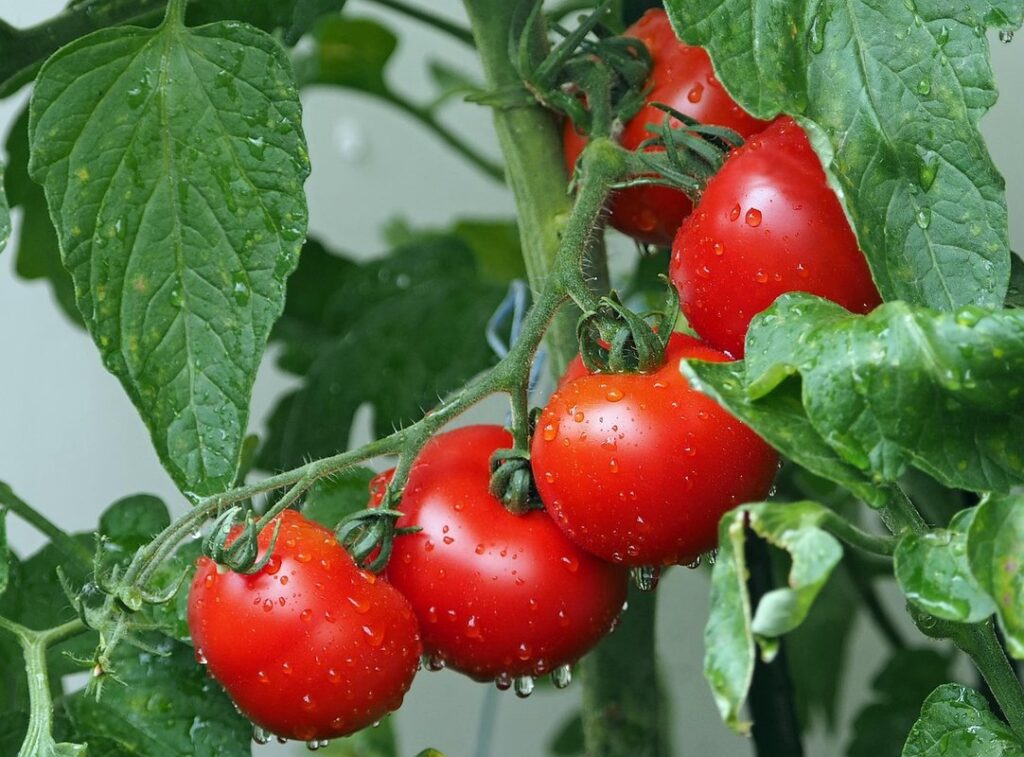
Tomatoes are an excellent addition to a duck’s diet, offering numerous nutritional benefits that can enhance their overall health and well-being. One of the most significant advantages of tomatoes for ducks is their high water content, which helps maintain proper hydration levels in these birds.
In terms of vitamins, tomatoes are rich in vitamin C, an essential nutrient that supports immune function, skin health, and iron absorption. Vitamin C deficiency can lead to impaired growth, weakened immunity, and poor wound healing in ducks. Feeding your ducks fresh or cooked tomatoes can provide them with the necessary dose of this vital vitamin.
Another key component found in tomatoes is lycopene, an antioxidant responsible for their distinctive red color. Lycopene has been shown to have anti-inflammatory properties, which can aid in reducing oxidative stress and promoting overall health in ducks. To maximize the nutritional benefits of tomatoes for your duck, be sure to chop them finely or crush them to release the lycopene content.
Risks Associated with Feeding Ducks Tomatoes
Feeding ducks tomatoes may seem harmless, but there are some significant risks to consider when it comes to their health and well-being. Let’s explore these potential dangers together.
Potential Allergic Reactions in Ducks
If you’re considering feeding tomatoes to ducks, it’s essential to be aware of the potential risks involved. While an occasional tomato might not harm your feathered friends, overfeeding or frequent consumption can lead to health issues. One of the primary concerns is food allergies or intolerances.
Ducks can exhibit various signs of a food allergy or intolerance, including diarrhea, lethargy, and skin problems. For instance, if your duck starts showing symptoms like loose stool, loss of appetite, or excessive scratching, it may be reacting to tomatoes. Another possible sign is feather pecking or over-preening due to discomfort or stress.
Interestingly, tomatoes belong to the nightshade family, which includes other plants known to cause allergic reactions in some birds. While it’s unlikely that ducks will experience severe anaphylaxis from eating tomatoes, a moderate intolerance can still occur. If you notice any unusual behavior or physical symptoms in your duck after consuming tomatoes, consult with a veterinarian for proper diagnosis and guidance on managing the issue.
Digestive Issues Caused by Tomato Consumption
Feeding ducks tomatoes may seem harmless, but it can actually lead to some unpleasant digestive issues. If you’ve been slipping your feathered friends juicy tomato slices, beware: this treat might be causing more harm than good.
Gut irritation is one potential problem that can arise from eating tomatoes. The acidity in tomatoes can irritate the lining of a duck’s stomach and intestines, leading to discomfort, bloating, and even vomiting. Inflammation is another issue that can occur when ducks consume tomatoes. This can cause chronic issues like diarrhea, lethargy, and weight loss.
Impaired nutrient absorption is also a concern when it comes to feeding ducks tomatoes. Tomatoes are high in sugar and low in essential nutrients, which means they don’t provide much value for your duck’s diet. As a result, their bodies may struggle to absorb the nutrients they need from other food sources. If you want to keep your ducks healthy, consider sticking to their natural diet or offering nutrient-rich alternatives instead of relying on tomatoes as a treat.
Precautions and Guidelines for Feeding Tomatoes to Ducks
Before feeding tomatoes to your ducks, it’s essential to follow some crucial guidelines to ensure their safety and well-being. This section will outline key precautions to keep in mind when sharing tomato treats with your feathered friends.
Quantity and Frequency Limits
When it comes to feeding tomatoes to ducks, it’s essential to consider the quantity and frequency limits to avoid any adverse effects. The safe amount of tomato consumption for ducks depends on their age, size, and individual health needs.
For ducklings (0-4 weeks), a maximum of 1/4 cup of chopped tomatoes per day is recommended. As they grow, you can gradually increase the amount up to 1/2 cup per day for young ducks (4-8 weeks). Adult ducks can have up to 1 cup of fresh tomatoes per day.
However, it’s crucial to remember that tomatoes should not make up more than 10% of a duck’s daily diet. A balanced mix of vegetables, fruits, and grains is still the primary focus for their nutrition.
Also, be mindful of individual health needs, such as ducks with digestive issues or those recovering from illness. Start with small amounts and observe your duck’s reaction before increasing the quantity.
Best Ways to Offer Tomatoes to Ducks
When introducing tomatoes to your duck’s diet, it’s essential to do so safely and effectively. Start by chopping fresh tomatoes into small pieces or pureeing them in a juicer to ensure they’re easily digestible. You can also consider cooking the tomatoes lightly to break down their cell walls, making them more palatable for your ducks.
As you begin to offer chopped or juiced tomatoes, do it gradually and in moderation to prevent digestive upset. A good rule of thumb is to introduce small amounts (about 1-2 tablespoons per duck) several times a week, observing your feathered friends’ reactions and adjusting accordingly. It’s also crucial to provide a balanced diet rich in essential nutrients, so don’t rely solely on tomatoes.
To enhance the nutritional value of tomatoes for your ducks, consider mixing them with other fresh fruits or vegetables, such as leafy greens, carrots, or apples. This variety will not only add flavor but also ensure your ducks receive an array of vital vitamins and minerals. Remember to always prioritize hygiene when preparing treats, washing the tomatoes thoroughly before serving them to your ducks.
Tips for Growing Tomato Plants That Are Safe for Ducks
When growing tomato plants that your feathered friends can safely enjoy, there are several key considerations to keep in mind. Let’s dive into some essential tips for safe and happy duck-friendly tomatoes.
Choosing Tomato Varieties That Are Duck-Friendly
When selecting tomato varieties for your duck-friendly garden, there are several factors to consider. First and foremost, choose varieties that are non-toxic and free of pesticides. Opt for heirloom or open-pollinated varieties as they tend to be more robust and less susceptible to disease.
Consider the acidity level of the tomatoes as well. Ducks prefer slightly acidic foods, so look for varieties with a pH range between 4.5 and 6.5. Cherry tomatoes and patio tomatoes are great options as they have lower acidity levels than larger beefsteak or Roma tomatoes.
Some popular duck-friendly tomato varieties include ‘Yellow Pear’, ‘Red Currant’, and ‘Tiny Tim’. These varieties are not only safe for your ducks to eat but also produce a high yield, making them perfect for a small-scale garden. Always keep in mind that even with duck-friendly varieties, it’s essential to introduce new foods gradually to prevent digestive upset.
Gardening Practices for Minimizing Pesticides and Toxins
When it comes to growing tomato plants that are safe for ducks, using organic gardening practices is crucial. Pesticides and fertilizers can be particularly hazardous to duck health, so it’s essential to minimize their use. Tomatoes plants absorb these chemicals through their roots, which can then be ingested by your feathered friends.
To avoid this risk, opt for natural methods of pest control, such as introducing beneficial insects or using physical barriers to deter pests. You can also employ techniques like crop rotation and companion planting to promote a balanced ecosystem in your garden. For example, basil repels aphids and other pests that target tomatoes plants.
When it comes to fertilizing, choose organic options like compost or well-rotted manure. These natural materials not only provide essential nutrients but also improve soil structure and fertility over time. By adopting these organic gardening practices, you can significantly reduce the risk of toxins entering your garden’s food chain, making your tomato plants safer for your ducks to enjoy.
Special Considerations for Different Duck Breeds
If you’re raising a specific breed of duck, it’s essential to consider their unique dietary needs when introducing them to tomato plants. Let’s dive into special considerations for different breeds.
Age and Size Factors
When it comes to feeding your ducklings and adult ducks tomato plants, their age and size play a significant role in determining safe consumption amounts. Baby ducks, for instance, have underdeveloped digestive systems and may struggle to process the sugars found in tomatoes. As such, it’s essential to limit their exposure to small quantities only.
For adult ducks, larger breeds like Muscovy or Khaki Campbells can tolerate more tomato leaves than smaller breeds like Call or Indian Runner. A general rule of thumb is to offer about 1-2% of their body weight in fresh greens daily. So, for a 5-pound duck, that’s roughly 1/4 cup of chopped tomatoes.
When introducing tomato plants to your flock, do it gradually and monitor their behavior closely. Start with small amounts (about 10% of the recommended amount) and observe their reaction before increasing the quantity. Always keep an eye out for signs of digestive upset like diarrhea or lethargy.
Health Conditions That May Affect Tomato Consumption
Some duck owners may need to exercise extra caution when introducing tomatoes into their duck’s diet due to underlying health conditions. If you’re raising ducks with metabolic bone disease (MBD), for example, it’s crucial to balance their nutrient intake carefully. While tomatoes are rich in essential vitamins and minerals, excessive consumption can exacerbate calcium imbalances that worsen MBD symptoms.
Similarly, ducks with liver issues may need a more tailored diet to avoid straining their organ function. Tomatoes contain oxalates, which can be problematic for birds with pre-existing liver conditions. If your duck has liver disease, consider cooking the tomatoes or using them in moderation to minimize potential harm.
It’s also worth noting that certain breeds are more prone to health issues related to diet and digestion. For instance, Muscovy ducks are often more susceptible to metabolic disorders due to their unique physiology. As a responsible duck owner, it’s essential to research your breed’s specific needs and consult with a veterinarian before introducing tomatoes or any new foods into their diet. By doing so, you can ensure a safe and healthy feeding experience for your feathered friends.
Conclusion and Final Thoughts
As we come to a close, let’s summarize what you’ve learned about feeding your ducks tomato plants safely and effectively. Now that we’ve weighed the pros and cons, it’s time to make an informed decision.
Recap of Key Points
To safely feed ducks tomatoes and grow tomato plants, it’s essential to remember that ducks can eat tomatoes but not the leaves. The leaves contain a toxic compound called solanine, which can be detrimental to their health. When feeding ducks tomatoes, make sure they’re ripe and free from any seeds or stems.
When growing tomato plants, consider using physical barriers like fine-mesh netting or row covers to prevent birds from accessing the leaves and flowers. Alternatively, you can try companion planting with certain herbs, such as basil, that repel pests and attract beneficial insects.
To avoid spreading diseases between your plants and ducks, maintain a clean feeding area and wash any utensils used for handling produce thoroughly. Always choose disease-free tomatoes for feeding your ducks to minimize the risk of transferring pathogens.
By following these safe practices, you can enjoy watching your ducks thrive on fresh tomatoes while also growing healthy and productive tomato plants in your garden.
Encouragement to Consult with a Veterinarian
As you’ve learned throughout this article, ducks can eat tomatoes plants to some extent. However, it’s essential to maintain a balanced diet for your feathered friends. But before making any changes, we must stress the importance of consulting with a veterinarian or qualified animal care professional.
Your duck’s specific needs and health status may require special consideration when introducing new foods into their diet. For instance, if you have a duckling that is still growing, they will need more nutrients than an adult duck. Similarly, ducks with certain medical conditions might need to avoid certain food groups altogether.
By consulting with a veterinarian or animal care professional, you can get personalized advice tailored to your duck’s unique requirements. This expert guidance will help you make informed decisions about their diet and ensure they stay healthy and happy. Take the time to schedule a consultation – it’s always better to err on the side of caution when it comes to your feathered friend’s health!
Frequently Asked Questions
Can I give tomatoes to my ducklings, or are they only for adult ducks?
No, it’s recommended to wait until your ducklings are at least 4-6 weeks old before introducing tomatoes into their diet. Until then, stick to a nutrient-rich starter feed specifically formulated for young waterfowl.
How do I choose the right tomato variety for my duck’s diet?
Opt for heirloom or cherry tomato varieties as they tend to be lower in acidity and higher in nutrients compared to larger tomato breeds. Consider growing your own using organic gardening practices to minimize pesticide exposure.
What if my ducks show signs of allergy or intolerance after eating tomatoes?
Monitor your flock closely for any adverse reactions, such as excessive drooling, vomiting, or diarrhea. If you suspect an allergy or intolerance, consult with a veterinarian for guidance on managing symptoms and adjusting their diet accordingly.
Can I feed tomato leaves to my ducks in addition to the fruit?
Yes, tomato leaves are safe for ducks to consume and can be a nutritious supplement when fed in moderation. However, avoid feeding them raw or wilted leaves as they may cause digestive issues.
How often can I give tomatoes to my flock as a treat?
Limit tomato treats to no more than 10% of your duck’s daily calorie intake. Avoid overfeeding, which can lead to an imbalance in their diet and potentially cause health problems.