
When it comes to eggs, most of us are familiar with chicken eggs, but have you ever wondered about the nutritional benefits of eating goose eggs? These large, nutritious bird eggs offer a rich source of protein and essential nutrients like iron and zinc. However, before you crack open that goose egg, it’s essential to know how to handle and store them safely. With the increasing popularity of using alternative ingredients in cooking, understanding the culinary uses of goose eggs is also crucial. In this article, we’ll explore the nutritional benefits, food safety guidelines, and creative ways to cook with goose eggs, including handling, storage, and preparation tips. By the end of this post, you’ll be equipped with the knowledge to incorporate these nutritious eggs into your diet with confidence.
What is a Goose Egg?
So, what exactly is a goose egg and how does it differ from chicken eggs you find in most supermarkets? Let’s dive into the details of these unique eggs.
Definition and Characteristics
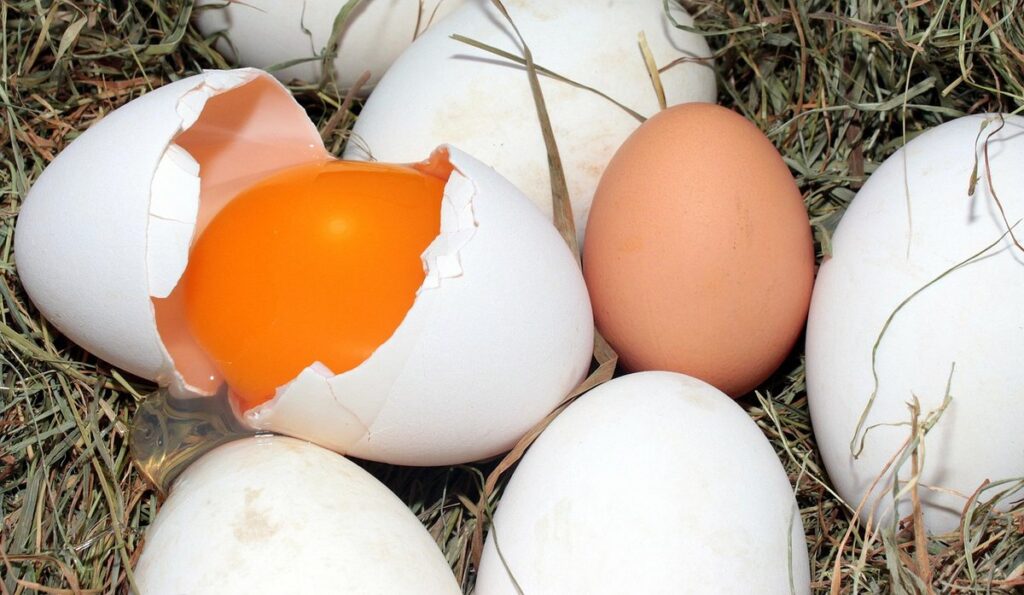
A goose egg is a type of bird egg laid by female geese, characterized by its unique size, shape, and weight. On average, a goose egg weighs around 3-6 ounces (80-170 grams) and measures about 7-9 inches (18-23 centimeters) long and 5-6 inches (13-15 centimeters) wide. This is significantly larger than the average chicken egg, which typically weighs about 1-2 ounces (28-57 grams).
Compared to chicken eggs, goose eggs have a thicker, more rigid shell that’s less prone to cracking. The interior of a goose egg also contains a slightly different yolk-to-white ratio, making it ideal for baking and cooking purposes. In terms of nutritional content, goose eggs are higher in protein and lower in fat compared to their chicken counterparts.
When shopping for goose eggs, look for those with clean, dry shells and no visible cracks or damage. Store them in the refrigerator at a consistent temperature below 40°F (4°C) to ensure freshness. With proper handling and storage, you can enjoy the rich flavor and versatility of goose eggs in your recipes.
Nutritional Content of Goose Eggs
Goose eggs are often touted as a more nutritious alternative to chicken eggs, and for good reason. In terms of protein content, goose eggs contain about 7-8 grams per large egg, compared to around 6-7 grams found in a large chicken egg. This is due in part to the larger size of goose eggs.
But it’s not just the quantity of nutrients that sets goose eggs apart – their fat and cholesterol profiles are also distinct. Goose eggs contain less cholesterol than chicken eggs (about 200mg per large egg, compared to around 250mg for a large chicken egg) but more saturated fats. However, these extra fats can be beneficial in moderation, providing a boost of energy and satisfaction.
When it comes to vitamins, goose eggs are also a standout. They’re an excellent source of vitamin A, with about 10% of the recommended daily intake per large egg. Vitamin D is also present in higher concentrations, making goose eggs a great option for those looking to boost their levels of this essential nutrient.
Edibility and Safety Precautions
Before you crack open that goose egg, it’s essential to know if it’s safe for consumption. We’ll cover the guidelines for handling and preparing goose eggs in this section.
Raw vs Cooked Goose Egg Consumption
When it comes to consuming goose eggs, one of the most critical considerations is whether to eat them raw or cooked. Raw or undercooked goose eggs pose a significant risk due to the presence of Salmonella bacteria. According to the Centers for Disease Control and Prevention (CDC), approximately 1 in 20,000 eggs produced in the US contains Salmonella.
Consuming contaminated eggs can lead to severe food poisoning symptoms such as fever, abdominal cramps, diarrhea, and vomiting. In some cases, it may also cause life-threatening complications like sepsis or reactive arthritis. Cooking goose eggs thoroughly is an effective way to minimize these risks.
To ensure safe consumption, cook your goose eggs until the yolks reach a minimum internal temperature of 160°F (71°C). Frying, boiling, poaching, and baking are all suitable cooking methods for goose eggs. If you prefer eating them raw or in a recipe that doesn’t require cooking to the recommended temperature, choose pasteurized or certified Salmonella-free eggs from reputable suppliers. By taking these precautions, you can enjoy goose eggs while minimizing the risk of foodborne illnesses.
Food Safety Guidelines for Handling Goose Eggs
When it comes to safely handling goose eggs, proper care and attention are crucial to prevent contamination and ensure food safety. First and foremost, always wash your hands thoroughly before and after handling the eggs. This may seem like a simple step, but it’s often overlooked.
It’s also essential to store goose eggs in a cool, dry place, away from direct sunlight and heat sources. A temperature range of 39°F to 45°F (4°C to 7°C) is ideal for storing eggs, as this slows down bacterial growth. Make sure the container is clean and covered to prevent moisture accumulation.
When transporting goose eggs, keep them in a carton or container that’s specifically designed for egg storage. This will help cushion the eggs and prevent breakage. Always transport the eggs in a cooler with ice packs if you’re storing them for an extended period. Regularly inspect the eggs for any visible cracks or damage before consuming.
By following these guidelines, you can minimize the risk of contamination and enjoy your goose eggs safely. Remember to always prioritize food safety when handling and storing your eggs.
Culinary Uses of Goose Eggs
Goose eggs are a versatile ingredient that can be used in various sweet and savory dishes, from baked goods to omelets and frittatas. Let’s explore some creative ways to use them in your cooking!
Baking and Cooking with Goose Eggs
Goose eggs are an excellent choice for baking and cooking due to their larger size and richer flavor profile. When it comes to quiches, the extra moisture from goose eggs helps create a more tender and flaky crust. Try using two large goose eggs instead of three regular chicken eggs in your favorite quiche recipe.
Making omelets with goose eggs is also a great idea. The extra yolk adds a deeper, richer flavor that pairs perfectly with fresh herbs or cheese. Simply crack the egg into a hot skillet, add your fillings, and fold the omelet in half to cook until set.
When it comes to cakes, goose eggs are particularly useful for adding moisture and structure. Use two large goose eggs instead of three regular chicken eggs to create a more tender crumb and a longer shelf life. The extra fat in goose eggs also helps keep baked goods fresh for longer.
Consider substituting goose eggs in your favorite recipes to elevate the flavor and texture of your dishes. With their larger size and richer flavor, it’s no wonder why many professional bakers and chefs swear by using goose eggs in their cooking. Give it a try and see the difference for yourself!
Traditional Recipes Featuring Goose Eggs
Goose eggs are a delicacy in many cultures, and incorporating them into traditional recipes is an excellent way to showcase their unique characteristics. In some European countries, like Poland and Germany, goose eggs are a staple ingredient in festive dishes during holidays and special occasions.
One popular recipe featuring goose eggs is pierogi ruskie, a Polish dish consisting of dumplings filled with potatoes, cheese, and fried onions. Goose egg yolks add a rich, creamy texture to the filling. In Germany, goose egg omelets (Eierstrudel) are a traditional breakfast or brunch option.
In Asian cuisine, goose eggs are often used in stir-fries and braises to add depth and umami flavor. For example, a Chinese recipe called “stir-fried goose eggs with chili peppers” combines the richness of the egg yolks with the spiciness of chili peppers. These recipes not only highlight the versatility of goose eggs but also showcase their cultural significance in various parts of the world.
When using goose eggs in traditional recipes, it’s essential to note that they have a thicker white and a larger yolk compared to chicken eggs. This affects cooking times and techniques, so be sure to adjust accordingly.
Health Benefits and Risks
While goose eggs can be a nutritious addition to your diet, it’s essential to consider both their health benefits and potential risks before adding them to your meals regularly. Let’s examine these factors closely.
Nutritional Advantages of Goose Eggs
Goose eggs are not only a delicacy but also a nutritional powerhouse. They offer an impressive array of health benefits, making them an excellent addition to a balanced diet. One of the primary advantages of goose eggs is their high-quality protein content, which is essential for muscle growth and repair. In fact, a large goose egg can provide up to 12-15 grams of protein per serving.
Goose eggs are also rich in omega-3 fatty acids, particularly DHA and EPA, which play a crucial role in heart health and brain function. These essential fatty acids help reduce inflammation, lower cholesterol levels, and promote overall well-being. Moreover, goose eggs are an excellent source of various vitamins, including vitamin B12, riboflavin (B2), and pantothenic acid (B5). Vitamin B12 is particularly important for nerve function, red blood cell formation, and DNA synthesis.
To reap the nutritional benefits of goose eggs, look for pasture-raised or organic options that are rich in omega-3s and vitamins. You can enjoy them boiled, scrambled, or made into an omelette. To get the most out of your goose egg, make sure to consume it within a week of purchase, as the quality may degrade over time.
Allergies and Intolerances to Goose Eggs
Goose eggs can be a nutritious and delicious addition to a balanced diet for some people. However, others may experience adverse reactions due to allergies or intolerances. A goose egg allergy is an immune system reaction to one of the proteins present in the egg.
Common symptoms of a goose egg allergy include hives, itching, swelling, stomach cramps, diarrhea, and difficulty breathing. If you suspect that you have a goose egg allergy, it’s essential to consult a healthcare professional for proper diagnosis and treatment. They may recommend an elimination diet or skin prick test to confirm the allergy.
Prevention strategies for those with a goose egg allergy involve avoiding exposure to the allergen altogether. This means checking food labels for ingredients derived from bird eggs and being mindful of cross-contamination in cooking and baking. If you’re considering trying goose eggs, start with a small amount and monitor your body’s response carefully.
Sourcing and Storage
When it comes to cooking with goose eggs, sourcing them can be a challenge. Next, we’ll explore where to find these unique ingredients and how to store them properly at home.
Where to Buy Goose Eggs
If you’re interested in trying goose eggs, you’ll first need to find a reliable source. One option is to visit local farms that raise waterfowl and offer their products for sale. Many farms will have a farm stand or market where you can purchase fresh eggs directly from the producer. This not only ensures the freshness of the eggs but also supports your local agricultural community.
If you’re unable to find a local farm, specialty stores may be another option. These stores often carry a variety of exotic and specialty products, including goose eggs. They typically source their products from reputable suppliers to ensure quality and freshness. When shopping at a specialty store, make sure to check the packaging for any labels or certifications that indicate the eggs are safe for consumption.
You can also buy goose eggs online through retailers like Amazon or local egg delivery services. When purchasing online, be sure to research the seller’s reputation and read reviews from other customers to ensure you’re getting high-quality products. Some online sellers may offer discounts for bulk purchases or subscription services, which can be a cost-effective option for regular consumers.
Proper Storage of Goose Eggs
When storing goose eggs, it’s essential to maintain optimal conditions to prolong their freshness and prevent spoilage. Unlike chicken eggs, goose eggs have a thicker shell that makes them more resistant to bacteria penetration, but they still require proper storage.
Refrigerate goose eggs at a temperature of 40°F (4°C) or below to slow down bacterial growth. It’s crucial to keep the eggs away from strong-smelling foods and chemicals in the refrigerator, as their porous shells can absorb odors and flavors easily.
Maintain high humidity levels in the storage area, ideally between 50-60%. You can store goose eggs in a carton or an egg tray to keep them clean and prevent moisture accumulation. Handle the eggs gently to avoid cracking, which can lead to contamination and spoilage.
When storing goose eggs for an extended period, it’s best to consume them within 5-7 weeks. Check on them regularly to ensure they remain fresh and develop a good sense of smell to detect any off odors.
Conclusion
In conclusion, eating goose eggs can be a nutritious and delicious addition to your diet. If you’ve obtained them from a trusted source or raised them yourself, there’s no reason not to enjoy this unique egg variety. Just remember to cook them thoroughly to avoid any potential health risks. Whether you’re making omelets, scrambled eggs, or baked goods, goose eggs can add an extra layer of richness and flavor. Don’t be afraid to experiment with new recipes and flavors – the possibilities are endless! And if you’re feeling adventurous, try pairing your goose egg dish with some fresh herbs or spices for a truly unique taste experience.
Frequently Asked Questions
Can I use goose eggs as a direct substitute for chicken eggs in recipes?
Yes, you can use goose eggs as a substitute for chicken eggs, but keep in mind that their larger size may affect the overall texture and consistency of baked goods. Start by substituting one large goose egg for two to three large chicken eggs.
How do I properly store goose eggs to maintain freshness?
Proper storage is crucial for maintaining the freshness and safety of goose eggs. Store them in a cool, dry place, away from direct sunlight. You can also refrigerate them at 40°F (4°C) or below, making sure they are clean and dry before storing.
Are goose eggs suitable for individuals with egg allergies or intolerances?
While goose eggs may be beneficial for some people due to their high nutritional content, those with severe egg allergies or intolerances should exercise caution. It’s recommended to consult a healthcare professional or registered dietitian for personalized advice on incorporating goose eggs into your diet.
Can I consume goose eggs raw or must they always be cooked?
While it’s technically possible to consume goose eggs raw, cooking them can reduce the risk of foodborne illnesses associated with Salmonella and other bacteria. Cooking goose eggs also makes their proteins and nutrients more accessible for digestion.
How do I crack open a goose egg without making a mess?
Cracking open a goose egg requires some finesse due to its larger size and thicker shell. Gently tap the large end of the egg on a flat surface, then roll it between your hands to create a small crack. Carefully open the egg under cold running water to minimize splashing.