
If you’re anything like most backyard chicken enthusiasts, you’re probably curious about how much egg-laying potential your beloved hens really have. While many people assume that a hen’s daily egg production is fixed at one egg per day, the truth is more complex than that. The reality is that some breeds of hens can indeed lay two eggs in 24 hours, but it all depends on several key factors like nutrition, health, and breed characteristics.
In this article, we’ll delve into the surprising world of egg-laying dynamics, exploring how different variables impact a hen’s daily production. Whether you’re looking to maximize your flock’s yield or simply want to understand what makes some hens more productive than others, keep reading for expert insights on how to get the most out of your girls’ talents.
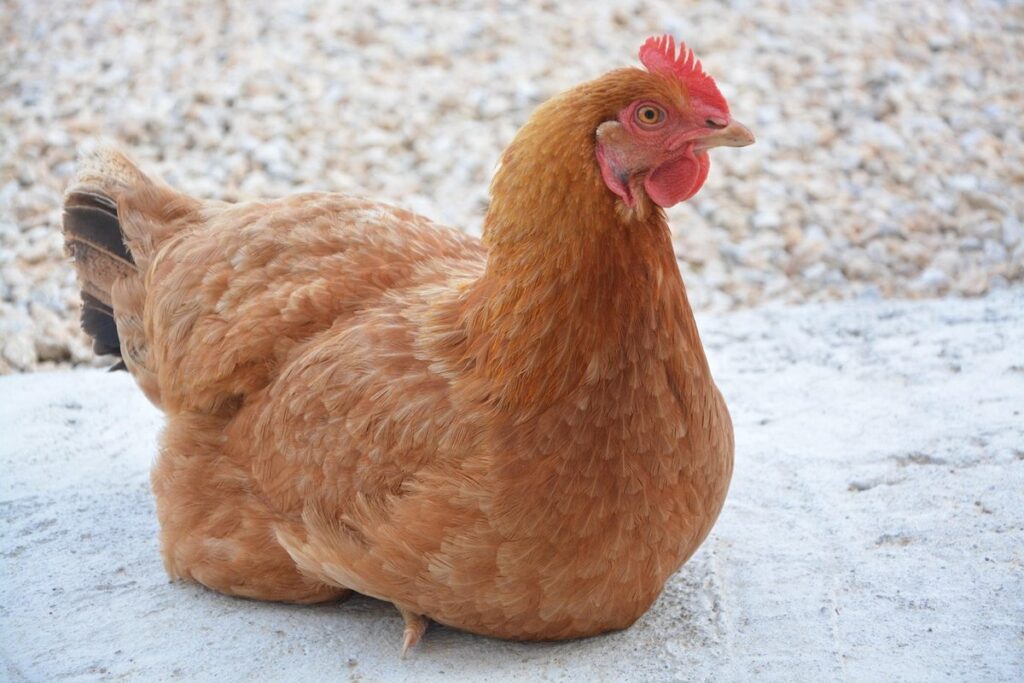
Understanding Hen Laying Habits
To truly understand whether a hen can lay two eggs a day, you need to grasp their natural laying habits and how breed, age, and health factor into egg production. Let’s dive in and explore these essential details together.
Factors Influencing Egg Production
When it comes to determining whether a hen can lay two eggs a day, understanding the various factors that influence egg production is crucial. A hen’s breed plays a significant role in her egg-laying abilities. Some breeds, such as Leghorns and Rhode Island Reds, are known for their high egg production, while others may lay fewer eggs.
A hen’s age is another critical factor to consider. Young hens typically start laying eggs at around 18-20 weeks of age, but it can take some time for them to reach their full potential. As they mature, their egg-laying abilities increase, and they often produce more eggs per day.
Nutrition also plays a vital role in egg production. Hens need a balanced diet that includes adequate protein, calcium, and other essential nutrients to maintain healthy laying habits. A diet lacking these crucial elements can result in decreased egg production or even lead to health problems.
Regular health checks are also necessary to ensure your hens remain healthy and continue producing eggs at an optimal rate. Factors such as stress, disease, and parasites can all impact a hen’s ability to lay eggs. By monitoring their health and addressing any issues promptly, you can help maintain a healthy and productive flock.
Average Daily Egg Output
The average daily egg output can vary significantly depending on several factors, including breed and individual hen characteristics. A well-fed and healthy hen from a productive breed can lay up to two eggs per day, but this is not the norm for all hens. In reality, the average layer will produce around 280-300 eggs per year, which translates to about one egg per day.
However, some breeds are naturally more prolific than others. For example, Leghorns and Cornish hens can lay up to three eggs per week, while other breeds like Orpingtons and Plymouth Rock may only average one egg every 2-3 days. Factors such as age, nutrition, and living conditions also play a significant role in determining the number of eggs laid by a hen.
To give you a better idea, here’s a rough estimate of average daily egg output based on breed:
* Leghorns: 1-2 eggs per day
* Rhode Island Reds: 1 egg per day
* Barred Rocks: 0.8-1.2 eggs per day
* Orpingtons: 0.5-1 egg per day
Keep in mind that these are general guidelines, and individual hens may vary significantly depending on their unique characteristics and living conditions.
Why Some Hens May Lay Two Eggs Per Day
While some breeds are naturally more prolific layers, it’s also possible that your hen is laying two eggs per day due to factors like diet and genetics. Let’s take a closer look at why this might be happening.
Exceptional Cases: High-Producing Breeds
While most hens will lay one egg per day, there are some exceptional cases where certain breeds can produce two eggs per day. If you’re wondering if your hen is capable of laying multiple eggs daily, it’s essential to consider the breed and genetics at play. Two such high-producing breeds that come to mind are the Leghorn and Araucana.
The Leghorn, for instance, is a popular breed among backyard chicken keepers due to its exceptional egg-laying abilities. With proper care and nutrition, a Leghorn hen can lay up to 300 large white eggs per year, which translates to about one to two eggs per day. These hens are known for their high egg production rate and are often used in commercial egg farming operations.
The Araucana breed is another example of an exceptional case. This breed is native to Chile and is famous for its blue or green eggs. Araucanas can lay up to 200 large white or tinted eggs per year, which means they can also produce two eggs per day with proper care. It’s worth noting that both of these breeds require a balanced diet, regular exercise, and adequate living space to maintain their high egg-laying abilities.
Individual Variations in Egg Production
When it comes to egg production, it’s essential to remember that individual hens can differ significantly from one another, even if they belong to the same breed. This is due to various genetic and environmental factors that influence their reproductive capabilities.
For instance, some hens may have a stronger egg-laying gene than others, leading them to produce more eggs on a daily basis. Additionally, factors such as nutrition, health, and age can also impact an individual hen’s egg production. A well-nourished and healthy hen is likely to lay more eggs than one that’s malnourished or suffering from illness.
In some cases, a breed of hen known for its prolific egg-laying may still have individuals that don’t quite live up to their expected standards. Conversely, a breed not typically associated with high egg production might surprise you with an exceptionally good layer. To encourage your hens to reach their full potential, provide them with a balanced diet rich in essential nutrients and ensure they receive regular veterinary care.
In general, it’s best to focus on the unique needs and characteristics of each individual hen rather than relying solely on breed expectations. By doing so, you’ll be better equipped to support their egg-laying abilities and enjoy the benefits of a thriving backyard flock.
The Role of Nutrition in Egg Laying
To optimize egg production, it’s essential that your hens receive a balanced diet rich in protein, calcium, and other key nutrients to support their reproductive health. A well-planned nutrition strategy can make all the difference.
Nutrient Requirements for Optimal Egg Production
When it comes to laying eggs at an optimal rate, hens require a diet rich in essential nutrients. Protein is the foundation of egg production, and hens need about 16% protein in their diet to produce high-quality eggs. This can be achieved by feeding them layer feed or supplementing with protein-rich foods like mealworms or sunflower seeds.
Calcium is another critical nutrient for strong eggshell production. Hens require around 3-4 grams of calcium per day, which can be obtained from dark leafy greens like kale and spinach, as well as crushed oyster shells or eggshells. Vitamin D is also essential for calcium absorption, so make sure to provide a source of vitamin D in their diet.
To ensure your hens are getting all the necessary nutrients, consider creating a balanced feeding schedule that includes a mix of grains, vegetables, and supplements. For example, you can feed them layer feed in the morning and supplement with crushed eggshells or dark leafy greens in the afternoon. This will not only support their egg-laying abilities but also promote overall health and well-being.
Impact of Poor Nutrition on Egg Laying
When it comes to egg laying, nutrition plays a crucial role. Inadequate nutrition can significantly impact a hen’s ability to lay eggs regularly and efficiently. Starvation and malnutrition are two of the most common causes of poor nutrition in backyard hens.
A hen that is not consuming enough nutrients will eventually deplete her energy reserves, making it difficult for her to produce eggs. Malnutrition can be caused by a variety of factors, including inadequate feed, lack of access to clean water, and environmental stressors such as extreme temperatures or overcrowding.
To prevent malnutrition in your hens, ensure they have access to high-quality feed that is formulated specifically for laying hens. Aim to provide at least 16-18% protein and 2-3% calcium in their diet. You can also supplement with fresh fruits and vegetables, such as leafy greens, carrots, and sweet potatoes.
A well-nourished hen will have a more consistent egg-laying schedule, produce higher-quality eggs, and be less susceptible to illness.
Environmental Factors Affecting Egg Production
Factors like temperature, humidity, and light exposure can significantly impact your hen’s ability to lay two eggs a day. Understanding these environmental factors is crucial for optimizing egg production in your backyard flock.
Light Exposure and Its Effects on Egg Laying
Light exposure plays a crucial role in regulating a hen’s reproductive cycle and subsequently affects egg production. Hens require around 14 hours of daylight to produce eggs at their optimal rate. However, this doesn’t mean that the light should be intense or direct; rather, it should provide a gentle, consistent illumination.
The ideal photoperiod for hens involves a 30-60 minute gradual increase in natural light exposure each morning and a corresponding decrease in the evening. This simulates the day-night cycle experienced by wild birds. By replicating this pattern, you can encourage your hens to lay eggs regularly.
If you’re keeping your hens indoors, consider installing artificial lighting with a similar photoperiod. LED lights are energy-efficient options that mimic natural daylight and have a minimal impact on the environment.
Maintaining the right balance of light exposure is essential for healthy egg production. For instance, a study found that hens exposed to 18 hours of light produced significantly more eggs than those kept in constant darkness or under 12-hour cycles. By carefully managing your flock’s light exposure, you can increase their chances of laying two eggs a day.
Stress and Its Influence on Hen Behavior and Egg Laying
When it comes to egg laying, stress is a significant factor that can impact a hen’s behavior and productivity. Hens under stress may exhibit changes in their normal behavior, such as increased aggression, changes in appetite, or even stopping egg laying altogether.
Prolonged exposure to stress can lead to a decrease in egg production, making it challenging for hens to meet the daily demand of two eggs per bird. For instance, if a flock is exposed to predators or subjected to loud noises, they may become anxious and stressed, leading to a decline in egg laying.
To minimize stress in your hen’s environment, consider providing ample space for movement, access to fresh air and sunlight, and a balanced diet that meets their nutritional needs. You can also implement enrichment activities such as scratching posts, foraging toys, or hiding treats around the coop to keep them engaged and stimulated.
By recognizing the signs of stress and taking proactive measures to reduce it, you can help maintain a healthy and productive flock that meets its full egg-laying potential.
Managing Expectations: Can Hens Truly Lay Two Eggs Per Day?
Let’s get real, many backyard chicken keepers wonder if their girls can really produce two eggs a day, and it’s time to separate fact from fiction. We’ll dive into what’s possible and what’s not.
Setting Realistic Goals for Egg Production
When it comes to setting realistic goals for egg production, many backyard chicken keepers tend to get caught up in the excitement of having a laying hen. The idea of collecting two eggs per day from each hen can be tantalizing, but the reality is often far from that expectation.
To set achievable goals, start by understanding the average egg-laying capacity of your hens. Most commercial breeds will lay around 280-300 eggs per year, which translates to about one egg per day for a hen. Some heritage or dual-purpose breeds may lay fewer eggs, around 200-220 per year.
Don’t get discouraged if you’re not collecting two eggs a day from each hen. Instead, focus on setting realistic targets based on your hens’ breed, age, and individual productivity. For example, if you have a flock of five laying hens, aim to collect between 1.5 to 2.5 eggs per day in total. This way, you’ll avoid disappointment or overexpectation, and focus on enjoying the many benefits that come with raising backyard chickens.
Strategies for Maximizing Egg Yield
To maximize egg yield, you need to consider the right balance of nutrition and care for your hens. A high-quality layer feed should provide around 16-18% protein, with a mix of grains, vegetables, and minerals. However, it’s essential to supplement their diet with fresh fruits and vegetables daily, as these will not only improve egg quality but also enhance overall health.
Proper feeding habits can significantly impact egg production. For instance, providing oyster shells or crushed eggshells as a calcium source can help strengthen the hen’s bones and promote better eggshell formation. On the other hand, an inadequate intake of vitamin D3 can lead to soft-shelled eggs, which may not only affect egg quality but also increase the risk of hen health issues.
Regularly monitoring your hens’ water intake is crucial as well. A dry or dirty environment can quickly lead to dehydration and stress, negatively impacting their egg-laying capabilities. By maintaining a clean coop with adequate ventilation, providing fresh food and water daily, and rotating pastures to ensure access to natural foraging opportunities, you’ll be able to optimize the health and productivity of your hens.
Case Studies: Successful Breeders Share Their Experiences
We’re excited to share the real-life experiences of successful breeders who have cracked the code on encouraging their can hens to lay two eggs a day. Read on for inspiring stories and expert tips.
Expert Insights from High-Production Flocks
We spoke with several experienced breeders who have successfully raised high-production flocks capable of laying two eggs per day. They shared valuable insights on what it takes to achieve such impressive egg-laying capabilities.
One key takeaway from our conversations was the importance of selecting breeds that are known for their high egg production. For example, Leghorns and Cornish Cross hens are popular choices among breeders due to their ability to lay multiple eggs per day. However, it’s essential to remember that genetics play a significant role in determining an individual hen’s egg-laying capacity.
Another crucial factor is nutrition. A balanced diet rich in protein, calcium, and other essential nutrients can significantly impact a hen’s egg-laying performance. Our expert breeders emphasized the importance of providing high-quality feed that meets the nutritional needs of their birds. By combining the right breeds with proper nutrition, it’s possible to achieve an average of two eggs per day from each hen.
Our experts also stressed the importance of maintaining a clean and healthy environment for their hens. This includes regular cleaning of coops, adequate ventilation, and protection from predators.
Lessons Learned and Best Practices
When reviewing the case studies of successful breeders who’ve achieved consistent two-egg-a-day production from their can hens, several key takeaways emerge. A primary lesson learned is the importance of maintaining a balanced and nutrient-rich diet for these birds. A study found that hens receiving a high-quality layer feed supplemented with calcium and vitamin D3 laid an average of 2.25 eggs per day compared to those on a standard feed.
Other best practices include providing adequate space and ventilation, as overcrowding can lead to stress and decreased egg production. The optimal cage size for can hens is around 4-5 square feet per bird, allowing them room to move freely and engage in natural behaviors. Additionally, ensuring consistent lighting and temperature levels helps regulate the birds’ internal clocks and promotes regular ovulation.
By incorporating these best practices into your breeding program, you’ll be well on your way to achieving two-egg-a-day production from your can hens. Regular monitoring of flock health and adjusting your strategies accordingly will also help optimize egg-laying performance.
Frequently Asked Questions
How do I know if my hen is healthy enough to lay two eggs a day?
If your hen is laying two eggs per day, it’s essential to ensure she’s receiving adequate nutrition and staying hydrated. Monitor her egg production for any signs of decline or irregularity, which could indicate underlying health issues. Consult with a veterinarian if you notice any changes in behavior or egg-laying patterns.
Can I increase my hen’s daily egg output through better management practices?
Yes, optimizing your flock’s environment and nutrition can positively impact egg production. Ensure proper ventilation, temperature control, and lighting to promote healthy habits. Additionally, providing high-quality feed tailored to your hens’ breed-specific needs can support optimal egg-laying.
What are some common mistakes to avoid when managing a high-producing hen?
Common errors include overfeeding or underfeeding, inadequate light exposure, and neglecting regular health checks. Be aware of these potential pitfalls and adjust your management strategies accordingly to maximize your hens’ productivity.
How do I recognize individual variations in egg production within my flock?
Monitor each hen’s unique characteristics and habits to understand their specific needs. Consider factors like age, breed, and personality when assessing individual performance. This insight will allow you to make informed decisions about feed allocation and care for each bird.
Can a single hen lay two eggs per day consistently throughout her lifespan?
No, hens typically experience a natural decline in egg production as they age. While some high-producing breeds may maintain higher output into their fifth year or more, others may see a significant drop-off after three to four years. Be prepared for this eventual decrease and plan accordingly for your flock’s needs.