
If you’ve ever spotted Canada geese waddling through a park or honking overhead, you might wonder what they’re feeding on. These migratory birds are found in various habitats across North America, from lush grasslands to urban areas with manicured lawns and golf courses. But did you know that their diet varies greatly depending on where they live? In this article, we’ll delve into the world of Canada geese and explore what they eat in different environments. We’ll also examine how human impact affects their diet and conservation efforts. By understanding what these birds eat, we can better appreciate the challenges they face and make informed decisions to protect them and their habitats. Get ready to learn more about these fascinating creatures!
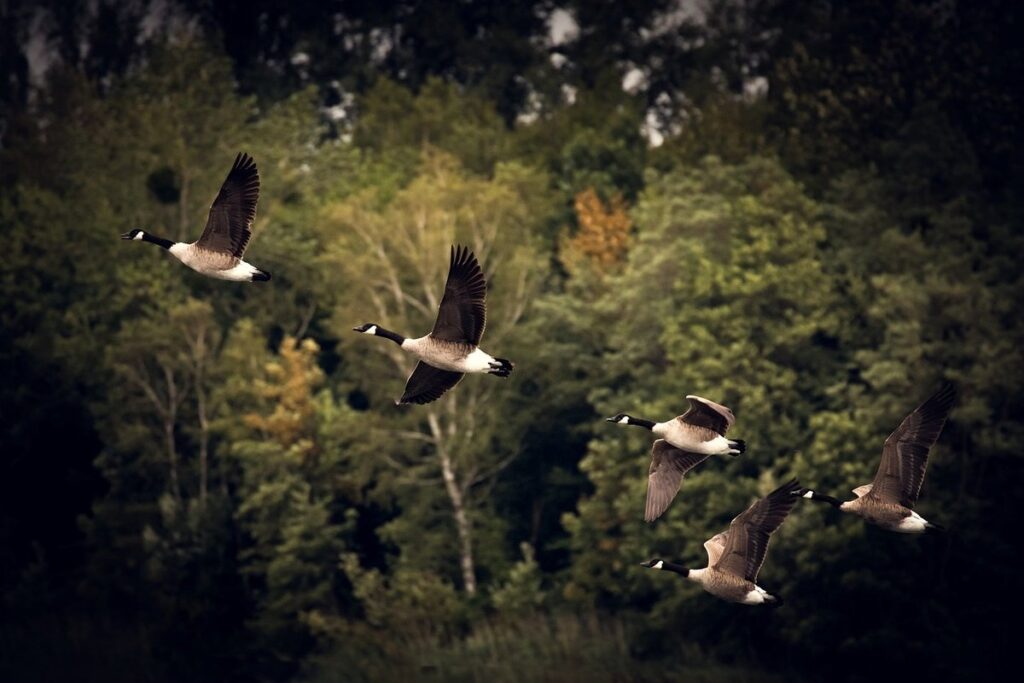
Understanding Canada Goose Habitat and Distribution
Canada geese are found in a wide range of habitats, from Arctic tundra to urban parks, and understanding their natural environment is crucial for grasping their dietary needs. Let’s explore where these birds thrive naturally.
Grassy Landscapes and Agricultural Areas
In grassy landscapes and agricultural areas, Canada geese feed on an assortment of plants, including grasses, clover, and alfalfa. These herbivores will readily consume whatever vegetation is available to them. In addition to grasses, they also forage for seeds from crops like oats, barley, and wheat. They may even raid gardens, devouring flowers and vegetables in the process.
If you live near a field or farmland where Canada geese are present, it’s likely that they’ll start showing up in your yard as well. To discourage them from feeding on your lawn, consider planting goose-resistant plants like daffodils or hyacinths. These bulbs contain toxic compounds that will deter geese from feeding.
Canada geese in agricultural areas may also feed on insects and small invertebrates if available. However, their diet primarily consists of plant-based materials. As a result, they can become a nuisance for farmers who struggle to protect their crops from these voracious birds.
Urban and Suburban Environments
In urban and suburban environments, Canada geese have adapted to thrive on readily available food sources. These adaptable birds can be seen foraging for grasses, plants, and aquatic vegetation in parks, lawns, and gardens. However, their diet often expands to include human-provided foods such as bread, crackers, and other snacks left behind by pedestrians.
As urbanization increases, so does the risk of malnutrition among Canada geese populations. A diet reliant on low-nutrient foods can lead to a range of health issues, including obesity, liver damage, and impaired immune function. To mitigate this, park administrators and residents can take steps to discourage overfeeding by installing signage and education programs.
If you’re living in an urban or suburban area with Canada geese present, consider offering them alternative food sources such as cracked corn, oats, or sunflower seeds instead of traditional bread. This will not only support their nutritional needs but also help maintain a healthy balance between humans and wildlife coexistence.
Canada Goose Food Sources: Plants and Fruits
Let’s dive into the world of plants and fruits, where Canada geese find a significant portion of their daily nutrients. From grasses to berries, we’ll explore their favorite snacks.
Grasses and Wildflowers
When it comes to foraging, Canada geese have a diverse range of grasses and wildflowers that they commonly consume. In their natural habitats, you can often spot them grazing on lush meadows and fields. Some of the most popular types of grasses include tall fescue, Kentucky bluegrass, and perennial ryegrass.
Wildflowers like clover, dandelions, and plantain are also a favorite among Canada geese. These plants not only provide essential nutrients but also serve as a vital source of energy for the geese during their migrations. In fact, studies have shown that wildflowers can make up to 20% of a goose’s diet during peak breeding seasons.
If you’re looking to attract Canada geese to your yard or garden, incorporating these types of grasses and wildflowers into your landscape design is a great place to start. You can also consider planting native species like coneflower, black-eyed Susan, and butterfly milkweed, which are all known to be goose-friendly. By providing a diverse range of foraging options, you’ll not only be supporting the local wildlife but also creating a unique and thriving ecosystem.
Berries and Other Soft Fruits
Canada geese are known to enjoy a wide variety of berries, with rose bushes being one of their favorite shrub sources. These small, soft fruits are an excellent addition to their diet, providing essential nutrients and antioxidants.
In particular, Canada geese have been observed foraging for wild strawberries, blueberries, raspberries, and blackberries in various parts of North America. These berries are rich in vitamins C and K, as well as fiber, making them a nutritious choice for the geese. The soft texture of these fruits also makes them easy to digest.
If you live near an area where Canada geese frequent, you can encourage them by planting berry-producing shrubs like rose bushes or gooseberries. However, be aware that excessive berry consumption can lead to digestive issues in large quantities. It’s essential to maintain a balanced diet for the geese, including both plant-based and protein-rich foods.
Berries should comprise only a portion of their overall diet.
Aquatic Plants and Algae
In water-rich environments, such as ponds, lakes, and slow-moving streams, Canada geese feed on aquatic plants and algae. These plants are an essential component of their diet, providing valuable nutrients and energy.
Some common types of aquatic plants consumed by Canada geese include cattails, bulrushes, and water lilies. Cattails, in particular, are a favorite among these birds due to their high nutritional value. The rhizomes of cattails are rich in starch, which provides the necessary fuel for long-distance migrations.
Canada geese also feed on various types of algae, including green and blue-green species. While algae may not be as nutrient-dense as other plant matter, it still contributes significantly to their overall diet. In fact, some studies have shown that Canada geese can obtain up to 20% of their energy intake from algae.
If you’re interested in creating a goose-friendly environment, consider incorporating aquatic plants into your water feature. Not only will this provide a valuable food source for these birds, but it will also help maintain the ecosystem’s balance and promote biodiversity.
Animal Matter in the Canada Goose Diet
When it comes to animal matter, what do Canada geese eat? In this part of their diet, they focus on insects, crustaceans, and even small vertebrates.
Insects and Small Worms
In addition to plants, insects and small worms play a significant role in the Canada goose diet. These tiny creatures are an essential source of protein for geese, particularly during breeding season when they require extra nutrients to support their young.
Canada geese feed on various types of insects, including grasshoppers, crickets, and beetles. They also consume earthworms, which are rich in iron and other minerals that are vital for the geese’s overall health. In fact, studies have shown that geese with access to a diverse range of invertebrates tend to have stronger immune systems and better reproductive success.
If you’re observing Canada geese in their natural habitat, you may notice them probing into the soil with their beaks or searching for insects on the ground. This behavior is not only a sign of their reliance on these small creatures but also an indication of their ability to adapt to different environments.
To attract Canada geese to your yard or park, consider creating a welcoming environment that includes patches of short grass and open areas where they can forage for insects and worms.
Small Mammals and Nesting Birds
Canada geese may occasionally supplement their diet with small mammals and nesting birds. This behavior is likely driven by opportunism, rather than a consistent dietary preference. When foraging, Canada geese are capable of detecting subtle changes in their surroundings, including the presence of small prey.
Small mammals such as mice, voles, and shrews may be vulnerable to Canada goose predation, particularly during periods of high nesting activity or when food sources are scarce. Similarly, nesting birds like songbirds, ducks, and even other waterfowl may fall victim to Canada geese, either intentionally or unintentionally.
It’s worth noting that this aspect of their diet is not unique to Canada geese. Many bird species engage in predation behaviors, and it serves as a vital component of maintaining ecosystem balance. However, for those who share habitats with these birds, being aware of their omnivorous tendencies can be beneficial for coexisting peacefully.
Human Impact on Canada Goose Diet
As we explore what Canada geese eat, it’s essential to consider how human activities are altering their natural diet and foraging habits in various parts of North America. Let’s examine this complex issue up close.
Attractants Like Corn and Bread
Canada geese have become increasingly adapted to human environments, and it’s not uncommon for them to thrive in urban areas where food is readily available. One of the main attractants that bring these birds to cities is the abundance of corn and bread left behind by humans. While this may seem like a harmless gesture, feeding Canada geese can actually do more harm than good.
When geese become reliant on human-provided food, they begin to lose their natural foraging instincts. This can lead to malnutrition, as their diet lacks essential nutrients found in their natural grazing habits. In addition, overfeeding can also disrupt the balance of urban ecosystems, creating problems for both humans and wildlife. For example, a large population of geese in an urban area can contribute to noise pollution, property damage, and even health concerns due to their droppings.
To avoid contributing to these issues, it’s essential to resist the temptation to feed Canada geese. Instead, consider using deterrents like visual repellents or plant-based barriers to discourage them from visiting your yard or local park.
Conflict Over Food Resources
As Canada goose populations continue to grow, so do concerns about their impact on local ecosystems. One significant issue that arises is conflict over food resources. With more geese competing for limited food sources, problems can escalate quickly. For instance, in urban areas, residents often complain about geese invading parks and gardens, devouring grasses and plants meant for human recreation.
This competition can also affect native wildlife populations. When Canada geese feed on the same plants as other animals, it can alter the delicate balance of local ecosystems. Studies have shown that aggressive feeding by Canada geese can lead to a decline in plant diversity, making it difficult for native species to survive.
In some areas, efforts are being made to manage these conflicts through creative solutions. For example, urban parks may use fencing or netting to protect plants from goose grazing. Additionally, education campaigns can help residents understand the importance of coexisting with wildlife and taking steps to deter geese from feeding in undesirable locations.
Conclusion: The Significance of Understanding Canada Goose Diet
As we’ve explored what Canada geese eat, it’s now time to reflect on why understanding their diet is crucial for both wildlife enthusiasts and those who share their habitats.
Implications for Conservation Efforts
A deeper understanding of Canada goose dietary habits is crucial for effective conservation and management strategies. By recognizing their feeding patterns and nutritional needs, wildlife experts can develop targeted interventions to support these iconic birds.
For instance, during the winter months when natural food sources are scarce, Canada geese often rely on agricultural lands and aquatic habitats for sustenance. However, this reliance can lead to conflicts with farmers and landowners who struggle to protect their crops from these voracious feeders. To mitigate such conflicts, conservationists recommend implementing sustainable farming practices that promote coexistence between humans and wildlife.
Moreover, a thorough comprehension of Canada goose dietary needs is vital for developing effective feeding programs at urban parks and nature reserves. By offering the right balance of plant-based foods, including grasses, aquatic plants, and grains, these sites can provide a safe haven for geese to graze without exacerbating existing environmental issues.
One key takeaway from studying Canada goose diet is that their nutritional requirements shift depending on the season. During spring and summer, they feed on a diverse array of plants and insects, while in autumn and winter, their diets become more restricted due to limited food availability. This seasonal variation underscores the importance of adopting flexible conservation strategies tailored to specific periods.
In practice, this means incorporating adaptive management practices that accommodate Canada geese’s dynamic feeding patterns. By embracing such an approach, wildlife experts can better align their conservation efforts with the complex needs of these remarkable birds.
Frequently Asked Questions
What if I’m concerned about Canada geese eating my garden or crops, how can I deter them?
You can try using physical deterrents like netting, fencing, or even plants that are unappealing to geese. Another option is to use scarecrows or motion-activated sprinklers to scare them away. However, keep in mind that these methods may not be 100% effective and might need to be combined with other strategies.
Can Canada geese become a nuisance if they’re fed by humans, leading to conflicts over food resources?
Yes, when Canada geese are habituated to human-provided food, they can lose their natural foraging skills and rely too heavily on handouts. This can lead to aggressive behavior towards people, making them a nuisance in urban areas.
How do I balance my desire to attract birds like Canada geese with the potential risks of feeding them?
You can create a balanced environment by offering geese a variety of natural food sources, such as grasses and wildflowers, while avoiding handouts. This way, you can enjoy watching these birds without creating dependencies on human-provided food.
What if I live in an urban area with limited green spaces, how can I still support Canada goose conservation efforts?
Even in small areas, you can contribute to geese conservation by reducing your lawn’s chemical usage and maintaining a natural, wildlife-friendly environment. You can also participate in local clean-up initiatives or volunteer for organizations focused on preserving habitats.
How do I know if my actions as an individual are making a significant impact on Canada goose populations?
While individual efforts might not change the broader picture overnight, collective action can lead to significant positive changes over time. By joining forces with like-minded individuals and organizations, you can help create a lasting impact on Canada goose conservation and habitat preservation.