
Caring for waterfowl in your backyard can be a rewarding experience, but it requires careful attention to their needs. With so many species to choose from, deciding which ones to keep can be overwhelming. However, with the right guidance, you can create a thriving environment for your feathered friends.
In this article, we’ll cover the essential aspects of waterfowl care for backyard keepers. From selecting the perfect species for your climate and space constraints to maintaining cleanliness and providing a balanced diet, we’ll explore it all. You’ll learn how to create a safe and healthy habitat for your waterfowl, including tips on housing, nutrition, and parasite control. By following our expert advice, you can enjoy the joy of keeping waterfowl in your backyard while ensuring their well-being.
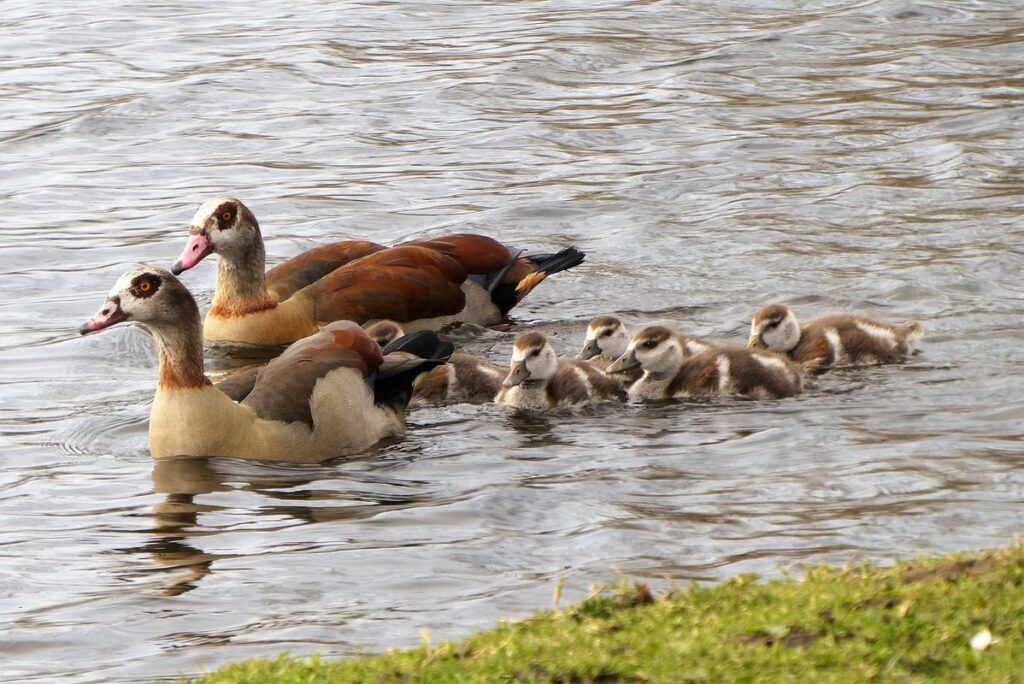
Choosing the Right Species for Your Backyard
When it comes to keeping waterfowl in your backyard, selecting the right species is crucial. You’ll want to consider factors such as climate, space, and noise levels when making this important decision.
Researching Local Regulations and Zoning Laws
Before introducing waterfowl to your backyard, it’s essential to check with local authorities to ensure you’re not violating any regulations. Zoning laws and ordinances can vary significantly depending on where you live, so don’t assume that keeping waterfowl is allowed just because a neighbor has them.
Start by contacting your city or county planning department to inquire about specific rules and restrictions in your area. Be prepared to provide information about the species you’re interested in keeping, as well as the size of your property and how many birds you plan to keep. Some common regulations include permits required for certain species, minimum lot sizes for waterfowl keeping, and noise ordinances that may impact your ability to keep loud birds like geese or ducks.
For example, some cities have specific rules about the number of ducks allowed per acre of land, while others prohibit keeping certain species altogether. By doing your research upfront, you can avoid costly fines or even having to rehome your new feathered friends.
Selecting Suitable Waterfowl for Small Spaces
When selecting suitable waterfowl for small spaces, it’s essential to consider their space requirements and noise levels. Some species, like ducks and geese, can thrive in smaller areas as long as they have access to a pond or pool of water. However, others, such as swans and muscovy ducks, require significantly more space.
Before bringing home any new feathered friends, take note of the recommended space per bird by the species. For example, dwarf Muscovy ducks need about 2-3 square feet per bird, while some breeds of geese can tolerate smaller spaces if they have enough exercise and enrichment opportunities.
Another crucial factor is noise level – waterfowl can be quite vocal, especially in the morning and evening. If you live in a residential area or have close neighbors, consider species that are known for being quieter, such as wood ducks or goldeneye ducks.
Ultimately, it’s crucial to research and understand the needs of any potential new additions before bringing them home.
Preparing Your Backyard for Waterfowl
Before introducing waterfowl to your backyard, it’s essential to prepare a safe and suitable environment that meets their specific needs. Let’s start by reviewing the key steps for creating a welcoming space.
Building a Safe Enclosure or Run
When building a safe enclosure or run for your waterfowl, it’s crucial to prioritize their security and well-being. A secure perimeter will protect them from predators, such as foxes, coyotes, and hawks, while also preventing escape attempts.
For a reliable fencing material, opt for sturdy chicken wire or hardware cloth with openings of 1 inch or smaller. This will prevent your waterfowl from escaping, but also allow you to see inside the enclosure without compromising their safety. Consider using posts spaced 8-10 feet apart and buried at least 12 inches deep to ensure the fence is stable and resistant to digging.
As for size considerations, a good rule of thumb is to provide at least 2-4 square feet of space per bird. However, larger areas are always better, especially if you plan to keep multiple waterfowl together. Make sure to include sheltered areas or nesting boxes to give your birds a safe place to roost and lay eggs.
Additionally, be mindful of potential escape routes. Check the perimeter regularly for any gaps or weaknesses in the fencing, and consider adding extensions to cover areas like gates, doors, or windows.
Providing Adequate Shelter and Cover
Providing adequate shelter and cover is crucial for the well-being of your waterfowl. Wind, rain, and direct sunlight can cause stress, discomfort, and even health issues in birds. Without proper protection, your feathered friends may seek refuge elsewhere, leading to potential escape attempts or injuries.
When it comes to natural shelter options, consider incorporating native vegetation into your yard’s design. Planting shrubs, trees, and bushes with dense foliage provides birds with a sense of security and reduces their reliance on man-made structures. For instance, a thicket of willows or alders can serve as an excellent windbreak.
Man-made shelters, such as coops and aviaries, are also essential for waterfowl care. These structures should be designed to provide protection from the elements while allowing for airflow and natural light. Consider building a coop with a sloping roof to allow snow and rain to run off easily. A predator-proof enclosure is also vital, ensuring your birds’ safety from potential threats like foxes or hawks.
When selecting man-made shelters, prioritize durability, ease of cleaning, and accessibility. Use materials resistant to rot and insect damage, such as cedar or recycled plastic. Ensure the coop’s design allows for easy inspection and maintenance, minimizing the risk of disease transmission. By providing a safe and welcoming environment, you can create a happy and healthy home for your waterfowl.
Water Quality and Hygiene
To keep your waterfowl healthy, maintaining good water quality is crucial – this section will walk you through simple steps to ensure a clean and safe environment.
Understanding Water Requirements for Different Species
As a backyard waterfowl keeper, it’s essential to understand that different species have unique water requirements. This means you’ll need to provide specific volumes, qualities, and circulation levels for each type of bird.
For example, Muscovy ducks require about 1-2 gallons per bird per day, while domesticated geese demand even more at around 3-4 gallons per bird per day. In contrast, swans are known to consume a staggering 5-6 gallons per bird daily.
Not only do the volume needs vary, but so does water quality. For instance, many species of ducks and geese thrive in slightly alkaline water (pH 7-8), while swans prefer neutral pH levels around 7. Water circulation is also crucial; stagnant pools can lead to disease outbreaks. Ensure that your pool’s water turnover rate is at least 10% daily.
When planning for your flock, research the specific needs of each species you plan to keep. This will help prevent overcrowding and ensure each bird has access to sufficient clean drinking water.
Maintaining Cleanliness in the Enclosure and Run
Maintaining cleanliness is crucial in the enclosure and run to ensure the health and well-being of your waterfowl. A regular cleaning schedule should be implemented to remove soiled bedding, uneaten food, and waste. Aim to clean the enclosure at least once a week, but daily if possible.
Proper waste management is also essential. Remove droppings immediately to prevent the buildup of bacteria and ammonia, which can be toxic to your birds. Consider using a droppings board or a designated area for waste disposal. Disinfect any surfaces that came into contact with waste or soiled bedding using a veterinary-approved disinfectant.
In addition to regular cleaning, implement a disinfection protocol after major events such as breeding, molting, or when introducing new birds. This will help prevent the spread of disease and maintain a healthy environment for your waterfowl. For example, you can use a 1:10 dilution of bleach with water to disinfect surfaces, but be sure to rinse thoroughly and ensure the area is dry before allowing your birds to return.
Remember, cleanliness is key in maintaining a thriving and healthy flock.
Nutrition and Feeding
When it comes to keeping waterfowl happy and healthy, proper nutrition is key. In this section, we’ll cover what to feed your birds, including staple foods and treats.
Understanding Waterfowl Dietary Needs
Waterfowl require a balanced diet that meets their specific nutritional needs at various life stages. For example, chicks need a starter feed rich in protein (20-24%) to support rapid growth and development. As they mature into adolescents, their dietary needs shift towards a grower feed with slightly lower protein content (18-22%). Adult waterfowl require a maintenance feed with an even lower protein level (16-18%), which helps maintain muscle mass and overall health.
In the wild, waterfowl forage on aquatic plants, insects, and small invertebrates. To replicate this natural diet, backyard keepers can provide a mix of grasses, aquatic plants, grains, and commercial pellets or supplements specifically formulated for waterfowl. It’s essential to avoid overfeeding, as excess calories can lead to obesity and related health issues.
Keep in mind that individual waterfowl species have unique dietary requirements. For instance, ducks require more calcium than geese to support strong beak growth. Research the specific needs of your waterfowl breed to ensure you’re providing the best possible nutrition for their well-being.
Providing a Balanced Diet: Grains, Fruits, and Vegetables
When it comes to providing a balanced diet for your waterfowl, you’ll want to ensure they’re getting all the necessary nutrients from grains, fruits, and vegetables. Commercial feeds are a convenient option, but many backyard keepers choose to supplement with homemade diets or add fresh produce to their birds’ meals.
Grains should make up a significant portion of your waterfowl’s diet, with options like oats, barley, and wheat providing essential carbohydrates. However, be mindful of the quality and freshness of these grains to avoid spoilage and contamination. Fresh fruits can also provide vital vitamins and minerals; try adding small amounts of berries, melons, or apples to their meals.
Vegetables are another excellent addition, offering fiber, vitamins, and antioxidants. Leafy greens like kale and spinach are great choices, but be sure to introduce new vegetables gradually to prevent digestive upset. Remember, the key is balance: provide a variety of grains, fruits, and vegetables to ensure your waterfowl receive all necessary nutrients for optimal health. Consult with a veterinarian or experienced breeder to determine the best diet plan for your birds’ specific needs.
Health Care and Veterinary Considerations
When caring for waterfowl, it’s crucial to consider their health needs as they age, including vaccinations, parasite control, and regular check-ups with a qualified avian vet. Regular veterinary care can save you from unnecessary stress and costly problems down the line.
Identifying Potential Health Issues in Waterfowl
As a backyard keeper of waterfowl, it’s essential to be aware of common health issues that can affect these beautiful birds. Respiratory infections are one of the most prevalent problems, often caused by bacteria like E. coli or Mycoplasma. Look for symptoms such as labored breathing, wheezing, and discharge from the eyes and nostrils. If you suspect an infection, consult with a veterinarian experienced in caring for waterfowl.
Parasite infestations are another significant concern. Check your birds regularly for signs of mites, lice, or fleas, which can cause skin irritation, feather loss, and anemia. Use a fine-tooth comb to gently inspect the feathers and underbelly for any unwanted critters. Regular cleaning and disinfecting of enclosures can help prevent infestations.
Musculoskeletal problems, such as bumblefoot (a fungal infection affecting the foot pads), are also common in waterfowl. Be mindful of your birds’ living environment and ensure they have adequate space to roam and exercise. Provide a shallow pool for swimming and avoid over-reliance on walking surfaces, which can lead to strain and discomfort.
Establishing a Relationship with a Local Veterinarian
Establishing a relationship with a local veterinarian experienced in caring for waterfowl is crucial to ensure the health and well-being of your birds. Waterfowl have unique needs and requirements that differ from those of other pets, such as chickens or dogs. A specialist can provide guidance on vaccinations, parasite control, and nutrition specific to your species.
To find a specialist or build a relationship with your regular vet, start by asking for referrals from other backyard waterfowl keepers or local bird clubs. You can also search online for veterinarians in your area that have experience with waterfowl care. Once you’ve found a potential candidate, schedule an initial consultation to discuss their experience and approach to caring for waterfowl.
During this consultation, ask about their knowledge of local diseases and parasites that affect waterfowl in your region. A good veterinarian will also be able to advise on vaccination schedules, parasite control measures, and nutrition guidelines specific to your species. Building a strong relationship with your veterinarian will help ensure the health and well-being of your birds.
Handling and Socialization
When introducing new waterfowl into your backyard flock, it’s crucial to consider their social needs and develop a plan for handling them safely and humanely. This section will guide you through those essential steps.
Understanding Basic Waterfowl Behavior and Body Language
When interacting with waterfowl, it’s essential to understand their behavior and body language. Recognizing signs of stress can help you prevent situations from escalating into aggression.
Some common indicators of stress in waterfowl include rapid breathing, restlessness, and avoiding eye contact. If you notice these behaviors, give them space and try to identify the cause. Perhaps they’re being harassed by a neighboring bird or experiencing overcrowding in their enclosure.
Other important signs to recognize are aggressive displays like fanning out their feathers, puffing out their throat, or spreading their wings. These postures can be warning signals that you’re getting too close for comfort. To avoid triggering aggression, move slowly and calmly when approaching your waterfowl, and never attempt to touch them without permission.
When assessing body language, consider the bird’s overall posture. A relaxed duck will often display a slightly tilted head, while a tense bird may have its feathers fluffed up or appear hunched over. Understanding these cues can help you anticipate and respond to potential conflicts.
Building Trust: Tips for Handling and Socializing Young Waterfowl
Building trust with young waterfowl is crucial for their well-being and socialization. Gentle handling from an early age helps them become confident and calm around humans. When introducing yourself to a duckling or gosling, start by letting it come to you – they are naturally drawn to food, so place some of their favorite treats near your feet. As you gain its trust, gently pick up the bird, supporting its body and keeping your hands under its wings. Make sure to move slowly and carefully to avoid startling them.
Positive reinforcement training is also essential for building socialization skills in young waterfowl. Reward them with treats or praise when they exhibit desired behaviors, such as coming when called or calmly tolerating handling. Be consistent with your interactions and provide a safe space for them to retreat if needed. For example, you can place a shelter nearby where the bird can take refuge if it feels overwhelmed.
Remember, patience is key when building trust with young waterfowl. Avoid sudden movements or loud noises, as these can be frightening for them. With gentle handling and positive reinforcement training, you’ll be well on your way to raising confident and socialized birds that will thrive in your backyard.
Additional Considerations for Experienced Keepers
As you’ve gained experience caring for your waterfowl, it’s essential to consider a few key factors that can make all the difference in their health and happiness. This includes specialized housing and socialization requirements.
Managing Large Flocks or Multiple Species
Caring for large flocks of waterfowl can be a daunting task, especially when it comes to managing social dynamics, space requirements, and disease transmission. When you have multiple species or hundreds of birds, their individual needs and personalities become more challenging to balance.
To begin with, consider the social structure of your flock. Waterfowl are social animals that thrive in groups, but introducing new birds can lead to conflicts and stress. Integrate new birds slowly and observe their behavior, separating aggressive individuals if necessary. It’s also crucial to provide enough space for all birds to roam comfortably, both vertically and horizontally. A general rule of thumb is to allocate at least 10-15 square feet per bird indoors and a minimum of 20 square feet per bird outdoors.
When housing multiple species together, be aware that different waterfowl can transmit diseases to each other, such as avian cholera or duck tuberculosis. Quarantine new birds for at least 30 days before introducing them to your main flock, and maintain strict biosecurity measures to prevent disease outbreaks.
Integrating Waterfowl into Your Family’s Lifestyle
As you continue on your waterfowl-keeping journey, it’s essential to integrate these magnificent birds into your family’s lifestyle in a sustainable and enjoyable way. One crucial step is setting realistic expectations about the commitment involved in caring for them.
When introducing waterfowl to your backyard, remember that they require a significant amount of attention, care, and resources. This means allocating dedicated time for feeding, cleaning, and monitoring their health. Be honest with yourself and your family about what you can reasonably handle.
Prioritize responsibilities by delegating tasks among household members. For instance, children can help with simple chores like refilling feeders or collecting eggs from the nesting box. Assigning roles not only spreads the workload but also encourages a sense of ownership and responsibility in caring for these incredible birds. By doing so, you’ll create a harmonious coexistence between your family and waterfowl, ensuring a long-term commitment to their well-being.
To make this integration seamless, consider implementing a routine that balances daily tasks with regular activities like socializing with your flock or observing their behavior. This balance will help maintain a healthy and happy environment for both your family and the birds.
Frequently Asked Questions
What are some common health issues to watch out for in waterfowl, and how can I prevent them?
Common health issues in waterfowl include respiratory problems, parasites, and diseases like avian cholera. To prevent these issues, maintain a clean enclosure, provide a balanced diet, and ensure access to fresh water. Regular veterinary check-ups are also crucial. Consult with your veterinarian about vaccinations and preventative measures for specific species.
How do I introduce new waterfowl to my existing flock without causing stress or conflicts?
Introducing new waterfowl requires careful planning. Quarantine the newcomers for at least 30 days, then gradually introduce them to the main enclosure while supervising their behavior. Provide a safe refuge area for each bird, and ensure a balanced diet is available during the transition period.
What are some tips for handling young waterfowl, especially when they’re still getting used to being handled?
When handling young waterfowl, move slowly and gently, making sure not to startle them. Gradually increase handling time as they become more comfortable. It’s essential to establish trust early on; reward calm behavior with treats, and consider consulting a veterinarian or experienced breeder for guidance.
How often should I clean the enclosure and run, and what are some effective methods for removing waste?
Clean the enclosure regularly, ideally every 7-10 days, depending on waterfowl population size. Remove waste daily, using a combination of manual scooping, wheelbarrows, or even automated cleaning systems. Don’t forget to disinfect all surfaces with a safe and non-toxic solution.
Can I keep multiple species of waterfowl together, or are there specific combinations that don’t work well?
While some species can coexist peacefully, others may not get along due to differences in size, temperament, or territorial behavior. Research compatible pairs or groups before introducing them, considering factors like size, noise levels, and aggression tendencies.