
If you’re a poultry enthusiast or just starting out with your own backyard flock, taking good care of your muscovy ducks is essential for their health and happiness. These unique waterfowl have specific needs that may differ from other breeds, making it crucial to provide the right environment and attention. From providing adequate housing and nutrition to addressing potential health issues and socialization, muscovy duck breed care requires a thoughtful approach. In this article, we’ll cover expert advice on breeding, raising, and handling these fascinating birds, including tips on creating a suitable living space, feeding and supplementing their diet, recognizing signs of illness or stress, and promoting harmonious relationships within the flock. Whether you’re an experienced breeder or just starting out, our comprehensive guide will help you become a confident and compassionate muscovy duck caregiver.
Introduction to Muscovy Ducks
Welcome to our comprehensive guide to muscovy duck breed care! In this next section, we’ll introduce you to these fascinating birds and their unique characteristics.
History and Origin of Muscovy Ducks
The Muscovy duck breed has a rich and fascinating history that spans thousands of years. Originating from South America, specifically in present-day Argentina, Chile, and Uruguay, these ducks were first domesticated by the indigenous people of the region. The name “Muscovy” is actually a misnomer, as they have no connection to Moscow or Russia. In fact, their name likely originated from the Portuguese word “moscovita,” which was used to describe these exotic birds when they were first introduced to Europe.
These ducks were highly prized by the Incas and other South American civilizations for their meat, eggs, and feathers. As European colonizers arrived in the New World, they brought the Muscovy duck back to their homelands, where it quickly gained popularity among hunters and aristocrats. Today, you can find Muscovy ducks on farms and backyards around the world, from North America to Australia. Despite their global reach, however, these birds remain a beloved breed for many due to their unique appearance, robust health, and adaptability to different climates.
Recognizing the Unique Characteristics of Muscovy Ducks
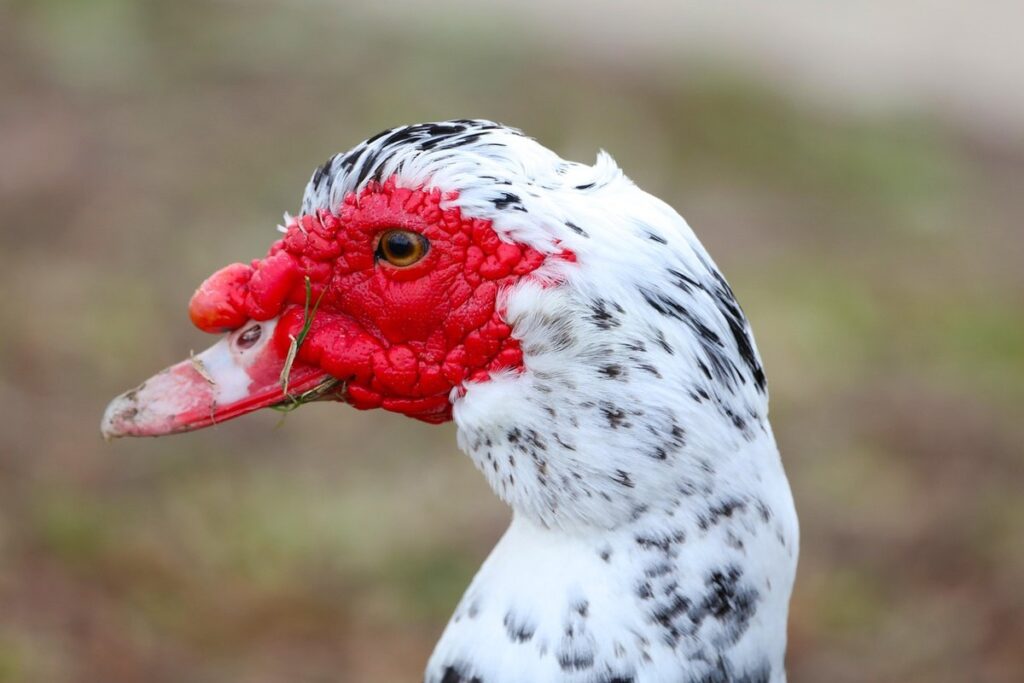
Muscovy ducks are often referred to as “exotic” due to their unique characteristics that set them apart from other duck breeds. One of the most noticeable features is their physical appearance. Muscovy ducks have a distinctive red or black caruncle, which is the fleshy growth on the top of their beak, and they also possess a wattle around their neck. Their feathers are smooth and shiny, with males having a greenish-black sheen to their plumage.
In terms of temperament, muscovy ducks are known for being calm and docile. They can be quite friendly, but may take some time to get used to new environments or people. This makes them an excellent choice for backyard farms or small-scale poultry keepers who want a low-maintenance pet. Muscovy ducks also tend to be more quiet than other breeds, with less quacking and squawking.
Their habits are also worth noting. For instance, muscovy ducks are natural foragers and prefer to roam free rather than being confined to a coop. They require adequate space to move around and exercise, which should be taken into consideration when housing them. Providing enough room to stretch their wings will not only keep them happy but also healthy.
Housing and Enclosures for Muscovy Ducks
When it comes to providing a safe and healthy environment for your muscovy ducks, choosing the right housing and enclosure is crucial. Let’s explore some essential considerations for creating a suitable space.
Providing a Suitable Environment for Muscovy Ducks
When it comes to providing a suitable environment for muscovy ducks, there are several key factors to consider. First and foremost, adequate space is essential. Muscovy ducks require a significant amount of room to move around, stretch their wings, and engage in natural behaviors such as foraging and swimming.
A good rule of thumb is to provide at least 10-15 square feet of enclosure space per bird, with a minimum depth of 4-6 feet to allow for comfortable movement. This will not only help prevent stress and boredom but also encourage exercise and activity.
In addition to sufficient space, muscovy ducks need protection from harsh weather conditions such as extreme heat, cold, and rain. Provide sheltered areas or enclosures that are well-ventilated, dry, and draft-free. You can use netting or tarpaulins to create a waterproof roof and ensure the enclosure is escape-proof.
It’s also crucial to consider the muscovy duck’s natural habitat when designing their living space. Incorporate features such as plants, trees, and water sources to mimic their native environment. This will help reduce stress and promote overall well-being.
Designing a Muscovy Duck-Friendly Enclosure
When designing an enclosure for muscovy ducks, it’s essential to prioritize their unique needs. Muscovies require a significant amount of space to roam and exercise, so the enclosure should be at least 10 feet wide by 20 feet long. A larger area will also help reduce stress and aggression among the birds.
The fencing around the enclosure is crucial to prevent escape attempts and potential predators from getting in. Chicken wire or hardware cloth with openings no smaller than 1 inch are ideal options. Make sure the fence extends at least 3 feet underground to prevent burrowing.
Proper ventilation is also vital for muscovy ducks, as they can be prone to respiratory issues. Ensure the enclosure has adequate windows and doors to provide cross-ventilation. A shelter or coop within the enclosure should offer protection from wind, rain, and direct sunlight.
Incorporating water features like a pond or pool can enhance the muscovies’ quality of life, but ensure it’s easily accessible and free from sharp edges or hazards. With careful planning, your muscovy ducks will thrive in their custom-made enclosure.
Nutrition and Feeding Habits of Muscovy Ducks
When it comes to keeping your muscovy ducks healthy, their diet plays a crucial role in their overall well-being, and choosing the right food is essential. Let’s dive into the specifics of nutrition and feeding habits for this unique breed.
Understanding the Dietary Needs of Muscovy Ducks
To ensure optimal health and well-being, muscovy ducks require a balanced diet that meets their specific nutritional needs. A Muscovy duck’s daily caloric intake should be around 100-120 grams of feed per pound of body weight. This translates to about 4-5 cups of pellets or grains per day for an adult Muscovy.
In terms of protein, muscovy ducks require a diet rich in high-quality protein sources such as fish meal, soybean meal, and wheat gluten. A minimum of 16% protein content is essential, with some breeders recommending up to 20% for optimal growth and health. Calcium and phosphorus are also crucial components, particularly during the breeding season when egg production increases.
A mix of grains like oats, barley, and corn should complement the protein-rich feed, providing essential fiber, vitamins, and minerals. Fresh vegetables like leafy greens, carrots, and sweet potatoes can be added to their diet as treats or supplements. However, it’s crucial not to overfeed, as obesity can lead to health issues in muscovy ducks.
When choosing a commercial feed, ensure it’s specifically formulated for waterfowl, as regular chicken feed may not meet their nutritional needs. Consult with a veterinarian or experienced breeder to determine the best feeding schedule and diet for your Muscovy flock.
Best Foods to Feed Muscovy Ducks
When it comes to feeding Muscovy ducks, providing a balanced diet is crucial for their overall health and well-being. A commercially available duck feed should be the foundation of their diet, as it provides essential nutrients and vitamins. However, supplementing with fruits, vegetables, and grains can add variety and ensure they get all the necessary nutrients.
Some excellent options to consider include leafy greens like kale and spinach, which are rich in iron and calcium. Fresh berries such as strawberries and blueberries provide a sweet treat while also offering antioxidants and fiber. Sweet potatoes and carrots are great sources of vitamin A and potassium. Grains like oats and barley can be given sparingly as treats.
A general rule of thumb is to allocate 50% of their diet to commercial feed, with the remaining 50% consisting of fruits, vegetables, and grains. It’s also essential to provide fresh water at all times, as they can quickly become dehydrated if it becomes stagnant or contaminated. By offering a diverse and balanced diet, you’ll be ensuring your Muscovy ducks lead happy and healthy lives.
Health Considerations for Muscovy Ducks
When caring for muscovy ducks, it’s essential to consider their specific health needs, including common diseases and how to prevent them from affecting your flock. This section will guide you through these critical considerations.
Common Health Issues Affecting Muscovy Ducks
Muscovy ducks are prone to several health issues that can impact their well-being and productivity. Respiratory problems are a common concern for muscovy owners, particularly in hot and humid climates. These birds are susceptible to conditions such as bronchitis, pneumonia, and sinus infections due to their unique anatomy. Their nostrils are placed on the top of their beak, which can lead to breathing difficulties during heat stress.
Parasites like mites, ticks, and lice are also prevalent in muscovy duck populations. Regular cleaning of living areas, changing bedding frequently, and using diatomaceous earth can help control parasite infestations. Moreover, maintaining a balanced diet that includes supplements rich in nutrients is crucial to prevent reproductive issues such as egg binding and poor fertility.
Monitoring your birds’ behavior, watching for signs of illness or stress, and taking preventive measures are key steps towards ensuring the health and happiness of your muscovy ducks. Regular veterinary check-ups can also help identify potential problems before they become major concerns. By staying vigilant and proactive, you can minimize the risk of common health issues affecting your muscovy duck flock.
Preventative Measures for Healthy Muscovy Duck Flocks
Maintaining good flock hygiene is crucial for preventing diseases and keeping your Muscovy ducks healthy. Make sure to provide a clean and safe living environment by regularly removing waste, disinfecting feeders and waterers, and changing bedding material frequently. This will not only keep your ducks free from diseases but also prevent the spread of parasites like mites and lice.
It’s essential to monitor your flock for any signs of disease or illness, such as changes in appetite, droppings, or feather condition. Keep an eye out for common muscovy duck diseases like pasteurellosis, cholera, and avian influenza. If you notice any unusual behavior or symptoms, consult with a veterinarian experienced in treating waterfowl.
Implementing preventative measures is also vital to maintaining a healthy flock. Ensure that your ducks have access to clean, fresh water at all times, and provide them with a balanced diet rich in nutrients. Keep your ducks up-to-date on vaccinations and parasite control measures as recommended by your veterinarian. By following these guidelines, you can minimize the risk of disease and ensure the overall health and well-being of your Muscovy duck flock.
Breeding and Raising Muscovy Ducks
If you’re considering bringing Muscovies into your backyard, learning how to breed and raise them is crucial for their health and well-being. This section will walk you through the process of successfully breeding and raising Muscovy ducks.
Understanding the Reproductive Cycle of Muscovy Ducks
Understanding the reproductive cycle of muscovy ducks is crucial for successful breeding and raising. These birds are prolific breeders, with a unique mating habit that sets them apart from other duck species.
Muscovy ducks are polygynous, meaning one male will mate with multiple females. The male’s role in courtship involves establishing dominance through vocalizations and displays of aggression. Once paired, the female will lay her eggs in a nesting site, usually lined with soft vegetation or feathers.
The reproductive cycle begins around 18-20 weeks of age for females and slightly earlier for males. On average, a muscovy duck lays 100-150 eggs per year, with a clutch size of 10-12 eggs. The female incubates the eggs for about 28 days, although some breeds may have shorter or longer incubation periods.
It’s essential to monitor the reproductive cycle closely, ensuring adequate space and nutrition for both the breeding birds and their offspring. With proper care and management, muscovy ducks can thrive in a backyard setting or commercial operation.
Tips for Successful Breeding and Rearing Muscovy Ducklings
Breeding muscovy ducks requires attention to detail and proper care from the moment they hatch. When raising ducklings, it’s essential to provide a safe and nutritious environment for them to grow and thrive. Start by ensuring the brooder is warm enough – around 90-100°F (32-38°C) during the first week – and well-ventilated.
A good rule of thumb is to have at least one square foot of space per duckling in the brooder. Provide a shallow waterer for drinking, as deep water can be hazardous for young ducklings. A starter feed specifically formulated for ducklings should be provided from day one, with a mix of 18-20% protein.
When introducing live foods like mealworms or crickets, do it gradually to prevent digestive issues. Also, ensure the brooder is equipped with adequate lighting – natural or artificial – as muscovy ducklings need UVB light to develop strong bones and feathers.
Monitor their health closely during this critical period, checking for signs of disease or stress. Keep the brooder clean by removing soiled bedding and disinfecting food and waterers regularly. With proper care and attention, your muscovy ducklings will grow into healthy and robust adult ducks.
Handling and Socializing Muscovy Ducks
When it comes to muscovy ducks, socialization is key to creating a calm and friendly pet that thrives on interaction with its owners and surroundings. Proper handling techniques can make all the difference in their temperament.
Basic Care and Handling Techniques for Muscovy Ducks
When it comes to handling muscovy ducks, it’s essential to exercise caution and gentleness. To safely restrain a muscovy duck, start by placing one hand under the breast and the other behind the legs, with your arms wrapped around its body. This will help prevent injury to both you and the bird.
When lifting a muscovy duck, make sure to support its weight evenly, using your legs rather than your back to avoid straining yourself. Lifting them by their wings or tail can cause harm, so it’s best to prioritize their comfort and safety above all else.
Moving muscovy ducks requires patience and care. Gently guide them in the direction you want them to go, speaking softly to reassure them. If they resist or become agitated, try placing a towel over their head to calm them down before attempting to move them again.
It’s also crucial to be mindful of muscovy duck behavior and body language when handling them. Avoid sudden movements, which can startle or even provoke aggression.
Building Trust with Muscovy Ducks: Importance of Early Socialization
When it comes to building trust with muscovy ducks, early socialization is key. From an early age, these birds need to be exposed to gentle handling and interaction with humans to become confident and calm companions. If not introduced to human touch and voice at a young age, muscovy ducks can grow up to be wary and fearful of people.
To start the socialization process, begin by gently picking up your duckling when it’s around 2-3 weeks old. Handle them for short periods, about 5-10 minutes, several times a day. This helps them become accustomed to being handled and builds trust in humans. Be sure to support their body and legs while holding them, as this will help them feel secure.
As they grow older, you can gradually increase the handling time and introduce new experiences such as nail trimming, wing clipping, and even bathing. The goal is to make these interactions enjoyable for both you and your duck, establishing a strong bond that will last a lifetime. Remember, socialization is an ongoing process, so be patient and consistent in your approach to building trust with your muscovy ducks.
Common Misconceptions and Challenges Faced by Muscovy Duck Keepers
As you embark on keeping muscovies, it’s essential to be aware of common misconceptions and challenges that can arise, often surprising even experienced keepers. These realities are crucial to understanding and overcoming.
Debunking Myths About Muscovy Ducks
Many muscovy duck enthusiasts are unaware of the misconceptions surrounding these fascinating birds. One common myth is that muscovy ducks are extremely loud and will disturb neighbors with their incessant quacking. While it’s true that muscovy ducks do make noise, it’s essential to note that they’re not as vocal as other breeds. With proper care and management, their noise level can be kept under control.
Another misconception is that muscovy ducks are aggressive towards humans and other animals. However, this is often due to poor handling or socialization practices. Muscovy ducks are generally calm and docile, but they do require regular interaction and attention to become trusting of their owners. In fact, many keepers find them to be friendly and affectionate companions.
Finally, some people believe that muscovy ducks are high maintenance pets due to their complex housing needs. However, with a well-designed enclosure and proper care, muscovy ducks can thrive in a variety of settings. By separating facts from fiction, potential owners can make informed decisions about whether the muscovy duck breed is right for them.
Overcoming Challenges in Raising Muscovy Ducks
Raising Muscovy ducks can be a delightful experience, but it’s not without its challenges. One of the most common issues Muscovy duck keepers face is noise complaints from neighbors. These ducks are known for their loud honking, which can be a nuisance to those living nearby. To mitigate this issue, consider placing your Muscovy duck enclosure in a more secluded area or investing in soundproofing materials.
Another challenge you may encounter is fencing issues. Muscovy ducks are notorious escape artists and require sturdy enclosures that can withstand their attempts to flee. Use chicken wire with openings of 1 inch or smaller to prevent them from slipping through, and make sure the fence extends at least 3 feet below ground level to prevent digging.
Predator problems are also a concern when raising Muscovy ducks. These birds are vulnerable to coyotes, foxes, and other predators that may be lurking in your area. To protect your flock, install a secure roof over their enclosure or consider using electric netting to deter predators. By taking these precautions, you can enjoy the benefits of keeping Muscovy ducks while minimizing the risks associated with raising them.
Frequently Asked Questions
Can Muscovy ducks be raised in cold climates?
While Muscovy ducks are generally hardy birds, they do require a certain level of warmth to thrive. If you live in an area with frequent frost or freezing temperatures, it’s essential to provide adequate shelter and heating for your flock. A well-insulated coop or enclosure with access to warm water can help keep them comfortable.
How often should I check on my Muscovy ducks’ health?
Regular monitoring of your Muscovy ducks is crucial to prevent and detect potential health issues early on. Check their droppings, appearance, and behavior daily for any signs of illness, injury, or stress. Consult with a veterinarian experienced in caring for waterfowl if you notice anything unusual.
Can I mix Muscovy ducks with other breeds of domesticated ducks?
While it’s possible to integrate Muscovy ducks into your existing flock, it’s not always recommended. As naturally aggressive birds, they may bully or dominate other duck breeds, especially those that are more docile. Introduce them slowly and under close supervision to ensure a harmonious coexistence.
How do I prevent overeating in my Muscovy ducklings?
Muscovy ducklings can quickly become overweight if fed too much, leading to long-term health problems. Limit their food intake by providing an adequate but not excessive amount of starter feed. Monitor their growth and adjust feeding schedules as needed to maintain a healthy weight.
Can I breed Muscovy ducks on my own without professional guidance?
Breeding Muscovy ducks requires specialized knowledge and experience. Without proper training, you may inadvertently perpetuate genetic defects or health issues in your flock. If you’re interested in breeding, consider consulting with an experienced breeder or taking courses to learn the ropes before embarking on this endeavor.