
As a Pekin duck owner, you know how rewarding it can be to raise these friendly and social birds. However, taking proper care of your feathered friends requires attention to detail and dedication. From their housing needs to their dietary requirements, providing optimal care for your Pekin ducks is essential for their overall well-being.
But where do you start? In this article, we’ll walk you through the ins and outs of caring for your Pekin ducks, covering everything from behavior and housing to nutrition and health considerations. We’ll also dive into breeding tips and maintenance advice to ensure your birds thrive in their environment. With our expert guide, you’ll learn how to create a happy and healthy home for your Pekin duck family, giving them the best chance at a long and fulfilling life.
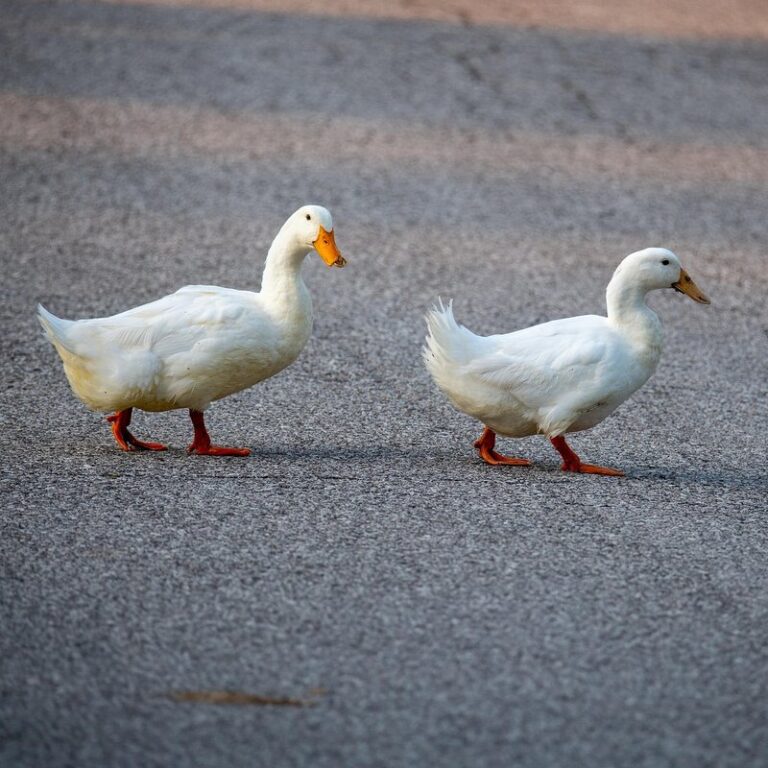
Understanding Pekin Duck Behavior
Understanding Pekin duck behavior is essential for building a strong bond and creating a harmonious home environment. In this section, we’ll explore their natural habits and instincts to help you better connect with your feathered friends.
Recognizing Normal Behaviors
When you’re observing your Pekin ducks’ behavior, it’s essential to recognize what normal behaviors look like. Healthy Pekin ducks exhibit a range of natural actions that are crucial for their well-being.
For example, foraging is a vital activity for Pekin ducks. They should spend time exploring their surroundings, pecking at grass, and searching for insects, seeds, and other treats. This behavior helps them maintain a balanced diet and stay physically active. If you observe your duck roaming around the yard or paddling through shallow water in search of food, this is likely normal behavior.
Social interaction is another vital aspect of Pekin duck behavior. These birds thrive on social contact with their flock members. You may see them swimming together, preening each other’s feathers, and even engaging in playful chasing games. Healthy ducks will also establish a pecking order within the group, which helps maintain harmony among the flock.
By recognizing these normal behaviors, you can better understand your Pekin duck’s needs and create an environment that fosters their physical and emotional well-being.
Identifying Stress and Anxiety Signs
As a Pekin duck owner, it’s essential to recognize the signs of stress and anxiety in your birds. These conditions can manifest physically and behaviorally, making them challenging to diagnose without proper knowledge. One common indicator is changes in appetite, where ducks may eat less or more than usual due to stress. Another sign is alterations in droppings, such as loose or watery stools, indicating gastrointestinal issues often linked to anxiety.
Ducks with stress or anxiety may also exhibit changes in feather condition. You might notice excessive preening, leading to dull or brittle feathers, or conversely, a complete lack of interest in maintaining their plumage. These physical changes can be indicative of emotional distress and warrant prompt attention from you.
To recognize these issues early on, pay close attention to your Pekin duck’s daily behavior and physical condition. Look for unusual patterns in their eating habits, droppings, or feather maintenance. If you suspect stress or anxiety, consult with a veterinarian experienced in waterfowl care to determine the cause and develop an effective plan to address it.
By being vigilant and understanding these subtle changes, you can take proactive steps to ensure your Pekin ducks remain happy and healthy, reducing the risk of stress-related problems down the line.
Housing Pekin Ducks
When it comes to housing Pekin ducks, you’ll want to provide them with a safe and comfortable space that meets their unique needs. We’ll dive into the specifics of duck housing requirements in this section.
Providing a Suitable Environment
When it comes to housing Pekin ducks, providing a suitable environment is crucial for their overall health and happiness. A well-designed shelter and living space can make all the difference in keeping your feathered friends thriving.
First and foremost, ensure that your duck’s shelter has adequate ventilation. This is essential to prevent the buildup of ammonia from their droppings, which can lead to respiratory issues. You can achieve good airflow by providing windows or vents on at least two sides of the enclosure. A simple solution is to install a solar-powered vent that opens and closes automatically.
In addition to ventilation, protect your Pekin ducks from predators like coyotes, foxes, and hawks. Use strong fencing materials around the enclosure, with wire mesh at least 3 feet high to prevent climbing. Also, consider covering any exposed areas with chicken wire or netting. Finally, provide sufficient room for exercise by allocating a spacious area where your ducks can stretch their wings, swim, and engage in natural behaviors.
As a general rule of thumb, plan for about 10-15 square feet per duck inside the shelter, plus an additional 25-30 square feet of outdoor space. This will give them ample room to roam and play without feeling confined or stressed.
Creating a Safe and Stimulating Enclosure
When it comes to creating a safe and stimulating enclosure for your Pekin ducks, there are several essential elements to consider. First and foremost, provide shade for your birds to escape the heat and direct sunlight. You can achieve this by incorporating trees, shrubs, or even a simple canopy into their enclosure.
A water feature is also crucial for Pekin ducks, as they need access to clean drinking water at all times. Consider installing a pond or pool with adequate fencing to prevent escape attempts. Adding rocks, plants, and other aquatic features can make the space more engaging and inviting for your birds.
To keep your Pekin ducks mentally stimulated, incorporate enrichment activities into their enclosure. This could be as simple as providing a sandbox or a designated area for scratching and pecking. You can also rotate toys and objects regularly to prevent boredom and encourage exploration. Consider hiding treats or food items within the enclosure to challenge your birds’ problem-solving skills and promote natural foraging behavior.
Some examples of enrichment activities you can try include:
• Hiding treats among plants or branches
• Creating a “duck agility course” with tunnels, ramps, and obstacles
• Providing a variety of textures, such as sand, grass, and wood shavings
Nutrition and Feeding Tips
When it comes to keeping Pekin ducks healthy, proper nutrition is crucial. Here are some tips on what to feed your birds for optimal health and well-being.
A Balanced Diet for Pekin Ducks
When it comes to feeding Pekin ducks, providing a balanced diet is crucial for their overall health and well-being. These birds require a diet rich in protein, energy, and essential vitamins and minerals. A good quality commercial duck pellets should form the basis of their diet, but it’s also important to provide variety to keep them interested and ensure they’re getting all the nutrients they need.
In addition to pellets, you can supplement their diet with fruits and vegetables such as leafy greens like kale and spinach, carrots, apples, and sweet potatoes. It’s best to introduce new foods gradually to prevent digestive upset, but a varied diet will help keep your ducks healthy and strong. A mix of high-quality grains like oats and barley is also a good addition.
Some essential vitamins and minerals that Pekin ducks require include vitamin D3 for calcium absorption, vitamin E for immune function, and iron for healthy red blood cells. Providing access to fresh water at all times and ensuring their living conditions are clean and dry will also play a significant role in maintaining their overall health.
Water Quality and Hydration
Providing clean water at all times is crucial for the health and well-being of your Pekin ducks. They need access to fresh water for drinking, cleaning their feathers, and taking dust baths. Inadequate water quality can lead to digestive issues, skin problems, and respiratory infections.
To maintain optimal water quality, it’s essential to change the water frequently, ideally every 12-24 hours. Monitor the water for signs of contamination, such as algae growth, sludge buildup, or an unusual odor. If you notice any of these symptoms, change the water immediately. You can also add a water conditioner to remove impurities and prevent bacterial growth.
Additionally, consider using a duck-specific waterer that’s designed to keep the water clean and free from contamination. These waterers have features such as built-in filters or anti-splashing designs that make it easier to maintain cleanliness. By prioritizing water quality and providing your Pekin ducks with fresh, clean drinking water at all times, you’ll be taking a significant step towards keeping them happy and healthy.
Health Considerations
When it comes to keeping Pekin ducks, their health is crucial. This section will cover essential considerations for maintaining your birds’ well-being and spotting potential health issues early on.
Common Health Issues in Pekin Ducks
As a Pekin duck owner, it’s essential to be aware of the common health issues that can affect your birds. Respiratory problems are a frequent concern, especially during cold weather or when ducks are stressed. Look for signs such as labored breathing, coughing, or sneezing. To prevent respiratory issues, ensure good ventilation in their coop and run, provide adequate shelter from wind and rain, and keep the flock’s living area clean.
Parasites like mites, lice, and fleas can also infest your ducks, causing discomfort and disease. Regularly inspect your birds for signs of parasitic infestation, such as excessive scratching or biting at their feathers. Treat any infestation promptly with medicated powders or shampoos specifically designed for poultry.
Injuries are another potential health concern, often caused by accidents while swimming or flying. Keep a close eye on your ducks’ behavior and be prepared to intervene if you notice any unusual limping or reluctance to move. Provide a safe and secure environment, free from hazards like sharp objects or loose wires, to minimize the risk of injury.
By being aware of these common health issues and taking proactive steps to prevent them, you can help keep your Pekin ducks happy and healthy. Regular monitoring and early recognition of warning signs are key to preventing more serious problems from developing.
Vaccination and First Aid
As a Pekin duck owner, it’s essential to prioritize their health and take preventative measures against diseases. Vaccination is a crucial part of maintaining their overall well-being. Consult with a veterinarian to determine the necessary vaccinations for your flock, as vaccination schedules may vary depending on your location and climate.
Basic first aid procedures are also vital in treating minor injuries and illnesses in Pekin ducks. For example, if you notice signs of respiratory distress such as labored breathing or coughing, provide plenty of fresh air and keep their enclosure clean. In the event of a cut or wound, apply gentle pressure with a clean cloth to stop bleeding.
Keep a close eye on your flock’s behavior and watch for any unusual changes in appetite, droppings, or feather condition. If you notice any of these signs, consult with a veterinarian immediately. Keep a first aid kit on hand that includes supplies such as bandages, antibacterial ointment, and tweezers to help treat minor injuries.
Regular veterinary check-ups can also help identify potential health issues early on, allowing for prompt treatment and preventing more severe complications. By prioritizing vaccination and basic first aid procedures, you’ll be well-equipped to provide the best possible care for your Pekin ducks.
Breeding and Rearing Pekin Ducks
When it comes to raising healthy Pekin ducks, understanding how to breed and rear them is crucial for producing strong and robust birds that thrive in your care. This section will walk you through the process step by step.
Choosing a Mate or Gently Handling Ducklings
When it’s time to breed Pekin ducks, choosing the right mate is crucial for producing healthy and robust offspring. Look for a duck with good temperament, strong build, and impressive egg-laying abilities. A quality breeder should be willing to share information about their stock, so don’t hesitate to ask questions.
Gently handling ducklings is also essential to avoid stressing them out. Start by picking up the duckling gently but firmly, supporting its body and keeping it close to your chest. Avoid sudden movements or loud noises that can frighten the duckling. If you need to handle multiple ducklings, make sure to separate them before handling each one individually.
When introducing a new mate to the existing flock, do so gradually to prevent any stress or aggression. Start by keeping the two ducks separated and allowing them to become familiar with each other’s presence through fencing or netting. Once they seem comfortable with each other’s scent, you can introduce them under close supervision. This process should be done slowly over several days to minimize stress on both birds.
A well-handled duckling will grow into a confident bird that is more likely to thrive in its environment. By following these simple steps, you’ll be able to breed and rear healthy Pekin ducks with ease.
Providing the Right Care for Ducklings
When it comes to raising Pekin ducklings, providing the right care during their early days is crucial for their growth and development. New-born ducklings require a controlled environment to thrive, with temperature being one of the most critical factors. The ideal temperature range for ducklings is between 90°F to 95°F (32°C to 35°C) for the first week, gradually decreasing by 5°F (3°C) every week until they reach maturity.
Proper feeding is also essential during this period. Duckling starter feed should be available at all times, and a shallow dish of water should be provided for drinking. It’s recommended to provide a commercial duckling starter feed that contains the necessary nutrients for growth, rather than feeding them bread or other human food. Socialization is equally important, as ducklings learn crucial social skills from their mother and peers.
Monitor your ducklings closely during this period, ensuring they have access to clean water and feed at all times.
Health Checks and Regular Maintenance
Regular health checks are crucial to identify any potential issues early on, so make sure to schedule regular check-ups for your Pekin ducks. This is also a great opportunity to catch up on preventative maintenance tasks.
Performing Regular Health Inspections
Regular health inspections are crucial for maintaining the well-being of your Pekin ducks. These checks allow you to identify potential issues early on, preventing them from escalating into more serious problems. It’s essential to get familiar with your birds’ normal behavior, so you can detect any deviations.
During a regular check, look for signs of illness or stress such as changes in droppings, appetite, or energy levels. Check the ducks’ eyes and beak for any signs of injury or infection. Make sure their feathers are clean and well-groomed, as matted feathers can cause discomfort and lead to further issues.
Perform a health inspection at least once a week, ideally every 3-4 days during peak breeding seasons. If you notice any unusual behavior or physical changes, consult with a veterinarian experienced in poultry care immediately. Keep a record of your inspections to track any changes over time, enabling you to make adjustments to their diet and environment as needed.
Maintaining accurate records is essential for monitoring the health of your Pekin ducks.
Maintaining a Clean Environment
Maintaining a clean environment is crucial for the health and well-being of your Pekin ducks. Their enclosure should be cleaned regularly to prevent the buildup of bacteria, fungi, and other pathogens that can cause disease. Start by removing soiled bedding and replacing it with fresh material such as straw or wood shavings.
Make sure to disinfect all equipment including feeding troughs, waterers, and nesting boxes. You can use a solution of 1 part white vinegar to 9 parts water to effectively kill bacteria and other microorganisms. Always read the instructions on any cleaning products you plan to use and follow them carefully.
Remove waste daily by scooping out droppings and disposing of them in a designated area. This will not only keep your ducks healthy but also prevent the spread of disease among them. It’s also essential to ensure good ventilation in their enclosure to prevent ammonia buildup from their droppings. By maintaining a clean environment, you’ll be ensuring the overall health and happiness of your Pekin ducks.
Additional Tips and Considerations
As you continue on your pekin duck care journey, here are some important additional tips to keep in mind to ensure the happiness and health of your feathered friends.
Managing Temperature Extremes
As we dive into managing temperature extremes for our Pekin ducks, it’s essential to acknowledge the risks associated with hot and cold weather conditions. Prolonged exposure to extreme temperatures can lead to heat stress, frostbite, or even death. When the mercury rises above 80°F (27°C), your Pekin ducks may struggle to regulate their body temperature, leading to dehydration, respiratory distress, and other health issues.
To combat this, provide plenty of fresh water and shade for your birds. You can also create a cooling system by adding misting or sprinkler systems near the coop or run area. In addition, ensure good air circulation within the coop by installing windows or vents to prevent heat buildup. For cold weather conditions, make sure the coop is well-insulated and draft-free, providing adequate bedding to keep your ducks warm.
Consider monitoring local weather forecasts to anticipate extreme temperature fluctuations and adjust your care routine accordingly. This may include adjusting feeding schedules, increasing water intake, or even relocating your flock to a more suitable area during peak heat waves or cold snaps. By taking proactive measures, you can ensure your Pekin ducks stay safe and healthy in any climate.
Preparing for Disasters and Emergencies
When it comes to caring for Pekin ducks, it’s essential to consider not only their health and well-being but also the potential risks associated with unexpected events. As a responsible duck owner, being prepared for emergencies is crucial to ensure the safety of both humans and animals.
Creating a backup plan is a great place to start. Identify potential hazards such as power outages, natural disasters like hurricanes or floods, or even equipment failures that could compromise your ducks’ care. Develop a list of emergency contacts, including your veterinarian, a nearby animal shelter, and local authorities. Store essential items like food, water, and medical supplies in a designated area that’s easily accessible.
In the event of a power outage, have a plan for providing alternative lighting and ventilation to keep your ducks safe and healthy. This might include installing generators or solar-powered lights. Additionally, consider investing in a backup power source for your pond’s filtration system to prevent water quality issues. By being proactive and prepared, you can mitigate potential risks and ensure the well-being of your beloved Pekin ducks.
Frequently Asked Questions
Can I have a mix of ducks and chickens together in the same enclosure?
While it’s possible to keep Pekin ducks with other birds, introducing different species requires careful planning and consideration. Make sure to research compatibility and ensure that the needs of each species are met. For example, chickens may require more space or specific nesting areas. With proper introduction and supervision, a harmonious flock can thrive.
How often should I clean my duck’s living area?
Regular cleaning is crucial for maintaining a healthy environment. Aim to clean your Pekin ducks’ enclosure at least once a week, removing soiled bedding and disinfecting surfaces with a pet-safe cleaner. This will help prevent the spread of diseases and keep your birds happy.
What are some common signs that my Pekin duck may be stressed or anxious?
Stress and anxiety can manifest in various ways, such as feather pecking, excessive quacking, or changes in appetite. Keep an eye out for these behaviors and adjust their environment accordingly. Providing a calm atmosphere, suitable socialization, and adequate resources will help alleviate stress.
Can I provide my Pekin ducks with a self-made diet instead of commercial duck food?
While it’s possible to supplement your Pekin ducks’ diet with fruits, vegetables, and grains, it’s essential to ensure they receive a balanced mix of nutrients. Consult with a veterinarian or experienced breeder to create a custom feeding plan that meets their specific needs.
How can I determine if my Pekin duck is receiving enough water?
Hydration is critical for your Pekin ducks’ health. Ensure access to fresh, clean water at all times and consider using a water quality test kit to monitor pH levels and bacterial growth. Make adjustments as needed to keep the water safe and inviting for your birds.