
Are you one of the lucky owners of a Pilgrim goose or thinking about bringing home these beautiful birds? Caring for Pilgrim geese requires attention to detail and knowledge of their unique needs. As they thrive on a balanced diet, it’s essential to provide them with nutritious food that meets their energy requirements. However, nutrition is just one aspect of caring for your feathered friends. Health considerations are also crucial, from recognizing signs of illness to implementing preventive measures. In this article, we’ll cover the ins and outs of Pilgrim geese care, including housing tips, exercise needs, and health advice, so you can give your birds the best possible life. Whether you’re a seasoned owner or just starting out, our comprehensive guide will walk you through everything you need to know to keep your Pilgrim geese happy and healthy.
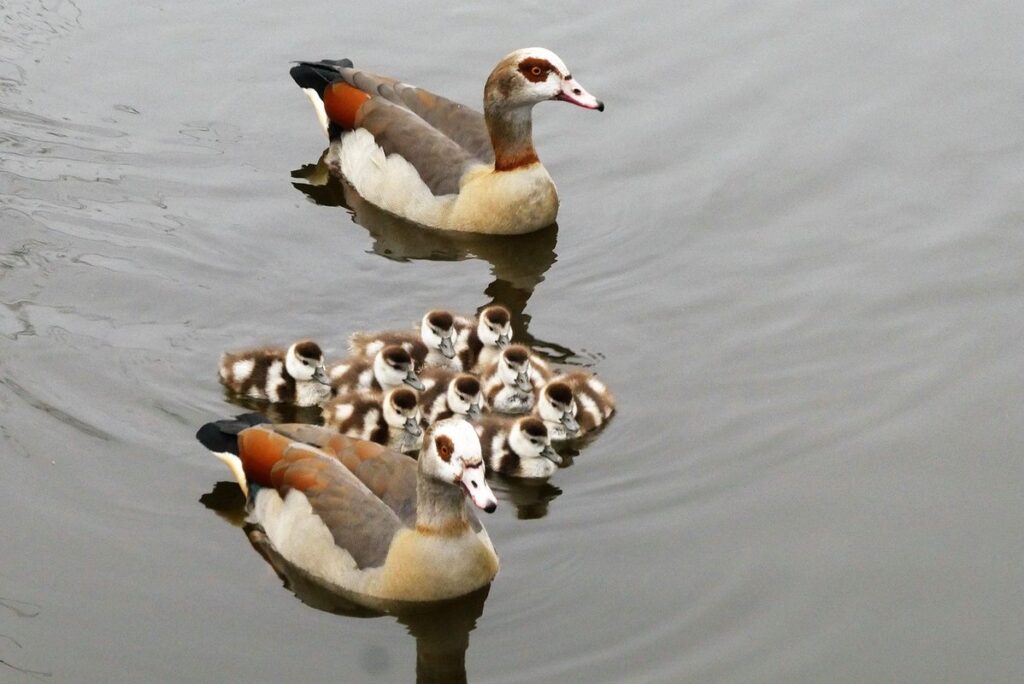
Introduction to Pilgrim Geese
As you embark on caring for your very own Pilgrim geese, it’s essential to understand their unique characteristics and needs. This section will cover the basics of Pilgrim geese behavior and temperament.
History and Origin of Pilgrim Geese
Pilgrim geese have a rich history that dates back to Europe, where they were first bred for their unique characteristics and desirable traits. The Pilgrim breed is believed to be a result of cross-breeding between the Embden and Toulouse breeds, which were brought over by European immigrants in the 18th century. These early birds were known for their exceptional meat quality, hardiness, and ability to adapt to various climates.
As European settlers made their way across the Atlantic to North America, they brought their prized Pilgrim geese with them. The breed quickly gained popularity among farmers and homesteaders due to its impressive growth rate, high egg production, and robust constitution. By the mid-19th century, Pilgrim geese had become a staple in many American farms, particularly in the New England region.
Today, Pilgrim geese are prized by backyard farmers and enthusiasts for their gentle nature, low maintenance requirements, and exceptional meat quality.
Understanding the Needs of Pilgrim Geese
When it comes to caring for pilgrim geese, understanding their unique characteristics and needs is crucial. These magnificent birds are highly social creatures that thrive on interaction with their flock members. In fact, pilgrim geese can become quite aggressive if they’re separated from their companions for extended periods.
To provide the best care for your pilgrim geese, it’s essential to replicate their natural habitat as closely as possible. This includes providing a spacious enclosure or pen where they can roam freely and exercise regularly. A minimum of 10 feet by 20 feet of space per bird is recommended, with adequate fencing to prevent escape attempts.
In addition to physical space, pilgrim geese require mental stimulation to prevent boredom and stress. You can achieve this by providing a variety of toys, such as wooden blocks or swings, and rotating them regularly to keep your birds engaged.
Nutrition for Pilgrim Geese
When it comes to feeding your pilgrim geese, their nutritional needs are crucial for optimal health and well-being. Providing a balanced diet is essential to keep them happy and thriving.
Providing a Balanced Diet
When it comes to providing a balanced diet for pilgrim geese, there’s no room for compromise. A well-planned diet is crucial for maintaining their overall health, energy levels, and reproductive performance.
Commercial feed should form the foundation of their diet, but you can’t just settle for any ordinary mix. Look for high-quality feed specifically formulated for waterfowl or geese. These feeds are designed to meet their unique nutritional requirements, including a balanced ratio of protein, fat, and fiber.
Supplements can also play a vital role in ensuring they get the nutrients they need. For example, adding a small amount of calcium-rich oyster shells to their feed can help support strong beak growth and eggshell production. Similarly, providing a source of vitamins A, D, and E through supplements or fortified foods can help boost their immune system.
Remember, it’s essential to strike the right balance between commercial feed and supplements. Over-supplementation can lead to health problems, while under-supplementation may not provide the necessary nutrients for optimal growth and development. Start by following the manufacturer’s guidelines and adjust as needed based on your geese’s individual needs.
Fresh Fruits and Vegetables in Their Diet
When it comes to providing pilgrim geese with a balanced diet, incorporating fresh fruits and vegetables is an essential aspect of their nutrition. Fresh produce not only adds variety to their meals but also provides them with essential vitamins, minerals, and antioxidants.
Some safe options for fresh fruits that can be introduced into your pilgrim goose’s diet include leafy greens like kale and spinach, berries such as strawberries and blueberries, and citrus fruits like oranges and lemons. On the other hand, some vegetables that can be safely given to pilgrim geese are carrots, sweet potatoes, and bell peppers.
However, it is crucial to exercise caution when introducing new foods into your pilgrim goose’s diet. Some common risks associated with fresh produce include overfeeding, which can lead to digestive issues and obesity, as well as potential allergens such as cherry pits or seeds that can cause respiratory problems if ingested.
When incorporating fresh fruits and vegetables into their diet, remember to introduce them gradually to prevent digestive upset. Start with small amounts and observe your pilgrim geese for any adverse reactions before increasing the portion size.
Health Considerations
When caring for pilgrim geese, it’s essential to be aware of potential health issues that may arise, such as respiratory problems and lameness. Regular check-ups can help prevent these conditions from developing.
Common Health Issues Affecting Pilgrim Geese
As a responsible pilgrim goose owner, it’s essential to be aware of common health issues that can affect your feathered friends. Respiratory problems are one of the most prevalent issues affecting pilgrim geese. This is often caused by inhaling dust, mold, or bacteria in their enclosure. Symptoms include labored breathing, wheezing, and coughing.
Feather plucking is another common issue that can be a sign of stress, boredom, or nutritional deficiencies. Geese may pull out their own feathers due to anxiety or frustration. In severe cases, feather plucking can lead to skin irritation and infection. To prevent this, ensure your geese have plenty of space to move around, engage in activities, and receive adequate nutrition.
Regular check-ups with a veterinarian experienced in caring for waterfowl are crucial in identifying potential health issues early on. Keep an eye out for any changes in behavior or appearance, and take action promptly if you notice anything unusual. By being vigilant and proactive, you can help keep your pilgrim geese healthy and happy.
Preventative Measures for a Healthy Flock
Preventing illnesses and maintaining a healthy flock is crucial for the well-being of your Pilgrim geese. One essential aspect of preventative care is regular vaccinations. Consult with a veterinarian to determine the best vaccination schedule for your birds, as it may vary depending on factors such as age, location, and disease prevalence in your area.
In addition to vaccinations, parasite control is also vital. Regularly inspect your geese’s droppings for signs of internal parasites like coccidiosis or gapeworm. Keep their living quarters clean by removing soiled bedding and disinfecting areas where they eat and drink. Provide a balanced diet that includes adequate amounts of protein to support their immune system.
You can also use diatomaceous earth, a non-toxic powder, to control external parasites like mites and lice. Mix it with water according to the manufacturer’s instructions and sprinkle it in their living area or dust it directly onto their feathers. Remember to always follow safety precautions when handling any new substance around your birds.
Regular check-ups with a veterinarian can also help identify potential issues early on, allowing for timely intervention. By staying on top of vaccinations and parasite control, you’ll be well on your way to maintaining a healthy flock of Pilgrim geese.
Housing and Living Conditions
When it comes to providing a comfortable home for your pilgrim geese, their living quarters play a crucial role in maintaining their health and happiness. Let’s explore the ideal housing options for these feathered friends.
Coop Design and Size Requirements
When it comes to housing your pilgrim geese, providing them with adequate space and proper ventilation is crucial for their health and well-being. A minimum coop size of 2×4 feet per pair of geese is recommended, but larger coops are always better.
In addition to space, good ventilation is essential to prevent ammonia buildup from the geese’s droppings. You can achieve this by installing windows or vents that provide cross-ventilation and allowing fresh air to circulate through the coop. This will also help to reduce humidity levels, which can lead to respiratory problems in geese.
When it comes to sanitation, it’s essential to keep your coop clean and free of debris. Remove soiled bedding material regularly, and replace it with fresh material such as straw or wood shavings. A drop door or easy access to the run will also make cleaning a breeze.
As a general rule, try to ensure that your geese have at least 3 square feet of outdoor space per bird in the run area. This allows them to exercise freely and engage in natural behaviors like foraging and scratching. By providing adequate space and ventilation, you’ll be giving your pilgrim geese the best possible start in life.
Enclosure and Fencing Requirements
When it comes to providing a safe and secure environment for your Pilgrim geese, creating an adequate enclosure and fencing system is crucial. This will not only prevent them from escaping but also protect them from potential predators such as foxes, coyotes, or hawks.
A good rule of thumb is to provide at least 10-15 square feet of space per bird in the enclosure. This can be achieved by using a sturdy fence with openings no larger than 1 inch wide and spaced 12 inches apart for the bottom section. The top should be secure and extend at least 3 feet above the geese’s wingspan to prevent flying out.
When integrating your Pilgrim geese with other animals, it’s essential to consider their compatibility. For example, if you have chickens or ducks in a nearby enclosure, ensure that they are not competing for food or creating stress among each other. Provide enough space and resources for all the animals, and closely monitor their behavior to prevent any conflicts.
In areas prone to strong winds or extreme weather conditions, consider using reinforced fencing materials such as metal or wood to maintain stability. Regularly inspect your enclosure for damage and make necessary repairs to keep your Pilgrim geese safe and secure.
Grooming and Socialization
When it comes to caring for your Pilgrim geese, proper grooming and socialization are crucial for their overall health and well-being. Regular care will keep them happy and thriving.
Basic Grooming Techniques
As you care for your pilgrim geese, it’s essential to maintain their overall health and well-being through regular grooming. This includes nail trimming and wing clipping, two crucial aspects of basic grooming techniques.
When it comes to nail trimming, it’s vital to keep an eye on your goose’s nails, as overgrowth can lead to discomfort and difficulty walking. You’ll need a good pair of nail clippers specifically designed for birds. Hold the goose firmly but gently, making sure not to stress them out. Trim just the tip of each nail, taking care not to cut too short – this can cause pain.
For wing clipping, you’ll want to remove the sharp edges from the primary flight feathers on one side only, to prevent flying away or injury. Be cautious when handling your goose’s wings, as they may nip if frightened. For both tasks, it’s recommended to have a second person assist for support and safety. Regular grooming sessions will become less stressful with practice and patience.
Socializing Young Geese
Socializing young pilgrim geese to humans and other animals is crucial for their development and well-being. From an early age, these birds should be introduced to various environments, people, and other animals to help them become confident and calm in new situations.
Begin by spending time with your goslings, handling them gently and frequently. This will help them associate human touch with positive experiences. You can start with short periods of interaction, gradually increasing the duration as they grow accustomed to being handled.
To encourage bonding between your pilgrim geese and other animals, such as dogs or cats, introduce them slowly under close supervision. Reward calm behavior with treats and praise, while avoiding sudden movements that might frighten the birds.
As your goslings mature, involve them in daily activities like feeding and cleaning their enclosure. This will not only strengthen your bond but also teach them important skills for a happy and healthy life. By investing time and effort into socializing your young pilgrim geese, you’ll be setting them up for a lifetime of enjoyment and interaction with humans and other animals.
Troubleshooting Common Issues
We know that even with proper care, pilgrim geese can still experience issues – and that’s why we’re covering common problems you may encounter in your backyard flock. Let’s go through some solutions together!
Identifying and Addressing Behavioral Problems
Identifying behavioral problems in pilgrim geese is crucial to providing effective care. Aggression and escape attempts are common issues that arise due to various reasons such as overcrowding, inadequate space, or lack of mental stimulation. Watch for signs like hissing, flapping, or chasing other birds. Escape attempts can be a result of boredom or curiosity.
To address these problems, ensure the geese have sufficient space to move around and engage in natural behaviors like foraging and flying. Provide toys and puzzles that challenge their minds and offer variety. Rotate their environment regularly to prevent monotony.
For aggressive behavior, try separating the bird from its companions and introducing it gradually to social interactions. Reward calm behavior with treats. Be patient, as resolving behavioral issues takes time. Regular observation and adaptation of your care strategies will help you anticipate and address potential problems before they escalate.
Common Questions and Answers about Pilgrim Geese Care
One of the most common concerns among Pilgrim geese owners is ensuring their birds receive adequate care. We’ve compiled a list of frequently asked questions to address some of the most pressing issues.
Q: How much space does my Pilgrim goose need? A: Provide at least 10 square feet of enclosure space per bird, taking into account vertical and horizontal room for movement. Consider a minimum of 2x4x6 feet for a single adult goose.
Q: What’s the best way to keep my Pilgrim geese healthy? A: Offer a balanced diet rich in fresh fruits, vegetables, and whole grains. Supplement with calcium and vitamin D3 during breeding seasons or when birds show signs of deficiency.
Q: How do I recognize illness in my Pilgrim geese? A: Monitor for symptoms like labored breathing, lethargy, loss of appetite, and changes in droppings. Consult a veterinarian experienced in avian care if you suspect illness.
Remember, prevention is key to maintaining healthy Pilgrim geese. Regular health checks, proper housing, and nutritional attention will go a long way in minimizing potential issues.
Frequently Asked Questions
How often should I provide fresh water for my Pilgrim geese?
Fresh water is essential for your birds’ health, so make sure to change the water frequently throughout the day. Aim to change it at least 2-3 times a day, depending on the temperature and humidity levels in their enclosure.
Can Pilgrim geese be kept as solo pets, or do they require a flock?
While it’s possible to keep a single Pilgrim goose as a pet, it’s essential to provide them with social interaction. If you can’t have multiple birds, consider getting another companion within the same breed to prevent boredom and loneliness.
What should I do if my Pilgrim geese are escaping from their enclosure?
If your birds manage to escape, quickly check for any open gates or holes in the fence. Block off any entry points and secure the area until you can inspect it thoroughly. Consider adding additional fencing or netting around the perimeter of their enclosure.
Can I provide table scraps as treats for my Pilgrim geese?
While it’s tempting to share food with your feathered friends, avoid giving them table scraps that are high in salt or fat. Stick to nutrient-rich treats like leafy greens and fruits specifically designed for poultry.
How can I identify signs of illness in my Pilgrim geese, especially during the first few weeks after introducing new birds?
Keep an eye out for changes in appetite, droppings, or feather condition. Monitor their overall behavior, as a decrease in social interaction or unusual vocalizations could indicate stress or underlying health issues. Consult with your veterinarian if you notice any of these symptoms.