
Are you considering bringing home a feathered friend, or perhaps you’re already raising runner ducks but want to ensure they live their best lives? Either way, providing top-notch care is crucial for these delightful waterfowl. As any duck owner will attest, happy and healthy runners require more than just swimming pools and treats – they need proper housing, nutritious diets, and regular health checks.
In this comprehensive guide, we’ll walk you through the essentials of runner duck care, covering everything from setting up their ideal home to training them for a harmonious coexistence with humans. By the end of this article, you’ll be well-equipped to provide your runners with the happy, healthy life they deserve – and that’s no fowl play!
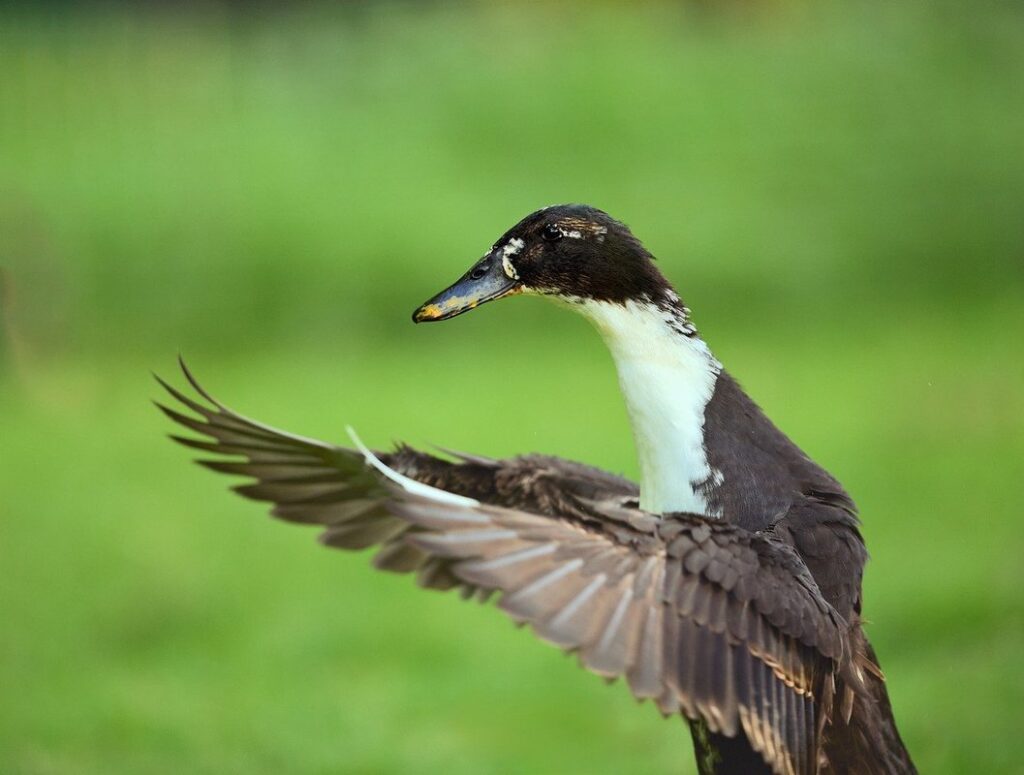
Understanding Runner Ducks
As you delve into caring for your new feathered friends, it’s essential to understand their unique characteristics and needs as runner ducks are quite different from other domesticated duck breeds. Let’s explore what makes them special.
Origin and History of Runner Ducks
Runner ducks have been around for thousands of years, with their origins dating back to ancient China. They were highly valued as a food source and were often kept on farms and estates. The name “runner” comes from the fact that they are able to run quickly when frightened or threatened.
It’s believed that European farmers introduced runner ducks to England in the 16th century, where they became popular among gamekeepers who used them to control pests and add variety to their hunting parties. Over time, breeders selectively bred the ducks for their distinctive appearance and temperament, resulting in the many different types of runner ducks we see today.
Some historians believe that the modern runner duck is descended from a single breed developed by the Romans, while others argue that it’s a combination of several ancient breeds. Regardless of its exact origins, it’s clear that the runner duck has been domesticated for thousands of years and has become an integral part of many different cultures around the world.
One of the most interesting things about runner ducks is their ability to thrive in both hot and cold climates, making them a popular choice for farmers and backyard enthusiasts alike. Whether you’re looking to add some variety to your farm or simply want a unique pet, the runner duck is definitely worth considering.
Runner Duck Temperament and Personality
Runner ducks are known for their lively and outgoing personalities. They are social birds that thrive on interaction with their human caregivers as well as other duck breeds. In a flock, runner ducks are often the first to explore new areas and can be quite vocal about their findings.
One of the most notable traits of runner ducks is their ability to bond strongly with humans. They have been known to form close relationships with their owners and even recognize them by voice or appearance. However, this strong social nature also means that runner ducks require regular attention and interaction to prevent boredom and stress.
In terms of social behavior, runner ducks are generally peaceful and get along well with other duck breeds. However, as with any flock dynamics, introducing new birds requires careful consideration and a gradual introduction process to ensure a smooth transition.
To encourage positive interaction between your runner ducks and humans, consider spending time with them daily, engaging in activities such as feeding, grooming, or simply playing together. This will help build trust and strengthen the bond between you and your feathered friends.
Choosing the Right Runner Duck for Your Family
When selecting a runner duck breed for your family, it’s essential to consider several factors. First and foremost, think about the space you have available for your ducks. Some breeds are more compact and can thrive in smaller backyards, while others require a lot of room to roam.
For example, the Blue Swedish runner duck is a popular choice for small spaces due to its relatively small size and gentle nature. On the other hand, the Khaki Campbell runner duck requires more space to move around and exercise, making it better suited for larger properties or farms.
Climate is another crucial factor to consider. Some breeds are more tolerant of extreme temperatures than others. If you live in an area with cold winters, look for breeds that have a thick layer of feathers to keep warm, such as the Rouen runner duck.
Ultimately, your experience level and personal preferences also play a significant role in choosing the right breed. For beginners, it’s often best to start with a hardy and easy-to-care-for breed like the Wood or Silver Appleyard runner duck.
Remember to research different breeds thoroughly and consider factors such as noise levels, egg-laying habits, and any potential health issues specific to certain breeds. This will help ensure you find the perfect fit for your family’s needs.
Housing and Enclosure Requirements
When it comes to providing a happy and healthy home for your runner ducks, their housing and enclosure requirements are essential considerations to get right. A well-planned space will keep them safe and thriving.
Providing a Safe and Healthy Environment
When it comes to providing a safe and healthy environment for your runner ducks, there are several key considerations. First and foremost, you’ll need to ensure that their enclosure is spacious enough to accommodate their active lifestyle. A good rule of thumb is to provide at least 10 square feet of outdoor space per duck, with adequate shelter from the elements.
In terms of shelter, it’s essential to provide a sturdy coop or hut that can protect your ducks from wind, rain, and predators. The coop should be well-ventilated, dry, and free from drafts, and should have secure doors and windows to prevent escape and predator entry. You’ll also want to consider adding some additional features, such as nesting boxes for the females and perches for roosting.
In addition to a safe and healthy enclosure, you’ll need to take steps to protect your ducks from predators. This can include installing fencing around the perimeter of the enclosure, using mesh or hardware cloth to cover any gaps or openings, and keeping an eye out for potential threats such as foxes, coyotes, and hawks. By following these guidelines, you can help create a safe and healthy environment for your runner ducks to thrive in.
Tips for Building an Optimal Runner Duck House
When it comes to creating an optimal runner duck house, there are several key design considerations to keep in mind. First and foremost, ventilation is crucial for keeping the air fresh and healthy for your ducks. Ensure that the house has adequate windows and doors to allow airflow, but also provide some shelter from wind and rain.
Consider building a sloping roof to prevent water accumulation and make cleaning easier. You’ll also want to add perches for your ducks to roost on at night, as well as nesting boxes for egg-laying females. These should be placed securely and out of reach to avoid any damage or escape attempts.
In terms of accessibility, aim for a house design that allows you to easily clean the coop and change bedding without having to step inside. This might involve adding a door or gate at one end, or incorporating removable walls or panels. For example, some farmers use plastic-coated chicken wire to create a removable wall that can be easily lifted out for cleaning.
Remember to consider local building regulations and zoning restrictions before starting your project. With careful planning and attention to detail, you’ll have a safe and healthy home for your runner ducks in no time!
Nutrition and Feeding Habits
When it comes to caring for your runner duck, proper nutrition is key. This section will cover the best foods to feed them, including what to supplement and how often to feed.
A Balanced Diet for Runner Ducks
When it comes to runner duck care, providing a balanced diet is crucial for their overall health and well-being. As omnivores, runner ducks require a diverse range of nutrients from different food groups.
A good starting point is to ensure they have access to high-quality grains such as oats, barley, and wheat. These should make up the bulk of their diet, approximately 50-60%. You can supplement this with vegetables like leafy greens (kale, spinach), carrots, and sweet potatoes. Fruits are also a great addition, but introduce them in moderation due to high sugar content.
Incorporating protein sources is vital for runner ducks. Consider adding mealworms, sunflower seeds, or even hard-boiled eggs as treats or mix-ins. Aiming for 20-30% of their diet from protein will help maintain optimal health. Fresh water should always be available, and consider a calcium supplement to support strong bone development.
When introducing new foods, do so gradually to prevent digestive upset. Aim to provide variety throughout the day, but don’t overdo it – a balanced mix of 2-3 main staples is key.
Supplementing with Treats and Fruits
When it comes to supplementing your runner duck’s main diet with treats and fruits, it’s essential to get the balance right. These extras can provide valuable nutrients and mental stimulation, but overfeeding on them can lead to weight gain and other health issues.
A good rule of thumb is to limit treats to about 10% of their daily calorie intake. For example, if your duck requires around 100 grams of food per day, you could offer up to 10-15 grams of treats. Focus on nutrient-rich options like chopped carrots, leafy greens, and berries. Avoid giving too many high-calorie items like bread or sugary snacks.
Fresh fruits can be a great way to add variety to your duck’s diet. Try offering sliced apples, oranges, or grapes as an occasional treat. Just remember to remove seeds, pits, and stems before serving, as these can cause digestive problems.
When introducing new foods, do it in moderation and monitor your duck’s reaction. Some birds may have sensitivities or allergies, so keep a close eye on their behavior and adjust accordingly. By being mindful of portion sizes and choosing the right treats, you can provide your runner duck with healthy and enjoyable supplemental nutrition.
Health and Hygiene Considerations
When it comes to keeping your runner ducks healthy, it’s essential to establish a solid routine for cleaning their enclosure, feeding, and preventing illness. We’ll cover the basics of health and hygiene to get you started.
Common Health Issues in Runner Ducks
Runner ducks are prone to various health issues that can be prevented or managed with proper care and attention. One of the most common problems is respiratory infections, which can be caused by bacteria, viruses, or parasites such as mites or ticks. Keep an eye out for symptoms like labored breathing, wheezing, or a productive cough.
Nutritional deficiencies are another concern, particularly when it comes to calcium and vitamin D3. Runner ducks need a balanced diet that includes plenty of fresh vegetables, fruits, and grains. A lack of these essential nutrients can lead to soft-shelled eggs, weak bones, or even rickets in young birds.
Parasites like internal worms and lice are also common in runner duck flocks. Regular monitoring for signs such as weight loss, diarrhea, or excessive scratching is crucial. Use deworming medication as directed by a veterinarian and maintain clean living conditions to prevent re-infestation.
Lastly, be aware of diseases like avian cholera and botulism, which can spread quickly through contaminated food or water. Keep your runner ducks’ environment free from potential hazards, ensure they have access to clean drinking water at all times, and monitor their health closely to catch any issues early on.
Maintaining Good Hygiene and Sanitation Practices
Maintaining good hygiene and sanitation practices is crucial for keeping your runner ducks healthy. This includes regularly cleaning their enclosure to prevent the buildup of bacteria and diseases.
Start by removing soiled bedding material from the enclosure, then disinfect it using a solution of 1 part white vinegar to 9 parts water. Allow the area to air dry completely before adding fresh bedding material. It’s also essential to handle waste properly, as runner ducks are prone to picking up and carrying diseases in their beaks.
To do this, use gloves to collect and remove any droppings or uneaten food from the enclosure. Dispose of these immediately, making sure to wash your hands thoroughly afterwards with soap and warm water. Ensure that you provide adequate access to clean drinking water for your ducks at all times. A good rule of thumb is to change the water frequently enough so that it’s not standing in the enclosure by the next day.
Regular cleaning and sanitation practices will help keep your runner ducks healthy, happy, and thriving.
Training and Socialization
When it comes to runner duck care, training and socialization are crucial elements that will shape your feathered friend’s personality and behavior. Let’s explore how to train and socialize your runner ducks.
Basic Training Commands for Runner Ducks
Training your runner duck to respond to basic commands is an essential part of their care and socialization. With patience and consistency, you can teach your feathered friend to walk on a leash, recall to your side when called, and even reduce aggression towards people or other animals.
To start with leash training, choose a quiet area with minimal distractions and let your duck get used to wearing a harness. Begin by letting them explore the area while attached to a long lead rope, then gradually introduce short walks on a leash. Make it a game by rewarding them with treats for good behavior.
Recall training is equally important, especially if you plan to take your runner duck off-leash or in situations where they might get lost. Call their name and reward them with treats when they respond. Gradually increase the distance between you and your duck while still using their name to reinforce recall.
Reducing aggression in runner ducks requires patience, consistency, and positive reinforcement training. Avoid punishing or scolding your duck for aggressive behavior, as this can create more problems. Instead, focus on rewarding calm behavior and ignoring any aggressive outbursts. With time and practice, your runner duck will learn to associate friendly interactions with positive outcomes.
Socializing Your Runner Duck
Socializing your runner duck is an essential part of their overall care and well-being. As they grow and mature, it’s crucial to introduce them to various environments, people, and animals to help them develop good social skills.
When introducing a new person to your runner duck, start by allowing them to get familiar with the individual’s scent and voice. Let the person sit quietly near their enclosure for a few minutes before interacting with them directly. This will help your duck become accustomed to the new presence. Gradually increase face-to-face interactions, always supervising to ensure both parties are comfortable.
Introducing other animals requires patience and caution. Start by keeping them separated until they seem calm around each other’s scents and sounds. Begin supervised interactions in a controlled environment, monitoring their behavior closely for signs of stress or aggression. For new environments, acclimate your runner duck to their new surroundings gradually, allowing them time to explore and adjust before placing them in full access.
This process can take time, so be patient with your feathered friend as they navigate these new experiences.
Breeding and Raising Runner Ducklings
Raising runner ducklings can be a fun and rewarding experience, but it requires careful attention to their needs during the first few weeks of life. In this section, we’ll guide you through the process of breeding and raising healthy ducklings.
Choosing the Right Mating Pair
When it comes to breeding runner ducklings, selecting the right mating pair is crucial for achieving optimal results. This involves considering several key factors, including genetics, temperament, and health.
Genetics play a significant role in determining the characteristics of your offspring. You’ll want to choose parents with desirable traits such as egg-laying ability, growth rate, and feather quality. Researching the pedigree of your ducklings can help you identify potential genetic strengths or weaknesses. For example, if you’re looking for ducks that are resistant to certain health issues, you may want to select parents who have demonstrated this trait.
Temperament is also an essential consideration when selecting a mating pair. You’ll want to choose ducks that are friendly, docile, and easy to manage. This will not only make the breeding process easier but also ensure that your offspring have good personalities. Observe how your potential breeding stock interacts with each other and with humans – ideally, they should be calm and non-aggressive.
Health is another critical factor to consider when selecting a mating pair. Look for ducks that are free from any underlying health issues and have a strong immune system. Regular health checks and vaccinations can help identify any potential problems early on. By choosing parents who are healthy and robust, you’ll be more likely to raise ducklings with similar characteristics.
In terms of specific traits to look for in your mating pair, consider factors such as egg-laying ability, growth rate, feather quality, and disease resistance. You may also want to prioritize ducks that are suitable for the climate and conditions in which they will be raised. By carefully selecting your breeding stock, you can increase the chances of raising healthy, thriving ducklings.
Ultimately, choosing the right mating pair is a personal decision that depends on your specific goals and priorities as a breeder. It’s essential to research, observe, and evaluate potential breeding stock before making a final selection. With careful consideration and attention to detail, you can select a mating pair that will help you achieve optimal breeding results.
Caring for Newborn Runner Ducklings
When you bring home newborn runner ducklings, it’s essential to provide them with the right environment and care to ensure they grow strong and healthy. The first few weeks of life are critical for their development, so let’s dive into the details of caring for these adorable little balls of fluff.
First things first, feeding is crucial at this stage. Runner ducklings need a diet rich in protein and energy to support their rapid growth. You can provide them with a starter feed specifically formulated for waterfowl, which should be available at your local poultry supplier or online. Make sure to follow the instructions on the packaging regarding the recommended amount of feed per duckling.
A warm and safe place to live is also vital. A brooder is an ideal setup for newborn runner ducklings, providing a controlled environment with a heat source, ventilation, and protection from drafts. Keep the temperature between 90°F and 95°F (32°C and 35°C) during the first week, then gradually reduce it by 5-10°F (3-6°C) each week.
Keep a close eye on your ducklings’ growth and development by monitoring their weight, appetite, and behavior. Make sure they have access to clean water at all times, and check for any signs of illness or injury. With proper care and attention, your newborn runner ducklings will thrive under your watchful eye.
Frequently Asked Questions
What if I have limited space for a runner duck enclosure – can I still keep them as pets?
Yes, it’s possible to raise runner ducks in smaller spaces with proper planning and design. Consider using vertical space by building upward or using a compact enclosure that provides adequate room for your runners to move around comfortably.
How often should I clean the water system and what methods are recommended for keeping it fresh?
Regularly cleaning the water system is crucial to prevent bacterial growth and keep your runner ducks healthy. Change the water completely every 2-3 days, and scrub the containers with a mild detergent to remove any residue.
Can I feed my runner ducks table scraps or leftovers from cooking as treats?
No, it’s not recommended to give your runner ducks table scraps or leftover food, as this can lead to nutritional imbalances and health issues. Instead, stick to healthy supplements like fruits, vegetables, and specially formulated duck pellets.
How do I ensure the temperature is suitable for my runner ducks, especially during extreme weather conditions?
Runner ducks prefer temperatures between 40°F (4°C) and 80°F (27°C). During hot summer days, provide shade and plenty of fresh water to prevent heat stress. In colder months, make sure they have access to a draft-free area with adequate insulation.
What are some essential supplies I should have on hand when caring for my runner ducklings?
When raising new ducklings, it’s crucial to have essential supplies ready, such as a brooder or heating lamp, starter feed, and a heat source. Also, make sure you have a first-aid kit handy in case of any accidents or emergencies.