
If you’re one of the many people who have fallen in love with these adorable birds, then you’re probably eager to learn how to properly care for your runner ducks. These charming creatures bring so much joy and entertainment to our lives, but their care requires attention to detail to ensure they stay healthy and happy. As a responsible runner duck owner, it’s essential to understand the basics of housing, nutrition, health, behavior, and safety precautions that will help you provide the best possible life for your feathered friends. In this comprehensive guide, we’ll walk you through everything you need to know about caring for your runner ducks, from creating a suitable living environment to recognizing potential health issues and taking preventative measures to keep them safe.
Understanding Runner Ducks
If you’re new to runner ducks, it’s essential to understand their unique characteristics and behaviors that set them apart from other duck breeds. Let’s dive into what makes these birds so special.
What are Runner Ducks?
Runner ducks are a popular breed known for their distinctive appearance and energetic personalities. Originating from England in the 19th century, these ducks were bred specifically for their meat production and egg-laying capabilities.
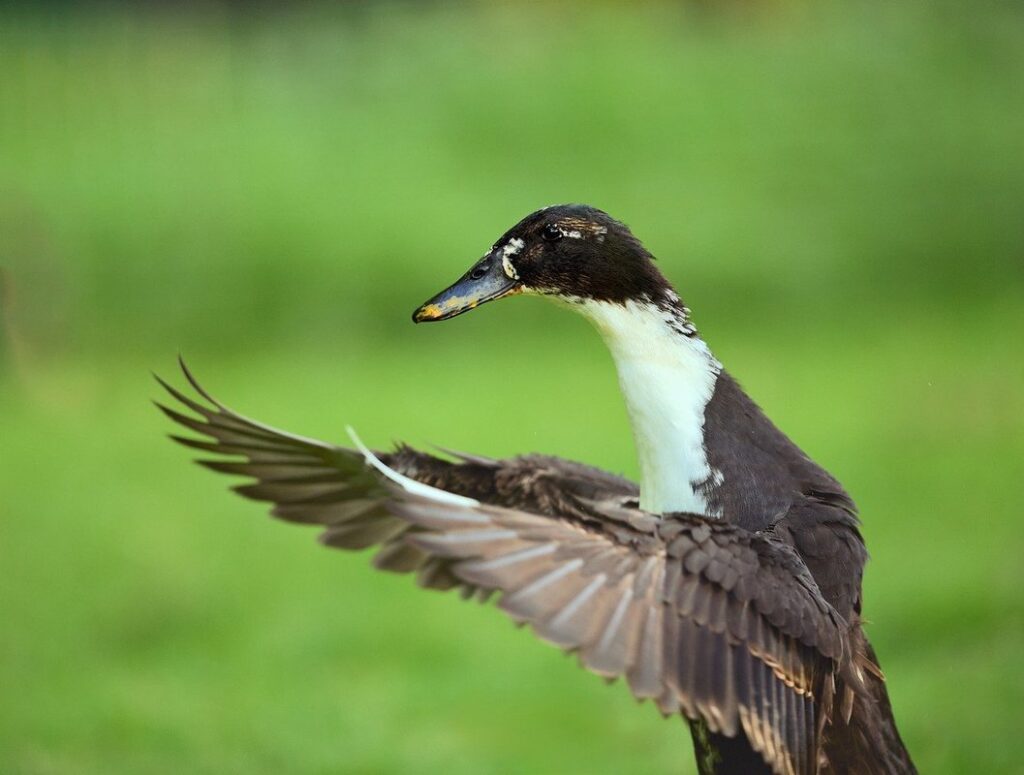
One of the most recognizable characteristics of runner ducks is their slender build and long necks. They typically weigh between 2-4 kg (4-8 lbs), making them a great choice for backyard farms or small homesteads. Their feathers are soft to the touch, with a range of colors including white, brown, and black.
Runner ducks are also known for their high egg production, laying an average of 200-250 eggs per year. However, they can be prone to broodiness, which means they may stop laying eggs when they become interested in nesting. This trait is essential to consider if you’re planning to keep runner ducks as a source of fresh eggs.
In terms of temperament, runner ducks are friendly and social birds that thrive on human interaction. They require regular exercise and mental stimulation to prevent boredom and stress. With proper care and attention, runner ducks can make wonderful additions to any backyard flock.
Importance of Researching Runner Duck Care
When it comes to runner duck care, research is key. These charming birds come in various breeds, each with its unique characteristics, size, and temperament. Some popular breeds like the Silver Appleyard and the Khaki Campbell are known for their high egg production, while others like the Indian Runner and the Golden 300 Hybrid are prized for their energetic and lively nature.
Understanding these differences is crucial to provide the right care and attention to your runner ducks. For instance, if you have a breed that’s prone to noise pollution, you’ll want to consider providing them with enough space to move around and exercise outdoors. Similarly, breeds that are known to be heavy egg-layers will require more nutritious feed and regular health checks.
To ensure the well-being of your runner ducks, start by researching their specific needs based on breed, size, and temperament. Read up on their dietary requirements, learn about potential health issues, and understand how to create a suitable living environment for them. By doing so, you’ll be able to provide the best possible care for your feathered friends and enjoy a happy and healthy flock.
Housing and Environment
When it comes to runner ducks, their living space plays a crucial role in their overall health and happiness, so let’s dive into some essential tips for creating a happy home.
Creating a Suitable Enclosure
When it comes to runner ducks, providing a safe and comfortable enclosure is crucial for their well-being. A suitable enclosure should be spacious enough to accommodate the duck’s natural behavior of swimming, foraging, and socializing.
To determine the ideal space for your runner ducks, consider a minimum area of 2-4 square feet per bird inside the enclosure. This will allow them to move around comfortably and engage in their natural behaviors without feeling confined. Make sure the enclosure is also tall enough to provide adequate headroom for the ducks to stand upright.
Fencing should be sturdy and at least 3 feet high to prevent escape attempts and predator entry. Use hardware cloth or chicken wire with openings of no more than 1 inch to keep predators like foxes, coyotes, and hawks out. Also, ensure that the fencing is buried at least 12 inches underground to prevent digging escape artists.
Provide adequate shelter from harsh weather conditions by including a roof or a canopy over part of the enclosure. This will also give the ducks a dry place to rest and hide from potential threats.
Providing Adequate Space and Comfort
When it comes to runner duck care, providing adequate space and comfort is essential for their overall well-being. These birds require a significant amount of exercise to stay healthy and happy, which can be challenging if you have limited space.
A good rule of thumb is to provide at least 2-3 square feet of floor space per bird, with plenty of room to move around and stretch their wings. However, the ideal set-up would be a secure enclosure or run that provides an area for swimming, dust bathing, and foraging. Make sure the space is well-ventilated, protected from harsh weather conditions, and equipped with adequate shelter.
Overcrowding can lead to stress, disease, and behavioral problems in runner ducks. A good example of what not to do is keeping multiple birds together in a small coop or enclosure without sufficient room to move around. This will inevitably lead to pecking order issues, injuries, and a decrease in overall health.
To avoid these issues, prioritize providing enough space for your runner ducks to roam freely, exercise, and enjoy the company of their own kind (if you choose to keep multiple birds together).
Nutrition and Feeding
Proper nutrition is crucial for a runner duck’s health, so let’s dive into how to provide the right diet and feeding habits. This includes tips on what foods to give them and when.
Runner Duck Dietary Needs
Runner ducks are omnivores and require a balanced diet that includes both animal-based and plant-based foods. A good starting point is to provide them with high-quality commercial duck pellets as the main staple of their diet, supplemented with fresh fruits and vegetables. Leafy greens like kale, spinach, and collard greens are excellent choices, while root vegetables like carrots and sweet potatoes add essential fiber.
It’s also crucial to provide your runner ducks with protein sources such as mealworms or crickets, especially for young birds. You can supplement their diet with whole grains like oats, barley, or wheat, but avoid giving them too much as it can cause digestive issues. In terms of feeding schedules, aim to feed your runner ducks twice a day, morning and evening, allowing them about 1-2 hours of access to food at each time.
Fresh water should always be available, and make sure to provide a calcium source like crushed oyster shells or cuttlebone to support strong bone growth.
Tips for Healthy Snacking
When it comes to runner ducks, healthy snacking is crucial for maintaining their overall well-being. As they forage and explore their surroundings, providing them with a variety of nutrient-rich snacks can help supplement their diet.
Aim to incorporate a mix of vegetables, fruits, and treats into your runner duck’s snack routine. Leafy greens like kale, spinach, and collard greens are rich in vitamins A and K, as well as iron and calcium. Carrots and sweet potatoes provide essential fiber and beta-carotene for healthy vision and skin. Berries such as blueberries, strawberries, and raspberries offer antioxidant properties that promote overall health.
Treats can be given sparingly, but it’s essential to choose options low in sugar and fat. Consider using mealworms, crickets, or hard-boiled eggs as a protein-rich snack. When introducing new snacks, do so gradually to prevent digestive upset. Rotate your duck’s snack menu regularly to ensure they receive a broad range of nutrients.
Remember to limit snacking to 10-15% of their daily calorie intake and prioritize a balanced main meal for optimal health.
Health Considerations
When caring for runner ducks, it’s essential to consider their specific health needs and potential risks associated with their unique characteristics. Let’s discuss some key factors to keep in mind.
Common Health Issues in Runner Ducks
As you care for your runner ducks, it’s essential to be aware of some common health issues that may affect them. Respiratory problems are one such concern, especially during the cold winter months when air quality is poor. Bumblefoot, a painful condition caused by foot ulcers, can also occur if your ducks don’t have enough space to move around or if their living environment is dirty.
Parasites like mites and lice can infest your runner ducks, causing discomfort and weakening their immune system. Regular checks for these pests are crucial in preventing infestations. You can use a fine-tooth comb or a soft-bristled brush to gently examine your duck’s feathers and skin.
To prevent respiratory problems, ensure that your ducks have access to plenty of fresh air and exercise regularly. A clean living environment is also vital, as dust and mold can exacerbate respiratory issues. For bumblefoot, provide adequate space for your ducks to roam and keep their enclosure spotless. Regularly inspect their feet for signs of discomfort or infection.
To detect parasites early on, perform regular checks during molting season when mites and lice are more active.
Preventative Care Measures
Regular veterinary check-ups are essential for maintaining the overall health of your runner ducks. These visits allow you to catch any potential health issues early on and prevent more serious problems from developing. It’s recommended to schedule annual check-ups, but if you notice any changes in your duck’s behavior or appearance, consult a veterinarian as soon as possible.
Vaccinations are another crucial preventative care measure for runner ducks. While not all diseases can be prevented with vaccines, many common issues like avian cholera and Newcastle disease can be effectively addressed through vaccination. Be sure to work closely with your veterinarian to determine the best vaccination schedule for your flock.
Parasite control is also a vital aspect of preventative care. Runner ducks are susceptible to internal parasites such as mites, lice, and worms. Regularly cleaning their living space, monitoring their droppings, and using parasite preventatives can help keep these pests under control. A balanced diet that includes supplements like probiotics can also support your duck’s immune system, reducing the risk of parasitic infections.
By prioritizing preventative care measures, you’ll be well on your way to maintaining a healthy and thriving flock of runner ducks.
Behavior and Training
When it comes to runner ducks, proper behavior and training are crucial for a harmonious household and a happy, well-adjusted duck. Here we’ll share essential tips on how to manage their natural instincts.
Understanding Duck Temperament
Understanding duck temperament is crucial for establishing a strong bond with your feathered friends and ensuring their well-being. Duck behavior can vary significantly from one breed to another, so it’s essential to research the specific characteristics of your runner ducks.
Runner ducks are known for being energetic, curious, and social creatures. They thrive on interaction and can become quite demanding if left alone for extended periods. With proper training and socialization, they can learn to walk on a leash, follow commands, and even use litter boxes or designated areas for elimination.
To understand your duck’s temperament, observe their behavior and personality traits. Some common characteristics of runner ducks include:
• Energetic and playful: Runner ducks love to run, swim, and engage in playtime activities.
• Curious: They are naturally inquisitive and enjoy exploring their surroundings.
• Social: Runner ducks bond strongly with their owners and can become attached to other pets or family members.
When training your runner duck, consider its individual personality traits. Reward good behavior, be patient, and set clear boundaries. With time and consistency, you’ll develop a harmonious relationship with your feathered companion.
Training Your Runner Duck
Training your runner duck requires patience, consistency, and positive reinforcement. When it comes to housebreaking, it’s essential to establish a routine that includes regular feeding times and designated areas for droppings. Provide a safe and clean area for your duck to relieve itself, such as a dedicated “potty” spot or a shallow pool of water with a ramp for easy access.
To walk on a leash, start by introducing the leash in a calm environment, allowing your duck to become familiar with it. Begin with short sessions, rewarding your duck with treats and praise when they remain calm. Gradually increase walking time as your duck becomes more comfortable.
Basic obedience commands like “come” and “stay” can be taught using positive reinforcement techniques such as offering treats or toys in exchange for desired behavior. Be consistent in your training and remember to reward good behavior, even if it takes time for your runner duck to learn.
Keep training sessions short, ideally 10-15 minutes, and always end on a positive note while your duck is still engaged. This will help prevent frustration and maintain a strong bond between you and your feathered friend.
Safety Precautions and Emergency Care
When caring for your runner ducks, accidents can happen unexpectedly, which is why it’s crucial to know how to respond to emergencies and potential health issues. This section will guide you through essential safety precautions and emergency care procedures.
Identifying Potential Hazards
When it comes to runner duck care, identifying potential hazards is crucial to ensure their safety and well-being. As these birds are social, energetic, and curious, they can easily get into trouble if not properly supervised.
One of the most significant hazards is predator risks. Runner ducks are a popular target for foxes, coyotes, hawks, and other wild predators that see them as an easy meal. To mitigate this risk, make sure your duck’s enclosure is securely locked, and consider adding netting or hardware cloth to prevent escape attempts and predator entry.
Other potential hazards include toxic substances, such as pesticides, fertilizers, and cleaning products, which can be fatal if ingested by your runner ducks. Always keep these chemicals out of reach, and store them in a well-ventilated area away from your duck’s living space.
To further reduce risks, inspect your surroundings regularly for potential escape routes or hazards. Keep an eye on weather conditions too, as extreme temperatures and heavy rainfall can be challenging for your birds to adapt to.
Emergency Procedures for Runner Duck Care
If you find yourself facing an emergency situation with your runner duck, it’s essential to remain calm and act quickly. Injuries can happen unexpectedly, such as a snapped wing or severe cuts from broken glass.
To handle injuries, assess the severity of the wound first, then clean it gently with mild soap and water. Apply a thin layer of antibiotic ointment to prevent infection, followed by a non-stick bandage to protect the area.
In case your runner duck escapes, remain calm and search the surrounding areas immediately. Runner ducks are excellent foragers and can quickly get lost in unfamiliar environments. Keep an eye out for any potential hazards like bodies of water or nearby predators.
Common illnesses affecting runner ducks include respiratory problems, often caused by poor ventilation or exposure to pollution. Monitor your duck’s behavior closely and seek veterinary care if you notice labored breathing, coughing, or lethargy.
Frequently Asked Questions
Can I keep runner ducks indoors if it’s cold outside?
While runner ducks can tolerate some cold, they still require protection from harsh winter conditions. Yes, you can provide a safe indoor space for them, but ensure the area is draft-free and has adequate ventilation to prevent moisture buildup. You’ll also need to adjust their diet and provide extra care during extreme weather.
How do I introduce my runner duck to new surroundings?
Introducing your feathered friend to new environments can be challenging, but with patience and proper planning, you can minimize stress. Gradually introduce your runner duck to the new area, starting with visual exposure from a safe distance. Reward calm behavior with treats, and gradually increase their freedom in the new environment.
What are some common mistakes to avoid when housing my runner ducks?
Common mistakes include insufficient space, poor ventilation, and inadequate shelter. Ensure your enclosure provides enough room for exercise, has proper drainage, and is well-protected from predators and harsh weather conditions. Consult local regulations regarding zoning laws and restrictions on backyard farming.
How often should I provide fresh water and food for my runner ducks?
Fresh water and nutritious feed are essential to maintaining the health of your feathered friends. Yes, change their water daily and consider using a filtered system to maintain quality. Provide high-quality duck pellets or grains, supplemented with fruits and vegetables to ensure they receive a balanced diet.
Can I keep runner ducks with other pets, such as chickens or cats?
While it’s possible to house multiple animals together, introducing them gradually is crucial for avoiding conflicts. Yes, you can try keeping your runner ducks with other pets, but start by housing them separately before introducing them to the same enclosure. Monitor their behavior and separate them if necessary.