
Are you proud owner of a majestic peacock, or thinking of bringing one home? Either way, providing optimal care is crucial for these stunning birds to thrive. A balanced diet, suitable housing, and regular health checks are essential components of peacock care that often get overlooked by inexperienced owners.
In this article, we’ll delve into the intricacies of peacock diet and care, covering everything from what to feed your feathered friend to creating a spacious habitat that meets their unique needs. We’ll also discuss the importance of routine veterinary check-ups to prevent health issues. By the end of this guide, you’ll be well-equipped to give your peacock the life it deserves – one filled with vibrant plumage and joyful struts.
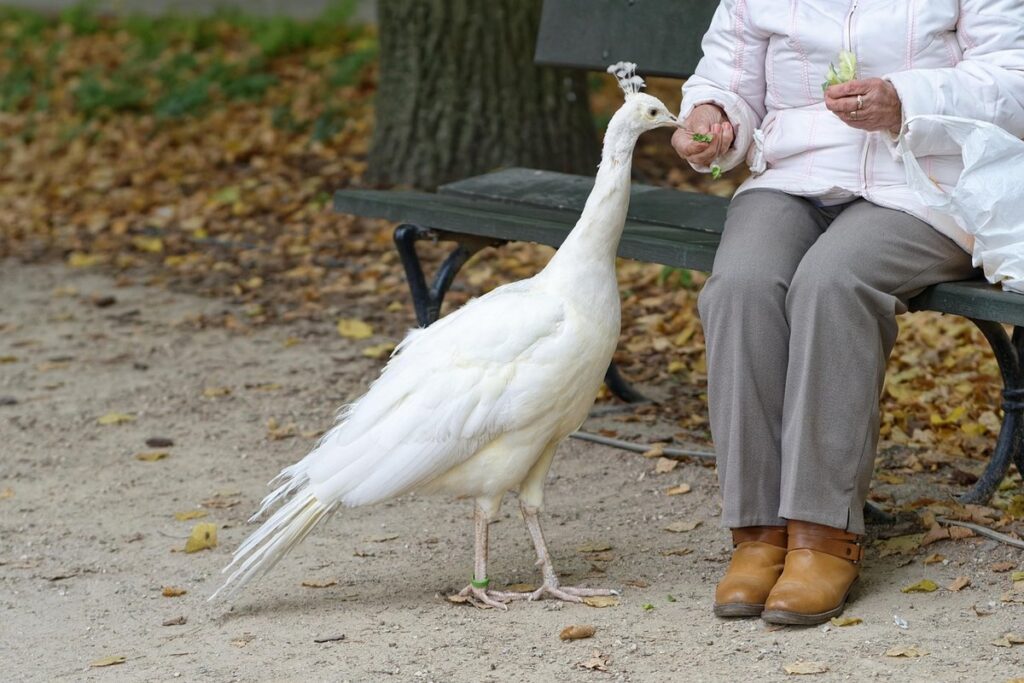
Introduction to Peacocks
If you’re new to peacock care, let’s start with the basics: learning about these stunning birds’ natural habits and behaviors is essential for providing the best possible life. Understanding their instincts will set you up for success as a new owner.
What You Need to Know About Peacocks as Pets
Peacocks have gained popularity as pets in recent years, and it’s not hard to see why. Their stunning plumage, majestic appearance, and unique characteristics make them a fascinating addition to many homes. However, before bringing a peacock into your life, it’s essential to understand their basic needs.
One of the most significant considerations when keeping peacocks as pets is space. These birds require a lot of room to roam, exercise, and spread their magnificent tails. A minimum of 1/4 acre of land is recommended for a single peacock, although more space is always better. Additionally, you’ll need to ensure that your yard is securely fenced to prevent escape attempts.
Peacocks are also known for their loud calls, which can be quite impressive but also potentially disturbing to neighbors. If you live in a residential area, it’s crucial to consider the noise factor before bringing home a peacock. With proper care and attention, however, these birds can thrive as pets and provide hours of entertainment and enjoyment.
When choosing a peacock as a pet, make sure to research reputable breeders or rescue organizations to find a healthy bird with good temperament. Regular veterinary check-ups, a balanced diet, and plenty of fresh water will also go a long way in keeping your peacock happy and healthy.
Researching Before Bringing Home a Peacock
Before bringing home a peacock, it’s essential to research and understand the responsibilities involved in caring for these magnificent birds. This includes delving into local regulations, housing requirements, and cost considerations.
Firstly, check with your local authorities to see if there are any laws or ordinances governing the ownership of peacocks. Some areas may have restrictions on the number of birds you can keep, noise levels, or even require special permits. For instance, in some cities, peacocks are considered a nuisance and may be subject to fines.
Next, consider the space you have available for your peacock. They require a large enclosure with adequate shelter, food, and water sources. A minimum of 1/4 acre of land is recommended, but ideally, you’ll want more space for them to roam freely. Additionally, ensure that your property has sufficient fencing to prevent escape or potential damage.
Lastly, factor in the costs associated with peacock ownership. They can be expensive birds to care for, with estimated annual costs ranging from $1,000 to $2,500. This includes feed, veterinary care, and equipment expenses. Make sure you’re prepared to commit to providing a stable and suitable environment for your new feathered friend.
Peacock Diet: Understanding Their Nutritional Needs
When it comes to feeding your peacock, understanding their nutritional needs is crucial for maintaining their overall health and well-being. In this next part, we’ll dive into the specifics of what they require to thrive.
Omnivorous Nature of Peacocks
As an owner of a peacock, it’s essential to understand that these magnificent birds are omnivores, meaning they feed on both plant and animal matter. In their natural habitat, peacocks forage for a variety of food sources including insects, worms, small reptiles, and amphibians. They also eat fruits, leaves, seeds, and grains.
To replicate this diet in captivity, you’ll want to provide a balanced mix of fresh vegetables, fruits, and protein-rich foods. A good starting point is to offer leafy greens like kale, spinach, and collard greens daily. You can also supplement with fruits such as berries, melons, and apples. For protein sources, consider offering crickets, mealworms, or pinkie mice on occasion.
A key aspect of a peacock’s diet is variety. To ensure they’re getting all the necessary nutrients, rotate their food sources regularly. For example, switch between different types of fruits and vegetables each week to prevent overexposure to specific ingredients. Additionally, consider consulting with a veterinarian or experienced breeder to determine the best diet for your individual bird based on age, size, and health status.
Nutrient-Rich Foods for Peacocks
When it comes to providing the best possible care for your peacock, their diet is of utmost importance. These magnificent birds require a nutrient-rich food plan that meets their specific needs, ensuring they stay healthy and thrive.
Peacocks need a balanced mix of proteins, vitamins, and minerals in their diet to maintain optimal health. A good quality commercial peacock feed should form the base of their diet, supplemented with fresh fruits, vegetables, and insects for added nutrition. For instance, providing leafy greens like kale, spinach, or collard greens can provide essential vitamins and minerals.
In addition to these food sources, you may also consider adding supplements specifically formulated for birds to their diet. These supplements can help bridge any nutritional gaps in their regular feed and ensure they receive all the necessary nutrients for optimal health. For example, a calcium supplement can be beneficial for maintaining strong bone density, while a vitamin A supplement can support healthy vision.
As a general rule of thumb, it’s essential to provide your peacock with fresh water at all times, changed daily to prevent bacterial growth and contamination. This will help keep their digestive system running smoothly, reducing the risk of health issues down the line.
Water Requirements for Peacocks
When it comes to keeping your peacock happy and healthy, providing the right amount of water is crucial. Let’s dive into the specific water requirements your feathered friend needs each day.
Importance of Clean Water Sources
When it comes to providing top-notch care for your peacocks, ensuring access to clean water sources is of paramount importance. Dirty or contaminated water can pose significant health risks to these magnificent birds, and it’s essential you understand the potential dangers and take proactive steps to prevent them.
Unclean water can lead to a range of health issues in peacocks, from mild gastrointestinal problems to more severe diseases such as bacterial infections, respiratory disorders, and even parasites. For instance, a contaminated water source may harbor bacteria like E. coli or Salmonella, which can cause diarrhea, vomiting, and lethargy in peacocks.
To keep your birds safe and healthy, it’s crucial to provide them with fresh, clean drinking water at all times. Change the water frequently, ideally once every 24 hours, and ensure the source is free from contaminants like algae, sediment, or debris. If you live in an area with poor water quality, consider investing in a water filtration system specifically designed for birds.
Tips for Providing Fresh Water at All Times
When it comes to providing fresh water for your peacock, maintaining its quality and quantity is crucial. Peacocks need access to clean drinking water at all times, especially during hot weather when evaporation rates are high. To ensure this, you’ll want to check the water level in their enclosure frequently, ideally twice a day.
A good rule of thumb is to provide one gallon of water per bird per day. This may seem excessive, but it’s essential for maintaining peacock health and preventing dehydration. Make sure to change the water completely at least once a week to prevent bacterial growth.
To maintain water quality, consider using a water filter or adding a few drops of apple cider vinegar to the water daily. These methods can help remove impurities and minerals that may be present in tap water. Additionally, ensure the water is placed in a location where it won’t become stagnant or contaminated with droppings from the peacocks.
Housing and Environmental Considerations
When it comes to peacocks, their living space is just as important as their diet, so let’s dive into some essential housing and environmental considerations for these stunning birds. Proper planning will ensure your feathered friend thrives.
Large Enclosures vs. Small Spaces
When it comes to housing your peacock, providing adequate space is crucial for its overall health and well-being. The minimum recommended space for a single adult peacock is about 10 feet by 20 feet (1,000 square feet), but larger enclosures can offer numerous benefits.
A larger enclosure provides ample space for your peacock to roam, exercise, and engage in natural behaviors like foraging and flying. This can help reduce stress, prevent boredom, and promote a healthy digestive system. For example, studies have shown that birds kept in smaller enclosures tend to develop more behavioral problems than those housed in larger spaces.
However, large enclosures also come with safety considerations. You’ll need to ensure that the enclosure is secure, predator-proof, and protected from extreme weather conditions. To prevent escape attempts, consider adding a roof or netting to cover the top of the enclosure.
In addition to safety concerns, large enclosures can be more expensive and require more maintenance than smaller spaces. If you’re limited by space constraints, consider creating multiple smaller areas within your enclosure that provide separate zones for rest, feeding, and exercise.
Ultimately, the size of your peacock’s enclosure will depend on your specific situation, climate, and available resources. But with careful planning and attention to detail, even a small space can be turned into a safe and comfortable home for your feathered friend.
Providing Shelter from Extreme Weather Conditions
Providing shelter from extreme weather conditions is crucial for your peacocks’ well-being. Harsh weather can be debilitating for these beautiful birds, and it’s up to you to ensure their safety.
When the sun beats down relentlessly or torrential rains drench the yard, provide a shaded area where your peacocks can take refuge. You can create a simple awning or canopy using fabric or leaves, or even train some trees to offer natural shade. For example, consider planting a few mature trees with wide canopies in your backyard to give your birds a permanent escape from the sun.
Windbreaks are also essential for protecting your peacocks from strong gusts of wind that can cause stress and discomfort. You can build or purchase a fence specifically designed as a windbreak, or even use a tarp or screen to block the wind. Another option is to provide indoor shelter, such as a coop or garage, where your birds can retreat during extreme weather conditions.
When designing or setting up an indoor shelter, ensure it’s well-ventilated and dry to prevent respiratory problems. Add some perches, nesting boxes, and food/water stations to make the space comfortable for your peacocks.
Health Considerations for Peacocks
When caring for a peacock, it’s essential to consider its unique health needs and potential risks, such as respiratory problems and feather molting. We’ll walk you through these key considerations next.
Common Health Issues in Peacocks
Peacocks are generally hardy birds, but like all animals, they can be prone to certain health issues if not properly cared for. One of the most common problems affecting peacocks is respiratory distress, which can manifest as labored breathing, wheezing, or even coughing. This can be caused by a range of factors including poor ventilation, dust exposure, and viral infections.
Another issue that’s often seen in peacocks is skin infections. These can arise from bacterial or fungal causes and may lead to lesions, abscesses, or ulcers on the bird’s skin. To minimize this risk, it’s essential to keep your peacock’s enclosure clean and well-maintained, with a focus on providing adequate space for movement and proper drainage.
Parasite infestations are another common problem affecting peacocks. These can range from external parasites like mites or lice to internal worms. Regular monitoring of your bird’s health, along with routine deworming treatments, can help identify and address any potential parasite issues early on.
It’s also crucial to provide a balanced diet for your peacock, rich in nutrients that support overall health and immunity. A mix of commercial pellets, fruits, vegetables, and occasional treats should form the basis of their daily intake.
Regular Health Checks and Vaccinations
Regular veterinary check-ups and vaccinations are crucial for maintaining the health and well-being of peacocks. Just like humans, birds require regular medical attention to prevent illnesses and detect potential health issues early on.
It’s essential to schedule a vet visit at least once a year for your peacock, or more frequently if you live in an area prone to diseases that affect peafowl. During these check-ups, the veterinarian will examine your peacock’s overall health, including its eyes, beak, and feathers, as well as perform tests to detect any underlying conditions.
Vaccinations are also vital for protecting your peacock against common diseases such as Newcastle disease and avian influenza. These vaccinations should be administered annually, or as recommended by your veterinarian.
To ensure your peacock’s health and safety, keep a record of its vaccination history and schedule regular check-ups to catch any potential issues before they become serious problems. By prioritizing your peacock’s health through regular veterinary care and vaccinations, you can help prevent illnesses and ensure it lives a long and happy life.
Tips for Caring for Young Peacocks
Caring for young peacocks requires special attention, so let’s dive into some valuable tips on how to provide them with the best care from a young age onwards.
Raising Baby Peacocks
Raising baby peacocks requires attention to their nutritional needs, safe housing, and socialization from an early age. When you bring home a hatchling peacock, it’s essential to provide a warm, draft-free environment with a temperature range of 80-90°F (27-32°C). A brooder or heat lamp can help maintain the optimal temperature for the first few weeks.
Offer a starter feed specifically formulated for game birds or chickens, which should be mixed with fresh water. As they grow, introduce a commercial peafowl feed to ensure they receive all necessary nutrients. Grit and oyster shells can also be provided to support healthy digestion.
Socialization is crucial in the early stages of development. Introduce your young peacock to other birds gradually, allowing it to get accustomed to their sounds and presence. Also, handle them gently but frequently to help build trust and reduce stress when they’re older.
As the baby grows into a juvenile peafowl, provide a larger enclosure with adequate shelter and space for exercise. Ensure access to fresh water and food at all times, and maintain a safe environment by regularly cleaning their living area.
Gradual Introduction to Outdoor Enclosures
When introducing young peacocks to outdoor enclosures, it’s essential to do so gradually to minimize stress and ensure a successful transition. Start by allowing them access to the enclosure for short periods each day, beginning with just a few hours. Observe their behavior and adjust this schedule as needed.
Begin by opening the enclosure door for 2-3 hours in the morning, allowing the young peacock to explore its new surroundings under adult supervision. This will enable it to become familiar with the sights, sounds, and smells of the outdoors without feeling overwhelmed.
As they become more comfortable, you can gradually increase the time spent outside. Make sure to provide a safe haven or shelter for them to retreat to when needed. It’s also crucial to ensure that the enclosure is secure and predator-proofed to prevent escape or harm.
During this transition period, maintain their regular feeding schedule and provide access to fresh water at all times. Monitor their behavior closely, watching for signs of stress or discomfort.
Frequently Asked Questions
Can I keep multiple peacocks together, or do they require separate housing?
Peacocks are social birds but may fight with each other, especially if they’re mature males. It’s recommended to house them separately, especially during breeding season, to prevent injuries and stress. However, if you have a large enough enclosure (at least 2,000 square feet), you can keep a group of peahens together under close supervision.
How often should I clean the water source for my peacock?
Regularly cleaning the water source is crucial to maintaining your peacock’s health. Change the water at least twice a week, and ensure it’s always fresh by changing it daily during hot weather or when introducing new birds to prevent bacterial growth.
What are some signs of common health issues in peacocks, and how can I prevent them?
Keep an eye out for changes in behavior, appetite, or droppings. Some common issues include respiratory problems, feather plucking, and parasites. Regularly check your bird’s plumage, eyes, beak, and legs, and consult a veterinarian experienced with birds if you notice any unusual signs.
Can I raise baby peacocks on my own, or should I seek professional help?
Raising baby peacocks requires attention to their specific needs, such as proper diet, housing, and socialization. If you’re new to raising birds, it’s recommended to seek guidance from an experienced breeder or veterinarian to ensure the chicks receive proper care.
How do I introduce a young peacock to outdoor enclosures safely?
When introducing your peacock to outdoor enclosures, start by gradually acclimating them to the environment. Begin with short periods under close supervision, and monitor their behavior for signs of stress. Ensure the enclosure is secure, and consider providing visual barriers to prevent escape attempts or territorial behavior.