
Raising pekin ducklings can be an incredibly rewarding experience, but it requires careful attention to their specific needs. As a new duck breeder or owner, it’s essential to provide your pekin ducklings with proper nutrition and housing to ensure they grow into healthy and happy adults. But what exactly does that mean? In this comprehensive guide, we’ll cover everything you need to know about caring for pekin ducklings, from their dietary requirements to training and health checks. You’ll learn how to create a suitable environment, identify potential health issues, and teach your ducklings essential skills like swimming and foraging. By the end of this article, you’ll be well-equipped to raise happy and thriving pekin ducklings that will bring joy to your family for years to come.
Understanding Pekin Duckling Basics
Before bringing home your new Pekin ducklings, it’s essential to understand their basic needs and characteristics, ensuring you’re prepared for the responsibilities of caring for them. Let’s dive into what makes these adorable birds tick!
Characteristics of Pekin Ducklings
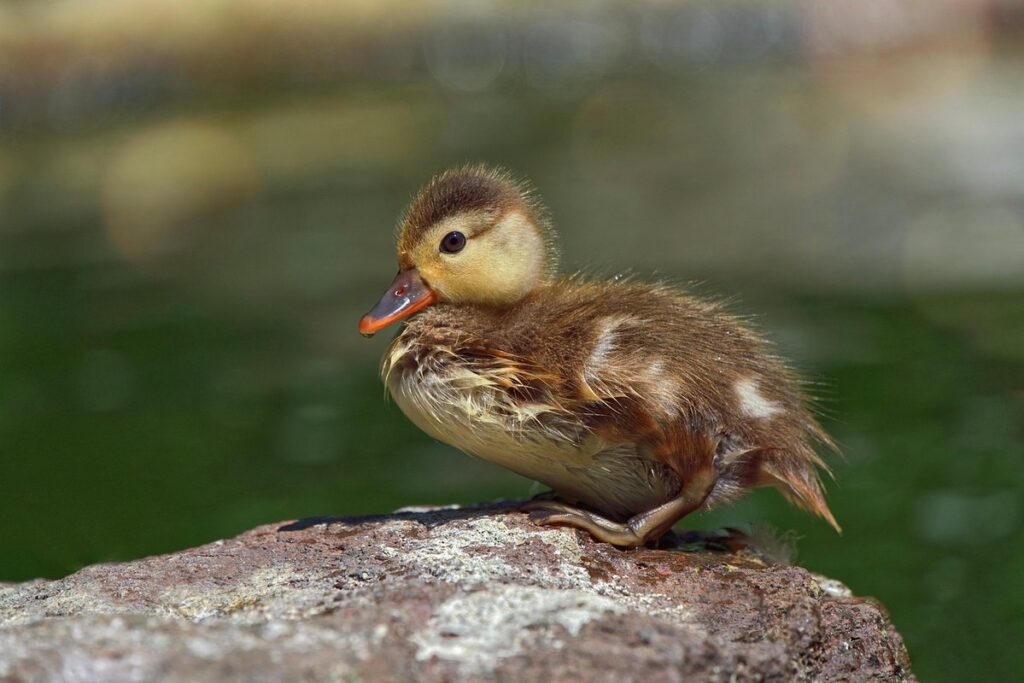
Pekin ducklings are a beloved breed among backyard farmers and waterfowl enthusiasts alike. One of the first things to consider when caring for these adorable birds is their growth rate. On average, Pekin ducklings will reach full maturity at around 8-10 weeks old. During this time, they’ll grow from fluffy balls of fluff into sleek, adult ducks.
When it comes to temperament, Pekin ducklings are known for being friendly and docile. They’re a great breed for families with children or for those who want a low-maintenance pet. In fact, many owners report that their Pekin ducklings will even follow them around the yard, eager for attention and treats.
As for weight, you can expect your Pekin duckling to reach anywhere from 2-4 pounds by the time they’re fully grown. This makes them a great choice for those with limited space or resources. To ensure your Pekin duckling reaches its full potential, make sure to provide plenty of fresh water and nutrient-rich feed.
Importance of Nutrition in Pekin Duckling Development
Proper nutrition is the foundation of healthy growth and development for Pekin ducklings. As they grow rapidly during their first few weeks of life, a balanced diet provides essential nutrients that support their physical and immune system development. A high-quality starter feed should be rich in protein (around 20-22%), fiber, and energy-rich ingredients like corn and soybean meal.
When selecting a starter feed, look for the following key components: whole grains, vitamins, and minerals. Whole grains provide essential amino acids, while vitamins and minerals support bone growth, feather development, and overall health. Some starter feeds may also include added probiotics or prebiotics to promote gut health.
Feed your Pekin ducklings 2-3 times a day, allowing free access to water at all times. A good rule of thumb is to provide about 1/4 cup of feed per duckling per day, adjusting as needed based on their individual appetite and growth rate. Keep an eye out for signs of overeating or under-eating, such as rapid weight gain or lethargy, and adjust the feeding schedule accordingly.
Housing and Environment
When it comes to caring for your Pekin ducklings, creating a safe and healthy environment is crucial for their growth and development. This includes setting up a suitable enclosure and ensuring proper ventilation to prevent respiratory issues.
Creating a Safe and Stimulating Environment
When it comes to raising Pekin ducklings, providing a safe and stimulating environment is crucial for their overall health and well-being. A suitable enclosure should prioritize space requirements, ventilation, and bedding materials.
Firstly, ensure the enclosure provides ample space for your ducklings to move around comfortably. A general rule of thumb is to provide at least 2-3 square feet of floor space per duckling. This allows them to exercise, play, and explore their surroundings without feeling confined. For example, a brooder with a floor area of 2×4 feet can accommodate 8-10 ducklings.
Proper ventilation is also vital in an enclosure. Good airflow helps maintain a healthy environment by removing ammonia from the ducks’ waste, which can be toxic if accumulated. Install windows or vents to ensure sufficient air circulation and keep them clean regularly.
Bedding materials play a significant role in maintaining hygiene and comfort within the enclosure. Opt for absorbent materials like straw or hay, avoiding pine shavings as they may cause respiratory issues. Change the bedding frequently to prevent the buildup of bacteria and odors.
Remember, a safe and stimulating environment is essential for your Pekin ducklings’ development and growth. By following these guidelines, you can create a comfortable space that promotes their overall health and happiness.
Health Considerations for Pekin Duckling Housing
When it comes to housing your Pekin ducklings, providing a well-designed and clean environment is crucial for their health and well-being. One of the primary concerns when raising ducklings is preventing disease transmission. To minimize this risk, ensure that the enclosure has adequate ventilation to reduce moisture buildup and prevent ammonia levels from rising.
Regular cleaning is also essential in maintaining a healthy environment for your ducklings. Remove soiled bedding and replace it with fresh material daily. Disinfect any surfaces with a pet-safe solution after each cleaning. Consider incorporating features like sloping roofs or easily accessible areas for easy cleanup.
Another important aspect to consider is the temperature regulation within the enclosure. Ducklings are sensitive to extreme temperatures, so ensure that their housing provides adequate insulation and protection from wind chill and direct sunlight. Keep an eye on your ducklings’ behavior; if they appear lethargic or stressed, adjust the environment accordingly.
Remember, a clean and well-maintained living space is vital for preventing common health issues in Pekin ducklings.
Health and Hygiene
When it comes to caring for your Pekin ducklings, maintaining their health and hygiene is crucial. In this section, we’ll cover essential tips on keeping them clean and healthy.
Common Health Issues Affecting Pekin Ducklings
As you care for your Pekin ducklings, it’s essential to be aware of common health issues that can arise. Respiratory infections are a frequent problem, often caused by viral or bacterial pathogens. These infections can lead to coughing, sneezing, and difficulty breathing. To prevent the spread of infection, ensure your duckling enclosure is well-ventilated, and keep their living area clean.
Another issue you may encounter is mites, tiny parasites that feed on the blood of your ducklings. Mite infestations can cause anemia, stress, and even death if left untreated. Regular cleaning and inspection of your ducklings’ feathers will help detect any signs of mites. Use a gentle shampoo or powder specifically designed for poultry to treat affected areas.
Feather pecking is another behavior-related issue that can arise in Pekin ducklings. This behavior occurs when one duckling picks at the feathers of another, often due to boredom, stress, or inadequate nutrition. To prevent feather pecking, provide a stimulating environment with plenty of space for exercise and enrichment activities. Ensure their diet is balanced and nutritious, and consider separating any aggressive ducklings from the rest of the group.
Vaccination and Disease Prevention Strategies
As a responsible duck breeder, it’s crucial to prioritize the health and well-being of your Pekin ducklings. A vital aspect of their care involves vaccination and disease prevention strategies.
Regular check-ups with a veterinarian are essential to ensure your ducklings receive necessary vaccinations on schedule. The American Association of Avian Veterinarians recommends vaccinating ducklings against diseases such as Newcastle Disease, Infectious Bronchitis, and Avian Influenza. A typical vaccination schedule involves administering initial vaccinations at one week old, followed by booster shots every 4-6 weeks.
To maintain a healthy environment for your ducklings, implement parasite control measures like cleaning their living quarters regularly, disinfecting equipment, and monitoring for signs of internal parasites. Biosecurity protocols also play a vital role in disease prevention – ensure all visitors wash their hands thoroughly before interacting with the ducklings, keep separate areas for feeding and breeding, and isolate new arrivals to prevent cross-contamination.
By following these strategies, you’ll create a safe haven for your Pekin ducklings to thrive and grow into healthy, happy adult ducks. Remember to stay vigilant and adapt your approach as needed based on your specific flock’s needs and local disease prevalence.
Health Checks and First Aid
Regular health checks are crucial for identifying potential issues early on, while knowing what first aid to provide can be a lifesaver when an emergency arises.
Performing Regular Health Checks on Your Pekin Ducklings
Regular health checks are an essential part of caring for your Pekin ducklings. By conducting thorough inspections and monitoring their behavior, you can detect potential issues early on, which is crucial for preventing the spread of disease and ensuring the overall health and well-being of your feathered friends.
When performing a health check, start by examining your ducklings’ physical condition. Look for signs of stress, such as wet or dirty feathers, droopy wings, or labored breathing. Check their eyes, ears, beak, and legs for any signs of injury or infection. Also, inspect their vent area to ensure it’s clean and free of debris.
Monitor your ducklings’ behavior closely, watching for changes in appetite, energy levels, or vocalization. Are they acting lethargic, hiding, or avoiding food? These can be indicative of underlying health issues that need attention. Keep a close eye on any individual showing unusual signs, and isolate them to prevent the spread of disease.
By incorporating regular health checks into your daily routine, you’ll be better equipped to recognize potential problems before they escalate. This proactive approach will help ensure your Pekin ducklings remain happy, healthy, and thriving under your care.
Basic First Aid Techniques for Common Injuries and Illnesses
When caring for your pekin ducklings, accidents can happen, and it’s crucial to know basic first aid techniques to ensure their health and well-being. A minor cut or scratch might seem insignificant, but it can quickly become infected if not treated promptly.
To treat wounds on your ducklings, clean the affected area with mild soap and lukewarm water. Gently pat dry with a soft cloth, taking care not to irritate the skin further. For minor cuts, you can apply a thin layer of antibacterial ointment to prevent infection. However, if the wound is deep or won’t stop bleeding after 10 minutes of gentle pressure, seek veterinary attention immediately.
If your duckling shows signs of illness, such as labored breathing, lethargy, or loss of appetite, provide supportive care by ensuring they have access to fresh water and a balanced diet. Administering medication should be done under the guidance of a veterinarian, but in some cases, you may need to give your ducklings antibiotics or other prescribed medications.
It’s essential to keep a first aid kit on hand specifically designed for poultry, including supplies like bandages, antiseptic wipes, and eye wash solution. Always follow proper hygiene practices when treating your ducklings to prevent the risk of infection or cross-contamination.
Training and Socialization
Now that you’ve got your ducklings settled, it’s time to focus on their training and socialization. This is crucial for developing good habits and a strong bond between you and your little quackers.
Introducing Your Pekin Ducklings to Handling and Training
As you care for your Pekin ducklings, it’s essential to socialize them from an early age. This will help them become confident and well-adjusted birds. Introducing your ducklings to handling and training is a crucial part of their development. Start by getting your ducklings used to being handled when they’re about 2-3 weeks old. Begin with short sessions, gently picking up each duckling and giving it treats. This will help them associate humans with positive experiences.
As you progress in training, focus on taming your ducklings. Place a towel over the top of the box or enclosure to create a dark, quiet space that your ducklings will feel safe in. Once they’re comfortable in their “tent,” start to handle them regularly, moving gradually from short sessions to longer ones.
Weighing and collecting eggs are also essential skills for your Pekin ducklings to learn. When you begin weighing them, make sure to do so gently and carefully, supporting the weight of the duckling with one hand while using the other to record its weight. This will help them get used to being handled on their feet. Collecting eggs is a simple process: just place your hands under the nesting box or basket, and let the ducks guide you to the eggs.
Teaching Basic Obedience Commands and Behavior Modification
Training your Pekin ducklings to follow basic obedience commands is an essential part of their development and will make them a pleasure to be around. Start by teaching them simple commands like “come,” “stay,” and “leave it.” For instance, when you’re in the yard with your ducklings, call out “come” and reward them with treats or praise when they respond.
To teach a “stay” command, have your duckling sit or stand still, then take a few steps back and say “stay.” If they get up, gently guide them back to their position and try again. Gradually increase the distance and time you’re away from them while they’re in the stay position. For behavior modification, identify what triggers unwanted behaviors like feather pecking or aggression.
Address these issues early on by providing a balanced diet, plenty of space, and engaging activities that promote natural foraging and exploration behaviors. Consistency is key; establish clear rules and boundaries, and ensure all family members are on the same page when it comes to training and interacting with your ducklings.
Integrating Your Pekin Ducklings into the Family
As you prepare your duckling family for their new home, it’s time to think about introducing them to their permanent flock and incorporating them into your household routines. This section will guide you through that process.
Preparing Your Home and Family for New Pets
Welcoming new pets can be an exciting yet overwhelming experience, especially if you have young children or other animals at home. To ensure a smooth transition for both your Pekin ducklings and family members, it’s essential to prepare your home and family before their arrival.
Start by setting up a safe and comfortable environment for your new feathered friends. This includes providing a spacious enclosure that’s specifically designed for ducks, with adequate ventilation and protection from predators. Make sure the area is free from any hazardous materials or toxic substances that could harm your pets.
Involve your children in the preparation process to teach them about responsible pet ownership and care. Assign tasks such as helping to set up the ducklings’ enclosure, preparing their food, and ensuring they have fresh water at all times. This will not only make them feel more invested in caring for the ducks but also help them develop essential life skills.
As you introduce your Pekin ducklings to your home, be prepared for a period of adjustment. Keep an eye on their behavior and adjust their environment accordingly. For example, if they seem stressed or anxious, consider providing a quiet space for them to retreat to. With patience, love, and proper care, your new pets will soon become an integral part of your family.
Tips for Raising Confident and Friendly Adult Ducks
As your ducklings grow into confident adults, it’s essential to continue nurturing their socialization and encouraging friendly behavior. To promote a harmonious flock dynamic, introduce adult ducks to each other gradually. Start by keeping them separated at first, allowing them to get accustomed to each other’s presence through visual and auditory cues.
Once they seem comfortable with one another, begin supervised interactions under close observation. Reward calm behavior with treats and praise, while intervening promptly if any aggression arises. This gentle approach will help your ducks develop positive associations with each other.
To ensure a smooth transition from duckling to adult life, maintain their regular routine and provide an abundance of fresh water, high-quality feed, and adequate shelter. Regular veterinary check-ups will also help identify any potential health issues early on. By continuing to prioritize their care and well-being, you’ll be fostering confident and friendly adult ducks that bring joy to your family for years to come.
Frequently Asked Questions
What if I notice my Pekin ducklings are experiencing stunted growth, what steps can I take to address the issue?
If you notice that your Pekin ducklings’ growth is stunted, first assess their living conditions and diet. Ensure they have access to a balanced and nutritious feed specifically formulated for young waterfowl. A lack of calcium or protein-rich foods may contribute to slow growth. Provide a varied environment with adequate space for exercise and exploration. Consult with a veterinarian if you suspect any underlying health issues.
How often should I perform health checks on my growing Pekin ducklings, and what signs should I look out for?
Regular health checks are essential in detecting potential health problems early. Check your Pekin ducklings daily for signs of illness or injury, such as labored breathing, lethargy, or unusual droppings. Perform comprehensive health checks every week by examining their eyes, ears, beak, and feathers for any signs of distress or disease.
Can I mix different breeds of duckling together to create a unique flock, and if so, what should I consider?
While mixing breeds can be interesting, it’s crucial to research compatibility before introducing different ducks. Different breeds may have varying temperaments, growth rates, and dietary needs. Ensure that any new additions will complement your existing flock without causing stress or competition for resources.
What are some common mistakes people make when housing Pekin ducklings for the first time?
Common mistakes include inadequate ventilation, insufficient lighting, and failing to provide a suitable drainage system in the coop. Also, neglecting to introduce ducklings to their outdoor enclosure gradually can lead to stress or injury from sudden exposure to predators or harsh weather conditions.
How long after bringing home my Pekin ducklings should I expect them to become fully socialized and trusting of handling?
Socialization is an ongoing process that begins at a young age. Provide your ducklings with regular interaction, including gentle handling and positive reinforcement training, starting from the moment you bring them home. It may take 4-6 weeks for them to feel comfortable and confident around humans.