
Are you fascinated by creatures that defy categorization? Look no further than the cat skunk, a unique animal that has captured the hearts of many. These intriguing animals are not as well-known as their striped cousins, but they share a similar charm and mystique. In this article, we’ll delve into the fascinating world of cat skunks, exploring their biology, behavior, habitat, and conservation status.
We’ll also discuss how to care for these remarkable creatures in both captive and wild environments, providing valuable insights for anyone interested in animal husbandry or conservation. Whether you’re a seasoned wildlife enthusiast or simply curious about the natural world, this article will take you on an engaging journey into the fascinating realm of cat skunks.
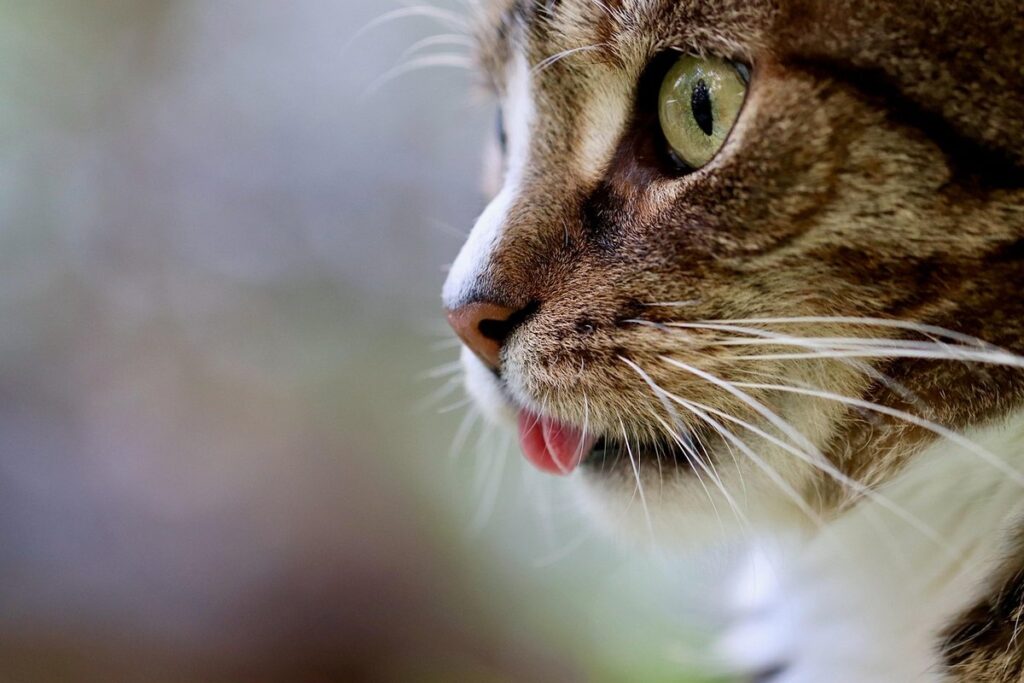
What is a Cat Skunk?
You’re probably wondering what exactly a cat skunk is, and why it’s unique among other animals. In this section, we’ll delve into the fascinating biology of the cat skunk.
Definition and Classification
Cat skunks are members of the Mephitidae family, which is characterized by their ability to produce a strong, pungent odor as a defense mechanism. This unique trait sets them apart from other carnivorous mammals. Within this family, cat skunks are divided into two genera: Mephitis and Spilogale.
The most well-known species of cat skunk is the eastern spotted skunk (Spilogale putorius), which can be found throughout much of North America. These nocturnal creatures have distinctive black and white markings on their bodies, helping them blend in with their surroundings while hunting for insects, grubs, and small vertebrates.
Cat skunks are often confused with other skunk species due to their appearance, but they possess several key characteristics that distinguish them from others. Their fur is typically shorter and more coarse than that of striped skunks, and their tails are longer and more bushy. These distinct features, combined with their specialized diet and habitat preferences, make cat skunks a fascinating subject for study and observation.
Physical Characteristics
Cat skunks are medium-sized carnivores that exhibit distinct physical features adapted to their environment. Adult cat skunks typically weigh between 3-6 pounds (1.4-2.7 kg) and reach lengths of approximately 16-20 inches (40-50 cm), including their tail. One of the most recognizable characteristics of cat skunks is their coat color, which can range from a dark brown to a light gray hue, often with a distinctive white or yellowish stripe running along their back.
Their fur also has a unique adaptation that helps them blend into their surroundings: it’s extremely thin and brittle, breaking off easily when threatened. This unusual characteristic serves as a defense mechanism, allowing the cat skunk to release its potent musk without causing damage to its skin. Another notable feature is their large, pointed ears and small, rounded eyes, which are perfectly suited for detecting prey in dim light conditions.
These physical attributes enable cat skunks to thrive in a variety of environments, from dense forests to arid deserts, making them an incredibly resilient species.
Habitat and Distribution
Cat skunks are found in a variety of habitats, from tropical forests to dry deserts, and can be spotted in different regions across Central and South America. Let’s explore their distribution patterns further.
Geographic Range
Cat skunks are found in the wild across a diverse range of geographic areas, from tropical forests to arid deserts. In Central and South America, cat skunks inhabit countries such as Mexico, Costa Rica, and Ecuador, where they roam through dense rainforests and clouded mountain ranges. In North America, their territory spans parts of the United States, including Arizona, Texas, and New Mexico.
One notable characteristic of cat skunks is their adaptability to different environments. While they tend to thrive in areas with warm temperatures and abundant food sources, some populations have been known to survive in more extreme conditions. For example, researchers have observed cat skunks living in the harsh, arid landscapes of the southwestern United States.
If you’re planning a trip to an area where cat skunks are found, it’s essential to be aware of their habitats and behaviors. When exploring these regions, keep a safe distance from any potential cat skunk sightings, as they can release a foul-smelling secretion when threatened. By understanding and respecting the geographic range of these fascinating creatures, we can better appreciate and protect them in their natural environments.
Habitat Preferences
Cat skunks can be found inhabiting a wide range of environments, from temperate forests to grasslands and even wetlands. Their adaptability to various habitats is likely due to their omnivorous diet, which allows them to exploit different food sources depending on the environment.
Forests provide cat skunks with ample shelter and protection from predators, thanks to the dense undergrowth and canopy cover. These environments also offer an abundance of insects, fruits, and small animals that serve as a vital source of nutrition for cat skunks. In contrast, grasslands offer cat skunks open spaces to roam and hunt for grubs and other invertebrates.
Wetlands, with their rich biodiversity, provide cat skunks with yet another opportunity to exploit food sources. The aquatic environment also offers protection from extreme temperatures and provides a unique set of sensory experiences for these animals. As we can see, the variety of habitats that cat skunks inhabit plays a crucial role in supporting their survival and successful coexistence with other species.
Behavior and Diet
When it comes to understanding these fascinating creatures, their behavior and diet play a crucial role in their overall survival and well-being, let’s take a closer look.
Hunting and Foraging Habits
Cat skunks are skilled predators that have adapted to their environment in unique ways. When it comes to hunting and foraging for food, cat skunks rely on a combination of keen senses and specialized physical features.
Their most distinctive adaptation is the ability to detect prey through smell. Cat skunks have highly developed olfactory organs, which allow them to pinpoint small mammals like rodents and insects from a distance. This is particularly useful in dense vegetation where visibility is limited. In addition to their sense of smell, cat skunks also rely on hearing and vision to track and catch their prey.
Cat skunks primarily hunt at night when their prey is most active. They use stealth and patience to stalk their quarry before pouncing quickly and effectively. When foraging, they have a varied diet that includes insects, fruits, and small invertebrates like worms and snails. By adapting their hunting habits to suit the environment and season, cat skunks are able to survive and thrive in a wide range of habitats.
It’s worth noting that cat skunks can also be opportunistic feeders, taking advantage of carrion when they come across it. This flexibility in their diet is crucial for their survival during times of scarcity or environmental change.
Social Structure
Cat skunks are often misunderstood as being solitary animals, but their social dynamics are more complex than that. In reality, they can live in a variety of settings, from pairs to small groups. Female cat skunks typically give birth to two kits per litter, and the young stay with their mother for around six months before venturing out on their own.
Observations have shown that adult cat skunks often form loose associations, sometimes even living together in small family units. However, these groups are usually not as cohesive as those found in other skunk species. Males will sometimes wander between females’ territories, increasing the chances of encountering other individuals.
Interestingly, researchers have noted that cat skunks will sometimes adapt their social behavior based on environmental factors, such as food availability or predator presence. This flexibility is a testament to the cat skunk’s ability to thrive in diverse ecosystems. By understanding their social structure, we can better appreciate these fascinating creatures and work towards their conservation.
Reproduction and Life Cycle
Let’s take a closer look at how cat skunks reproduce and grow, from their mating habits to the stages of development that lead them to adulthood. This process is crucial for their survival and conservation.
Breeding Season and Gestation
In the wild, cat skunks typically breed during their mating season, which can vary depending on geographic location and climate. Female cat skunks usually give birth to litters of 3-7 kits (baby skunks) after a gestation period of approximately 60-70 days. It’s essential for conservation efforts to understand the reproductive cycle of cat skunks, as it provides valuable insights into population dynamics and habitat requirements.
Interestingly, female cat skunks can breed again soon after giving birth, with some litters being conceived while the mother is still nursing her young. This unique reproductive strategy allows cat skunks to rapidly adapt to changing environmental conditions and take advantage of available food resources. When caring for orphaned or injured cat skunk kits, it’s crucial to provide a suitable enclosure that mimics their natural environment, including adequate space, temperature regulation, and nutrition.
Conservation efforts often focus on protecting habitats and managing human-cat skunk conflicts. Understanding the reproductive cycle of cat skunks can help conservationists develop targeted strategies to mitigate these issues and promote coexistence between humans and cat skunks.
Lifespan and Mortality Rates
In the wild, cat skunks have an average lifespan of 3-5 years, although some have been known to live up to 7 years. However, their lives are often cut short due to various threats. Disease is a significant concern, with many cat skunk populations affected by rabies, distemper, and other viral diseases.
Human activities also pose a substantial threat to cat skunks. Habitat destruction and fragmentation, as well as road mortality, contribute to declining population numbers. For example, in some regions, cat skunks are being forced out of their natural habitats due to urbanization, leading to increased competition for resources and higher mortality rates.
As we strive to conserve cat skunk populations, it’s essential to consider these factors. By taking steps to mitigate the impact of disease and human activities, we can work towards preserving these unique animals for future generations. This might involve supporting conservation efforts, reducing our carbon footprint, and advocating for more effective wildlife management practices in our local communities.
Conservation Status and Threats
As we explore the fascinating world of cat skunks, it’s essential to acknowledge the threats they face in their natural habitats. Unfortunately, many species are endangered due to habitat loss and hunting practices.
Endangered Species Status
Cat skunks are listed as Least Concern on the IUCN Red List, but their populations are declining due to habitat loss and fragmentation. In some regions, such as the southwestern United States, they are considered a species of special concern.
In Mexico, cat skunks are protected under federal law, and their hunting is regulated. However, more needs to be done to ensure their long-term survival. Habitat destruction and degradation continue to threaten their populations, particularly in areas with high levels of deforestation and agricultural development.
Conservation efforts focus on protecting and restoring natural habitats, as well as reducing human-cat skunk conflict through education and outreach programs. For example, the Mexican government has established several protected areas, including the Sierra Tarahumara National Park, which provides a safe habitat for cat skunks to roam and hunt.
To get involved in cat skunk conservation, you can support organizations that work to protect their habitats and advocate for their protection. By supporting conservation efforts, we can help ensure the long-term survival of this unique and fascinating species.
Human Impact on Cat Skunk Populations
Human activities have significantly impacted cat skunk populations, contributing to their decline. Deforestation, for instance, destroys their natural habitats and reduces available food sources. As forests are cleared, cat skunks lose their shelter and struggle to find alternative places to live. This not only affects individual animals but also disrupts the delicate balance of ecosystems.
Pollution is another major threat to cat skunk populations. Chemical runoff from agricultural areas and industrial activities contaminates water sources, making it difficult for cat skunks to drink safely. Ingesting polluted water can lead to health problems, further weakening these already vulnerable creatures.
Additionally, human development has led to fragmentation of habitats, isolating cat skunk populations and hindering their ability to migrate and find mates. It is essential that we acknowledge the role our actions play in impacting cat skunk numbers and take steps to mitigate these effects. By reducing our ecological footprint and promoting sustainable practices, we can help protect cat skunks and preserve their place in the wild.
Captive Care and Handling
If you’re planning on caring for a cat skunk, it’s essential to understand their specific needs and handling requirements to ensure both your safety and theirs. Proper care can be quite different from what you’d use for other pets.
Keeping Cat Skunks in Captivity
Keeping cat skunks in captivity requires careful consideration of their unique needs. Before deciding to bring one home as a pet, it’s essential to ensure you can provide the right environment and care. Housing requirements are crucial, as cat skunks need a spacious enclosure with adequate ventilation, temperature control, and humidity levels. A minimum size of 2x4x4 feet (60x120x120 cm) is recommended, but larger enclosures are always better.
Diet is also a critical aspect to consider. Cat skunks are carnivores and require a diet rich in protein from animal sources. Feed them a balanced mix of meat, such as chicken, beef, or fish, supplemented with fruits and vegetables for added nutrition. Fresh water should be available at all times. Handling techniques must be gentle and patient, as cat skunks can be sensitive to stress. Begin by getting them accustomed to your presence, then gradually introduce handling, always being mindful of their comfort level.
It’s also crucial to research local regulations regarding exotic pets, as some areas may have restrictions or permits required for owning a cat skunk.
Rehabilitation Centers and Conservation Efforts
When it comes to cat skunks, many organizations and individuals are working tirelessly to provide rehabilitation services for injured or orphaned animals. One such organization is the Wildlife Conservation Society (WCS), which has a dedicated program focused on rehabilitating cat skunks and releasing them back into their natural habitats.
The WCS uses a multi-step approach to rehabilitate injured cat skunks, including providing medical care, nutrition, and enrichment activities. Once an animal is deemed healthy enough, it’s released back into the wild with a small tracking device to monitor its progress. According to the WCS, the success rate of their rehabilitation program is around 80%, with many cat skunks being successfully reintroduced into their natural habitats.
You can also support organizations like the WCS by volunteering your time or donating resources. If you find an injured or orphaned cat skunk in your area, contact a local wildlife rehabilitation center for assistance. By working together, we can make a significant impact on the conservation of these fascinating creatures and ensure their populations continue to thrive.
Frequently Asked Questions
What are the ideal environmental conditions for keeping cat skunks in captivity?
For optimal care, a large enclosure with adequate ventilation is essential. The temperature range should be between 40°F to 80°F (4°C to 27°C), and humidity levels should be maintained at around 50-60%. A balanced diet that meets their nutritional needs is also crucial. Consult with experienced animal keepers or veterinarians for personalized advice on creating a suitable environment.
Can cat skunks be kept as pets, or are they best suited for conservation efforts?
While it’s possible to keep cat skunks in captivity, they require specialized care and equipment. Unless you have extensive experience with carnivorous mammals and access to expert guidance, it may be more beneficial to support conservation efforts or visit rehabilitation centers.
How do I distinguish between a cat skunk and its striped cousin?
Cat skunks lack the distinctive stripes found on their striped counterparts. They typically have a brown or black coat with white markings, and are often smaller in size. If you’re unsure about identifying a particular species, consult with a wildlife expert or use reliable field guides.
What should I do if I encounter an injured cat skunk in the wild?
If you come across an injured cat skunk, contact local animal control services or a licensed rehabilitation center immediately. Do not attempt to handle or transport the animal yourself, as this can cause further harm. Ensure that you provide accurate information about the location and condition of the cat skunk.
Are there any specific health risks associated with handling cat skunks?
Yes, cat skunks can carry diseases such as rabies and distemper, which are transmitted through bites or scratches. It’s essential to wear protective gear, including gloves and masks, when handling these animals. Regular veterinary check-ups and proper hygiene practices will also help minimize the risk of disease transmission.