
Losing chicks to stillbirth or death within their shells can be heartbreaking for any backyard chicken keeper or farmer. It’s frustrating, too – after all that care and attention, it’s disheartening when a chick dies in its shell. Before you can take steps to improve your hatch rates, though, you need to understand the underlying causes of this issue. Are environmental factors at play? Is there a genetic component to be considered? And most importantly, what can you do about it? In this article, we’ll delve into the top reasons why chicks die in shell, exploring both the environmental and genetic factors that contribute to mortality rates. We’ll also offer actionable strategies for reducing chick loss and improving your overall hatch success.
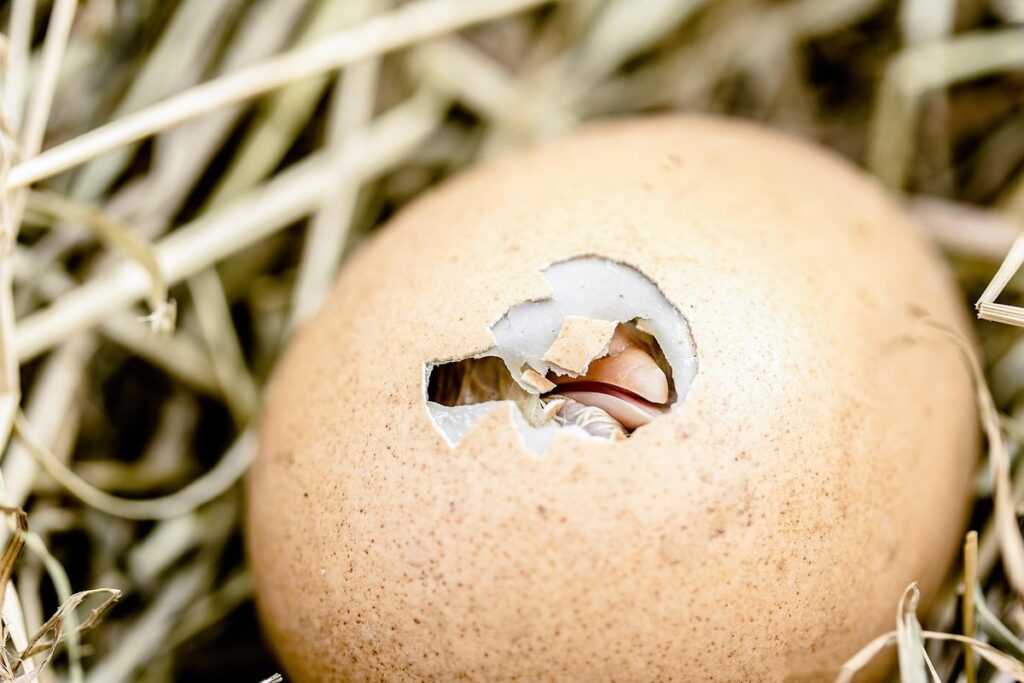
Understanding the Risks of Chicks Dying in Shell
Let’s dive into the potential risks and factors that contribute to chicks dying inside their shells, a heartbreaking experience for many backyard chicken keepers.
Importance of Incubation and Brooding
Incubation and brooding are critical steps in ensuring that chicks develop healthily after hatching. A well-maintained incubator provides a controlled environment for eggs to incubate safely, while proper brooding conditions allow chicks to transition smoothly from the warmth of the egg to the cooler air.
A healthy incubation environment includes maintaining a consistent temperature between 99-100°F (37-38°C), humidity levels around 50-60%, and turning the eggs regularly. Failure to do so can lead to issues such as embryonic mortality, delayed hatching, or even stillbirth.
During brooding, it’s essential to provide chicks with adequate ventilation, warmth, and a safe space to grow. This includes keeping the brooder at a comfortable temperature (around 90-95°F or 32-35°C), ensuring sufficient food and water are available, and monitoring for any signs of stress or disease.
Inadequate brooding can result in weakened chicks, increased susceptibility to illness, and reduced growth rates. It’s crucial to maintain accurate records of incubation and brooding conditions to identify areas that may need improvement, thereby reducing the risk of chick mortality.
Factors Contributing to Chicks Dying in Shell
Chicks dying in shell can be attributed to a combination of factors that are often interconnected. Genetics play a significant role, with some breeds being more prone to this issue than others. For instance, large breed chickens are at a higher risk due to their size and weight, which can put excessive pressure on the eggshell.
Temperature fluctuations within the coop or incubator also contribute significantly. Extreme temperatures, either too high or too low, can disrupt embryonic development, causing chicks to die in shell. A temperature range of 99-100°F (37.2-37.8°C) is ideal for incubation.
Humidity levels are another crucial factor, with extreme dryness or moisture affecting the development and hatching process. Ideal humidity levels range from 50-60%. It’s also essential to maintain a consistent environment, avoiding sudden changes that can stress the developing chick and lead to death in shell.
Inadequate or improper egg handling during collection, storage, and transportation can also cause chicks to die in shell.
Environmental Factors Affecting Chick Development
When it comes to chicks dying in shell, environmental factors play a significant role, including temperature and humidity levels that can impact embryo development. Let’s dive into the details of these crucial external influences.
Temperature and Humidity Levels
When it comes to incubating and brooding chicks, maintaining optimal temperature and humidity levels is crucial for their survival. The ideal temperature range for incubation is between 99°F (37°C) and 100°F (38°C), while the ideal humidity level is around 50-60%. This narrow window can be easily missed, especially for novice hatchers.
Even slight deviations from these ranges can have detrimental effects on chick development. For example, temperatures above 102°F (39°C) or below 96°F (35.5°C) can lead to poor embryonic development, causing chicks to die in the shell. Similarly, humidity levels that are too high or too low can cause respiratory problems and affect the absorption of water by the chick.
To avoid these issues, make sure your incubator is calibrated accurately, and keep a close eye on temperature and humidity levels during the incubation period. You can use thermometers and hygrometers to monitor conditions closely. If you notice any deviations, take immediate action to adjust settings or provide additional ventilation to prevent damage to the developing embryos.
Ventilation and Air Quality
Poor ventilation and air quality are often overlooked but crucial factors contributing to chicks dying in shell. When an incubator or brooder lacks adequate airflow, it can lead to a buildup of ammonia and carbon dioxide gases. These pollutants can seep into the eggs, causing respiratory distress for the developing chick. In severe cases, this can result in death or stillbirth.
To put this into perspective, studies have shown that even at low concentrations, ammonia exposure can reduce hatchability by up to 20%. Moreover, improper ventilation increases the risk of fungal growth within the incubator, which can further compromise air quality and lead to chick mortality.
Maintaining proper air circulation involves ensuring there are no obstructions between heating elements and the air vents. Regularly inspect your incubator or brooder for signs of moisture accumulation and maintain a temperature range of 99-100°F (37-38°C) with relative humidity levels below 60%. Cleaning and disinfecting your equipment regularly can also help prevent ammonia buildup, creating a healthier environment for chick development.
Genetic Factors Influencing Chick Mortality
Genetic factors play a significant role in determining a chick’s susceptibility to death in shell, making it essential to understand these underlying influences. Let’s explore the genetic factors that contribute to this issue.
Breeding and Selection Practices
Breeding and selection practices play a significant role in determining a chick’s likelihood of dying in shell. Genetics can influence factors such as eggshell thickness, yolk sac size, and embryonic development, all of which contribute to the chick’s chances of surviving incubation.
When selecting breeding stock, poultry farmers should consider traits that reduce the risk of chicks dying in shell. For instance, farms may prioritize breeds with a lower incidence of eggshell thinning or those with improved yolk sac morphology. These genetic characteristics can significantly impact chick mortality rates.
In addition to breed selection, farmers can implement strategies to mitigate genetic factors contributing to chick death in shell. This includes maintaining optimal breeding and nutrition programs, as well as ensuring adequate management practices during incubation and hatching. By taking a proactive approach to breeding and selection, poultry farmers can minimize the risk of chicks dying in shell and improve overall hatchability rates.
A study on commercial layer lines found that selecting for improved eggshell quality resulted in a 20% reduction in chick mortality rates. This demonstrates the significant impact that genetics can have on chick survival. By understanding and addressing genetic factors contributing to chick death in shell, farmers can make informed decisions to improve their flock’s health and productivity.
Hereditary Conditions Affecting Chicks
When it comes to chicks dying in shell, hereditary conditions can play a significant role. Some breeds are more prone to certain genetic issues that can increase the risk of embryonic development problems or respiratory complications, ultimately leading to mortality.
For instance, some breeds like Leghorns and Cornish Cross are known to have higher incidence rates of embryonic death due to genetic factors such as reduced fertility or embryonic abnormalities. Similarly, other breeds may be more susceptible to respiratory issues like hypovitaminosis A, which can cause chicks to suffocate in their shells.
It’s essential for breeders to be aware of these potential risks and take proactive steps to mitigate them. This can include selecting breeding stock from reputable sources, implementing proper incubation and hatching practices, and ensuring a healthy diet for the mother hen. Regular health checks and monitoring of fertility rates can also help identify any underlying issues early on.
By understanding and addressing hereditary conditions, breeders can reduce the risk of chicks dying in shell and promote healthier flocks overall.
Health Issues Related to Chicks Dying in Shell
When a chick dies inside its shell, it can be heartbreaking for new parents. In this next part, we’ll explore specific health issues that might lead to this tragic outcome.
Infections and Diseases
Chicks can die in shell due to various infections and diseases caused by bacterial, viral, and fungal pathogens. Bacterial infections such as E. coli, Salmonella, and Streptococcus are common causes of chick mortality. These bacteria can enter the egg through the hen’s cloaca or contaminated feed and water.
Viral infections like Marek’s disease virus and Infectious Bronchitis virus can also lead to chicks dying in shell. Fungal pathogens such as Aspergillus and Candida can infect eggs, especially if they are incubated at high temperatures or with poor ventilation.
Chicks may die in shell due to the infection developing during incubation or shortly after hatching. It’s essential to maintain good hygiene and sanitation practices to prevent the spread of these pathogens. Keep the breeding area clean, disinfect equipment regularly, and ensure proper ventilation in the incubator. Store eggs safely, and handle them gently to avoid contamination.
Monitor chick health closely after hatching and take prompt action if you notice any signs of infection or illness. Consult a veterinarian for guidance on treatment and prevention strategies.
Nutritional Deficiencies and Toxins
When chicks die in shell, it can be due to various reasons. However, nutritional deficiencies and exposure to toxins are two significant factors contributing to chick mortality. Poor nutrition during embryonic development can lead to stunted growth, weakened immune systems, and higher susceptibility to diseases.
Lack of essential nutrients like protein, calcium, and phosphorus can cause chicks to develop abnormalities in their beak, legs, or other vital organs. This is because these nutrients play a crucial role in the development of the chick’s skeletal system. For instance, if there is an inadequate supply of calcium, it can lead to softening of the eggshell, causing the chick to leak through and die.
To avoid this scenario, ensure you provide your birds with nutritious feed that meets their specific needs. This includes adding supplements like oyster shells or grit to help them absorb essential minerals more effectively. Additionally, keep an eye on the water quality, as toxins from contaminated water can also cause chick mortality. By taking proactive steps in providing a balanced diet and safe environment, you can reduce the risk of chicks dying in shell due to nutritional deficiencies and toxins.
Prevention and Management Strategies
To help you reduce chick mortality, we’ll explore effective prevention and management strategies that can make a significant difference in your incubation journey. These tips will save you time and stress in the long run.
Best Practices for Incubation and Brooding
Maintaining a healthy incubator or brooder environment is crucial to preventing chick mortality. Temperature control is one of the most critical factors to consider. The ideal temperature for an incubator is between 99°F and 100°F (37°C to 38°C), while a brooder should be kept at around 90°F (32°C) to 95°F (35°C). It’s essential to monitor temperatures regularly, using thermometers or probes that can detect even slight changes. A temperature swing of just 1-2 degrees Fahrenheit (0.5-1 degree Celsius) can be detrimental to developing chicks.
Humidity management is also vital. The ideal humidity level for an incubator is between 50% and 60%. You can maintain this by using a humidifier or misting the eggs with water daily. In a brooder, humidity levels should be kept relatively low, around 30-40%.
Regular cleaning and disinfection of both incubators and brooders are also essential to prevent bacterial and fungal growth. This can be achieved by thoroughly washing surfaces with soap and warm water, followed by a rinse with clean water and then sanitizing with a veterinary-strength disinfectant.
Monitoring and Troubleshooting
Monitoring chick development is crucial to identify potential issues early on. Check on chicks daily for signs of distress, such as lethargy, loss of appetite, or abnormal posture. Record these observations and note the temperature, humidity levels, and any changes made to their environment.
Be aware of common issues that may arise during incubation, like incorrect temperature settings (above 99°F or below 98°F), poor ventilation, or contamination. If you notice a drop in fertility rate or consistent losses, investigate these factors first. Troubleshoot the source of the problem by adjusting parameters and monitoring the chicks’ response.
In brooding, watch for chicks not pecking at feed, irregular growth patterns, or an excessive amount of molting (more than 20%). These can be signs of nutritional deficiencies or other underlying health issues. Take corrective action promptly to prevent further losses.
Case Studies and Real-World Examples
Let’s take a closer look at some real-life scenarios where chicks have died inside their shells, highlighting common causes and what you can learn from them.
Success Stories and Failure Analysis
Let’s take a look at some real-world success stories and failure analysis of breeders who have successfully reduced chick mortality rates or overcame specific challenges related to chicks dying in shell.
One such example is Sunny Meadows Poultry, a small-scale breeder that experienced high chick mortality rates due to inadequate incubation temperature control. By investing in a digital thermometer and adjusting their incubator settings, they were able to bring the rate down to 3% from an initial 12%. This minor investment paid off significantly.
Another example is Greenfield Farms, which struggled with poor egg handling practices that led to chicks dying in shell due to cracks or other damage. By implementing proper egg washing and drying procedures, their chick mortality rate dropped by 10%.
Analyzing these successes shows us the importance of paying attention to even small details such as temperature control and egg handling practices.
Lessons Learned from Failed Attempts
One of the most valuable lessons we can learn from failed attempts is identifying common pitfalls and mistakes that lead to increased chick mortality. A key area where many farmers go wrong is handling eggs after collection. Improper storage, excessive temperature fluctuations, or even a slight crack can cause chicks to die in shell.
Another critical mistake is not providing adequate humidity and ventilation in the incubation room. Low humidity can lead to water loss within the egg, causing dehydration and ultimately, chick death. Conversely, extremely high humidity can foster bacterial growth, which also contributes to mortality.
Some farmers may overlook the importance of proper egg candling, leading to unseen issues that kill chicks in shell. Regular candling helps detect any potential problems before they become fatal. Finally, a lack of monitoring and maintenance during incubation periods can result in catastrophic losses due to unnoticed temperature or humidity fluctuations.
To avoid these common pitfalls, it’s essential to develop a strict routine for handling eggs, maintaining the incubation environment, and regularly inspecting your eggs through candling. By understanding and addressing these potential mistakes, you’ll significantly reduce the risk of chick mortality in shell.
Conclusion and Future Directions
As we conclude our exploration of the causes of chicks dying in shell, let’s now look at what you can do to prevent these unfortunate incidents in the future.
Recap of Key Takeaways
As you’ve navigated through this article, it’s essential to recap the key takeaways to ensure that you’re equipped with the knowledge to prevent chick mortality. One of the primary causes of chicks dying in shell is inadequate incubation temperature and humidity levels. This can be resolved by monitoring your incubator regularly and making necessary adjustments.
Other critical factors include proper egg handling, storage, and turning, as well as the health status of your flock. A clean and sanitized environment is also crucial in preventing bacterial and fungal infections that can lead to chick mortality. Don’t forget to check for any signs of embryo development or abnormal growth patterns before hatching.
In conclusion, by paying attention to these key areas – incubation conditions, egg handling, storage, and health status – you’ll significantly reduce the risk of chicks dying in shell. It’s also vital to maintain accurate records of your flock’s health, reproductive cycles, and hatch statistics to identify potential issues early on. By implementing these practices and being vigilant about monitoring your flock, you’ll be well on your way to minimizing chick mortality and increasing your chances of a successful hatch.
Future Research and Development Opportunities
As we conclude our discussion on the causes of chicks dying in shell, it’s essential to acknowledge that there is still much to be discovered and explored in this area. Reducing chick mortality rates and improving overall brood health remain significant challenges for poultry producers worldwide.
One potential avenue for future research is the investigation of novel eggshell membrane (ESM) materials. These materials have shown promise in enhancing hatchability and reducing embryonic mortality. For instance, studies have demonstrated that ESM-coated eggs exhibit improved water vapor transmission rates, which can help prevent moisture-related issues during incubation.
Another promising area of research involves exploring the relationship between chick development and maternal factors, such as egg nutrition and breed selection. Understanding how these factors influence chick viability will enable poultry producers to optimize their breeding programs and improve hatch success rates. Furthermore, advancements in artificial intelligence and machine learning can also be leveraged to develop predictive models for identifying high-risk chicks and optimizing incubation conditions.
By investing in cutting-edge research and development, we can continue to push the boundaries of knowledge on chick mortality reduction and ultimately improve the welfare and productivity of poultry flocks worldwide.
Frequently Asked Questions
What are the most critical environmental factors that I should monitor during incubation to prevent chicks from dying in shell?
Ensure a stable temperature between 99-100°F (37-38°C) and maintain humidity levels around 50-60%. Regularly turn eggs to prevent positional abnormalities. A consistent environment is crucial for healthy chick development.
Can any genetic factors contribute to chicks dying in their shells, and how can I identify them?
Yes, some breeds are more prone to shell-related issues due to genetic predisposition. Look for signs of hereditary conditions such as weakened eggshells or increased mortality rates within specific breed lines. Consider consulting with a veterinarian or experienced breeder to identify potential genetic contributors.
How do I know if my incubation temperature is too high or too low, and what are the consequences?
Temperature fluctuations can be detrimental to chick development. Monitor your incubator’s temperature closely; ideally, it should range between 99-100°F (37-38°C). Temperatures above 101°F (39°C) can lead to embryonic death or developmental issues, while temperatures below 98°F (36°C) may cause delayed hatching.
Can nutritional deficiencies in the mother hen affect chick development and increase the risk of chicks dying in shell?
Yes, nutritional deficiencies in the mother hen can impact egg quality and potentially contribute to increased mortality rates among chicks. Ensure your flock is receiving a balanced diet rich in essential nutrients, including calcium, protein, and vitamins.
How often should I candle eggs during incubation, and what signs indicate potential issues with chick development?
Candle eggs 3-4 times per week to monitor embryonic development and detect any potential problems early on. Look for clear signs of life, such as the pulsing of blood vessels or visible movement within the egg. If you notice any irregularities, consult your incubation manual or seek guidance from an experienced breeder or veterinarian.