
If you’re considering adding some unique flair to your backyard flock, or if you’re simply curious about one of the most sought-after duck breeds in North America, you’ve come to the right place. The Cayuga duck breed is a favorite among waterfowl enthusiasts for its striking appearance and charming personality, but it’s not just its looks that make it stand out – this breed also boasts some distinct characteristics when it comes to health and breeding requirements.
In this article, we’ll delve into the world of Cayugas, exploring their origins in North America, and discussing everything from their temperaments and feeding needs to health considerations and breeding best practices. Whether you’re a seasoned duck breeder or just starting out, you won’t want to miss this comprehensive guide to the Cayuga duck breed – so let’s dive right in!
Origin and History
The Cayuga duck breed has a rich history dating back centuries, originating from North America where it was first bred for its unique characteristics. Let’s dive into how this fascinating breed came to be.
Early Development
The Cayuga duck breed’s early development is deeply rooted in North American history. Specifically, its origins can be traced back to the Iroquois tribe, a confederation of Native American nations that lived in what is now New York state and surrounding areas. The Iroquois are known for their advanced knowledge of agriculture and animal husbandry, skills they developed over centuries.
It’s believed that early European settlers learned from the Iroquois about waterfowl breeding and genetics. As a result, the Cayuga duck breed’s development is closely tied to that of other waterfowl breeds. The Cayuga’s unique characteristics, such as its slate-colored feathers and friendly temperament, were likely developed through selective breeding practices.
In fact, some historians believe that the Cayuga duck was used in combination with other breeds to create even more desirable traits in subsequent generations. This blending of genetic lines helped establish the Cayuga as a distinct breed, one that has since become popular among waterfowl enthusiasts for its calm demeanor and striking appearance.
Standardization Efforts
As the Cayuga duck breed gained recognition as a distinct entity in the late 19th century, the American Poultry Association took steps to standardize the breed and establish breed-specific guidelines. This marked an important milestone for Cayuga enthusiasts and breeders, who had long sought to preserve the breed’s unique characteristics.
To achieve standardization, the association established specific requirements for breeding programs, including minimum numbers of ducks per flock and strict criteria for selecting breeding stock. For example, breeder candidates were required to demonstrate a consistent track record of producing high-quality Cayugas with desirable traits such as egg-laying capacity and feather quality.
These guidelines also emphasized the importance of maintaining genetic purity within each breed, ensuring that offspring inherited desired characteristics from their parents. By doing so, breeders could confidently market their ducks as true representatives of the Cayuga breed. This concerted effort towards standardization has helped preserve the integrity of the Cayuga duck breed for generations to come.
Physical Characteristics
The Cayuga duck breed is easily recognizable by its unique physical traits, and let’s dive into what makes these ducks stand out from others. In terms of appearance, they have some distinctive features that set them apart.
Plumage
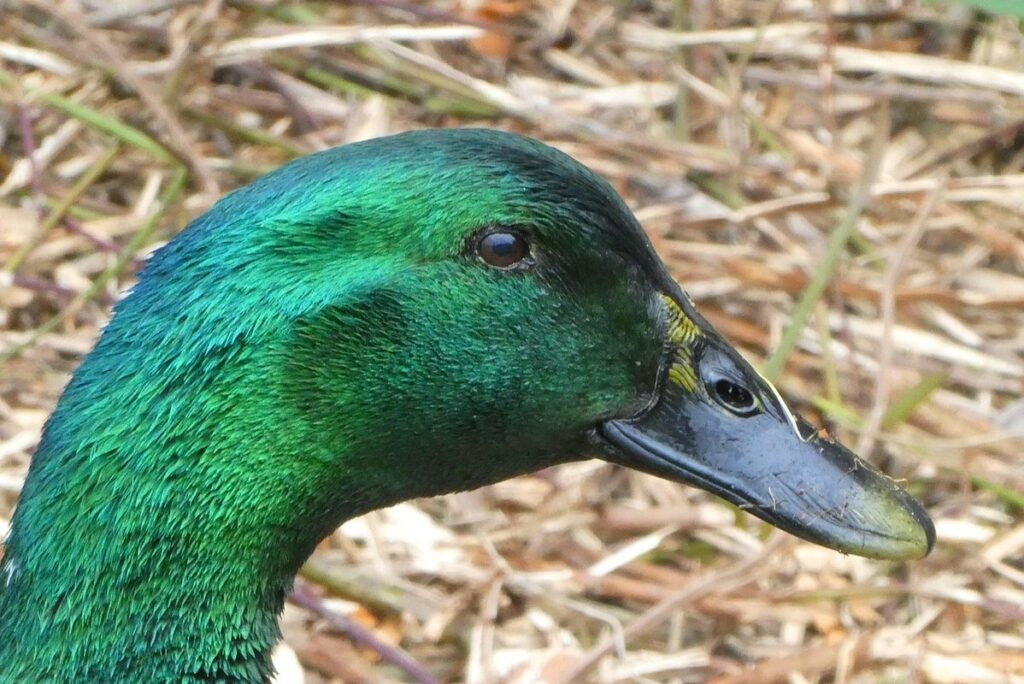
The plumage of the Cayuga duck is one of its most distinctive and attractive features. Characterized by a slate-blue coloration that can range from dark gray to almost black, the Cayugas’ feathers are not only beautiful but also surprisingly consistent across both males and females. Unlike many other breeds, where sex-linked traits might lead to noticeable differences in plumage between drakes (males) and hens (females), the Cayuga duck’s coloring is remarkably uniform.
In fact, breeders and enthusiasts often comment on the ease with which they can identify a Cayuga’s sex based on its overall appearance rather than specific plumage traits. This consistency not only makes the breed visually appealing but also simplifies the process of selecting breeding stock or identifying individual birds in a flock. Whether you’re an experienced duck breeder or just starting out, understanding and appreciating the unique characteristics of the Cayuga duck’s plumage can help you make informed decisions about your flock and enhance your overall experience with these charming waterfowl.
Beak Shape and Size
The Cayuga duck breed is instantly recognizable due to its striking orange beak. This distinctive feature not only adds to their visual appeal but also serves as a distinguishing characteristic that sets them apart from other waterfowl breeds. A key aspect of the Cayuga’s beak shape is its straightness, which provides a clear contrast to the curved or hooked beaks found in many other duck breeds.
In terms of size, the medium-sized beak is well-suited to the Cayuga’s overall physical proportions. It allows them to effectively forage for food and navigate their surroundings with ease. This balance between form and function is a testament to the breed’s adaptability and resilience. When it comes to caring for your Cayugas, it’s essential to provide a balanced diet that includes a mix of grains, fruits, and vegetables. This will help maintain the health and integrity of their beaks, ensuring they remain vibrant and functional throughout their lives.
Temperament and Behavior
When it comes to Cayuga duck temperament, you’ll find that these birds are known for their calm demeanor and friendly nature, making them a great fit for families. They’re social animals that thrive on interaction.
Adaptability
When it comes to temperament and behavior, one of the standout characteristics of Cayuga ducks is their adaptability. Whether you’re raising a small backyard flock or managing a large commercial operation, these birds are known for thriving in various settings.
In terms of socialization, Cayugas tend to get along well with other poultry, but they may require some training or socialization during the first few months of life. This is especially true if you’re introducing them to existing flocks or mixing breeds. A simple rule of thumb is to introduce new birds slowly and under close supervision, allowing them to become familiar with their new surroundings and companions.
To promote harmonious coexistence within your flock, consider implementing a gradual introduction process, such as keeping the Cayugas separate for the first week before introducing them to other birds in a controlled environment. With patience and proper socialization, these adaptable ducks will integrate seamlessly into any poultry operation.
Energy Levels
When it comes to keeping your Cayuga duck happy and healthy, their energy levels are an essential consideration. As a medium-energy breed, they require regular exercise to burn off excess calories and prevent boredom. However, this doesn’t mean you need to commit to hours of intense activity each day.
A combination of free-range time and structured activity is the perfect way to meet your Cayuga’s needs. Start by giving them access to a secure outdoor area where they can forage and roam freely. This will not only provide them with physical exercise but also mental stimulation as they explore their surroundings.
In addition to free-range time, incorporate some structured activities into their daily routine. A 20-30 minute walk around the yard or a quick play session with toys will help keep their energy levels in check. You can also try incorporating water-based activities like paddling or swimming to provide an extra challenge and workout for your Cayuga.
Remember, consistency is key when it comes to maintaining your Cayuga’s energy levels. Aim to provide them with a mix of free-range time and structured activity every day, and adjust the intensity and duration based on their individual needs.
Health Considerations
When considering bringing a Cayuga duck into your family, it’s essential to think about their specific health needs and potential predispositions. We’ll cover these important considerations in detail here.
Common Issues
When it comes to health considerations for Cayuga ducks, there are several common issues that breeders and owners should be aware of. One of the most significant concerns is respiratory problems. Due to their compact bodies and short, wide beaks, Cayugas can experience breathing difficulties, especially in hot or humid weather conditions. To mitigate this risk, it’s essential to provide a well-ventilated coop with adequate airflow.
Another health issue that affects Cayugas is feather pecking disorder. This condition occurs when ducks become excessively aggressive towards their own feathers, leading to stress, discomfort, and even skin infections. To prevent feather pecking disorder, ensure your flock has access to a balanced diet, provides sufficient enrichment activities, and maintains a clean living environment.
Regular veterinary check-ups are crucial in monitoring the health of your Cayuga ducks. Schedule annual check-ups with a poultry-savvy veterinarian to detect any potential health issues early on. By being proactive and attentive to their needs, you can help minimize the risk of these conditions and ensure the overall well-being of your flock.
Genetic Factors
As you consider bringing Cayuga ducks into your flock, it’s essential to be aware of the potential health concerns that come with this breed. As a relatively rare breed, Cayugas may be more susceptible to genetic disorders due to their limited gene pool.
Breeders should prioritize responsible breeding practices to minimize the risk of inherited conditions. This involves selecting breeding stock carefully and aiming for genetic diversity within your flock. For instance, you can achieve this by introducing new bloodlines or crossing Cayugas with other breeds to introduce fresh genetics.
Maintaining a diverse gene pool is crucial in preventing the concentration of recessive genes that can lead to health issues. When choosing breeding stock, look for individuals with desirable traits and a strong overall health. Regular health checks and monitoring will also help you identify potential problems early on. By being mindful of genetic factors and taking proactive steps, you can reduce the risk of inherited conditions in your Cayuga duck flock.
Breeding and Raising
When it comes to Cayuga duck breeding, selecting healthy stock is crucial for raising strong and thriving birds. In this section, we’ll guide you through the essential steps for successful Cayuga duck breeding and raising.
Reproduction Cycle
When it comes to breeding and raising Cayuga ducks, understanding their reproductive cycle is essential for successful duck keeping. As prolific layers, Cayugas are known to produce an average of 300-320 eggs per year, making them a popular choice among duck enthusiasts.
In terms of maturity, males typically take around 4-6 months to reach full maturity, while females tend to mature a bit earlier. This means that breeding Cayugas will require careful planning and management to ensure optimal egg production and healthy offspring. To achieve this, it’s crucial to provide your ducks with a nutritious diet, adequate space, and proper care.
As a breeder, you’ll want to monitor the reproductive cycles of both males and females closely. This will help you identify when they’re ready for breeding, ensuring that you get the best possible results from each mating cycle. By understanding Cayugas’ unique reproductive characteristics, you can make informed decisions about your flock’s health and productivity.
Nutritional Requirements
When it comes to raising Cayuga ducklings, providing them with the right nutrition is crucial for their growth and development. As a responsible breeder or owner, you’ll want to ensure that your young birds receive a nutrient-rich starter feed that’s specifically formulated for waterfowl.
A good quality duck starter feed should include essential vitamins and minerals such as calcium, phosphorus, and vitamin D3, which are vital for strong bone growth and overall health. Look for feeds that have been fortified with these nutrients to give your Cayuga ducklings the best possible start in life.
As they grow, their nutritional needs will shift towards more protein-based diets. At around 4-6 weeks old, you can transition them to a layer feed or a grower feed that’s higher in protein and lower in energy. Remember, it’s not just about feeding them as much food as possible, but also ensuring the quality of the feed is high.
Aim for feeds with a minimum protein content of 16-18% and avoid overfeeding, which can lead to health problems down the line. By following these guidelines, you’ll be giving your Cayuga ducklings the best chance at thriving and reaching their full potential.
Conclusion
Now that you’ve learned all about the Cayuga duck breed, it’s time to wrap up our comprehensive guide and summarize the key points for easy reference. Let’s review what we’ve covered so far!
Breed Prospects
As you consider adding Cayugas to your flock, it’s essential to understand what makes this breed so appealing. By meeting their specific needs and prioritizing responsible breeding practices, you can ensure a long and healthy life for your feathered friends.
One of the key factors contributing to the Cayuga breed’s enduring popularity is its adaptability. These ducks are surprisingly resilient in various environments and can thrive in smaller backyards or larger commercial operations. To maximize their well-being, provide ample space for exercise, fresh water, and a balanced diet rich in protein and calcium.
In addition to their impressive egg-laying abilities (around 200-220 eggs per year), Cayugas are also valued for their unique temperament. They’re known to be friendly, docile, and relatively low-maintenance compared to other breeds. By understanding these characteristics, you can create a harmonious environment that suits both your needs and those of your flock.
Conclusion Takeaways
As we conclude our comprehensive guide to the Cayuga duck breed, it’s essential to take away key insights that will help you make an informed decision about adding these magnificent birds to your flock. Remembering the breed’s rich history, which dates back to the early 20th century, is a great starting point. Understanding their unique physical characteristics, such as their slate-gray feathers and friendly demeanor, will also aid in selecting the right Cayuga duck for your needs.
Temperament-wise, Cayugas are known for being docile and social, making them an excellent choice for families or experienced duck breeders. Health considerations should not be overlooked, however, as they can be prone to certain health issues if proper care is not taken. Breeding requirements also play a crucial role in ensuring the success of your flock, including factors such as egg-laying capacity and broodiness.
By keeping these points in mind, you’ll be well on your way to successfully raising and caring for Cayuga ducks.
Frequently Asked Questions
Can I keep a single Cayuga duck as a pet, or do they require a flock to thrive?
Yes, Cayugas can be kept alone, but it’s essential to provide them with adequate social interaction and stimulation to prevent boredom and stress. You can consider introducing another breed to create a flock if you plan on keeping your ducks for an extended period.
How often should I collect eggs from my Cayuga duck’s nesting box?
Cayugas are prolific layers, producing around 100-150 eggs per year. It’s recommended to collect eggs daily to encourage the hens to continue laying and reduce the risk of breakage or loss due to mishandling by the ducks.
Are there any specific health concerns I should be aware of when breeding Cayuga ducks?
Yes, Cayugas are prone to certain health issues, including obesity, feather pecking, and prolapse. Regular veterinary check-ups, a balanced diet, and adequate exercise can help mitigate these risks. Additionally, consider genetic testing to identify potential breeding stock with inherited traits.
Can I use artificial incubation for Cayuga duck eggs?
Yes, but it’s crucial to understand that Cayugas have a unique reproductive cycle. The best success rates are achieved when using a commercial incubator specifically designed for waterfowl eggs, following the manufacturer’s guidelines and temperature recommendations.
How can I promote breeding between my male and female Cayuga ducks if they’re not producing viable offspring?
Cayugas have specific genetic requirements for successful breeding. Consult with an experienced breeder or conduct research on Cayuga genetics to understand the necessary traits and characteristics for optimal mating. This will help you identify potential breeding stock and improve your chances of success.