
Deep in the heart of Sri Lanka lies a bird so rare and unique that it has captured the hearts of many. The Ceylon junglefowl is an enchanting creature with characteristics that set it apart from other species. Found only in this island nation, its physical features are as intriguing as its habits and behavior. With distinctive feathers, calls, and mating rituals, this bird has become a prized subject for ornithologists and wildlife enthusiasts alike. But the Ceylon junglefowl is more than just an interesting find – it’s also facing conservation challenges that threaten its survival. In this article, we’ll delve into the fascinating world of the Ceylon junglefowl, exploring its habitat, behavior, cultural significance, and conservation status, shedding light on why preserving this species matters.
Physical Characteristics and Habitat
Let’s take a closer look at what makes these incredible birds thrive in their natural habitat, from their plumage to their living environments. We’ll explore the key characteristics that allow them to survive and flourish.
Body Structure and Plumage
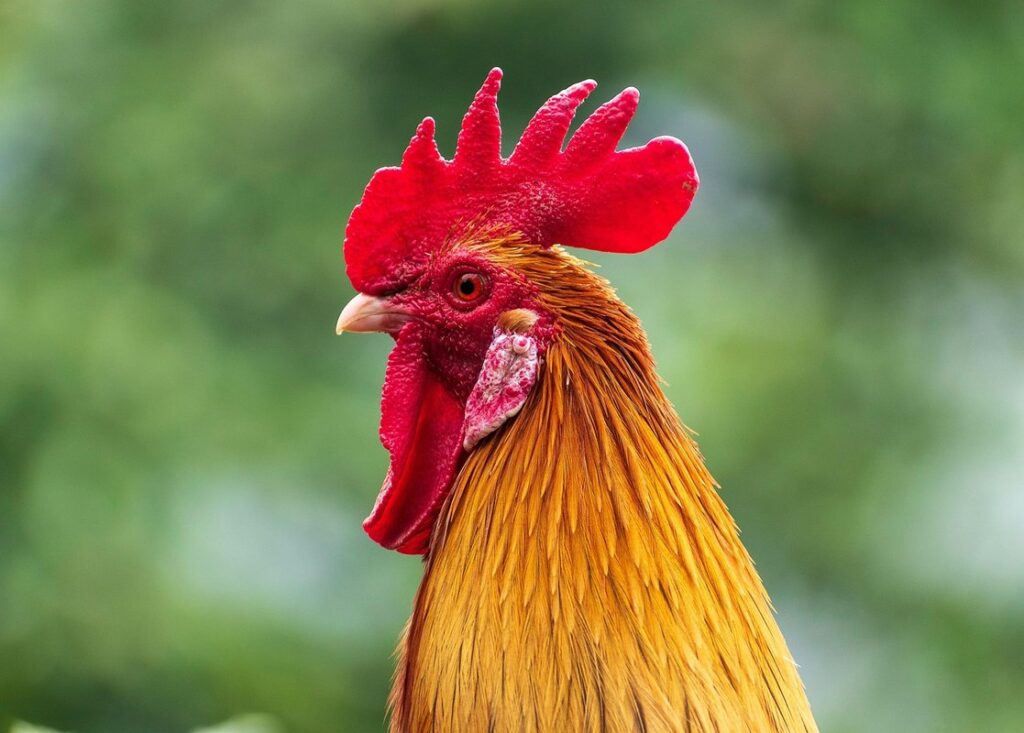
The Ceylon junglefowl is a majestic bird species that boasts a unique and impressive physical appearance. Measuring approximately 60-70 cm in length, this medium-sized galliform has a sturdy body shape with a broad chest and well-developed wings. Males are slightly larger than females.
One of the most striking features of the Ceylon junglefowl is its plumage pattern. The males sport a vibrant mixture of reddish-brown and black feathers on their neck, breast, and belly, while the females have a more subdued brownish-red coloration. Both sexes display a distinctive golden-yellow stripe running along their sides, which adds to their natural beauty.
In terms of notable characteristics, the Ceylon junglefowl is recognized by its long, dark green legs and strong, curved beak. Their eyes are a piercing red-brown hue, providing them with exceptional vision in their native forest habitats. With their impressive plumage and striking features, it’s no wonder that the Ceylon junglefowl has become an iconic symbol of Sri Lanka’s rich biodiversity.
Habitat and Distribution
The Ceylon Junglefowl inhabits the lush and vibrant forests of Sri Lanka, its natural habitat being a perfect blend of tropical and subtropical climate conditions. These birds are predominantly found in the island’s low-lying areas, typically below 1,000 meters above sea level. However, they can occasionally be spotted in higher elevations as well.
The Ceylon Junglefowl thrives in various types of forests, including moist evergreen forests and dry monsoon forests. The bird’s adaptability to different environments is a testament to its resilience and ability to coexist with diverse landscapes. For instance, it has been known to inhabit regions near water sources, such as rivers and streams, where the vegetation is dense and lush.
In terms of geographic factors, the Ceylon Junglefowl is particularly drawn to areas with suitable soil quality, which allows for an abundance of food resources, including seeds, fruits, and insects. Its presence in these regions is also influenced by the availability of shelter and protection from potential predators. Overall, the Ceylon Junglefowl’s habitat preferences underscore its unique ability to thrive in Sri Lanka’s varied ecosystems.
Behavior and Social Structure
When it comes to understanding these magnificent birds, it’s essential to delve into their behavior and social structure, where unique habits and interactions come alive. Let’s explore their fascinating social dynamics.
Breeding and Mating Habits
When it comes to breeding and mating habits, Ceylon junglefowl exhibit unique behaviors that set them apart from other bird species. In Sri Lanka, where these birds are native, the mating season typically falls between April and June. During this time, males engage in elaborate courtship displays to attract females, showcasing their vibrant plumage and loud calls.
The male’s crowning glory is his impressive hackle feathers, which he fans out during courtship to demonstrate his health and dominance. In a display of strength, the male will also puff out his chest and let out a low, resonant drumming call, a sound that can be heard from great distances. Females are drawn to these displays, as they signal the best-suited mate for breeding.
In terms of reproductive habits, Ceylon junglefowl typically form long-term monogamous relationships, with pairs staying together for several breeding seasons. The female lays between 2-5 eggs per clutch, which incubate for about 24 days before hatching. Both parents take turns brooding and caring for the young, teaching them essential survival skills in the wild.
By observing and mimicking these natural behaviors, bird enthusiasts can contribute to the conservation of Ceylon junglefowl populations by promoting healthy breeding habits and encouraging sustainable coexistence with these majestic birds.
Group Dynamics and Territoriality
When it comes to social behavior, Ceylon junglefowl exhibit intriguing characteristics. They are known to form groups of varying sizes, often consisting of multiple males and females. Within these groups, a dominant male will take charge, while the rest of the flock will follow his lead.
Interestingly, researchers have observed that Ceylon junglefowl also engage in pair bonding during breeding seasons. This means that they tend to form close relationships with specific partners, strengthening their bond through vocalizations and displays of courtship behavior.
When it comes to defending territories, males are particularly aggressive, using loud calls and intense displays of plumage to deter potential intruders. Females also play a crucial role in territorial defense, often working together with other females to maintain the group’s boundaries.
One fascinating example of interaction between Ceylon junglefowl and other species is their relationship with the Sri Lankan leopard. While leopards do pose a threat to the birds’ chicks, Ceylon junglefowl have been observed developing strategies to coexist with these predators, such as changing their breeding grounds or adjusting their nesting habits.
By studying the social behavior of Ceylon junglefowl, we can gain valuable insights into the importance of group dynamics and territoriality in maintaining a stable ecosystem.
Diet and Foraging Habits
When it comes to surviving in Sri Lanka’s dense jungles, the Ceylon Junglefowl relies heavily on its unique diet and foraging habits. We’ll take a closer look at what this bird eats and how it finds food in the wild.
Food Sources and Preferences
The Ceylon junglefowl is an opportunistic omnivore, which means it feeds on a wide variety of plants and animals. Its diet consists mainly of fruits, seeds, and grains, including those from the island’s native flora such as the jackfruit (Artocarpus heterophyllus) and the breadfruit (Artocarpus altilis). However, during its breeding season, it has been observed to have a stronger inclination towards animal matter, consuming small insects, lizards, and even small vertebrates like snakes.
In the wild, Ceylon junglefowl forage for food on the forest floor, as well as in shrublands and grasslands. They are known to visit human settlements and agricultural areas in search of food, which can lead to conflicts with farmers who may view them as pests. To minimize such interactions, it’s essential to provide alternative food sources, such as fruit trees or bird-friendly crops, within these areas.
In captivity, Ceylon junglefowl require a balanced diet that includes a mix of commercial pellets and fresh fruits, vegetables, and insects. A ratio of 70% grains to 30% animal matter is recommended for juvenile birds, while adults can be fed a more varied diet with a focus on whole foods rather than processed ones. By understanding the dietary needs of these magnificent birds, we can better care for them in captivity or support their conservation efforts in the wild.
Foraging Strategies and Techniques
When it comes to foraging strategies and techniques, the Ceylon Junglefowl is an expert. These birds have adapted to their native Sri Lankan habitats over centuries, developing unique methods to find food on the forest floor and in the trees.
As a ground-forager, the Ceylon Junglefowl uses its sharp eyesight and keen sense of smell to locate insects, seeds, and fruits on the forest floor. It will scratch at leaf litter and dig into soil to uncover hidden treasures like earthworms or grubs. This foraging style allows it to take advantage of nutrient-rich areas that other birds might overlook.
However, when searching for food in trees, the Ceylon Junglefowl becomes more arboreal. It will climb low-hanging branches or forage on rocky outcroppings, using its strong legs and sharp spurs to grasp onto rough bark. Notably, it has developed a specialized beak shape that allows it to extract seeds from tree trunks and branches.
If you were to observe the Ceylon Junglefowl in its natural habitat, you’d notice how efficient it is at tracking down food sources. This is due in part to its exceptional memory – it remembers where it found food previously and returns to those locations regularly.
Conservation Status and Threats
The Ceylon Junglefowl is facing numerous threats, including habitat loss and hunting, which have significantly impacted its population over the years. Let’s delve into the specific conservation concerns affecting this magnificent species.
Current Conservation Status
The Ceylon junglefowl is listed as Vulnerable on the IUCN Red List, indicating a significant decline in its population. According to the Sri Lanka Wildlife Department, this species was once widespread throughout the country but has since become confined to specific regions due to habitat loss and fragmentation. The main threats to its survival include deforestation, agriculture expansion, and human-wildlife conflict.
Unfortunately, hunting for the bird’s plumage is also a major concern. In an effort to combat these issues, several national parks in Sri Lanka have been established as protected areas for the species. For instance, the Sinharaja Rainforest Reserve provides a crucial habitat for the Ceylon junglefowl and offers a safe refuge from human activities.
If you’re planning to visit Sri Lanka, consider supporting conservation efforts by donating to organizations dedicated to protecting this majestic bird species. You can also make eco-friendly choices during your trip, such as choosing environmentally responsible accommodations and tour operators that adhere to sustainable tourism practices. By doing so, you’ll be contributing to the preservation of the Ceylon junglefowl for generations to come.
Threats to Its Survival
The Ceylon Junglefowl is facing numerous threats to its survival, primarily due to human activities that encroach upon its natural habitat. Habitat loss and fragmentation are significant concerns, as the bird’s forest habitats are being converted into agricultural land, urban areas, and plantations. The construction of roads and other infrastructure also disrupts the junglefowl’s migration patterns and isolates populations.
Hunting is another major threat to the Ceylon Junglefowl, with its meat being highly prized in some local markets. Poaching for bushmeat has become a significant concern, particularly during times of economic hardship when other protein sources are scarce. The bird’s feathers and eggs are also sought after by collectors, further exacerbating the pressure on populations.
In addition to these direct threats, disease is also taking its toll on Ceylon Junglefowl populations. Outbreaks of diseases such as avian malaria and poxvirus have been reported in the wild, weakening the birds’ immune systems and making them more vulnerable to other threats. To combat these threats, conservation efforts must be multifaceted, addressing habitat preservation, anti-poaching initiatives, and disease management strategies that prioritize the well-being of this iconic species.
Cultural Significance and Symbolism
As you delve deeper into the fascinating world of the Ceylon Junglefowl, let’s explore the rich cultural significance and symbolism surrounding this majestic bird species in Sri Lanka. From national pride to mythological connections, its importance is deeply ingrained in the country’s heritage.
Historical and Traditional Significance
In Sri Lankan culture, the Ceylon junglefowl holds a revered position that transcends its status as a majestic bird species. The intricate dance of history and tradition has woven this bird into an integral part of the country’s collective consciousness. According to ancient myths and legends, the Ceylon junglefowl was considered sacred by the earliest inhabitants of Sri Lanka, who believed it possessed mystical powers.
In fact, during the Anuradhapura period, the Ceylon junglefowl was often depicted in Buddhist art as a symbol of fertility and prosperity. The bird’s striking plumage and unique call were said to possess spiritual significance, with its song believed to bring good fortune and ward off evil spirits. To this day, Sri Lankans revere the Ceylon junglefowl as a national treasure, not just for its breathtaking beauty but also for its profound cultural significance.
The bird’s majestic appearance has inspired countless artworks, from intricate wood carvings to vibrant paintings that adorn temples and homes throughout the island.
Modern-Day Symbolism and Representation
The Ceylon Junglefowl’s majestic beauty and unique characteristics have made it a coveted subject in modern-day art and literature. In Sri Lankan culture, the bird is often depicted in vibrant murals and paintings, symbolizing fertility, prosperity, and the country’s rich biodiversity. Its striking plumage and impressive call have also inspired many local musicians to incorporate its sounds into their compositions.
In recent years, the Ceylon Junglefowl has gained international recognition as a cultural icon. It has been featured in several high-profile art exhibitions, including the “Birds of Paradise” exhibition at the National Museum in Colombo. The bird’s image has also been used by local designers to create stunning textiles and jewelry pieces, blending traditional techniques with modern flair.
For those interested in exploring the Ceylon Junglefowl’s cultural significance further, consider visiting Sri Lanka during its annual Avian Festival, where locals showcase their art and music inspired by the bird. You can also try incorporating some of the bird’s symbolic meanings into your own creative projects, such as using vibrant colors to represent prosperity or writing about the importance of conservation in your community.
Comparison to Other Junglefowl Species
When comparing the Ceylon junglefowl to its relatives, it’s essential to understand how they differ in terms of appearance and behavior. Let’s explore these key distinctions.
Distinctive Features and Characteristics
One of the most striking aspects of the Ceylon junglefowl is its distinct physical appearance when compared to other members of its genus. In terms of plumage, the male’s vibrant green throat patch and scaly legs set it apart from its cousins. The Ceylon junglefowl’s crest, which is typically longer and more slender than in other species, also makes a notable impression. When it comes to size, the Ceylon junglefowl tends to be slightly larger than some of its counterparts.
In fact, studies have shown that males can reach lengths of up to 24 inches (61 cm), making them one of the largest junglefowl species in Sri Lanka. Another key feature is the bird’s call – a distinctive “ka-ka-ka” or “chirp-chirp-chirp” sound that can be heard echoing through the forest. This unique vocalization allows for easy identification and helps to distinguish the Ceylon junglefowl from other species within its habitat.
Comparative Analysis with Similar Species
When it comes to the Ceylon junglefowl, it’s natural to wonder how it compares to other similar species. After all, this bird is part of a larger family of junglefowls found across Southeast Asia and Sri Lanka. One of its closest relatives is the Indian peafowl (Pavo cristatus), a majestic bird known for its stunning plumage and loud calls.
In terms of physical characteristics, the Ceylon junglefowl and the Indian peafowl share some similarities. Both birds have vibrant blue feathers on their necks and breasts, although the Ceylon junglefowl’s colors are more muted overall. However, while the Indian peafowl is known for its extravagant tail feathers, the Ceylon junglefowl has a relatively simple train. This difference may be due to the fact that the Ceylon junglefowl lives in denser forests with less grassland habitat.
Another key area of comparison is behavior. Both birds are ground-dwelling species, but while the Indian peafowl is known for its nomadic behavior and tendency to roam in search of food, the Ceylon junglefowl tends to be more sedentary. This may be due to its adaptations to living in dense forests with limited grassland areas.
In terms of habitat, both birds are found in tropical forests, but the Indian peafowl is often seen in open woodlands and scrub habitats. The Ceylon junglefowl, on the other hand, tends to stick to denser forests with a mix of tree cover and undergrowth. This difference in habitat preference may be due to differences in food availability or predator avoidance strategies.
Despite these similarities and differences, it’s worth noting that the Ceylon junglefowl is more endangered than its Indian counterpart. According to IUCN Red List estimates, there are fewer than 5,000 individuals remaining in the wild. This highlights the importance of conservation efforts for this unique species.
Frequently Asked Questions
Can I visit Sri Lanka to spot the Ceylon junglefowl in its natural habitat?
Yes, Sri Lanka offers numerous national parks and wildlife reserves where you can attempt to spot this elusive bird species. However, keep in mind that sightings are rare due to their limited range and skittish nature. Consult with local guides or join guided tours to increase your chances of spotting a Ceylon junglefowl.
What conservation efforts are underway to protect the Ceylon junglefowl?
Several organizations and initiatives are working towards preserving this species. These include habitat restoration, anti-poaching campaigns, and community-based conservation projects. You can support these efforts by donating to reputable organizations or spreading awareness about the importance of protecting this unique bird.
How can I contribute to the conservation of the Ceylon junglefowl beyond just learning more about it?
Consider supporting local conservation groups through volunteering or membership programs. You can also participate in citizen science projects, such as monitoring bird populations or reporting sightings. Moreover, spreading awareness among your network and advocating for wildlife protection can help make a collective impact.
Are there any cultural or historical sites where I can learn more about the Ceylon junglefowl’s significance?
Yes, Sri Lanka is home to numerous ancient temples and sites that hold cultural and historical significance. Visit these locations to gain insight into the bird’s symbolic meaning in local mythology and traditions. The Sigiriya Rock Fortress and Polonnaruwa Historical Monument are two such sites worth exploring.
How can I identify a male Ceylon junglefowl from a female or other species?
To distinguish between males and females, look for the distinctive “vibra” feathers on the neck of males. These feathers are more vibrant in color and have a unique pattern. Be cautious not to mistake it with other galliform species, as their plumage patterns may resemble those of the Ceylon junglefowl.