
Are you looking to add some new feathered friends to your backyard flock, but want a breed that’s as gentle as they are prolific egg-layers? Look no further than the Chantecler hen! Originating from Canada, this medium-sized breed has earned its place in many backyard flocks due to its docile nature, impressive egg production, and robust immune system. With their striking appearance and charming personalities, it’s easy to see why Chantecler hens have become a favorite among backyard chicken keepers. In this article, we’ll delve into the origins of these wonderful birds, explore their characteristics, and provide expert advice on how to care for them, making them an ideal addition to your flock. Whether you’re a seasoned farmer or just starting out with backyard chickens, learning about Chantecler hens is essential knowledge that will help you create a happy and healthy home for your feathered friends.
Origin and History
Let’s dive into the fascinating history of Chantecler hens, a breed born out of Canada’s agricultural ambitions over a century ago. Their development is a testament to innovative farming practices.
The Breed’s Origins: France and Canada
Chantecler hens have a fascinating history that spans across two continents and dates back to the early 20th century. The breed’s origins are deeply rooted in France and Canada, where they were developed specifically for their hardiness, egg-laying abilities, and cold-weather tolerance.
In the early 1900s, French poultry farmers began working on creating a chicken breed that could thrive in the harsh climate of Quebec, Canada. They drew inspiration from the native birds found in the region, crossing them with other breeds to create a bird that was well-suited for the Canadian winters. The resulting breed, known as the Chantecler, quickly gained popularity for its ability to withstand extreme cold and produce an impressive number of eggs.
By the 1920s, the Chantecler had become an integral part of Quebec’s poultry industry, with thousands of birds being raised on farms across the province. The breed’s popularity soon spread beyond Canada’s borders, with French farmers adopting it as a solution to their own cold-weather challenges. Today, the Chantecler is recognized globally for its unique characteristics and hardiness, making it a popular choice among backyard chicken enthusiasts and commercial farmers alike.
The Role of M. Dubois and His Vision for a Dual-Purpose Breed
M. Dubois was instrumental in shaping the Chantecler breed, driven by his vision to create a dual-purpose bird that excelled at both egg production and raising tender meat. This pioneering work laid the foundation for the modern Chantecler hen. Dubois’s goal was to develop a chicken that could thrive on Canada’s rugged terrain, where conditions were often harsh and resources limited.
To achieve this, he carefully selected birds with desirable traits such as hardiness, disease resistance, and adaptability. He also focused on breeding chickens with robust egg-laying capabilities, ensuring they could produce high-quality eggs even in challenging environments. By emphasizing these dual qualities, Dubois aimed to create a breed that was self-sufficient and able to withstand the unforgiving Canadian climate.
As you consider raising Chantecler hens on your own farm or homestead, remember that their robust nature and adaptability make them an excellent choice for small-scale farmers. With proper care and management, these hardy birds can thrive in a variety of conditions, providing you with fresh eggs and delicious meat.
Characteristics and Physical Traits
One of the most distinctive things about Chantecler hens is their unique appearance, which sets them apart from other breeds. Let’s take a closer look at their characteristics and physical traits.
Size and Weight: A Medium-Sized Breed
When it comes to size and weight, Chantecler hens are generally considered medium-sized. On average, females weigh between 5.5-6.5 pounds (2.5-3 kg), making them a great choice for small farms or backyard chicken keepers who want a manageable flock.
One of the benefits of Chantecler hens is their compact size, which means they don’t require as much space to roam. This is especially important for urban farmers or those with limited land. At the same time, they’re still large enough to provide a decent amount of eggs per week – typically around 200-220 large brown eggs annually.
It’s also worth noting that Chantecler hens are known for their broad, rounded bodies and short legs. This unique build contributes to their overall medium size and weight. While this may not be the largest breed out there, it’s certainly one of the more well-rounded, making them a great addition to any backyard flock.
Plumage and Feathers: Distinctive Features of the Breed
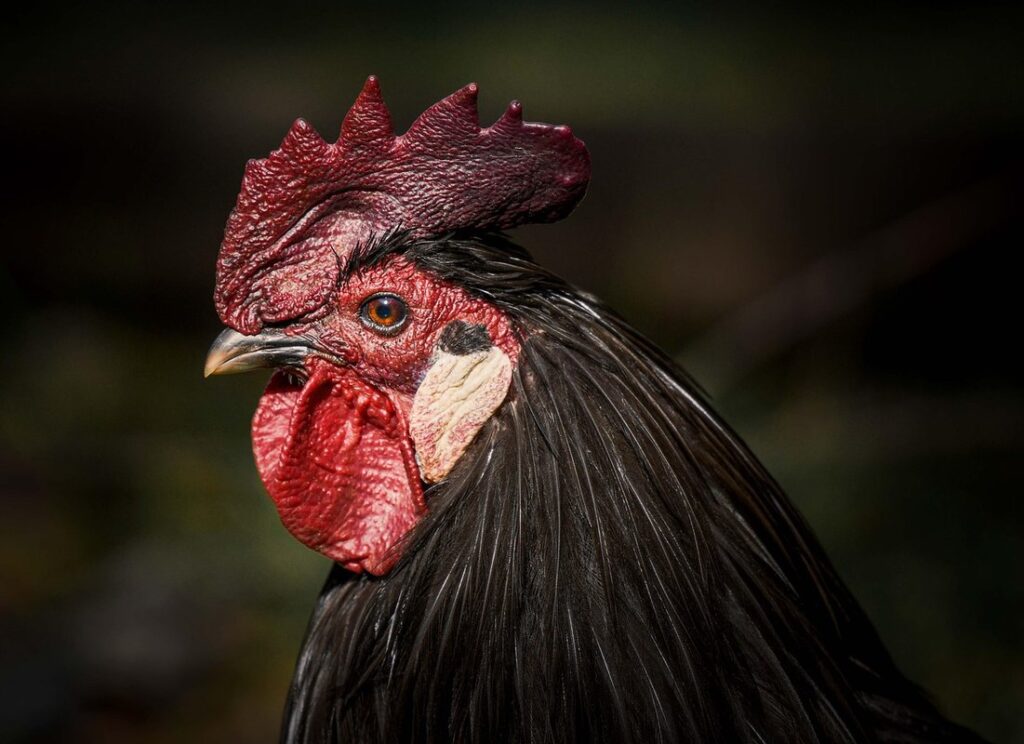
When it comes to the distinctive features of the Chantecler hen breed, their plumage and feathers are truly standout characteristics. One of the most striking aspects of this breed is their white base color with black hackles, neck feathers, and wings. This unique combination gives them a beautiful, elegant appearance that’s sure to turn heads in any backyard flock.
The black hackles and neck feathers create a dramatic contrast with the white base coat, while the black wings add depth and dimension to their overall look. When you see a Chantecler hen strutting around her coop or foraging in the yard, it’s hard not to be impressed by the way these striking feathers catch the light.
If you’re thinking of adding a few Chanteclers to your flock, keep an eye out for this distinctive feathering when selecting birds. And if you already have some Chantecler hens at home, take a closer look at their plumage and appreciate the beautiful design that sets them apart from other breeds.
As with any breed, the quality and condition of a Chantecler’s feathers can be influenced by factors such as nutrition, health, and grooming. Make sure to provide your girls with a balanced diet and regular care to keep their feathers looking their best.
Temperament and Personality
When it comes to Chantecler hens, understanding their temperament and personality is crucial for any new owner. In this section, we’ll dive into what makes these birds tick.
Known for Their Docile Nature
Chantecler hens are known for their exceptional temperament, making them an excellent addition to any backyard flock. One of the standout characteristics of Chantecler hens is their friendly and docile nature, which means they’re perfect for families with children or for those who want a low-maintenance pet.
These birds are remarkably gentle and easy-going, rarely showing aggression even in the face of stress or fear. This calm demeanor makes them an excellent choice for smaller farms or homesteads where noise levels need to be kept down. Whether you’re looking for a quiet companion or a productive layer, Chantecler hens fit the bill.
Their friendly disposition also means they’re social birds that thrive on interaction. They’ll follow you around the yard, and with proper introduction, even enjoy visiting the neighbors. To take advantage of their docile nature, consider introducing them to other chickens in your flock gradually, providing separate feeding areas or enriching activities to prevent stress.
By choosing Chantecler hens for your backyard flock, you’re not only getting a reliable egg-layer but also a loving and loyal companion that will bring joy and happiness to your family.
Egg-Laying Abilities: High-Quality Eggs at a Steady Rate
One of the most appealing aspects of owning Chantecler hens is their impressive egg-laying abilities. These birds are prolific producers, consistently delivering a steady supply of high-quality eggs year-round. On average, a healthy Chantecler hen will lay around 200 large brown eggs per year, making them an excellent choice for families and small-scale farmers looking to supplement their household needs or start a backyard flock.
To put this in perspective, consider that many commercial egg farms struggle to produce eggs of such high quality. The rich, dark brown color and thick, hard shells are just a few reasons why Chantecler eggs stand out from the rest. But it’s not just about quantity – the steady rate at which they lay eggs also makes them an excellent choice for consistent household needs.
If you’re new to raising chickens or looking to expand your flock, consider the following tips when introducing Chantecler hens: provide a balanced diet that includes plenty of calcium and protein, ensure access to clean water and adequate space to roam. With proper care, your Chantecler hens will reward you with an ongoing supply of delicious, nutritious eggs for years to come.
Health and Wellness
Keeping your Chantecler hens healthy and happy is essential, so let’s dive into their specific health needs and how to create a wellness routine for them.
Disease Resistance: A Robust Immune System
Chantecler hens are renowned for their remarkable resilience against diseases due to their robust immune system. This is largely attributed to their unique genetic makeup and adaptability. Studies have shown that these birds possess a high concentration of beneficial microorganisms in their gut, which plays a crucial role in maintaining a healthy digestive system.
As a result, Chantecler hens are less prone to diseases such as respiratory infections, parasitic infestations, and viral outbreaks. Their immune system’s robustness also enables them to recover quickly from illnesses, reducing the need for antibiotics and other medications. This is excellent news for backyard chicken enthusiasts and farmers who can reduce their reliance on pharmaceuticals.
To take advantage of Chantecler hens’ disease-resistant nature, it’s essential to maintain a clean living environment and provide a balanced diet rich in nutrients. Regular vaccinations may also be necessary to protect against specific diseases prevalent in your area. By doing so, you’ll not only promote the overall health and well-being of your flock but also contribute to sustainable farming practices.
Some key benefits of raising Chantecler hens include:
* Reduced healthcare costs due to fewer instances of illness
* Lower dependence on antibiotics and other medications
* Improved egg quality and fertility rates
* Enhanced overall productivity and longevity of the birds
Feeding and Nutrition Requirements: Meeting Their Dietary Needs
Providing Chantecler hens with a well-balanced diet is crucial for their overall health and egg production. A high-quality layer feed should be the main staple of their diet, supplemented with fresh fruits and vegetables to ensure they receive all the necessary nutrients.
Chantecler hens require around 16-18% protein in their diet, which can come from a good quality layer feed. However, it’s also essential to provide them with access to calcium-rich foods such as oyster shells or crushed eggshells to support strong eggshell production. A mix of dark leafy greens like kale and spinach, as well as fresh fruits like berries and apples, will also help meet their nutritional needs.
In addition to these staples, it’s recommended to provide a small amount of mealworms or crickets as a treat to ensure they receive essential micronutrients like iron and zinc. You can also mix in some whole grains such as oats or barley for added fiber and nutrients. By following this feeding plan, you’ll be well on your way to raising happy and healthy Chantecler hens that thrive in their environment.
Care and Management
To keep your Chantecler hens happy and healthy, it’s essential to understand their specific care needs, from nutrition to housing requirements.
Housing Requirements: Providing Adequate Space for Movement
When it comes to providing a comfortable and healthy living environment for your Chantecler hens, adequate space for movement is crucial. These birds need room to stretch their wings, exercise, and engage in natural behaviors like foraging and pecking. A well-designed coop with ample ventilation will help keep your girls happy, healthy, and thriving.
To meet the housing requirements of your Chantecler hens, consider a minimum of 4-5 square feet of space per bird inside the coop. This allows for easy movement, nesting, and egg-laying. Don’t forget to provide additional outdoor access for exercise and enrichment – at least 8-10 hours of free-range time is recommended.
Remember, Chantecler hens are a relatively small breed, so they don’t require an enormous amount of space. However, providing ample room to move will help prevent stress, health issues, and unwanted behaviors like feather pecking or egg-eating. By setting up a suitable coop with plenty of ventilation and adequate space for movement, you’ll be giving your girls the best chance at a happy, healthy life.
Handling and Socialization Tips: Building Trust With Your Birds
When interacting with your Chantecler hens, it’s essential to handle them gently and regularly from an early age. This helps establish trust between you and the birds, making future handling sessions less stressful for both parties.
To build a strong bond with your flock, start by introducing yourself gradually. Begin by letting the chicks see and smell you without direct contact. Once they’re comfortable with your presence, you can start feeding them by hand or gently petting them on their favorite spots.
Gentle handling is crucial, especially when it comes to these friendly birds. Chantecler hens are known for their affectionate nature, but they still need respect and patience. When picking up a chick, support its body and legs carefully, making sure not to hold it too tightly. This will help them develop trust in you and your ability to handle them safely.
Remember that building trust takes time, so be patient and consistent in your interactions with the birds. With regular handling and gentle care, you’ll establish a strong bond with your Chantecler hens, making future management tasks much easier.
Breeding and Raising
If you’re planning on raising Chantecler hens, learning how to breed and raise them successfully is essential for a healthy flock. This section will cover the specifics of breeding and raising these lovely birds.
Finding the Right Breeder: Researching Local Breeders
When seeking out a reputable breeder for your new flock of Chantecler hens, it’s essential to do your research. Start by asking for recommendations from other backyard chicken keepers or local farmers who have experience with the breed. Check online review sites and forums to see what other customers have to say about their experiences with different breeders.
Look for breeders who specialize in Chantecler hens specifically, as they will likely have more knowledge and expertise when it comes to breeding this particular variety. A good breeder should be able to provide you with detailed information about the birds’ ancestry, temperament, and egg-laying abilities. They may also offer guidance on how to care for your new hens, including tips on nutrition, health, and flock management.
When selecting a breeder, pay attention to their reputation online and ask plenty of questions before making a purchase. A reputable breeder should be transparent about the birds’ origins, health guarantees, and any potential genetic issues that may affect your flock. By doing your research and choosing a responsible breeder, you can ensure that your new Chantecler hens are healthy, happy, and well-suited to their new home.
Tips for Successful Hatchery Management: From Fertile Eggs to Hatched Chicks
When it comes to raising healthy Chantecler chicks, having a well-planned hatchery setup is crucial. This starts from the moment you receive fertile eggs from a reputable breeder. Make sure to store them in a cool, dry place until you’re ready to incubate. A temperature range of 37-38°C (98-100°F) and humidity levels between 50-60% are ideal for incubation.
Proper feeding is also essential during the incubation period. Use an electrolyte-rich starter feed to support the chicks’ growth and development. Regular monitoring of the eggs, including candling, can help identify any potential issues before they become major problems.
Once you notice the first pip (the initial crack in the eggshell), be prepared for the hatch by having a brooder set up with food, water, and a heat source. This should maintain a temperature range of 32-35°C (90-95°F) to promote healthy growth. With attention to these details, you can ensure your Chantecler chicks have a strong start in life.
Remember, it’s essential to handle the chicks gently and keep them clean to prevent stress and disease. By following these guidelines, you’ll be well on your way to raising thriving Chantecler hens.
Frequently Asked Questions
What are some key differences between Chantecler hens and other popular backyard chicken breeds?
Chantecler hens stand out due to their robust immune system, high-quality eggs, and cold-weather tolerance. They also have a distinctive appearance with their striped plumage and charming personalities. If you’re looking for a breed that can thrive in harsh Canadian winters or provide delicious eggs consistently, Chantecler hens are an excellent choice.
Can I keep multiple breeds of chickens together in the same coop, including Chantecler hens?
Yes, it’s possible to keep multiple breeds together, but introduce them slowly and under close supervision. Start with birds of similar temperament and size to prevent bullying or stress on your flock. Provide a spacious and well-ventilated coop to minimize conflicts.
How do I choose the right feed for my Chantecler hens to optimize their egg-laying abilities?
When selecting a high-quality layer feed, consider the nutritional needs of your Chantecler hens. Look for feeds containing at least 16% protein and essential vitamins like calcium and phosphorus. Avoid over-reliance on commercial pellets and supplement with fresh fruits and vegetables to ensure a balanced diet.
What are some common health issues I should watch out for in my Chantecler hens?
Chantecler hens generally have a robust immune system, but they can still be susceptible to respiratory problems and internal parasites. Regularly inspect your flock’s droppings and feathers for signs of disease or parasites. Maintain proper coop cleanliness and ensure adequate ventilation to minimize the risk of illness.
Can I raise Chantecler chicks on my own without prior experience with backyard chickens?
Raising Chantecler chicks requires attention to their specific needs, such as temperature-controlled incubation and starter feed. Research local breeders or online resources for guidance on raising healthy Chantecler chicks. Start with a small flock and gradually expand as you gain experience and confidence in your abilities.