
As a backyard chicken keeper or poultry enthusiast, you’re likely curious about how those fluffy little chicks grow into majestic birds with such vibrant plumage. Chick feather development is a fascinating process that’s influenced by both genetic and environmental factors. From the initial stages of morphogenesis to the formation of vanes and barbules, it’s a complex journey that requires optimal nutritional support and suitable environmental conditions. In this article, we’ll take you on a week-by-week tour of chick feather development, exploring the key milestones and how factors like nutrition and temperature impact growth. By understanding these intricacies, you’ll be better equipped to provide your own chicks with the best possible start in life and encourage healthy, thriving plumage.
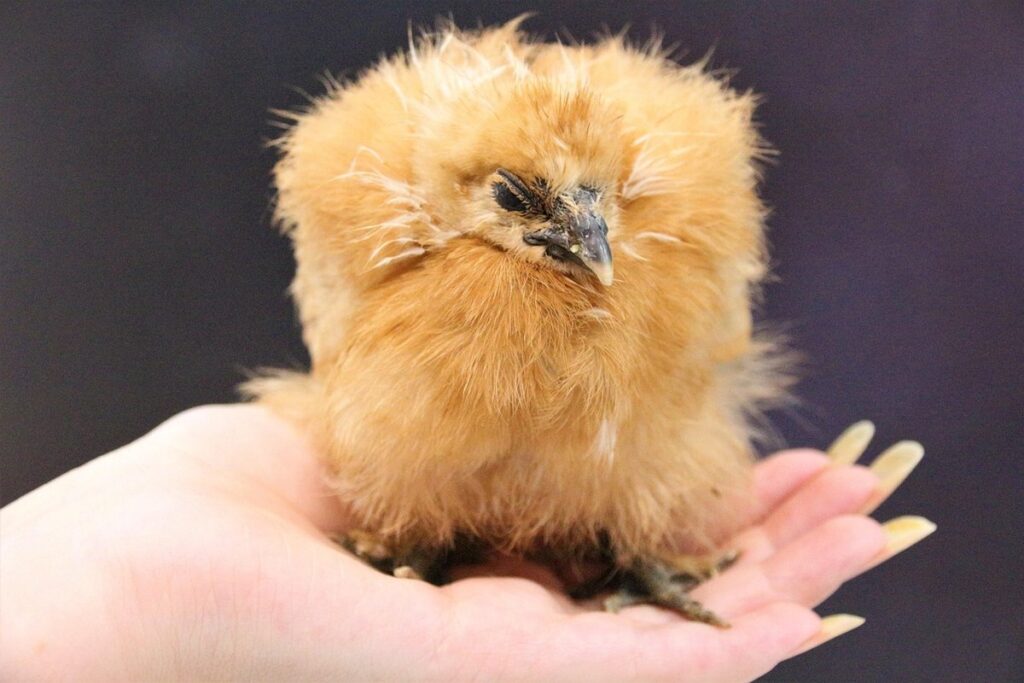
Understanding Chick Embryology
To understand how your chicks develop their feathers, it’s essential to grasp the basics of chick embryology and how feathers grow from the very start. This process is crucial for a successful flock.
Introduction to Feathers and Their Importance
Feathers play a crucial role in the development and survival of chickens. Not only do they provide essential insulation against extreme temperatures, but they also serve as a vital means of flight and communication through display behaviors. From fluffy downy feathers to stiff vaned quills, the intricate structure and variety of feathers are what set birds apart from other animals.
In chicken development, feathers begin to emerge around week 3-4 of incubation. At this stage, they appear as small bumps or tufts on the surface of the embryo’s skin. As they grow, these early feathers start to take on their characteristic shape and form, eventually providing protection against the elements and aiding in thermoregulation.
In wild birds, feathers also play a key role in defense mechanisms such as camouflage and display behaviors like courtship rituals or warning signals to predators. Domesticated chickens may not require these same survival skills, but understanding the importance of feathers can help breeders and owners appreciate the complexities involved in their development and growth.
Stages of Embryonic Development
As we explore the fascinating world of chick embryology, it’s essential to understand the stages of development that lead to the emergence of feathers. The journey begins on day 3-4 when the embryo undergoes gastrulation, a process where the blastoderm (the outer layer of cells) folds inwards and separates into three primary germ layers: ectoderm, mesoderm, and endoderm.
These layers will eventually give rise to different tissues and organs. Organogenesis, which occurs between days 4-5, is when the embryo starts to form its internal organs, including the heart, lungs, and liver. As these organs develop, they begin to interact with each other and their environment, laying the groundwork for the growth of feathers.
One critical event during this period is somatopleuric mesoderm formation, which occurs on day 5-6. The somatopleure (the outer layer of mesoderm) eventually gives rise to the skin, muscles, and feather follicles that will house our chick’s future feathers. This intricate dance of cellular differentiation and tissue interaction sets the stage for the remarkable process of feather development we’ll be exploring in subsequent weeks.
Chick Feather Morphology and Anatomy
Now that you know how feathers grow, let’s dive into the fascinating details of chick feather morphology and anatomy. We’ll explore the unique structures and patterns that emerge during each stage of development.
Feather Structure and Components
A chick’s feather is made up of several distinct components that work together to provide insulation, support, and protection. At its base, a feather has a follicle, which is a small opening on the skin that anchors the feather in place. From this follicle, a central shaft called the rachis emerges. The rachis is the backbone of the feather, providing rigidity and structure.
Branching off from the rachis are smaller barbs, each covered in tiny hooks called barbules. These barbules intertwine with those on adjacent barbs to create a strong yet flexible vane, which gives the feather its shape and allows it to bend without breaking. The intricate interlocking of barbules is what makes feathers so light yet effective at providing insulation and support.
As your chick grows, you may notice that their feathers begin to take on this structure, with visible rachises, vanes, and barbs emerging from the follicles. Understanding the basic components of a feather can help you appreciate the intricate process of chick feather development.
Types of Feathers: Plumage and Flight Feathers
As chicks develop, they grow different types of feathers that serve distinct purposes. The two primary categories are plumage feathers and flight feathers. Plumage feathers, also known as contour feathers, cover the body and provide insulation, protection, and support for the bird’s shape. They come in various shapes and sizes, with longer feathers on the back and shorter ones on the belly.
Flight feathers, on the other hand, are specifically designed for flying. These feathers have stiff, flat vanes that zip together when folded, allowing birds to generate lift and thrust during flight. There are two main types of flight feathers: rectrices (tail feathers) and remiges (wing feathers). The shape, size, and arrangement of these feathers determine the bird’s aerodynamics.
In a broiler or layer flock, it’s essential to recognize the differences between plumage and flight feathers. This helps you identify potential issues early on and make informed decisions about nutrition, health management, and breeding programs.
Chick Feather Development Timeline
As you follow your chicks’ development, it’s exciting to track when they start growing their feathers. Here, we’ll outline the key milestones in chick feather growth from week to week.
Week 1-2: Initial Morphogenesis
During the first two weeks of development, your chick’s feathers are beginning to take shape. This is a critical period known as initial morphogenesis, where the foundation for future feather growth is laid. At around 4-5 days old, you’ll notice the formation of tiny bumps on the chick’s skin – these are called feather germs.
As the chick grows, these feather germs start to branch out, forming small, bud-like structures. This branching process is essential for creating the unique shape and structure of each feather. By around 7-8 days old, you should see a significant increase in the number of branched feather germs on your chick’s skin.
As the feathers continue to develop, they’ll start to show more defined edges and a clearer outline. It’s essential to provide your chick with a balanced diet and adequate space during this period to support healthy growth. By doing so, you’ll set your chick up for strong, beautiful feather development in the weeks to come.
Week 3-4: Vane Formation and Barbule Differentiation
As we reach week 3-4 of chick feather development, several crucial processes are taking place to shape the feathers. One of these processes is vane formation. The vane, also known as the rachis, provides the framework for the feather. It’s composed of a central shaft and two branches that meet at an angle. As the vane forms, keratinization occurs – a process where dead cells are compressed to create a hard, rigid structure.
During this time, filament growth is also happening. Filaments, or barbs, sprout from either side of the vane. These filaments grow in length and thickness as they move towards the tip of the feather. Barbule differentiation starts taking place around week 4. The barbules are small, branching filaments that attach to the main barbs. They help increase the surface area of the feathers, allowing for better insulation and flight capabilities.
Keep an eye on the chick’s feather growth during this period. You might notice a slight change in texture or appearance as the vane starts to take shape.
Nutritional Factors Affecting Feather Development
A balanced diet plays a crucial role in your chick’s feather development, and understanding which nutrients are essential can help you provide optimal care. Let’s dive into the key nutritional factors to consider.
Protein and Energy Requirements
For optimal feather development, it’s crucial to provide chicks with adequate protein and energy intake during critical periods. Protein is essential for building and repairing feathers, while energy supports the overall growth and maintenance of the chick.
A good starting point is to ensure that your chick’s diet contains a minimum of 20% protein, with around 1-2% phosphorus content. This can be achieved by offering high-quality commercial starter feed or supplementing their diet with essential amino acids like methionine and lysine. It’s also vital to understand the age-specific requirements for protein intake: chicks under three weeks old require higher protein levels (around 24-26%) compared to older birds.
Consider feeding your chicks a mix of starter grains, such as oats or barley, along with a source of protein like mealworms or sunflower seeds. A general rule of thumb is to aim for around 15-20% energy content in the chick’s diet, derived from sources like grains, fruits, and vegetables.
Keep in mind that over-supplementation can be detrimental, so ensure you’re not overloading your chicks with excessive protein or energy. Monitor their growth and adjust their diet accordingly to achieve optimal feather development by week five.
Micronutrient Deficiencies and Their Impact
Micronutrient deficiencies can significantly impact feather development in chicks. Biotin, a crucial vitamin for keratin production, plays a significant role in healthy feather growth. A deficiency in biotin can lead to brittle and weak feathers, making them prone to breakage. Similarly, vitamin B12 is essential for the maintenance of healthy skin and feathers. A lack of vitamin B12 can result in slow-growing feathers and potentially even feather loss.
Another critical micronutrient is omega-3 fatty acids, which support overall chick health and development. These essential fatty acids promote healthy skin and feather growth by reducing inflammation and improving nutrient absorption. Without sufficient omega-3 levels, chicks may develop weak or discolored feathers.
Monitoring your chicks’ diet and providing a balanced feed rich in these micronutrients can help prevent deficiencies. Ensure that the commercial starter feed you’re using is formulated with adequate levels of biotin, vitamin B12, and omega-3 fatty acids. In addition to a well-formulated feed, consider offering supplements such as flaxseed or fish oil to boost your chicks’ intake of these essential nutrients. Regularly inspecting your chicks’ feathers can also help identify potential issues early on, allowing you to take corrective action before significant damage occurs.
Common Issues Affecting Chick Feather Development
As you care for your chicks, it’s not uncommon to encounter problems that hinder their feather development. In this crucial stage, knowing what to look out for can make all the difference.
Nutritional Deficiencies and Imbalances
Nutritional deficiencies and imbalances can have a significant impact on chick feather development. One common issue is protein-energy malnutrition, which occurs when chicks don’t receive enough energy from their feed to support growth and development. This can lead to stunted or irregularly shaped feathers, as well as weakened overall health.
Another concern is a lack of essential amino acids, such as methionine and lysine, which are crucial for feather production. If these amino acids are not present in the chick’s diet, it can result in brittle, fragile feathers that are prone to breakage.
To identify potential nutritional deficiencies, monitor your chicks’ overall health, including their weight gain, energy levels, and stool quality. Make sure they’re receiving a balanced feed specifically formulated for their stage of growth. It’s also essential to provide access to clean water at all times.
If you suspect nutritional issues are affecting your chick’s feather development, consult with a veterinarian or poultry expert to determine the best course of action. They can help you identify any underlying problems and recommend adjustments to your chicks’ diet or care routine as needed.
Environmental Factors: Temperature, Humidity, and Stress
Environmental factors play a significant role in chick feather development. Temperature fluctuations can impact the growth rate and quality of feathers. For example, chicks raised in temperatures between 90°F to 100°F (32°C to 38°C) may experience stunted growth or frizzy feathers due to heat stress.
On the other hand, extreme cold temperatures can slow down feather growth or cause damage to existing feathers. A temperature range of 65°F to 75°F (18°C to 24°C) is ideal for optimal chick development.
Humidity also affects chick feather development. High humidity levels above 60% can lead to fungal infections and wetting, causing the feathers to become soggy and unfluffy. Conversely, low humidity levels below 40% can dry out the skin and cause irritation.
Stress is another environmental factor that impacts feather development. chicks under stress may experience stunted growth or uneven feathering. Providing a safe and comfortable environment with adequate space, nutrition, and proper lighting can help minimize stress and promote healthy chick feather development.
Conclusion: Optimizing Chick Feather Development
By now, you have gained valuable insights into the exciting process of chick feather development. To optimize this process and ensure healthy growth, it’s essential to provide your chicks with a balanced diet rich in protein and nutrients. Aim for a starter feed that contains around 20-22% protein during the first few weeks. You should also consider providing supplements or adding egg yolks to their feed to boost the protein content.
Keep in mind that overfeeding can lead to health issues, so monitor your chicks’ weight and adjust their feed accordingly. Also, don’t forget to provide adequate light and ventilation in their enclosure. With proper care and attention, you’ll be rewarded with healthy, well-feathered chickens that will thrive on your farm or homestead.
Frequently Asked Questions
Can I delay or speed up chick feather development by altering their diet?
Yes, providing a balanced and nutrient-rich diet is crucial for optimal chick feather development. However, it’s challenging to significantly alter the growth rate through dietary changes alone. Focus on maintaining a consistent supply of protein, energy, and essential micronutrients, rather than trying to speed up or slow down development.
What are some common signs that my chicks might be experiencing nutritional deficiencies affecting their feather growth?
Chicks may exhibit symptoms like ruffled or dull plumage, slow growth rates, or excessive molting. Keep an eye out for these indicators and ensure you’re meeting their protein, energy, and micronutrient requirements through a well-formulated starter feed.
How do environmental factors like temperature and humidity impact chick feather development?
Temperature and humidity significantly affect feather growth. Extreme temperatures can disrupt metabolism and delay development, while humidity levels that are too high or low can lead to skin problems and hinder feather formation. Maintain a stable environment with temperatures between 90°F to 100°F (32°C to 38°C) and relative humidity levels around 50-60%.
Can I use supplements to support chick feather growth, or is it better to rely on their starter feed?
While supplements can provide additional nutrients, they should complement a well-formulated starter feed rather than replace it. Ensure you’re meeting the chicks’ protein and energy requirements through their main diet before adding supplements.
How long after hatching can I expect to see noticeable feather growth in my chicks?
You’ll typically start seeing significant feather growth around 3-4 weeks of age, with most feathers reaching full length by 6-8 weeks. Be patient and remember that every flock is unique – stay attentive to their needs and adjust your care accordingly.