
Are you struggling to hatch chicks? Do you find yourself dealing with common issues like difficulty breathing, fertility problems, or embryo development delays? You’re not alone. Many backyard chicken keepers and breeders face challenges when it comes to hatching eggs successfully. But what if you could identify the root cause of these problems and take corrective action? With this comprehensive guide to chick hatching troubleshooting, you’ll learn how to overcome common issues and increase your chances of successful hatch rates. We’ll cover the most prevalent problems, from incubation temperature fluctuations to candling and fertility concerns, providing you with practical tips and solutions to get your chicks thriving. By the end of this article, you’ll be equipped with the knowledge to tackle even the toughest hatching challenges and raise healthy, happy chickens.
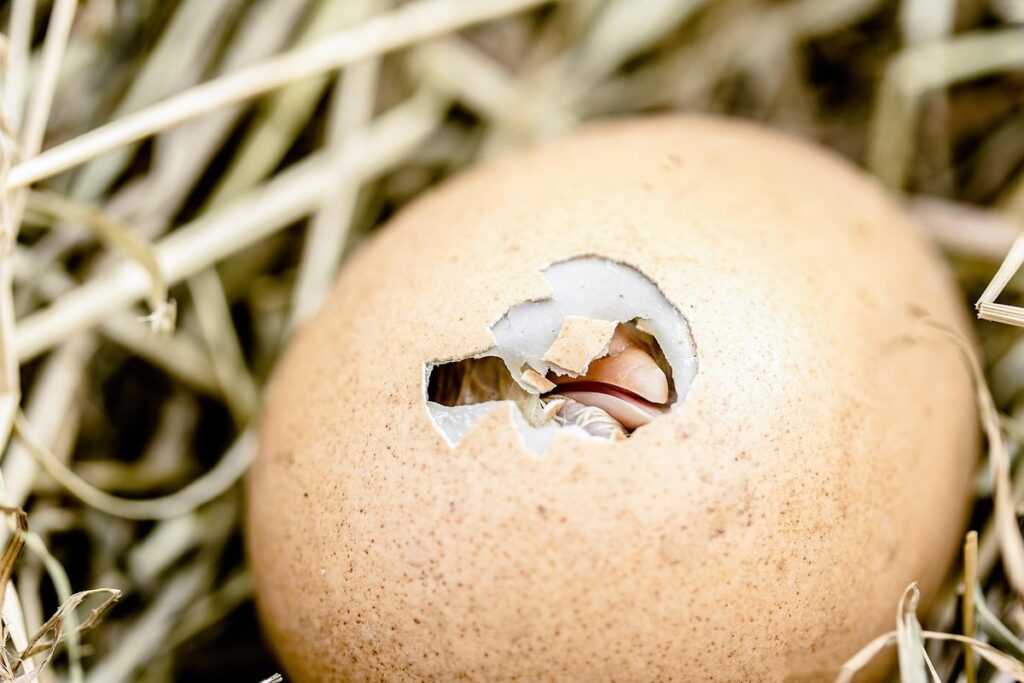
Common Symptoms of Chick Hatching Issues
When incubating eggs, it’s essential to recognize early signs of trouble to prevent further damage and give your chicks the best chance at hatching successfully. Let’s examine some common symptoms that indicate a potential problem.
Difficulty Breathing or Gasping
Difficulty breathing or gasping is one of the most concerning signs that a chick may be experiencing during hatching. If you notice your chicks struggling to breathe or making gasping sounds, it’s essential to identify the underlying cause promptly. Eggshell membrane defects are a common issue, where the membrane separating the air sac from the egg becomes compromised, causing the chick to struggle for oxygen.
Fungal infections can also lead to respiratory distress in hatchlings. Contaminated incubators or improper handling of eggs can introduce fungal spores that may infect the chicks. Malfunctioning incubators can cause temperature fluctuations, humidity imbalances, or poor air circulation, all of which can impede the chick’s ability to breathe.
If you suspect a problem with your incubator, check the temperature and humidity settings to ensure they are within the recommended range. Regularly clean and disinfect the incubator to prevent fungal growth. If you notice any signs of infection or membrane defects in the eggs, candle them carefully to assess the situation before proceeding with hatching.
Unusual Behavior or Lethargy
As you observe the chick hatching process, it’s essential to note if there are any unusual behaviors or lethargy exhibited by the chicks. While some deviation from normal behavior is expected during this critical period, significant variations can be a cause for concern.
Some potential reasons for abnormal chick behavior include hypothermia, which occurs when the chick’s body temperature drops below 99°F (37°C). This can happen if the incubator’s temperature settings are too low or if there are issues with the heating elements. As a result, the chick may become lethargic, stop moving, and appear unresponsive.
Hypoxia is another critical issue that can lead to unusual behavior in chicks. This occurs when there is not enough oxygen available for the chick’s development. If you notice chicks huddled together or gasping for air, it may be a sign of hypoxia. Developmental disorders, such as genetic mutations or congenital defects, can also manifest during hatching as abnormal behavior.
If you suspect that your chicks are experiencing any of these issues, prioritize their well-being by gently moving them to a separate area with proper ventilation and monitoring. Regularly check the incubator’s temperature and humidity levels to ensure they’re within the recommended range.
Delayed Hatching or Failure to Hatch
Delayed hatching or failure to hatch eggs can be a frustrating experience for backyard chicken keepers and breeders. There are several possible causes of this issue, which we’ll explore below.
Fertility is the first potential culprit. If an egg is infertile, it won’t develop inside the incubator, leading to no hatch or delayed hatching. Check the rooster-to-hen ratio in your flock – if it’s too low, fertility can suffer. You can also try collecting eggs from multiple breeds and ages of hens to see if any have a higher rate of fertility.
Eggshell quality is another factor that can affect incubation success. Thin or weak eggshells may not hold the contents inside, leading to failure to hatch. Look for cracks or soft spots on the eggshell before placing it in the incubator.
Temperature fluctuations within the incubator are also a common cause of delayed hatching or failure to hatch eggs. Aim for a temperature range between 99-100°F (37-38°C), with slight variations allowed. Avoid sudden changes, as these can shock the embryo and prevent successful development.
Keep your eyes peeled for any signs of infection or contamination in the incubator – bacteria like salmonella can kill an embryo quickly.
Incubation and Brooding Errors
Don’t let small mistakes lead to big problems – in this section, we’ll explore common incubation and brooding errors that can affect chick hatching success. Let’s identify these pitfalls together!
Incorrect Temperature Settings
Incorrect temperature settings are one of the most common mistakes that can affect chick development and overall health. Embryos are extremely sensitive to temperature fluctuations, and even small deviations from the optimal range can have severe consequences.
When temperatures are too high (above 99°F), it can cause a condition known as “high incubation syndrome,” where embryos stop developing or die due to excessive heat stress. Conversely, if temperatures drop below 98°F, it may slow down embryo growth or lead to malformations.
To put this into perspective, research has shown that for every degree Fahrenheit above the optimal temperature range (99-100.5°F), there’s a significant increase in mortality rates. For example, at 101°F, mortality can reach up to 30%, while at 102°F, it can be as high as 50%.
To avoid these issues, make sure your incubator or brooder is calibrated correctly and maintained regularly. Check the temperature gauge daily, and adjust the settings if necessary. It’s also essential to maintain a consistent temperature gradient between different zones within the incubator or brooder.
Remember, accuracy in temperature settings can be the difference between successful hatching and devastating losses.
Humidity and Ventilation Issues
When it comes to chick hatching success, two often-overlooked factors are humidity and ventilation. Maintaining optimal levels of both is crucial for healthy incubation and brooding processes.
Inadequate humidity can cause chicks to dry out and develop respiratory problems. Chicks need a humid environment (50-60% relative humidity) to help prevent dehydration and promote proper lung development. If the air is too dry, it can lead to cracked beaks, swollen eyes, and a weakened immune system. On the other hand, excessively high humidity can encourage mold growth and create an ideal breeding ground for bacteria.
Poor ventilation can also hinder hatching success by creating an atmosphere rich in carbon dioxide and ammonia. These gases can cause respiratory issues and even death in young chicks. Ensure proper airflow by providing adequate space between incubators or brooders, using air exchange systems, and maintaining good egg handling practices. Regularly monitoring temperature, humidity levels, and ventilation will help you identify potential problems early on and make necessary adjustments to promote a healthy environment for your chicks.
Failure to Provide Adequate Light or Darkness Cycles
Proper light-dark cycles are crucial for healthy chick development. Adequate lighting stimulates embryonic growth and supports visual development in young chicks. Conversely, insufficient or incorrect lighting can lead to a range of problems. Failure to provide adequate light can result in weakened immune systems, delayed growth rates, and reduced fertility.
On the other hand, excessive or inappropriate lighting can cause hyperactivity, stress, and vision impairment in chicks. Incorrect lighting can also disrupt natural behaviors, such as molting and breeding cycles.
It’s essential to understand that some breeds are more sensitive to light than others. For example, chickens like Silkie and Polish have poor eyesight and may require additional care when it comes to lighting.
To avoid these issues, ensure your incubator or brooder provides a balanced 14-hour day/10-hour night cycle for optimal growth. Monitor the temperature closely during this period as well, keeping it within the recommended range of 99-100°F (37-38°C). This will provide your chicks with an ideal environment to thrive in.
Keep in mind that some breeds may require additional care or adjustments based on their specific needs.
Egg Quality and Fertility Issues
When it comes to hatching chicks, poor egg quality and fertility issues can be a major roadblock. We’ll explore common causes of these problems and offer practical solutions to get you back on track.
Cracked or Dirty Eggs
When it comes to chick hatching success, the quality and cleanliness of eggs play a crucial role. One common issue that can arise during storage, transportation, or incubation is cracked or dirty eggs. These imperfections can significantly affect the chances of successful hatching.
Cracked eggs can be caused by rough handling, incorrect storage, or damage during transportation. When an egg cracks, it allows bacteria and other contaminants to enter, which can lead to the death of the embryo inside. Dirty eggs, on the other hand, may have visible dirt, grime, or mold on their shells. This can also introduce harmful pathogens that can compromise the health of the chick.
To minimize the risk of cracked or dirty eggs affecting your hatching success:
* Always store eggs in a cool, dry place, with the pointed end facing up to prevent moisture from seeping into the egg.
* Handle eggs gently and avoid rough movements during transportation.
* Inspect eggs regularly for any visible signs of damage or dirt.
* Use a clean and dry towel to wipe off any dirt or debris that may have accumulated on the shell.
Low Fertility Rates or Inconsistent Egg Production
Low fertility rates and inconsistent egg production can significantly impact hatch rates and chick quality. One common issue is nutritional deficiencies, particularly a lack of protein, calcium, or other essential nutrients, which can affect reproductive health. Ensure that laying hens have access to a balanced diet that meets their nutritional needs.
Another factor contributing to low fertility rates is stress. Stress from overcrowding, inadequate lighting, or disease can disrupt the reproductive cycle. Maintain a healthy environment with sufficient space, proper ventilation, and regular cleaning to minimize stress.
Genetic factors also play a role in fertility issues. Some breeds are naturally more prone to reproductive problems than others. Consider selecting breeds that are known for their high fertility rates.
Age is another critical factor, as hens’ fertility typically declines after 4-5 years. Replacing older birds with younger ones can help maintain consistent egg production and fertility.
Regular health checks and monitoring of individual bird performance can also help identify potential issues before they become major problems.
Environmental Factors Affecting Chick Development
As you work through our troubleshooting guide, it’s essential to consider how external factors are impacting your chicks’ development. We’ll explore the key environmental influences that can hinder a successful hatch.
Exposure to Stressors or Predators
Exposure to stressors or predators during critical stages of chick development can have devastating consequences on hatching rates and overall chick health. When chicks are exposed to environmental stressors such as extreme temperatures, humidity fluctuations, or drafts, their development is compromised. For instance, a temperature that’s too high can lead to impaired respiration, while a draft can cause dehydration and stress.
Similarly, predators such as rodents, snakes, and birds can pose a significant threat to developing eggs. A single predator encounter can cause the entire flock to go into stress mode, leading to a decrease in fertility rates and an increase in stillborn chicks.
To mitigate these risks, it’s essential to ensure that your brooder is well-ventilated but draft-free, and maintain a consistent temperature between 99°F and 100°F. Monitor your eggs for any signs of predator damage or stress, such as broken shells or unusual droppings. By taking proactive measures to protect your flock from environmental stressors and predators, you can significantly reduce the risk of chick hatching problems.
Poor Nutrition or Water Quality
When it comes to chick development, nutrition and water quality play a crucial role in their overall health and resilience. Suboptimal nutrition can lead to weakened immune systems, making chicks more susceptible to diseases. A diet lacking essential nutrients such as protein, vitamins, and minerals can cause developmental delays, reduced growth rates, and increased mortality.
Contaminated water is another critical factor that can affect chick health. Bacterial contamination, for example, can lead to respiratory issues, diarrhea, and even death. Fungal contaminants like Aspergillus can cause invasive diseases that are difficult to treat. In both cases, the negative effects on chick health can be irreversible.
To ensure optimal nutrition and water quality, it’s essential to provide chicks with a balanced diet and clean drinking water at all times. This includes changing their feed regularly to prevent spoilage and maintaining a clean feeding area. Regular water changes and monitoring for signs of contamination are also crucial. In addition, consider using a water filter or sanitizing system to minimize the risk of bacterial and fungal contaminants.
What to Do If You Encounter Hatching Issues
If you encounter hatching issues, don’t panic! This section will walk you through practical steps to troubleshoot common problems and get your chicks healthy.
Basic Troubleshooting Steps
When you encounter hatching issues, it’s essential to approach the problem methodically. Start by identifying the symptoms and narrowing down the possible causes. Keep a close eye on your incubator’s temperature, humidity, and turning mechanism. Monitor the eggs’ condition, looking for signs of cracking, mold, or unusual odors.
Next, review your incubation settings and make adjustments as needed. Check that the temperature is within the optimal range (99-100°F) and adjust the humidity levels to 50-60%. Ensure the turning mechanism is functioning correctly and that eggs are being turned regularly.
If you’re still experiencing issues, consider consulting with an experienced breeder or poultry expert for personalized guidance. Don’t be afraid to ask questions or seek advice from online forums and communities. By following these basic troubleshooting steps, you can quickly identify potential problems and make necessary adjustments to give your chicks the best chance at successful hatching.
Keep detailed records of your incubation process and egg handling to help you track any issues that may arise in future hatchings. This will enable you to make informed decisions and take corrective action sooner rather than later.
Seeking Expert Advice or Support
If you’re experiencing complex chick hatching issues that you can’t resolve on your own, it’s essential to seek expert advice from poultry specialists, veterinarians, or online communities. These professionals have the knowledge and experience to help you identify and address the root cause of the problem.
When to Seek Expert Help: If you’ve tried troubleshooting common hatching issues and still encounter problems, don’t hesitate to reach out for guidance. Be it a cracked egg, incomplete or missing embryos, or irregular incubation temperatures, experts can provide valuable insights and practical solutions.
How to Get Expert Advice:
* Consult with local poultry specialists who have extensive experience in chick rearing and hatching.
* Reach out to veterinarians who specialize in poultry health for advice on specific issues like embryo development or chick health concerns.
* Join online communities, forums, or social media groups dedicated to backyard chicken keeping or poultry enthusiasts where you can ask questions, share experiences, and receive guidance from experienced individuals.
Frequently Asked Questions
What’s the most common reason for difficulty breathing or gasping during hatching?
A leading cause of breathing difficulties is a defect in the eggshell membrane, which can lead to underdeveloped lungs or air sac issues. Regularly inspecting eggs before incubation and using high-quality breeding stock can help minimize this risk.
Can I still hatch chicks if I’ve made an error with temperature settings?
Yes, it’s not impossible to hatch chicks even after incorrect temperature settings have been applied. However, the chances of successful hatching decrease significantly, especially for extended periods of incorrect temperatures. Monitor your incubator closely and take corrective action as soon as possible.
How do I ensure my eggs are fertile before starting an incubation cycle?
To determine egg fertility, you can use candling or conduct a flotation test to check for embryo development. Fertile eggs typically have clear or slightly cloudy areas around the yolk, while infertile eggs appear dark and featureless under candlelight.
What’s the typical lifespan of chicks after hatching, and when can I expect them to mature?
Most chicks reach full maturity at 16-20 weeks old, although some breeds may take longer. Proper nutrition, a balanced diet, and adequate care during this period are crucial for healthy growth and development.
Can environmental factors like stress or predators negatively impact chick development in the incubator?
Yes, exposure to significant stressors or predators can have adverse effects on chick development even before hatching. Keep your incubator in a quiet, secure location away from potential threats to prevent unnecessary stress on developing embryos.