
If you’re a backyard farmer or simply a curious bird enthusiast, chances are you’ve wondered what happens in those few precious moments when a chicken is about to lay an egg. It’s a fascinating process that involves hormonal cues, pre-ovulatory behavior, and even yolk formation! But have you ever noticed the subtle signs that indicate your hen is close to oviposition? Understanding these clues can help you better care for your flock and potentially even increase egg production. In this comprehensive guide, we’ll delve into the world of chicken reproduction, exploring everything from the internal signals that trigger egg-laying to the external behaviors that signal a new egg is on its way. By the end of this article, you’ll be well-equipped to recognize the signs of a hen about to lay an egg and provide top-notch care for your feathered friends.
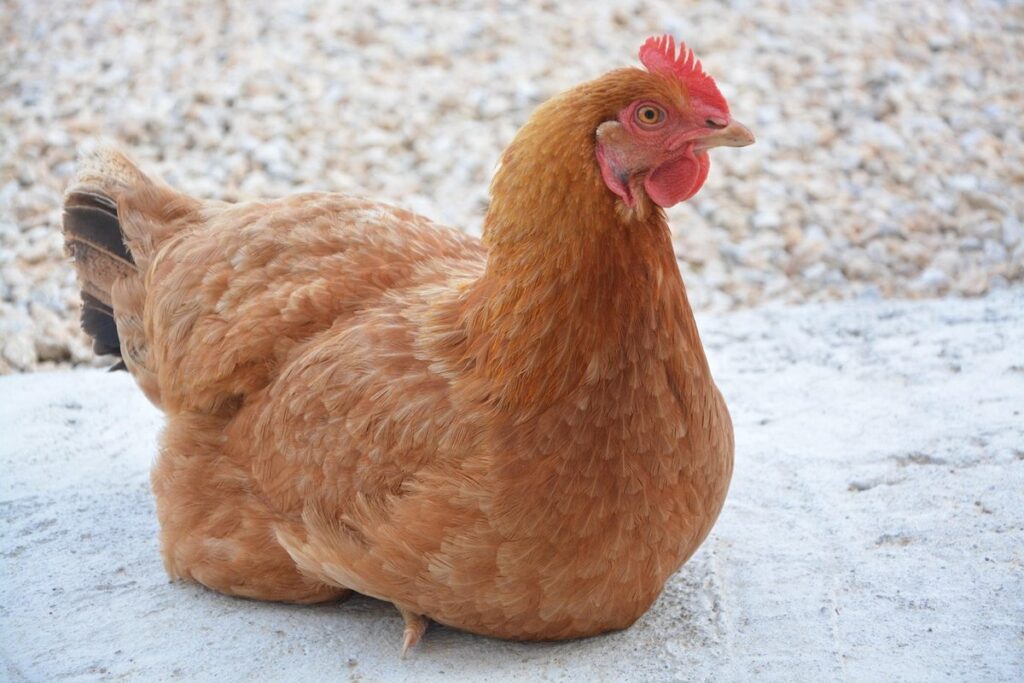
How Chickens Prepare to Lay an Egg
As you’re eager to know what happens before a chicken lays an egg, let’s take a closer look at how they prepare for this exciting moment. We’ll explore the subtle changes that occur in their bodies just hours before ovulation.
Hormonal Cues and Signals
As we discussed earlier, hormonal changes play a crucial role in triggering ovulation in chickens. Two key hormones, luteinizing hormone (LH) and follicle-stimulating hormone (FSH), work together to stimulate the formation of a yolk.
When these hormonal cues are received by the chicken’s reproductive system, LH triggers the release of an egg from its follicles, while FSH stimulates the growth of new eggs in the ovaries. This coordinated effort ensures that only one egg is released at a time, allowing for optimal reproductive efficiency.
The formation of a yolk is a remarkable process, and it all starts with these hormonal signals. As the chicken prepares to lay an egg, LH and FSH work together to stimulate the development of a yolky structure within the follicle. This yolk will eventually make up about two-thirds of the egg’s content.
To identify if your hen is experiencing these hormonal cues, look for signs such as nesting behavior, broodiness, or increased vocalization – all indicators that an egg is soon to be laid. By understanding these hormone-driven processes, you can better support your chicken’s reproductive health and provide a conducive environment for her to thrive.
Physical Signs and Symptoms
As you observe your chicken’s behavior, you’ll start to notice physical signs that indicate she’s getting ready to lay an egg. One of the most noticeable signs is increased nesting behavior. Your chicken will begin to search for a quiet, secluded spot to settle into, often near the nesting box or in a corner of her coop. She may even try to make herself comfortable by fluffing out feathers and arranging twigs and other materials around her.
In addition to nesting, you may notice your chicken exhibiting restlessness and pacing behaviors. This is because she’s experiencing muscle contractions and uterine contractions that signal the egg is moving into position. You might also see changes in her droppings, which can become more frequent or have a different consistency. This is normal as your chicken’s digestive system prepares for egg-laying.
Keep an eye on these signs to get a better understanding of when your chicken is about to lay an egg.
The Formation of the Yolk and Albumen
Inside a chicken about to lay an egg, two crucial components are taking shape: the yolk, a rich source of nutrition for the developing chick, and the albumen, a protective layer that surrounds it. Let’s dive into how they’re formed.
Yolk Production and Storage
As the chicken prepares to lay an egg, her body is working tirelessly behind the scenes. The process begins with the formation of a yolk, which is essentially the yellow center of the egg. But before it gets there, the hen’s ovary must release a tiny cluster of cells called a follicle. This follicle then grows and matures over several days until it reaches its full size.
The mature follicle contains not only the developing yolk but also a layer of cells that will eventually become the albumen (egg white). When the follicle is ready, it’s released from the ovary and begins to move through the oviduct. As it passes through each section of the oviduct, the yolk undergoes changes that help it mature into its final form.
Here are a few key facts about how hens store and release yolks:
* Hens can store several yolks in their ovaries at once, waiting for the right moment to lay an egg.
* The size of the yolk depends on factors such as breed, nutrition, and age of the hen.
* It takes around 24 hours for a yolk to travel through the oviduct and emerge as a fully formed egg.
Albumen Production and Secretion
As the chicken prepares to lay an egg, another crucial process is underway – the production and secretion of albumen. Also known as egg white, albumen is a clear, protein-rich liquid that makes up about 60% of the egg’s total content. But have you ever wondered how it’s produced and secreted by the hen?
The shell glands in the uterus of the hen play a vital role in producing albumen. These glands secrete a type of mucus that collects and transports the albumen to the yolk, where it surrounds and protects it. The albumen production process is facilitated by several key factors, including the hen’s diet, age, and overall health.
In fact, research has shown that hens fed a balanced diet rich in protein tend to produce eggs with higher albumen quality. For example, studies have found that hens fed a diet containing 18% protein or more produced eggs with significantly higher water content and better moisture retention compared to those fed lower-protein diets.
This highlights the importance of providing your hen with a nutritious diet to ensure optimal egg production and quality.
Egg White and Yolk Formation Continues
As we wait for that egg to emerge, let’s take a closer look at what’s happening inside: the egg white and yolk are continuing their remarkable formation process.
The Shell Membranes Form
As the egg white and yolk formation continues, another crucial process takes place: the shell membranes form. These two thin, transparent membranes play a vital role in protecting the delicate yolk from the acidic properties of the egg white. Without them, the yolk would be vulnerable to damage and might even start to break down.
Here’s what happens during this process: the first membrane, also known as the inner shell membrane, forms around the yolk after it has been released into the egg white. This membrane is incredibly thin, measuring only about 0.01 millimeters in thickness. The second membrane, or the outer shell membrane, then forms on top of the first one, providing an additional layer of protection.
The formation of these membranes is crucial for maintaining the integrity of the yolk and ensuring that it stays separate from the egg white. Without them, the yolk would be exposed to the acidic properties of the egg white, which could cause it to break down or even start to coagulate. This process usually takes place in a matter of minutes after the yolk has been released into the egg white, but its importance cannot be overstated.
The White Becomes Clearer
As the egg white continues to develop, another crucial process takes place: the absorption of water. This step is essential for creating a clearer and more liquid albumen, which will eventually become the egg white we see when we crack open an egg.
Now, you might wonder how this happens. It’s quite fascinating, really! As the egg white continues to grow, it starts to absorb water from the surrounding environment through tiny channels in the eggshell called pores. This process is known as osmosis, where water molecules move from a region of high concentration (the hen’s body) to an area of low concentration (the developing egg white).
As more water is absorbed into the albumen, it begins to break down and reorganize itself, becoming clearer and more liquid in the process. This is crucial for the integrity of the egg, as it needs to be flexible enough to surround the yolk during laying.
This absorption process usually takes around 5-7 days, depending on various factors like temperature and humidity. However, this timeframe can vary from one hen to another.
Approaching Ovulation: What Happens Next?
Now that you know when your chicken is approaching ovulation, let’s dive into what happens next as she gets ready to lay an egg. This crucial process involves several physical changes within her reproductive system.
Pre-Ovulatory Behavior in Chickens
As ovulation approaches, you may notice changes in your chicken’s behavior. These pre-ovulatory behaviors are essential cues that signal an egg is about to be laid. One common sign is increased activity – your chicken may pace back and forth in the coop or run, seemingly restless.
This heightened energy level can also manifest as a search for a suitable nesting site. Chickens have a natural instinct to lay eggs in a safe, sheltered location, such as a nesting box or even an untended corner of the coop. If your chicken is exhibiting this behavior, make sure you’ve provided an adequate nesting area with comfortable bedding and easy access.
If you’re new to raising chickens, keep an eye out for these subtle cues. By understanding pre-ovulatory behaviors, you can better anticipate when an egg will be laid and provide a supportive environment for your bird’s reproductive cycle.
The Egg Yolk Moves Towards the Shell
As we approach ovulation, the egg yolk has started its journey towards the shell gland. This is where things get really interesting – the yolk will soon be enveloped by layers of albumen and membranes to form a complete egg. The process begins when the yolk reaches the magnum, a part of the oviduct responsible for secreting the majority of the albumen.
Here, the yolk comes into contact with the albumen, which is secreted in a gel-like state. As it flows over the yolk, the albumen absorbs excess water from the surrounding environment and takes on its characteristic liquid consistency. The yolk continues moving towards the shell gland, where it’s surrounded by two membranes – an outer membrane that helps regulate gas exchange between the egg and the outside world, and an inner membrane that aids in the passage of water.
The final layer to be added is the cuticle or “bloom,” which provides a protective barrier against bacteria. At this point, the yolk has been fully enclosed by the albumen and membranes, and the egg begins to take shape.
Frequently Asked Questions
What are the most common mistakes new backyard farmers make when it comes to recognizing signs of a hen about to lay an egg?
New backyard farmers often overlook subtle changes in behavior, such as increased nesting activity or changes in appetite. By paying closer attention to these cues and staying informed about hormonal fluctuations, you can better anticipate your flock’s needs.
Can I use the information from this article to improve egg production on a larger commercial scale?
While the principles of chicken reproduction remain the same across different farm sizes, large-scale operations may require more specialized knowledge and equipment. Consider consulting with experienced agricultural professionals or taking additional courses in poultry management to optimize your operation.
How long after recognizing pre-ovulatory behavior should I provide extra nutrients or supplements for my hens?
To support optimal egg production, it’s essential to supplement your flock with nutrient-rich feed 1-2 weeks prior to ovulation. Research specific nutrient profiles and consult with a veterinarian to determine the best course of action for your individual birds.
What are some common health issues I should be aware of when managing hens that are about to lay eggs?
Lay hens can be susceptible to reproductive tract infections, hypocalcemia (milk fever), or other conditions. Regular veterinary check-ups and maintaining a clean, well-ventilated coop will help mitigate these risks.
Can I use this knowledge to breed chickens for specific egg-laying traits, such as larger eggs or more frequent production?
By understanding the intricacies of chicken reproduction, you can indeed make informed decisions about breeding programs that prioritize desirable traits. However, be aware that genetic selection and careful management practices are required to achieve long-term success in selective breeding.