
As a chicken farmer, you know how quickly a disease outbreak can spread through your flock. The loss of birds, revenue, and reputation can be devastating. That’s why maintaining robust biosecurity measures is crucial for keeping your chickens healthy and your farm safe. Effective biosecurity is more than just cleaning out coops; it involves creating a barrier between your flock and potential sources of disease. In this article, we’ll explore the essential steps you need to take to safeguard your chicken farm from disease outbreaks. We’ll cover everything from sanitation and hygiene to vaccination protocols and monitoring for signs of illness. By implementing these simple yet effective biosecurity measures, you can reduce the risk of disease and keep your flock thriving.
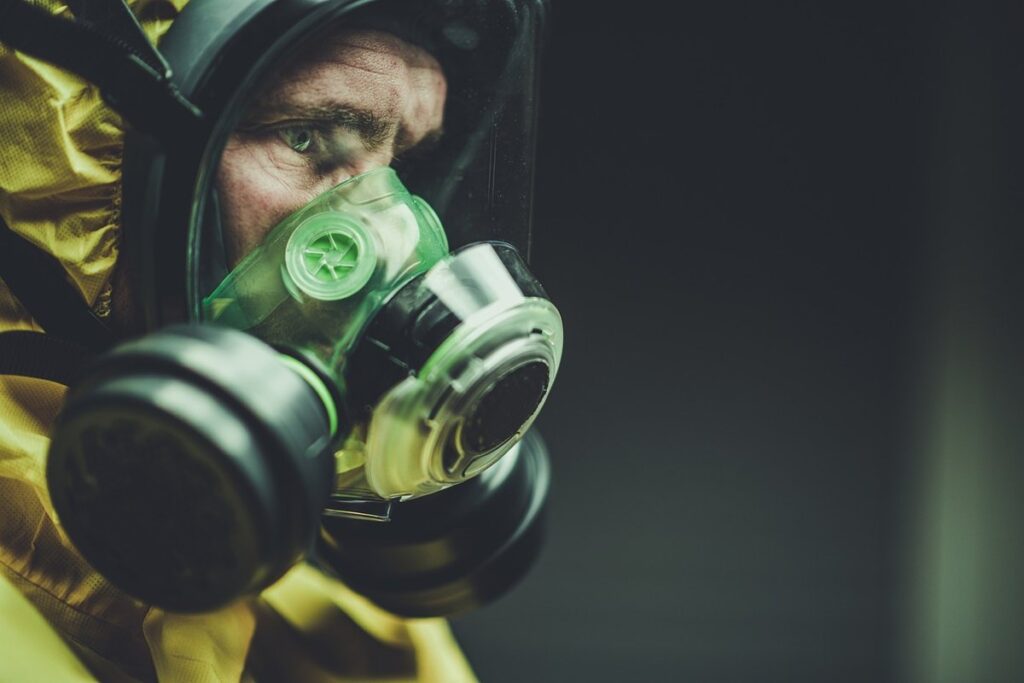
Understanding the Importance of Biosecurity
When it comes to raising healthy chickens, biosecurity is more than just a best practice – it’s a necessity to protect your flock from disease. Let’s dive into why understanding this concept is so crucial for backyard farmers like you.
What is Chicken Biosecurity?
At its core, chicken biosecurity refers to the measures taken to protect chickens from disease and maintain their health. It’s an essential aspect of poultry farming that ensures the well-being of your flock while also safeguarding against potential financial losses. Chicken biosecurity encompasses a wide range of practices, including sanitation, hygiene, isolation, and vaccination.
In practical terms, chicken biosecurity begins with maintaining clean living conditions for your chickens. This involves regular cleaning and disinfection of coops, feeders, and waterers, as well as proper waste management. It’s also crucial to monitor the health of individual birds, isolating any sick birds from the rest of the flock to prevent disease spread.
A good example of chicken biosecurity in action is implementing a robust sanitation protocol. This can include practices such as wearing gloves when handling birds or equipment, changing boots between different areas of the farm, and using foot baths at entrances to prevent contamination. By prioritizing chicken biosecurity, poultry farmers can significantly reduce their flock’s risk of disease and ensure a healthy, thriving population.
The Risks of Poor Biosecurity
The risks of poor biosecurity on a chicken farm are very real and can have devastating consequences. If you’re not taking the necessary precautions to prevent disease outbreaks, you may end up facing significant economic losses, as well as the distress of losing some or all of your flock.
Disease outbreaks are often unpredictable, but they can be triggered by even the smallest breach in biosecurity. For example, a single contaminated visitor or an overlooked gap in the coop’s ventilation system could spread disease quickly through the farm, leading to widespread illness and even death among your birds. The cost of treating and replacing affected animals, as well as potential losses from reduced egg production or meat sales, can be substantial.
The financial impact is just one aspect of poor biosecurity. Losing a significant portion of your flock can also lead to reputational damage, affecting consumer trust and potentially putting you out of business. To avoid these risks, it’s essential to implement rigorous biosecurity measures on your farm, including proper sanitation and disinfection protocols, strict visitor policies, and regular monitoring for signs of disease. By doing so, you’ll not only protect your flock but also safeguard the long-term health and profitability of your operation.
Benefits of Effective Biosecurity
Maintaining effective biosecurity measures is essential for protecting your flock from disease and ensuring their overall health and well-being. By implementing a secure flock, you can significantly reduce the incidence of diseases, which can have devastating consequences on your birds’ productivity.
When a disease outbreak occurs, it not only affects the affected birds but also spreads to other areas of the farm, leading to a significant loss in production and revenue. In fact, according to the World Health Organization (WHO), poultry diseases result in an estimated annual economic loss of $30 billion worldwide.
A secure flock also improves productivity by minimizing stress on your birds. When birds are exposed to disease, they become weak and more susceptible to other health issues, leading to decreased egg production or weight gain. By keeping your flock healthy, you can optimize their growth and increase the quality of eggs produced.
To achieve this, make sure to regularly clean and disinfect the coop, pens, and equipment. Ensure that all visitors wear protective clothing, wash their hands, and follow strict protocols when handling birds. By taking these simple steps, you’ll be well on your way to maintaining a healthy and productive flock.
Assessing Your Flock’s Biosecurity
When it comes to maintaining a healthy flock, assessing your chickens’ biosecurity is crucial to preventing disease outbreaks and protecting their overall well-being. Let’s take a closer look at how to evaluate your flock’s vulnerability to illness.
Identifying Vulnerabilities in Your Operation
Conducting a thorough risk assessment is crucial to identifying vulnerabilities in your operation. Start by walking through each aspect of your flock’s management, from feed and water sourcing to egg collection and waste disposal. Be meticulous – a single weak link can compromise the entire operation.
Consider factors such as supplier reliability, transportation protocols, and storage conditions for feed and supplies. Are you sourced from local farmers or major distributors? How are materials stored on site, and what’s the turnover rate of goods? Don’t forget to examine your egg collection procedures: are eggs washed, sanitized, and cooled promptly after collection?
Identify potential entry points for pests and diseases by inspecting equipment, vehicles, and personnel movements. Are there any cracks or gaps in fencing, doors, or windows that could allow unwanted visitors? Look at the flow of people through your facility – who has access to which areas, and how are they cleaned before and after handling birds?
Review past disease outbreaks and consider whether there were any commonalities among affected operations. Analyze lab results from any recent testing to pinpoint potential sources of contamination.
Evaluating Your Current Biosecurity Measures
Evaluating your current biosecurity measures is crucial to ensuring that your flock remains healthy and protected from disease. Take a close look at your cleaning and disinfection procedures to determine if they are adequate for preventing the spread of diseases.
Start by reviewing your daily routine, including tasks such as removing soiled bedding, cleaning feeders and waterers, and disinfecting surfaces. Consider whether these activities are being done regularly enough and with sufficient vigor. For example, if you have a large flock, it may be necessary to divide tasks into smaller intervals throughout the day.
Another important aspect is the use of personal protective equipment (PPE) by personnel handling your birds or their living environment. Are gloves worn consistently when interacting with animals or their enclosures? Are hands properly washed and disinfected after handling animals?
When evaluating your biosecurity measures, pay attention to areas that may be prone to contamination, such as entrances, feeding troughs, and water containers. Ask yourself if these areas are being regularly sanitized and if protocols are in place for handling new equipment or supplies that come into the farm.
Creating a Biosecurity Plan
Creating a biosecurity plan is a crucial step in protecting your flock from disease. Now that you’ve identified potential risks and assessed their likelihood and impact, it’s time to develop a tailored plan to address these vulnerabilities.
Start by assigning specific tasks and responsibilities to each member of your household or farm team. This could include anything from monitoring water quality to ensuring proper cleaning and disinfection protocols are followed. Be sure to communicate clearly with all team members about the importance of biosecurity and their role in maintaining it.
Consider implementing a “clean bird, clean environment” policy, where all new birds are quarantined and monitored for signs of illness before being integrated into the main flock. Regularly review and update your plan as necessary, taking into account any changes to your operations or emerging disease threats. Remember to prioritize prevention over reaction – proactive measures can save you a lot of stress and resources in the long run.
Implementing Effective Biosecurity Practices
Now that you have a solid understanding of chicken biosecurity basics, it’s time to put those principles into action by implementing effective practices on your farm.
Personal Protective Equipment (PPE)
When handling chickens and their living environment, it’s crucial to prioritize personal protective equipment (PPE) to prevent disease transmission. This is because many poultry diseases can be spread through direct contact with infected birds, contaminated surfaces, or airborne pathogens.
Gloves are a must-have when interacting with your flock, as they provide a barrier between your skin and potential pathogens. Look for gloves made from durable materials like nitrile or latex that are resistant to punctures and tears. Washing hands before and after handling chickens is also essential, but gloves offer an added layer of protection.
Masks are another vital component of PPE, especially when working with chicks or in areas where airborne diseases are more prevalent. Opt for masks with a filter rating of at least 95% to reduce the risk of inhaling pathogens. Additionally, eyewear can help prevent eye irritation and protect against potential splashback from cleaning solutions.
Remember, PPE is not just about protecting yourself – it’s also essential for maintaining a healthy flock. By wearing the right gear, you’ll be able to minimize the spread of disease and create a safer environment for your birds to thrive.
Cleaning and Disinfection Protocols
Maintaining a clean environment is crucial to preventing the spread of disease within your flock. This involves regular cleaning and disinfection protocols that target high-risk areas such as feeding and watering stations, nesting boxes, and coop floors.
When it comes to selecting a disinfectant, choose a product specifically labeled for use on surfaces in contact with poultry. Some common active ingredients include quaternary ammonium compounds (quats) and peroxyacids. Always follow the manufacturer’s instructions for application rates and dwell times.
To apply disinfectants effectively, make sure to clean surfaces first by removing any debris or manure. This will help ensure the disinfectant adheres evenly and is more effective. Use a scrub brush or broom to sweep away loose dirt before applying the disinfectant according to label instructions. Be sure to wear protective gear such as gloves and a face mask when handling chemicals.
Regular cleaning and disinfection protocols should be implemented daily, with a focus on high-risk areas after flock movement. This can help reduce the risk of disease transmission within your flock. Consider establishing a rotation schedule for staff members responsible for cleaning and disinfecting different areas to ensure consistency and thoroughness.
Visitor Control and Sanitation Procedures
Controlling access to your farm is crucial in maintaining chicken biosecurity. When visitors or service personnel enter your premises, they can inadvertently bring pathogens that can affect your flock. To minimize the risk of disease transmission, establish a visitor control system. This includes requiring visitors to wear personal protective equipment (PPE) such as gloves and masks.
For service personnel, ensure they understand the importance of biosecurity and adhere to strict protocols upon entry. This may include foot dips or scrubbing down equipment before entering your farm. Provide clear instructions on what is expected of them during their visit.
Sanitation procedures should also be in place for visitors and service personnel. Ensure all areas they enter are thoroughly cleaned and disinfected after their departure. Regularly inspect and maintain equipment, such as handwashing stations and sanitation facilities, to prevent cross-contamination. It’s essential to have a system in place for tracking visitor movements and interactions with the flock to facilitate swift action in case of an outbreak.
Managing Disease Outbreaks
When a disease outbreak occurs, it can spread quickly through your flock and cause significant losses. Here’s how to identify signs of illness and take swift action to contain an outbreak.
Recognizing Early Warning Signs of Disease
As a chicken keeper, it’s essential to be aware of the early warning signs of disease in your flock. This knowledge can help you identify potential health issues before they become severe and spread quickly among the birds. Some common diseases that affect chickens include respiratory issues, such as pneumonia or air sac mites, which can cause coughing, wheezing, and labored breathing.
Another sign of illness is abnormal droppings, which may be more frequent, watery, or contain blood. Fowl pox, a viral disease, can cause lesions on the skin, while histomoniasis (blackhead) leads to liver and spleen damage. Keep an eye out for changes in appetite, weight loss, lethargy, or unexplained injuries.
To recognize early warning signs of disease, monitor your flock’s behavior and appearance daily. Look for unusual patterns, such as one bird consistently lagging behind the others during exercise time or showing more interest in food than usual. If you notice any of these signs, consult a veterinarian experienced in poultry care to determine the best course of action.
Regular health checks can help prevent disease outbreaks by detecting issues early on. Make it a habit to inspect your birds’ droppings, check for respiratory problems, and observe their overall behavior.
Isolation and Quarantine Procedures
When an infected bird is detected within your flock, it’s crucial to act swiftly and follow proper isolation and quarantine procedures. This not only helps contain the disease but also prevents further spread among your chickens.
To begin, separate the infected bird from the rest of the flock immediately. Ideally, do this by moving the sick bird to a designated quarantine area that’s located away from the main coop. Ensure this area is well-ventilated and has easy access for monitoring the bird’s condition. A distance of at least 10 feet between the quarantine area and the main coop should be maintained to prevent cross-contamination.
It’s also essential to implement strict hygiene protocols when handling the infected bird or its surroundings. Wear disposable gloves, use a face mask, and disinfect any equipment used in the process. Once you’ve completed the necessary steps, thoroughly clean and disinfect the quarantine area before releasing it back into the flock.
Reporting and Responding to Disease Outbreaks
Reporting an outbreak to relevant authorities is crucial to prevent further spread and obtain necessary support. When you suspect an outbreak, contact your local animal health authority immediately. They will guide you on the next steps and provide advice on testing, isolation, and control measures.
During a reported outbreak, maintain accurate records of all actions taken to contain it. This includes treatments administered, vaccinations given, and any changes made to farm operations or protocols. These records can be used for investigation purposes if needed and are essential for tracking disease spread patterns within your flock and beyond.
To minimize the impact of an outbreak, prioritize containment by immediately isolating infected areas. Implement strict cleaning and disinfection procedures, removing all waste and contaminated materials from the affected area. Restrict access to this zone until clearance is given by authorities.
Monitoring and Maintaining Biosecurity
Regular checks are crucial for detecting potential biosecurity threats, so let’s dive into how to monitor your flock’s health and living conditions closely. This includes a thorough cleaning schedule and regular inspections of equipment and facilities.
Regular Audits and Risk Assessments
Conducting regular audits and risk assessments is essential to maintaining a secure flock. It’s not a one-time task, but an ongoing process that helps you identify areas for improvement and make data-driven decisions to protect your birds from disease.
Start by scheduling regular audits at least every 6-12 months. Walk through each area of your farm, observing and documenting everything, from feed storage to poultry transport vehicles. Take note of any potential vulnerabilities or hazards, no matter how small they may seem. For example, a gap in the fence might seem insignificant, but it can be an entry point for predators or invasive species.
During these audits, conduct thorough risk assessments by identifying potential risks and ranking them based on likelihood and impact. This will help you prioritize your efforts and allocate resources effectively. You should also involve all farm staff in the process to encourage a culture of biosecurity awareness and accountability. By doing so, you’ll be able to maintain a secure flock and protect your birds from disease.
Training and Education for Farm Staff
Educating your farm staff on biosecurity best practices is crucial to maintaining a safe and healthy environment for your chickens. When it comes to preventing disease outbreaks, personnel play a significant role. They’re often the first point of contact with visitors, vendors, or equipment that can potentially introduce pathogens onto your farm.
To ensure they understand their responsibilities, consider incorporating comprehensive training sessions into your onboarding process. This should cover topics such as:
• Recognizing and reporting signs of disease
• Proper hand hygiene and personal protective equipment (PPE) use
• Safe handling and disposal of waste materials
• Cleaning and disinfecting procedures
Regular refresher courses can help reinforce these concepts and keep staff up-to-date on the latest biosecurity protocols. It’s also essential to provide ongoing support and resources, such as easy-to-access guidelines or a designated point person for biosecurity-related queries.
By investing in your farm staff’s education and training, you’ll not only reduce the risk of disease but also promote a culture of biosecurity awareness throughout your operation. This can be particularly effective when combined with other measures like visitor management systems and regular audits to ensure compliance with best practices.
Staying Up-to-Date with Industry Developments
As a poultry producer, it’s crucial to stay informed about emerging diseases, new technologies, and best practices in chicken biosecurity. The world of animal health is constantly evolving, with new research and discoveries being made regularly. To ensure you’re up-to-date on the latest developments, consider the following resources:
* Regularly visit reputable websites such as the United States Department of Agriculture (USDA) Animal Health Information System or the World Organisation for Animal Health (OIE) to stay informed about disease outbreaks and new technologies.
* Subscribe to industry publications like Poultry Health Today or Feedstuffs to receive regular updates on biosecurity best practices, new research findings, and emerging trends in the poultry industry.
* Participate in online forums or social media groups focused on poultry health and biosecurity to connect with other producers, ask questions, and share knowledge.
By staying informed through these resources, you’ll be better equipped to protect your flock from disease and implement effective biosecurity measures.
Frequently Asked Questions
Can I implement biosecurity measures even if I have a small flock?
Yes, every chicken farm benefits from robust biosecurity practices, regardless of size or scale. Even small flocks can be vulnerable to disease outbreaks, so it’s essential to establish and maintain effective biosecurity measures from the start.
How often should I conduct regular audits and risk assessments on my farm?
It’s recommended that you perform regular audits and risk assessments at least every 6-12 months. This will help identify any vulnerabilities in your operation and ensure you’re maintaining optimal biosecurity standards.
What are some common mistakes that farmers make when implementing biosecurity measures, and how can I avoid them?
One common mistake is not providing adequate training for farm staff on proper cleaning and disinfection protocols. To avoid this, prioritize thorough staff training and provide ongoing support to maintain their knowledge and skills.
How do I balance the need for sanitation and hygiene with the needs of my chickens’ health and well-being?
Maintaining a clean environment without compromising your flock’s health requires regular monitoring of your birds and adapting your biosecurity practices accordingly. This might involve adjusting cleaning schedules or introducing new products to ensure cleanliness while avoiding harm.
What should I do if I suspect an outbreak on my farm, but I’m unsure about the source of the disease?
If you suspect a disease outbreak but can’t determine its cause, isolate the affected birds immediately and consult with a veterinarian for guidance. This will help contain the spread of the disease and prevent further losses while allowing experts to investigate and provide recommendations.