
If you’re a backyard chicken keeper living in an area with harsh winters, you know that choosing the right breed can be the difference between a happy, healthy flock and one that struggles to survive. But with so many breeds out there, it’s hard to know which ones are best suited for cold climates. Some chickens can thrive in temperatures as low as -20°F, while others will seek shelter at the first sign of frost. In this article, we’ll explore the top chicken breeds for cold climates, including their unique characteristics, feeding needs, and care requirements. We’ll also provide expert advice on coop design to ensure your flock stays warm and happy through even the coldest winter months.
Choosing the Right Breed
When selecting a breed for a cold climate, it’s essential to consider factors such as hardiness, feathering, and body size to ensure your flock thrives in harsh weather conditions. Let’s dive into the top breeds that fit these criteria perfectly!
Climate Hardiness and Adaptability
When choosing chicken breeds for cold climates, it’s essential to consider their natural adaptability. Look for breeds with dense feathering, which provides insulation and helps retain body heat. Some excellent examples of cold-hardy breeds with impressive feather density are the Polish, Brahma, and Orpington.
Another crucial factor is fat reserves. Breeds like the Silkie and Cochin have a higher percentage of body fat, which acts as an additional layer of insulation in extreme cold. Their ability to slow down their metabolism during harsh winters helps them conserve energy.
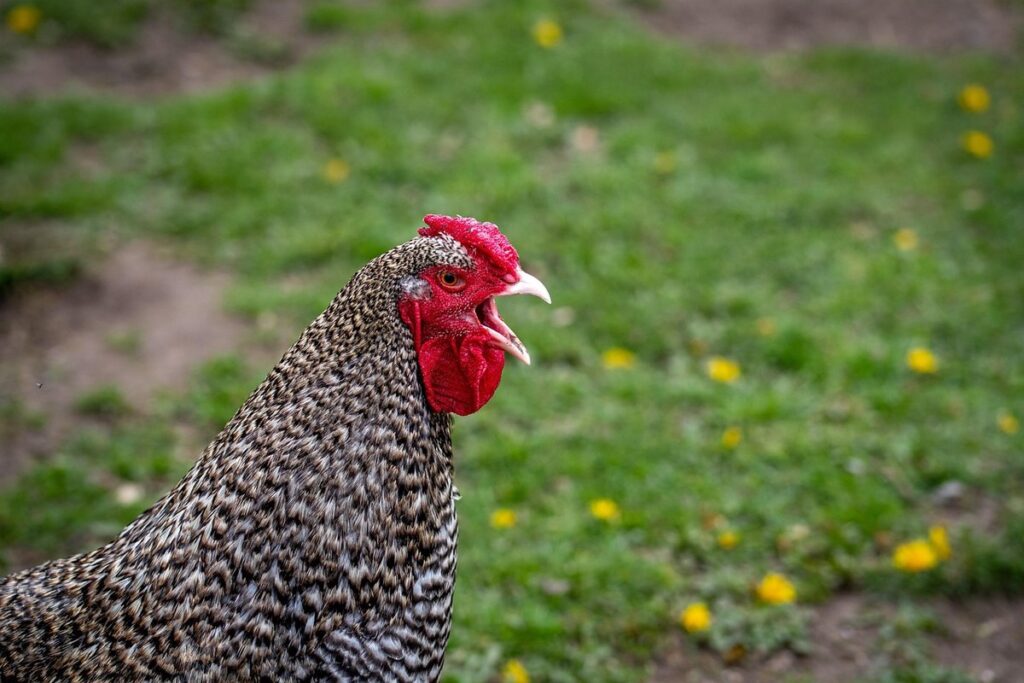
Blood circulation also plays a vital role in withstanding freezing temperatures. Breeds with well-developed circulatory systems can deliver oxygen and nutrients efficiently to extremities, even when frostbite is a concern. The Marans and Barred Plymouth Rock are notable examples of breeds that excel in this area.
When selecting cold-hardy breeds, prioritize those with an emphasis on natural adaptability rather than artificial means like heating or special lighting. This way, you’ll be able to enjoy a healthy flock year-round without worrying about climate-related issues.
Cold-Tolerant Egg-Laying Breeds
When it comes to cold climates, egg production can be a significant concern for chicken keepers. However, some breeds are naturally more tolerant of cold temperatures and continue to lay eggs throughout the winter months.
One such breed is the Rhode Island Red. Originating from the United States, this hardy bird excels in cold climates, producing an average of 200-220 brown eggs per year. Their thick feathering helps protect them from harsh winds and freezing temperatures, making them a popular choice for backyard flocks in northern regions.
Another breed worth considering is the Barred Plymouth Rock. Known for their egg-laying abilities, these birds can produce up to 280 eggs per year. Their compact bodies and hardy constitution allow them to thrive in cold climates, while their gentle nature makes them an excellent choice for families with children.
If you’re looking for a breed that’s specifically designed for cold climates, consider the Golden Comet. This cross between a Rhode Island Red and a White Leghorn produces around 200 eggs per year and is well-suited to harsh winter conditions. With proper care and management, these birds can continue laying eggs throughout the winter months.
When choosing a cold-tolerant egg-laying breed for your backyard flock, consider factors such as their feed requirements, exercise needs, and overall hardiness. By selecting a breed that’s well-suited to your climate, you’ll be able to enjoy a steady supply of fresh eggs all year round.
Popular Chicken Breeds Suitable for Cold Climates
When it comes to raising chickens in cold climates, choosing the right breed is crucial. In this section, we’ll explore some popular and hardy chicken breeds that thrive in chilly temperatures.
Dual-Purpose Breeds
If you’re looking for chicken breeds that can withstand harsh winter conditions and still provide you with a steady supply of eggs and meat, dual-purpose breeds are an excellent choice. One popular breed is the Plymouth Rock, known for its cold hardiness and adaptability to various climates. These birds are friendly, docile, and prolific layers, producing around 200-220 large brown eggs per year.
Another breed that excels in cold climates is the Wyandotte. Originating from North America, this bird is a versatile egg layer and meat producer, tolerating temperatures as low as -20°F (-29°C). Wyandottes are also relatively easy to manage, making them an excellent choice for backyard chicken keepers.
The Australorp is another dual-purpose breed worth considering. Hailing from Australia, these birds thrive in cold conditions and can tolerate temperatures of up to 30°F (-1°C). With their gentle nature and high egg production (around 200-220 large brown eggs per year), they are a favorite among chicken enthusiasts. However, keep in mind that Australorps may require more space due to their larger size.
When choosing a dual-purpose breed for your cold climate flock, consider factors such as hardiness, egg production, and meat quality. Research the specific needs of each breed to ensure you can provide them with optimal living conditions, including adequate shelter, nutrition, and care. By selecting the right breed, you’ll be well on your way to establishing a thriving and productive backyard flock that can withstand even the harshest winter conditions.
Light-Weight Breeds
When it comes to cold climates, you might think that only large, fluffy breeds can handle the chill. However, there are several light-weight chicken breeds that are perfectly suited for colder temperatures. These breeds may not be as big and bulky as some of their heavier counterparts, but they’re incredibly hardy and can thrive in cold conditions.
One excellent example is the Leghorn breed. Despite its slender build, the Leghorn is known for its exceptional cold-hardiness and ability to produce high-quality eggs even in sub-zero temperatures. In fact, many commercial egg farms rely on Leghorns to supply their customers with fresh eggs during the winter months.
Another light-weight breed that’s perfect for cold climates is the Rhode Island Red. This breed may not be as well-known for its cold hardiness, but it’s a quiet and hardy bird that can tolerate temperatures as low as -20°F (-29°C). What’s more, Rhode Island Reds are prolific egg-layers, making them an excellent choice for small-scale farmers or backyard chicken keepers.
When introducing these light-weight breeds to your flock, be sure to provide adequate shelter and protection from wind, snow, and ice. A well-insulated coop with adequate ventilation will help keep them warm and comfortable throughout the winter months.
Specialty Chicken Breeds for Extreme Cold
If you live in a harsh winter climate, you’ll want chicken breeds that can withstand extreme cold. We’ve got three hardy specialty breeds to consider for your backyard flock.
Arctic-Adapted Breeds
When it comes to raising chickens in extremely cold climates, some breeds are better suited than others. Meet the Arctic-adapted breeds that have evolved to thrive in subzero temperatures. These hardy birds boast unique features such as extra feathering, specialized insulation methods, and a robust constitution to withstand harsh winter conditions.
Take the Polish breed, for example, which has an impressive double layer of feathers that provides exceptional insulation against cold air. This breed’s compact size and gentle nature also make it an ideal choice for backyard flocks. Another notable breed is the Siberian, known for its striking white plumage and ability to withstand temperatures as low as -50°F (-45°C).
These breeds have adapted over centuries to survive in some of the coldest regions on earth. By incorporating them into your flock, you can enjoy fresh eggs and a peaceful backyard experience even in the most inhospitable climates. When selecting an Arctic-adapted breed, be sure to research their specific needs and ensure they’re well-suited for your local climate.
Rare and Heritage Breeds
If you’re looking to raise chickens that can thrive in extreme cold climates, you may want to consider some of the lesser-known heritage breeds. These birds have been developed over centuries to withstand harsh weather conditions and are often more resilient than modern commercial breeds.
Breeds like the Polish Orloff, for example, originated in Russia and were bred specifically for their ability to tolerate -20°F temperatures. Their thick feathers and compact bodies help them conserve heat, making them an excellent choice for cold climates. Another option is the Ayam Cemani from Indonesia, which has been known to survive temperatures as low as 40°F.
These rare breeds may require more attention and care than commercial birds, but they can provide a unique set of characteristics that make them well-suited to cold climates. If you’re looking to try something new, consider researching these heritage breeds further and reaching out to breeders who specialize in their care and maintenance.
Feeding and Care for Cold-Climate Chickens
When it comes to keeping your flock happy and healthy, feeding and care are crucial aspects of cold-climate chicken management that can’t be overlooked. Let’s dive into their specific needs and requirements.
Nutritional Needs
As the temperatures drop and winter sets in, it’s essential to ensure your cold-climate chickens receive a balanced diet to stay healthy and thrive. During the colder months, chickens require more energy to maintain their body heat, which means they need a higher caloric intake.
A good starting point is to provide a layer feed with a higher protein content (16-18% crude protein) to help them build and repair feathers, muscles, and other tissues. However, some experts recommend adding extra protein sources like mealworms or sunflower seeds to the mix. This will help meet their increased energy demands.
It’s also crucial to consider the nutrient density of your chickens’ feed during winter. For example, a 1% increase in calcium content can support strong bone growth and prevent conditions like eggshell thinning. You may need to supplement their diet with oyster shells or crushed eggshells to meet this requirement.
To ensure your chickens are getting the nutrients they need, consider offering a variety of fresh fruits and vegetables daily. Berries, leafy greens, and root veggies are all great options. Just be sure to introduce new foods gradually to prevent digestive upset. By following these guidelines, you’ll be well on your way to keeping your cold-climate chickens happy and healthy throughout the winter months.
Health Considerations in Cold Weather
When the temperatures drop, your flock’s health becomes a top priority. Cold weather can bring about a range of common health issues that can impact their overall well-being and even be life-threatening if left unchecked.
One major concern is frostbite, which occurs when extremities (such as combs, wattles, and feet) are exposed to cold temperatures for an extended period. Look out for signs like discolored or gangrenous tissue, and take immediate action by gently thawing the affected area with warm water. To prevent frostbite in the first place, ensure your flock has a windbreak to shield them from harsh winds and provide access to dry bedding material.
Respiratory problems are another common issue that arises during cold weather due to factors like damp air and reduced sunlight hours. Monitor your flock’s behavior for signs of respiratory distress, such as labored breathing or coughing. Keep an eye on ventilation in the coop and ensure it’s adequate to prevent moisture buildup.
To mitigate these risks, maintain a clean and dry coop environment by regularly removing soiled bedding material and ensuring proper airflow. Regularly inspect your flock for any signs of illness or discomfort, and consult with a veterinarian if you notice anything unusual.
Building a Flock and Managing Your Backyard Chicken Coop
Now that you’ve selected your cold-hardy chicken breed, it’s time to build a thriving flock in your backyard coop, complete with essentials like nesting boxes and adequate ventilation.
Introducing New Chickens to the Flock
When introducing new chickens to an existing flock during the colder months, it’s essential to prioritize socialization and stress management. As you welcome newcomers to your backyard chicken coop, it’s not uncommon for established birds to feel anxious or territorial. To ease this transition, ensure a gradual introduction process.
Start by keeping the new chickens in a separate enclosure or coop for several days before integrating them with the existing flock. This allows both groups to become familiar with each other’s sights and sounds without the risk of immediate conflict. Once you’ve allowed enough time for socialization, begin supervised interactions between the two groups, starting with visual introductions and progressing to brief face-to-face encounters under close observation.
Monitor your birds’ behavior closely during this period, watching for signs of stress or aggression. If necessary, reintroduce the new chickens at a slower pace or seek advice from an experienced poultry keeper or veterinarian to ensure a smooth transition.
Essential Equipment and Design Considerations for Cold-Weather Coops
When building a cold-climate coop, it’s essential to consider design features and equipment that can withstand harsh winter conditions. One of the most critical factors is insulation. You’ll want to choose materials with high R-values, such as straw bales or recycled denim, to line walls and floors. This will help retain warmth and prevent moisture buildup.
Ventilation is also crucial in cold climates. A well-designed coop should have a balanced ventilation system that allows for airflow without letting heat escape. Consider installing windows or vents on opposite sides of the coop to promote cross-ventilation.
Wind protection is another key consideration. Exposure to strong winds can lead to heat loss and stress on your flock. Look into adding windbreaks, such as evergreen boughs or snow fencing, around the coop perimeter.
In addition to these features, it’s also essential to choose a chicken breed that thrives in cold climates. Some breeds, like Plymouth Rock and Brahma, are naturally hardy and resistant to cold temperatures.
Frequently Asked Questions
What’s the ideal ratio of chickens to coop space for a cold climate?
In areas with harsh winters, it’s essential to ensure your flock has enough room to move around comfortably. A general rule of thumb is to provide at least 3-4 square feet per chicken inside the coop and 8-10 square feet in the run. This allows them to exercise and maintain their circulation, which helps prevent cold-related issues.
How often should I check on my flock during extreme cold snaps?
Yes, it’s crucial to monitor your chickens’ health closely during prolonged periods of cold weather. Check on them every few hours, ensuring they have access to food, water, and adequate shelter. Keep an eye out for signs of frostbite, such as pale or discolored combs, or lethargy.
Can I keep cold-hardy breeds in a mobile coop?
Yes, many cold-hardy breeds can thrive in mobile coops, which allows you to move them to sunnier areas during the day. However, ensure your coop design includes adequate insulation and ventilation to maintain a stable temperature.
How do I acclimate new chickens to cold climates quickly?
When introducing new chickens to your flock, it’s essential to acclimate them gradually to the cold climate. Start by providing a warm shelter or enclosed area for them to adjust to their surroundings before releasing them into the main coop.
What are some signs of hypothermia in chickens, and how can I prevent it?
Yes, look out for signs such as shivering, lethargy, loss of appetite, or pale combs. To prevent hypothermia, ensure your flock has access to dry bedding, adequate shelter, and a consistent food supply. Also, provide plenty of fresh water that won’t freeze in extremely cold temperatures.