
As a backyard chicken owner, you’re likely no stranger to checking on your flock’s health and wellness. But have you ever stopped to think about what’s going on with that bright red or pale yellow spot on top of their head? The chicken comb is more than just a stylish accessory – it’s a vital indicator of your birds’ overall health and nutritional status. Changes in comb color can be a sign of stress, disease, or even nutritional deficiencies, making it essential to know what to look for. In this article, we’ll explore the meaning behind different comb colors, from the normal bright red to the signs of trouble that may indicate issues with your chickens’ diet, environment, or health. By paying attention to these subtle changes, you can take proactive steps to ensure your flock stays healthy and thriving.
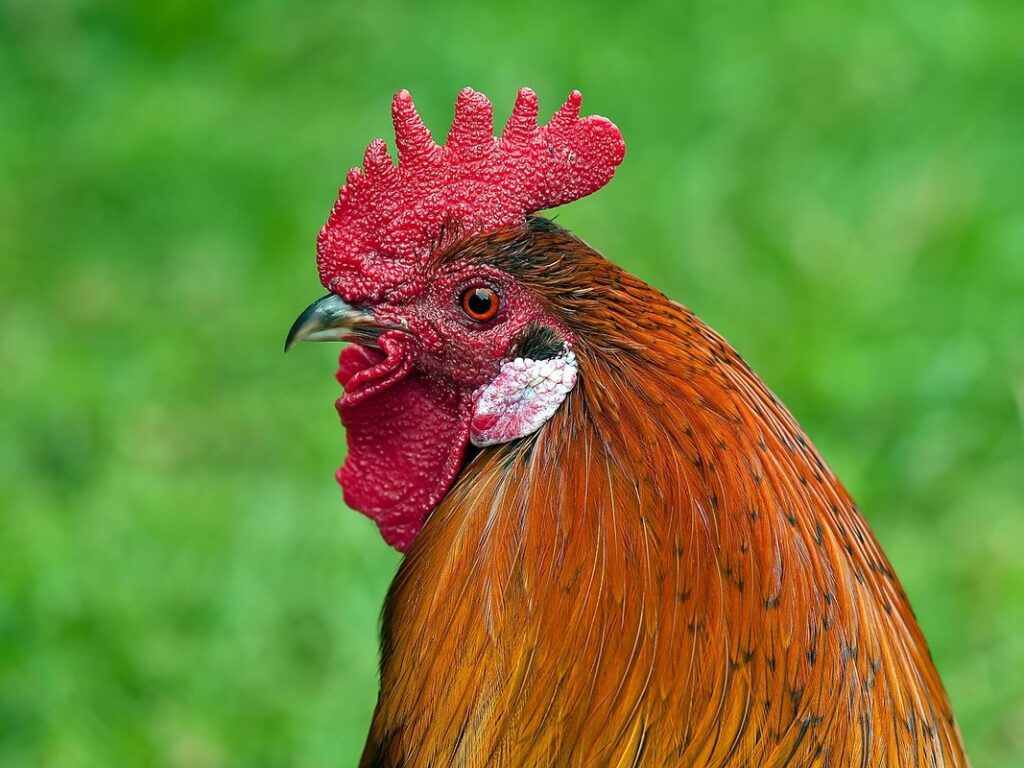
What is a Chicken’s Comb?
So, you’re curious about that fleshy red thing on top of your chicken’s head? Let’s take a closer look at what a chicken’s comb actually is and its importance.
Anatomy of the Chicken Comb
The chicken comb is one of the most distinctive features on a chicken’s head, and it plays a vital role in regulating their body temperature. Located on top of the chicken’s forehead, the comb is a fleshy growth made up of blood vessels, muscles, and connective tissue. Its primary function is to dissipate heat from the chicken’s body, particularly when they’re under stress or experiencing increased metabolic activity.
In addition to its thermoregulatory role, the comb also helps to absorb oxygen and release carbon dioxide. This process allows chickens to maintain optimal blood oxygen levels, which is essential for overall health and well-being. The comb’s importance cannot be overstated – without it, chickens would struggle to regulate their body temperature, leading to potential health issues.
Understanding the anatomy of the chicken comb is crucial for backyard keepers who want to identify potential health problems early on. A healthy comb should be firm, smooth, and a vibrant red color. Changes in its texture or color can indicate underlying health concerns, making it essential to monitor your flock’s combs regularly. By doing so, you’ll be able to detect any issues before they become serious, ensuring the long-term health of your chickens.
Importance of Monitoring Combs
Monitoring your chicken’s comb color is crucial for their overall health and wellness. By regularly checking your chicken’s comb, you can quickly identify signs of stress, disease, or nutritional deficiencies that may be affecting them. A healthy comb should be a vibrant red color, but changes in its hue can indicate underlying issues.
For example, if your chicken’s comb turns pale or white, it could be a sign of malnutrition, particularly a lack of vitamin B2 (riboflavin) or iron. On the other hand, a comb that’s turned dark blue or purple may be a warning sign of respiratory problems, such as pneumonia.
As you monitor your chicken’s comb color, keep an eye out for these red flags: sudden changes in color, unusual texture or softness, or visible blood vessels underneath the skin. If you notice any of these signs, consult with a veterinarian to determine the best course of action and provide necessary care to get your bird back on track.
Remember, regular comb checks can help prevent health issues from becoming serious problems down the line.
Normal Chicken Comb Colors
When it comes to chicken comb colors, you might wonder if certain shades are normal for your flock. This section explores the typical color variations found in a healthy chicken’s comb.
Red Combs: The Norm
Red combs are, without a doubt, the most common type of comb color found on chicken breeds. In fact, it’s estimated that over 90% of commercial laying hens have red combs. But what makes this vibrant color so prevalent? Well, it all comes down to genetics and physiology.
A healthy red comb is usually a sign that your hen is getting enough iron in her diet. This essential mineral plays a crucial role in maintaining the integrity and structure of hemoglobin, which gives blood its bright red color. When chickens are receiving adequate iron intake, their combs will typically turn a deep crimson hue. But it’s not just about genetics – age and sex also play a significant role.
As your hens mature, you may notice that their combs become even redder with age. This is because older hens tend to produce more estrogens, which contribute to the development of this characteristic color. Meanwhile, roosters often sport slightly more intense red combs due to their higher levels of testosterone.
When it comes to maintaining a healthy red comb, make sure your girls are getting access to plenty of iron-rich foods like leafy greens and scratch grains. A balanced diet that includes these essentials will go a long way in keeping their combs looking vibrant and resilient.
Pink or Pale Combs
Chickens with pink or pale combs are not uncommon, and it’s essential to understand what these discolorations might indicate. A pink comb is often a sign of good health and can be a natural result of the chicken’s blood flowing through its skin. However, if the pink coloration becomes too intense or vibrant, it could be a sign that your chicken has an infection or parasite issue.
On the other hand, pale combs might suggest a more serious health problem. A pale comb can be caused by various factors, including stress, nutritional deficiencies, or even respiratory issues. For instance, if your chicken is having trouble breathing due to respiratory problems, it may not have enough oxygen flowing through its body, leading to pale comb discoloration.
To determine the cause of a pink or pale comb, observe your chicken’s overall behavior and health. If you notice any signs of illness or stress, consult with a veterinarian for professional advice. In general, maintain a clean coop, provide nutritious food and water, and ensure your chickens have adequate space to prevent stress-related issues.
If you’re concerned about the color of your chicken’s comb, monitor its condition over time. Keep an eye out for any changes in behavior or appetite, as these can indicate underlying health problems.
Abnormal Chicken Comb Colors
When it comes to chicken comb colors, some variations are completely normal while others can be a cause for concern. Let’s take a closer look at what these abnormal colors might mean.
White or Yellowish Discoloration
When you notice white or yellowish discoloration on your chicken’s comb, it can be a cause for concern. This abnormal color change is often a sign of an underlying health issue that requires prompt attention. One potential cause of discolored combs is nutritional deficiencies, particularly a lack of essential vitamins and minerals like vitamin B2 (riboflavin), niacin, or iron.
Bacterial infections can also lead to discoloration, as some bacteria produce pigments that stain the comb. For example, Staphylococcus aureus can cause yellowish spots on the comb. Another possible reason for this color change is environmental stressors like extreme temperatures, humidity fluctuations, or exposure to pollutants.
If you suspect your chicken’s discolored comb is related to a nutritional deficiency, ensure they have access to a balanced diet with adequate protein, calcium, and vitamin supplements. To prevent bacterial infections, maintain clean living conditions, provide regular disinfection of feeders and water sources, and monitor for signs of disease. Keep a close eye on your flock’s overall health and take prompt action if you notice any unusual color changes or behavior.
Black or Dark Purple Combs
A black or dark purple comb on your chicken can be alarming, and it’s essential to investigate the possible causes. Internal parasites such as gapeworms or mites can cause discoloration of the comb. If you suspect a parasite infestation, carefully examine your chicken’s droppings, skin, and feathers for signs of irritation or unusual growth.
Vitamin deficiencies, particularly those related to vitamins A and B12, can also lead to a darkened comb. Chickens require a balanced diet rich in nutrients to maintain healthy combs. Ensure your flock is receiving a high-quality feed that meets their nutritional needs.
In some cases, a black or dark purple comb may be indicative of cancer. Squamous cell carcinoma, a common skin cancer in chickens, can cause changes in the comb’s color and texture. If you notice unusual growths or lesions on your chicken’s comb, consult with a veterinarian promptly.
Regular health checks, monitoring for signs of illness or disease, and maintaining a clean living environment can help prevent internal parasites and vitamin deficiencies.
What Does it Mean When a Chicken’s Comb is Shriveled or Soft?
If you’ve noticed your chicken’s comb looking less vibrant than usual, you might be wondering if it’s a sign of stress or illness. Let’s dive into what it could mean when a chicken’s comb is shriveled or soft.
Causes of Shrivelled Combs
When a chicken’s comb is shriveled or soft, it can be a sign of underlying health issues that need to be addressed. One of the main causes of a shriveled comb is dehydration. Chickens need access to clean drinking water at all times to stay hydrated, especially in hot weather. A dry environment and inadequate ventilation can lead to moisture loss, causing the comb to shrink.
Nutritional shortages are another factor that can contribute to a soft or shriveled comb. A balanced diet that includes essential vitamins and minerals such as vitamin E, iron, and zinc is crucial for maintaining healthy skin and feathers. Chickens on a poor-quality feed may develop nutritional deficiencies that manifest as a droopy or pale comb.
Bacterial infections like frostbite can also cause a chicken’s comb to become soft or shriveled. Frostbite occurs when the comb freezes in cold weather, causing damage to the delicate tissues. Keeping your flock indoors during extreme weather conditions and providing adequate shelter can help prevent frostbite.
Regular health checks, a balanced diet, and proper care can go a long way in maintaining healthy combs and overall well-being of your chickens.
Effects on Chicken Health
When a chicken’s comb is shriveled or soft, it can be a sign of underlying health issues that affect their overall well-being. A healthy comb is crucial for a chicken’s vitality, as it helps regulate body temperature and circulate blood. When the comb is not functioning properly, it can lead to a range of problems.
One of the most significant concerns with a shriveled or soft comb is an increased susceptibility to disease. Chickens rely on their combs to help fight off infections, so when they’re compromised, their immune system is weakened. This makes them more vulnerable to respiratory issues, such as bronchitis and pneumonia, as well as other diseases like salmonella and E. coli.
A soft or shriveled comb can also impact a chicken’s egg production. Healthy hens need a robust circulatory system to produce eggs regularly, and when their combs are compromised, it can lead to reduced or even ceased egg-laying.
How to Encourage Healthy Comb Color in Chickens
If you’re concerned that your chicken’s comb is a different color than expected, don’t worry – it might just need some TLC. Here are some tips to encourage healthy comb color in your flock.
Dietary Considerations
When it comes to maintaining healthy comb coloration in chickens, their diet plays a crucial role. A well-balanced and nutrient-rich diet can make all the difference between a vibrant red comb and a dull one. So, what are some dietary considerations you should keep in mind?
Firstly, ensure your flock is receiving adequate amounts of vitamin E, which is essential for maintaining healthy skin and feathers, including the comb. You can achieve this by providing them with foods rich in vitamin E such as sunflower seeds, spinach, and sweet potatoes. Additionally, a supplement specifically designed to support chicken health can be added to their feed.
It’s also essential to provide your chickens with access to fresh fruits and vegetables daily. Leafy greens like kale and collard greens are excellent sources of vitamins A, C, and E. Fruits like oranges and berries are rich in antioxidants that help maintain overall health.
Remember, the quality and quantity of food you provide will significantly impact your chickens’ comb coloration. By incorporating these vitamin-rich foods into their diet, you’ll be well on your way to a healthy and vibrant flock.
Environmental Factors
Maintaining a clean and stress-free environment is essential for keeping your chickens healthy, which directly affects their comb color. A dirty coop can lead to health issues like respiratory problems and parasites, causing your birds to feel stressed. To prevent this, make sure to regularly clean the coop by removing soiled bedding, disinfecting surfaces with 1:10 bleach solution, and letting fresh air in.
Provide plenty of space for your chickens to roam around, reducing stress caused by overcrowding. Aim for at least 4-5 square feet per bird inside the coop and 8-10 square feet in the run. This will give them enough room to exercise and engage in natural behaviors like pecking and scratching.
A balanced diet is also crucial. Offer a mix of vegetables, fruits, and grains, ensuring your chickens have access to essential nutrients. Include calcium-rich foods like crushed eggshells or dark leafy greens to promote strong comb growth.
Additionally, keep an eye on temperatures in the coop. Avoid extreme heat or cold by providing adequate ventilation and using insulation. A comfortable environment will help reduce stress and promote healthy combs. Regularly check your flock’s overall health and make adjustments as needed to create a happy, thriving community.
Conclusion: Taking Action Based on Your Chicken’s Comb Color
Now that you’ve discovered what your chicken’s comb color means, it’s time to take action and adjust their care accordingly. This final section will guide you in making informed decisions for your flock.
Putting it All Together
As we’ve explored the different meanings behind your chicken’s comb color, it’s essential to remember that this is just one aspect of their overall health. However, by keeping a close eye on your bird’s comb, you can pick up on potential issues before they become major problems.
To effectively monitor your chicken’s comb color, make it a habit to check on them daily or at least every other day. This way, you’ll be able to catch any changes in their comb color early on and take action accordingly. Keep a record of your observations so that you can track any patterns or trends over time.
By doing so, you’ll be better equipped to identify potential health issues and make informed decisions about the care and attention your chicken needs. Remember, it’s not just about the color of their comb; it’s also about how it compares to their overall behavior, appetite, and egg production (if applicable).
In conclusion, paying close attention to your chicken’s comb color is a vital part of responsible chicken-keeping. By staying vigilant and monitoring their health regularly, you’ll be able to provide the best possible care for your feathered friends.
Next Steps
Now that you’ve taken the time to observe and understand the comb colors of your flock, it’s essential to take action based on what you’ve learned. If you’re dealing with a chicken whose comb is pale or discolored, don’t wait until their health is severely impacted. Monitor them closely for signs of heat stress or respiratory issues and adjust their environment accordingly.
Take this opportunity to also check the overall health and well-being of your flock. Make sure they have access to fresh water and high-quality feed, as a balanced diet plays a crucial role in maintaining healthy combs.
To prevent potential problems from arising, make it a point to regularly inspect your chickens’ living quarters for cleanliness and ensure proper ventilation is maintained. Don’t hesitate to seek the advice of a veterinarian if you notice any changes or unusual behavior that could indicate underlying health concerns.
Frequently Asked Questions
Can I assume my chicken’s comb color will always be a reliable indicator of their health?
Yes, while the comb is an important indicator of overall health, it’s not always a foolproof method. Other factors like age, breed, and individual characteristics can influence comb color. Regular monitoring and consulting with a veterinarian are essential to ensure you’re making informed decisions about your flock’s well-being.
What if I notice multiple chickens in my flock have pale combs – what could be the cause?
If multiple birds exhibit similar symptoms, it may indicate an underlying environmental or nutritional issue rather than a specific health problem. Check for consistency in feeding, living conditions, and parasite control to identify potential causes. Consult with a veterinarian to rule out any serious health concerns.
How often should I check my chickens’ combs, especially during changing seasons?
Regular monitoring is crucial, but it’s also essential to be consistent. Aim to inspect your flock’s combs daily during hot or stressful periods and at least weekly in more temperate conditions. Keep an eye out for gradual changes rather than sudden shifts in comb color.
Can diet play a significant role in affecting chicken comb health?
Yes, nutritional deficiencies can lead to pale, shriveled, or discolored combs. Ensure your chickens have access to balanced feed, especially during periods of high growth or stress. Consider supplementing with vitamins and minerals as needed, but always consult with a veterinarian before making changes.
What should I do if I notice significant changes in my chicken’s comb color over the course of just a few days?
Sudden changes can be alarming. If you observe rapid discoloration or other concerning symptoms, prioritize your chicken’s immediate care by providing extra food, water, and shade as needed. Consider consulting with a veterinarian to rule out potential health issues that require prompt attention.