
As a backyard chicken owner, you’re likely no stranger to the vibrant red crowns perched atop your flock’s heads: the chicken combs. But have you ever stopped to consider the importance of these colorful appendages? A healthy comb is more than just a cosmetic feature – it’s a vital indicator of your chickens’ overall health and well-being. In this article, we’ll delve into the different types of chicken combs, what they mean for your flock’s health, and how you can create an environment that supports optimal comb health. We’ll explore common issues to watch out for, such as red mite infestations and nutritional deficiencies, and provide practical tips on how to keep your chickens’ combs in top condition. By the end of this article, you’ll be equipped with the knowledge you need to maintain a happy, healthy flock – from comb to toe.
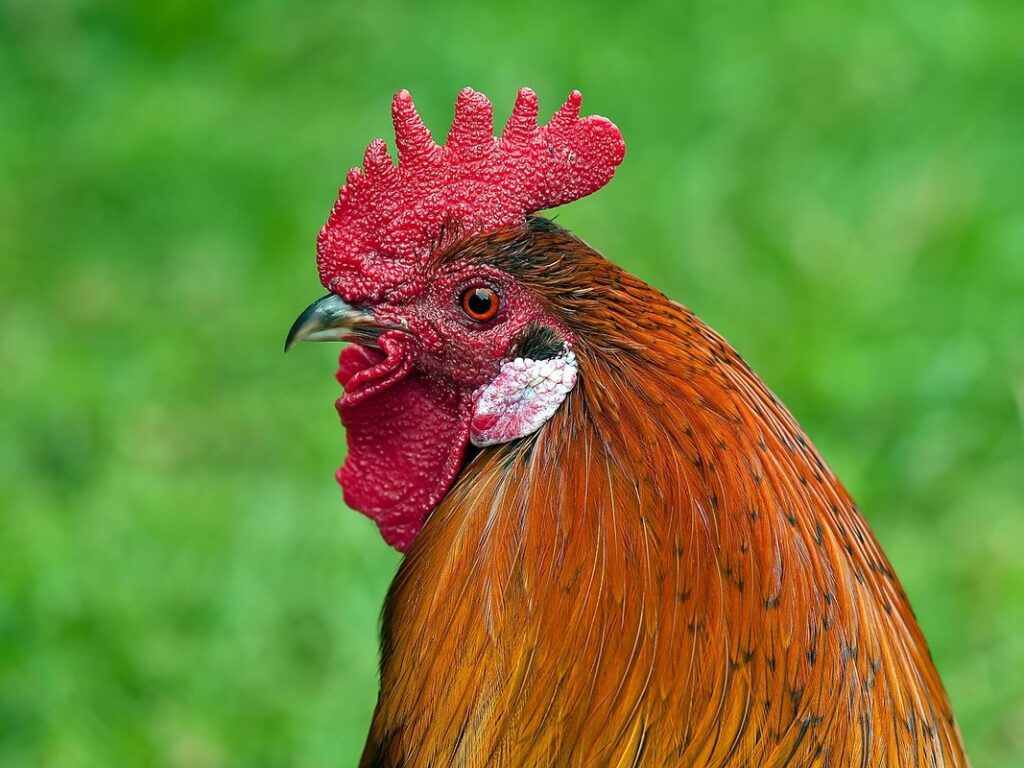
Understanding Chicken Combs: A Vital Organ
The chicken comb is a vital organ that plays a crucial role in your flock’s overall health, and understanding its function can help you identify potential issues early on. Let’s take a closer look at how combs work.
Function and Purpose of the Chicken Comb
The chicken comb is often overlooked as just a colorful adornment on top of our feathered friends’ heads. However, it plays a vital role in regulating body temperature and maintaining overall health. As the primary temperature control organ, the comb helps chickens dissipate heat through evaporation, which is especially crucial during hot summer months when temperatures soar.
Proper functioning of the chicken comb is essential to prevent overheating, a common issue that can lead to serious health problems such as heat stress and even death. In fact, research has shown that birds with large combs tend to be more resilient to high temperatures than those with smaller ones. So, what makes for a healthy comb? It should be plump, fleshy, and have a vibrant red color. If the comb appears pale, shriveled, or sun-scorched, it may indicate heat stress.
To ensure your flock’s combs are in top condition, provide plenty of fresh water, maintain good ventilation, and avoid overcrowding. By doing so, you’ll help prevent heat-related issues and keep your hens happy and healthy.
Normal vs. Abnormal Chicken Combs
Identifying normal versus abnormal combs can be a crucial step in detecting potential health issues in chickens. A healthy chicken comb is typically bright red and rounded, with well-defined edges and no visible signs of lesions or discoloration.
On the other hand, an abnormal comb may indicate a range of health problems. For instance, pale or discolored combs can be a sign of nutritional deficiencies, such as lack of vitamin E or K. Combs that are dry, cracked, or scaly may point to dehydration or stress. In some cases, an abnormal comb can even be a symptom of underlying conditions like cancer or fungal infections.
To assess your chicken’s comb health, start by gently lifting the feathers around the comb and inspecting it for any signs of damage or discoloration. Look out for changes in color, texture, or shape that may indicate an underlying issue. Keep in mind that some breeds naturally have more vibrant combs than others, so it’s essential to familiarize yourself with your chicken’s specific breed characteristics.
If you notice any abnormalities, consult a veterinarian experienced in poultry care to rule out potential health issues. Regularly checking your chickens’ combs can help you detect problems early on and take corrective action before they become more severe.
Common Chicken Comb Types
When it comes to chicken health, understanding the different comb types is crucial, as some are more prone to certain issues than others. Let’s take a closer look at the common types of chicken combs you’ll encounter.
Single-Comb Types
Single-comb breeds are one of the most common types of chicken combs found among backyard flocks. These chickens have a single, prominent comb located on top of their heads, and they come in various shapes and sizes. One of the defining characteristics of single-comb breeds is their large size – some combs can grow up to 2 inches long! This type of comb requires extra care as it’s more prone to frostbite during cold weather.
When it comes to health, single-comb chickens can be susceptible to respiratory problems due to their unique anatomy. The large comb and wattle (the skin under the neck) require adequate blood flow to stay healthy. Providing a balanced diet rich in vitamins and minerals is essential for maintaining good health. In addition, ensuring proper ventilation in your coop will help prevent respiratory issues.
Some popular single-comb breeds include the Leghorn, Rhode Island Red, and Plymouth Rock. These breeds are known for their high egg production and friendly demeanor. However, it’s essential to note that single-comb chickens may require more attention during cold snaps to prevent frostbite.
Rose-Comb Types
Rose-comb types have been a favorite among chicken breeders for centuries. This comb type originated from Europe and is characterized by its rosy-red color and wide, flared shape. There are three main types of rose-combs: the single rose, pea comb, and buttercup comb.
The single rose comb is the most common type and has a broad base with smaller tips that curve inward. It’s a popular choice for many breeds, including the Leghorn and Orpington. The pea comb, on the other hand, has a narrow base and smaller, rounded tips. This type is often seen in small breeds like the Bantam.
The buttercup comb is the rarest of the three and has a more cupped shape with a central depression. It’s found in some heritage breeds and can be quite striking to look at. Regardless of which rose-comb type your flock has, it’s essential to keep an eye on their health. Regular checks will help you identify any issues early on.
In terms of care, rose-combs require regular cleaning to prevent bacterial growth and keep the comb free from debris. A gentle scrub with a soft-bristled brush and some warm water should do the trick.
Frill-Comb Types
If you’ve ever raised chickens, you’re likely familiar with the different comb types that can be found on various breeds. However, one type stands out from the rest: the frill-comb. This unique feature is characterized by a flared or “frilled” base at the top of the comb, which gives it a distinct appearance.
One of the most notable differences between frill-combs and other types is their size. Frill-combs tend to be larger than pea combs, but smaller than rose combs. They can range from 1-3 inches in diameter and are often found on breeds such as Brahma, Cochin, and Orpington.
Frill-combs require regular maintenance to prevent overheating during hot weather. It’s essential to provide your chickens with adequate ventilation, shading, and cooling measures to keep their comb safe from heat stress. Be sure to check for signs of heat stress regularly, such as panting, drooping, or loss of appetite.
By understanding the unique characteristics and needs of frill-combs, you can take steps to ensure the health and well-being of your flock.
Health Implications of Chicken Combs
When it comes to chicken health, their combs play a crucial role, and understanding the health implications of different comb types is essential for your flock’s well-being. Let’s dive into the potential issues associated with certain comb types.
Comb Disorders: Symptoms and Causes
Chicken combs are prone to various disorders that can significantly impact a chicken’s health and overall well-being. One common issue is frostbite, which occurs when the comb becomes exposed to cold temperatures for an extended period. This can cause the skin to freeze, leading to pain, discomfort, and potentially even death if not treated promptly.
Another prevalent disorder affecting chicken combs is canker. Caused by a bacterial infection, canker leads to lesions on the comb that can bleed, scab, and become infected. Regular cleaning and maintenance of the coop can help prevent canker from developing.
Mites are also a common issue in chickens, often living on the comb and causing discomfort and stress for the bird. Signs of mite infestation include excessive preening, feather loss, and unusual droppings. To combat mites, it’s essential to regularly clean and dust your coop, as well as check your birds frequently for signs of infestation.
By being aware of these common comb disorders, you can take proactive steps to prevent them from occurring in the first place. Regular monitoring and maintenance are key to keeping your chickens healthy and happy.
Nutritional Deficiencies Affecting the Comb
Inadequate nutrition can have a significant impact on chicken comb health. A well-balanced diet is essential to maintain a healthy and vibrant comb, but deficiencies in certain nutrients can lead to problems such as dryness, brittleness, or even color changes.
A lack of vitamin E, for example, can cause the comb to become brittle and prone to breaking. Vitamin E plays a crucial role in maintaining the health of red blood cells and keeping the comb’s tissues healthy. Similarly, insufficient intake of vitamin A can result in a dull or faded comb appearance. On the other hand, excessive amounts of certain nutrients like zinc can lead to changes in color, causing the comb to turn a darker shade.
To prevent nutritional deficiencies from affecting your flock’s combs, it is essential to provide them with a balanced and nutritious diet that includes all necessary vitamins and minerals. Consider adding supplements or changing their feed to ensure they are getting everything they need. Regular monitoring of your birds’ health and nutrition can help identify any potential issues before they become severe problems.
Other Factors Influencing Comb Health
In addition to genetic predispositions and specific comb types, several external factors can contribute to or exacerbate comb problems. Climate plays a significant role in determining the overall health of a chicken’s comb. Extreme temperatures, whether scorching heat or freezing cold, can cause discomfort and even damage to the comb.
Humidity levels also impact comb health. Moisture can lead to fungal infections and skin irritations on the comb, while dry air may cause it to become brittle and crack. Providing adequate ventilation and managing the coop’s humidity through proper insulation and airflow can help mitigate these issues.
Outdoor access can also affect comb health. Chickens exposed to harsh weather conditions or disease-carrying pests may be more prone to comb problems. Regular cleaning of the coop, providing sheltered areas for protection, and monitoring the flock’s overall health can help minimize these risks.
Maintaining Healthy Chicken Combs
Keeping your chicken’s comb healthy is crucial for their overall well-being, and regular care can help prevent issues like frostbite and infection. A balanced diet and proper hydration also play a big role in maintaining a healthy comb.
Environmental Factors for Optimal Comb Health
Creating an optimal environment for healthy combs is crucial to ensure your chickens stay happy and productive. One of the most critical environmental factors is temperature regulation. Chickens thrive in temperatures between 40°F and 80°F (4°C and 27°C). Avoid placing their coop or run near direct sunlight, radiators, or drafty areas that can lead to heat stress.
Humidity levels also play a significant role in comb health. Aim for a relative humidity of 50-60%. This allows the skin to breathe and prevents moisture buildup, which can cause infections.
Lighting is another essential factor. Provide adequate lighting during the day, but ensure it’s not too harsh. Use UV-filtering windows or install LED lights that mimic natural daylight. Avoid placing their coop near streetlights or areas with direct light exposure at night.
Ventilation is critical in maintaining a healthy environment. Ensure good airflow by installing windows or vents to prevent ammonia buildup and moisture accumulation. Regularly inspect the coop for any signs of dampness, mold, or mildew.
By following these best practices, you’ll be able to create an optimal environment that promotes healthy combs and overall chicken well-being.
Dietary Considerations for Comb Health
A balanced diet is crucial for maintaining healthy combs on your chickens. A comb’s health and size are directly linked to a chicken’s overall nutritional intake. Chickens need a combination of essential vitamins and minerals, including vitamin E, biotin, and omega-3 fatty acids, to keep their combs vibrant and healthy.
Vitamin E is particularly important for maintaining the integrity of the skin around the comb. This fat-soluble antioxidant helps protect against cell damage caused by free radicals, ensuring that the delicate skin around the comb remains supple and pliable. Include leafy greens like spinach and kale in your chicken’s diet to boost their vitamin E levels.
Biotin is another essential nutrient for healthy combs. It plays a crucial role in metabolizing fatty acids and maintaining healthy skin and feathers. Feed your chickens biotin-rich foods like eggs, nuts, and seeds to support comb health. Omega-3 fatty acids also contribute to the overall health of the comb by reducing inflammation and promoting healthy cell growth.
Aim for a balanced mix of protein, fiber, and vitamins in your chicken’s diet to ensure optimal comb health.
Grooming Techniques for the Chicken Comb
When it comes to maintaining healthy chicken combs, gentle grooming is crucial to prevent damage or irritation. You can start by gently lifting and separating the individual feathers around the comb with your fingers to inspect for any signs of infection, lice, or mites. To keep the comb clean, use a soft-bristled brush or a damp cloth to gently wipe away dirt and debris.
For more thorough cleaning, mix 1 teaspoon of unscented, unflavored soap with 1 quart of water in a spray bottle. Spray the mixture onto the comb, making sure not to get any liquid into the eyes or ears. Use your fingers or a soft-bristled brush to gently scrub away dirt and debris.
Be careful not to touch or rub the comb too vigorously, as this can cause irritation and even lead to feather pecking in flock dynamics. Clean and dry the comb thoroughly with a towel after each grooming session to prevent bacterial growth. Regular gentle grooming will help keep your chicken’s comb healthy and vibrant, reducing the risk of disease and promoting overall well-being.
Recognizing Signs of Illness in the Chicken Comb
A healthy chicken comb is a good indicator of your bird’s overall health, but knowing how to spot signs of illness is crucial for timely intervention. Let’s take a closer look at common symptoms and what they mean.
Early Warning Signs of Comb Problems
As you care for your flock, it’s crucial to recognize early warning signs of potential comb problems. A healthy chicken comb should be a vibrant red color, but changes in appearance can indicate underlying issues. For instance, if the comb becomes pale or develops patches of white, it may signal a lack of essential nutrients like vitamin E or beta-carotene.
Keep an eye out for any changes in texture as well – a dry, scaly, or flaky comb can be indicative of dehydration or nutritional deficiencies. Monitor your birds’ behavior too; if they’re not preening their combs or are showing signs of lethargy, it may be related to a comb issue.
To catch potential problems early on, check your chickens’ combs daily and take note of any changes. Consider supplementing their diet with vitamin-rich foods like leafy greens or fruits, which can help maintain a healthy comb color and texture. Regular monitoring will allow you to address any issues promptly, ensuring the overall health and well-being of your flock.
How to Monitor and Maintain Healthy Combs
Monitoring your chicken’s comb regularly is essential to catch potential health issues early on. A healthy comb should be bright red, shiny, and free of cracks or discoloration. To maintain a healthy comb, make sure your bird has access to plenty of fresh water and a balanced diet rich in vitamins and minerals.
Look for signs of dehydration by gently touching the comb; if it feels dry or brittle, your chicken may need more water. Also, inspect the comb daily for any changes in color or texture, such as darkening, softening, or developing cracks. These can be early warning signs of illness or stress.
Here are some tips to keep your bird’s comb healthy:
* Provide a calcium supplement to promote strong feather and beak growth
* Ensure adequate airflow around the coop to prevent respiratory problems
* Monitor for mites or lice that can cause skin irritation and lead to comb issues
By incorporating these habits into your chicken-keeping routine, you’ll be able to catch any potential health concerns before they become severe. Regular monitoring of your bird’s comb will help you maintain a happy and healthy flock.
Best Practices for Raising Healthy Chickens with Good Combs
When it comes to raising healthy chickens, keeping their combs in top condition is crucial. In this section, we’ll share essential tips on how to promote vibrant and healthy comb growth.
Genetics vs. Environmental Factors
When it comes to raising healthy chickens with good combs, understanding the interplay between genetics and environmental factors is crucial. While some breeds are naturally more prone to healthy comb development due to their genetic makeup, environmental factors can significantly impact comb health.
For instance, a chicken breed may be genetically predisposed to having a robust comb, but if exposed to extreme temperatures or humidity levels, its comb may still become damaged. Conversely, a breed with a weaker comb gene may thrive in optimal environmental conditions, resulting in a healthy and vibrant comb. This interplay highlights the importance of considering both genetics and environment when raising chickens.
To optimize your flock’s health, ensure they have access to clean air, proper ventilation, and adequate nutrition. Provide shade and protection from extreme temperatures, and consider using a dust bath or other enrichment activities to help manage stress. By taking these steps, you can create an environment that supports the genetic potential of your chicken breed, promoting healthy combs and overall well-being.
Strategies for Improving Comb Health in Your Flock
When it comes to maintaining healthy combs for your flock, there are several strategies you can implement as a breeder, owner, or enthusiast. One of the most effective ways is by providing optimal nutrition for your chickens. A well-balanced diet rich in essential vitamins and minerals will ensure that your birds’ combs remain plump, red, and free from disease.
Firstly, make sure your flock has access to fresh water at all times. Dehydration can quickly lead to dry, brittle combs that are more susceptible to cracking or infection. Secondly, consider supplementing their diet with a high-quality multivitamin specifically designed for poultry. This will help bridge any nutritional gaps and promote overall health.
Another crucial aspect is providing regular grooming opportunities. Use gentle strokes to clean your chickens’ combs daily, taking care not to pull on the delicate skin. Regular cleaning will prevent dirt buildup, which can irritate the comb and lead to infection.
To keep your flock’s combs healthy and disease-free, maintain a hygienic environment by regularly disinfecting feeders, waterers, and coop surfaces. This will minimize exposure to pathogens that could compromise your birds’ health.
Monitor your chickens’ behavior closely for any signs of illness or stress, as these can manifest in changes to the comb’s appearance. If you notice any unusual developments, consult with a veterinarian experienced in poultry care.
To further promote healthy combs, consider implementing strategies like reducing stress through enrichment activities and creating a balanced light-dark cycle.
Frequently Asked Questions
Can I mix different comb types within my flock, or is it best to stick with one?
When introducing new breeds to your existing flock, consider the potential for comb-related issues. Mixing single- and rose-comb breeds can lead to increased mite infestations due to their different sensitivities. To minimize risks, introduce new birds gradually and monitor their combs closely.
How often should I check my chickens’ combs for signs of illness or injury?
Regularly inspect your flock’s combs daily, ideally during dust baths or when they’re most active. Look for changes in color, swelling, or unusual odors, which can indicate underlying health issues. Early detection allows you to address problems promptly and prevent further complications.
Can nutritional deficiencies directly impact the health of my chickens’ combs?
Yes. Nutritional deficiencies can significantly affect comb health. Ensure your flock’s diet includes essential vitamins and minerals, such as vitamin E and calcium, which are crucial for maintaining a healthy comb. A well-balanced feed or supplement can help address potential deficiencies.
How do I prevent red mite infestations on my chickens’ combs?
Regularly inspect your flock’s combs for signs of mites, and treat promptly if necessary. Maintain a clean coop environment by removing soiled bedding, cleaning waterers regularly, and using diatomaceous earth to deter mites.
Can genetics influence the health and resilience of my chickens’ combs?
Yes. Some breeds are more prone to comb-related issues due to their genetic makeup. Research your flock’s specific breed characteristics and be prepared for potential challenges. However, proper care and attention can help mitigate these risks and promote overall comb health.