
If you’re a chicken keeper or enthusiast, you’ve probably noticed that not all hens have the same type of comb. The five distinct comb types in chickens can be quite fascinating, and understanding them is crucial for making informed breeding decisions and ensuring your flock’s overall health. Whether you’re a seasoned expert or just starting out with backyard chickens, choosing the right breed can be overwhelming, especially when it comes to selecting the ideal comb type.
This article will guide you through the different comb types in chickens – from the Single Comb to the Rose Comb, Polish, Cushion Comb, and Buttercup. We’ll explore their unique characteristics, advantages, and disadvantages to help you make a more informed decision about which breed is best suited for your needs. By the end of this article, you’ll have a better understanding of how comb types can impact chicken health, behavior, and egg production, so let’s dive in and learn more!
Understanding Chicken Combs: Importance and Basics
Let’s dive into the importance of chicken combs, which play a crucial role in regulating a hen’s overall health and well-being. We’ll break down the basics to help you understand these vital feathers.
What is a Chicken Comb?
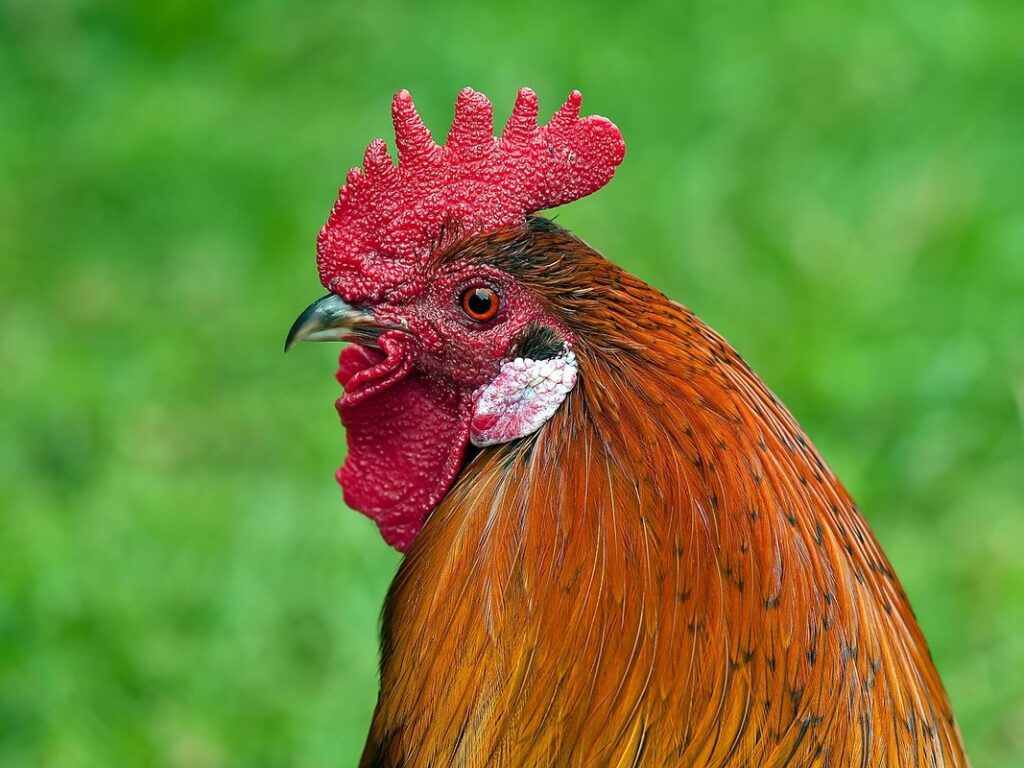
A chicken comb is a fleshy growth on top of a chicken’s head, located at the base of the beak. It’s a critical part of a chicken’s anatomy and plays a vital role in regulating body temperature. The comb acts as a radiator, allowing chickens to release excess heat from their bodies.
In hot weather, a well-developed comb can help prevent overheating by dissipating heat efficiently. Conversely, during cold temperatures, the comb helps trap warm air next to the skin, reducing heat loss. This delicate balance is essential for maintaining a stable body temperature, especially in extreme climates.
The shape and size of a chicken’s comb can vary significantly depending on breed. While some breeds have large, red combs that are highly visible, others may have smaller, less prominent ones. Whether you’re a seasoned breeder or a backyard enthusiast, understanding the unique characteristics of your flock’s combs is essential for recognizing potential health issues and ensuring their overall well-being.
Types of Chicken Combs: A Brief Overview
There are several types of combs found in chickens, each with its unique characteristics and purposes. Let’s start by exploring the most common types: Single Comb, Rose Comb, and Buttercup Comb.
A Single Comb is a classic and straightforward comb type. It features a single, circular comb on top of the chicken’s head. This comb type is found in many breeds, including Leghorns and Cornish. Single Combs are easy to clean and maintain but can be prone to frostbite in colder climates.
The Rose Comb, as its name suggests, resembles a rose in shape. It features multiple lobes that curve outwards from the center, giving it a distinctive appearance. Rose Combs are found in breeds like Orpingtons and Sussex. They are generally more resistant to cold temperatures than Single Combs but require regular cleaning to prevent bacterial growth.
Lastly, there’s the Buttercup Comb, characterized by its flat, rounded shape with two small points on either side. This comb type is less common but can be found in some heritage breeds.
Single-Comb Varieties
Let’s explore single-comb varieties, which are characterized by a single comb on top of their heads and often feature distinct feather patterns. You’ll find some popular breeds in this category.
Rumpless and Non-Rumpless Single-Combs
When it comes to single-comb varieties, you’ll notice that some breeds have rumples and others don’t. The term “rumpless” refers to a comb that doesn’t have this characteristic fold of skin on the back of the neck. On the other hand, a non-rumpless or “rumpled” comb has this distinctive feature.
Breed examples of single-comb varieties without rumples include the Malay and the Houdan. These breeds typically have a smoother, more rounded comb shape. In contrast, breeds like the Brahma and the Cochin often have a non-rumpless comb with visible folds of skin on the neck.
The main difference between rumpless and non-rumpless single-combs lies in their size and shape. Rumpless combs tend to be smaller and more compact, while those with rumples are often larger and more sprawling. While both types can be prone to frostbite, it’s essential to provide adequate protection for chickens with either comb type during harsh winter months.
When choosing a breed with a single-comb variety, consider factors like climate, care requirements, and desired temperament. This will help you make an informed decision that suits your needs as a chicken keeper.
Characteristics of Single-Combs
Single-comb chickens are easily identifiable by their single, upright comb on top of their heads. This comb type is typically red in color and can vary in size depending on the breed. One of the main advantages of owning single-comb chickens is their ability to thrive in hot climates. Without a large comb area, they produce less heat, which makes them more suitable for areas with high temperatures.
However, single-combs also have some potential drawbacks. They are more susceptible to frostbite and can be affected by cold weather conditions. This means that if you live in an area with freezing winters, single-comb chickens may not be the best choice.
In terms of care, single-comb chickens require less maintenance than those with multiple combs. Their simpler comb design makes it easier for owners to keep them clean and free from disease. When choosing a breed, consider your climate and the needs of your flock. If you’re looking for a low-maintenance option that can thrive in warm weather, single-comb chickens are definitely worth considering.
Rose Comb Varieties
When it comes to rose comb varieties, you’ll find that some breeds showcase vibrant and ruffled combs, while others display more delicate and rounded plumage. Let’s explore these stunning differences in more detail!
Subsections:
When it comes to rose combs, there are several physical characteristics that set them apart from other comb types. A rose comb is typically a wide, flat comb with a rounded shape and pointed ends. It can be quite large, covering much of the top of the chicken’s head. The base of the comb may be wider than the rest, forming a sort of “rosebud” shape.
One key feature of rose combs is their ability to absorb heat from the sun and circulate it throughout the body. This makes them particularly well-suited for climates with mild winters and hot summers. However, this same characteristic can make them more prone to overheating in warmer temperatures or during heatwaves.
In terms of advantages and disadvantages, rose-combed chickens are often prized for their hardiness and resilience. They tend to be less susceptible to respiratory issues and other health problems that affect some breeds with smaller combs. On the other hand, they may be more vulnerable to frostbite and cold stress in colder climates. Owners should take extra precautions to ensure their rose-combed chickens have access to warm shelter and dry bedding during the winter months.
Some popular breeds that feature rose combs include the Brahma, Cochin, and Polish. These breeds are known for their gentle nature and impressive size, making them a favorite among backyard chicken keepers. The Polish, in particular, is famous for its striking crest of feathers on top of the head, which can sometimes obscure the comb itself.
Walnut Comb Varieties
When it comes to comb types, one of the most striking varieties is the Walnut Comb, known for its distinctive shape and growth pattern that’s easy to spot. Let’s take a closer look at this unique type.
Subsections:
Walnut combs are one of the most distinctive and recognizable comb types in chickens. They’re characterized by their unique shape, which resembles a walnut shell. The walnut comb is typically medium to large in size, with a rounded base that tapers off into a pointed tip. It’s often found on breeds with a history of being raised for meat or egg production.
One of the most notable advantages of having a walnut-combed chicken is its ability to tolerate cold temperatures better than other comb types. This makes them an excellent choice for farmers in cooler climates or those who live in areas with harsh winters. However, there are also some potential drawbacks to consider. For example, walnut combs can be more prone to frostbite and feather pecking due to their exposed shape.
Despite these considerations, many popular breeds feature walnut combs, including the Rhode Island Red, Barred Plymouth Rock, and Wyandotte. These breeds have been developed over centuries for their hardiness, egg-laying ability, and meat production. If you’re considering raising a chicken with a walnut comb, it’s essential to be aware of these characteristics and take steps to protect your bird from the elements.
To keep your walnut-combed chicken healthy, make sure to provide adequate shelter and protection from wind, rain, and cold temperatures. This can include providing a coop or run that’s specifically designed for their needs. You should also monitor their comb regularly for signs of frostbite or other health issues. With proper care and attention, a walnut-combed chicken can thrive and become a valued member of your flock.
Frill Comb Varieties
When it comes to combs, you’ll find that chickens can sport a range of fancy styles, but frill comb varieties are some of the most eye-catching. These unique combs add an extra layer of flair to your flock’s appearance.
Subsections:
Frill combs are one of the most striking and unique features found in chickens. Characterized by their long, curved shape and fleshy texture, frill combs add a touch of elegance to the bird’s appearance.
One of the defining physical characteristics of frill combs is their ability to be quite large – often extending far beyond the head itself. In fact, some breeds can boast combs that stretch up to 1 inch in length or more! This unique shape allows for greater exposure to sunlight and oxygen, which can contribute to overall health and well-being.
However, it’s essential to consider both the advantages and disadvantages of having a frill-combed chicken. While these birds do have an increased blood flow to their combs, this also means they require extra care in hot weather conditions to prevent overheating. This is particularly crucial for backyard keepers or those with limited space, as overexposure can lead to serious health issues.
Another critical consideration is the potential for parasite infestations on the comb itself – an area where bacteria and mites often love to reside. Regular cleaning and monitoring are therefore crucial in maintaining your flock’s overall health.
As it turns out, frill combs aren’t exclusive to just one or two breeds; several popular varieties boast this unique feature. The Silkie is perhaps the most well-known for its fluffy feathers and large, rounded comb, while other breeds such as the Polish and Modern Game also showcase these distinctive headpieces.
Earspool Comb Varieties
Let’s take a closer look at the Earspool Comb, also known as the rose comb, which has a distinct rounded shape and is often found in breeds like Leghorns.
Subsections:
Earspool combs are one of the most distinctive and unique comb types found in chickens. They get their name from their resemblance to a small “ear” or protrusion on top of the chicken’s head, just behind the beak.
The earspool comb is characterized by its rounded shape, typically measuring between 1-2 inches (2.5-5 cm) in diameter. It usually has a slight taper at the edges and can appear either smooth or wavy depending on the breed. Earspool combs are often seen on heritage breeds such as the Malay and the Java chicken.
When it comes to caring for earspool-combed chickens, there are some important considerations to keep in mind. On the plus side, these combs tend to be less prone to frostbite than other types due to their compact shape and lower profile. However, they can still be susceptible to cold stress if exposed to extreme temperatures.
On the negative side, earspool combs require regular cleaning to prevent debris from accumulating within the recessed areas. This is especially important in breeds with more wavy or irregular comb shapes. Failure to clean the area regularly may lead to irritation and potentially serious health issues.
In terms of breed examples, some popular varieties featuring earspool combs include the Malay, Java, and occasionally the Sumatran chicken. These heritage breeds have been prized for their striking appearance and robust constitution. If you’re considering raising a breed with an earspool comb, be sure to research its specific needs and requirements to ensure you can provide the best possible care.
When choosing a breed with an earspool comb, consider factors such as temperament, egg-laying capacity, and adaptability to your local climate. With proper attention and care, these unique combs will add character and charm to your flock.
Health Considerations for Comb Types
When choosing a comb type for your chickens, it’s essential to consider their health needs, as some combs are more prone to heat stress and disease. Let’s explore how each comb type affects their well-being.
Subsections:
When it comes to comb types in chickens, there are several health considerations that are essential for chicken keepers to be aware of. Two critical aspects to examine are heat stress and disease resistance.
Heat Stress and Comb Type
Chickens with certain comb types are more susceptible to heat stress than others. The single comb type, which is the most common, can lead to overheating in hot environments due to its prominent size and surface area. In contrast, chickens with rose combs or pea combs tend to fare better in high temperatures because their smaller combs reduce heat gain.
For example, research has shown that Leghorn hens with single combs experience a 25% increase in mortality rates during the hottest months of the year compared to those with rose combs. On the other hand, chickens from breeds like the Polish and Silkie tend to thrive even in extreme temperatures due to their small or nearly absent combs.
Disease Resistance and Comb Type
While there is no direct correlation between comb type and disease resistance, some studies suggest that certain combs may provide an advantage against specific pathogens. For instance, a study on Campylobacter infections found that chickens with rose combs were less likely to carry the bacteria than those with single combs.
Breed-specific examples illustrate this relationship. The Brahma breed, known for its large size and single comb, has been observed to have higher rates of Marek’s disease compared to breeds like the Orpington, which has a smaller rose comb. This is not to say that single-comb chickens are inherently more susceptible to disease, but rather that they may require additional care and management in hot environments.
By understanding the relationship between comb types and heat stress and disease resistance, chicken keepers can take steps to mitigate these risks and ensure their flock stays healthy throughout the year.
Breeding for Specific Comb Types
When breeding chickens, understanding how to encourage specific comb types is crucial, whether you’re after the majestic pea comb or a sturdy rose comb. This process requires careful consideration and attention to your flock’s genetics.
Subsections:
Selective breeding is a deliberate process of choosing specific characteristics in an attempt to improve on existing traits or develop new ones. In chickens, this means selecting for desirable comb types that can enhance the bird’s appearance, fertility, and overall health. However, selective breeding is not just about choosing individual birds with the desired trait – it’s also about understanding genetics and recognizing how different breeds interact.
To breed for specific comb types, farmers typically begin by identifying existing breeds or lines that exhibit the desired traits. These foundation stocks are then mated to each other to produce offspring that can be evaluated for their comb type and other desirable characteristics. The selection process involves carefully evaluating individual birds and making breeding decisions based on their overall performance and appearance.
One of the main challenges in selective breeding is recognizing that genetics play a complex role in determining comb type. A small genetic variation can have a significant impact on the final result, so breeders must be aware of these nuances when selecting parents for their flock. This means understanding basic genetics concepts such as dominant and recessive traits, incomplete dominance, and epistasis.
Another consideration is that different breeds have unique characteristics, both desirable and undesirable, which need to be balanced in the breeding program. For example, some breeds are prone to certain health issues or may require specific environmental conditions to thrive. These factors must be taken into account when developing a breeding plan that prioritizes the desired comb type.
In addition to understanding genetics and breed characteristics, selective breeding also requires careful record-keeping and planning. Breeders need to maintain accurate records of their flock’s pedigree, track the results of each mating, and make informed decisions about future breeding pairs based on this data.
Frequently Asked Questions
How can I identify the comb type of a chicken breed if I’m not familiar with it?
To determine a chicken’s comb type, observe its shape, size, and placement on the head. Note whether it’s single-layered or multi-layered, as well as any distinctive features like frills or ear spools. Consult breed standards or consult with experienced breeders to get an accurate identification.
Can I influence the comb type of my chicken through diet or living conditions?
While diet and living conditions can affect a chicken’s overall health, they do not directly impact the development of its comb type. Comb type is determined by genetics, so it’s essential to choose breeds that are well-suited to your climate and management style.
How does a chicken’s comb type relate to heat tolerance in hot climates?
Chickens with single combs or rose combs tend to be more susceptible to heat stress due to their exposed surface area. In contrast, breeds with cushion or buttercup combs often fare better in warm conditions. When selecting a breed for a hot climate, prioritize those with lower-maintenance combs.
Can I mix and match different comb types within the same flock?
Yes, but it’s essential to consider compatibility when introducing chickens from different breeds. Comb size and shape can impact roosting behavior and social dynamics. Keep in mind that some breeds may not adapt well to each other’s company, so monitor their interactions closely.
How do I determine if a chicken has an inherited comb defect or is experiencing health issues?
If you notice any irregularities in your chicken’s comb, consult with a veterinarian to rule out potential health problems. Some comb defects can be inherited, while others may result from environmental factors like nutritional deficiencies or parasites.