
Are you looking to give your garden a boost without breaking the bank? Chicken compost is an innovative solution that can provide your plants with the nutrients they need to thrive. By harnessing the power of chicken waste, you can create a rich and fertile compost that’s perfect for gardening. Not only does it save you money on fertilizers, but it also reduces waste and creates a sustainable ecosystem in your backyard. In this article, we’ll delve into the benefits of using chicken compost in your garden, from setup and maintenance to common issues to overcome. We’ll explore expert tips and tricks on how to make the most out of this powerful gardening tool, so you can grow healthy and vibrant plants with ease.
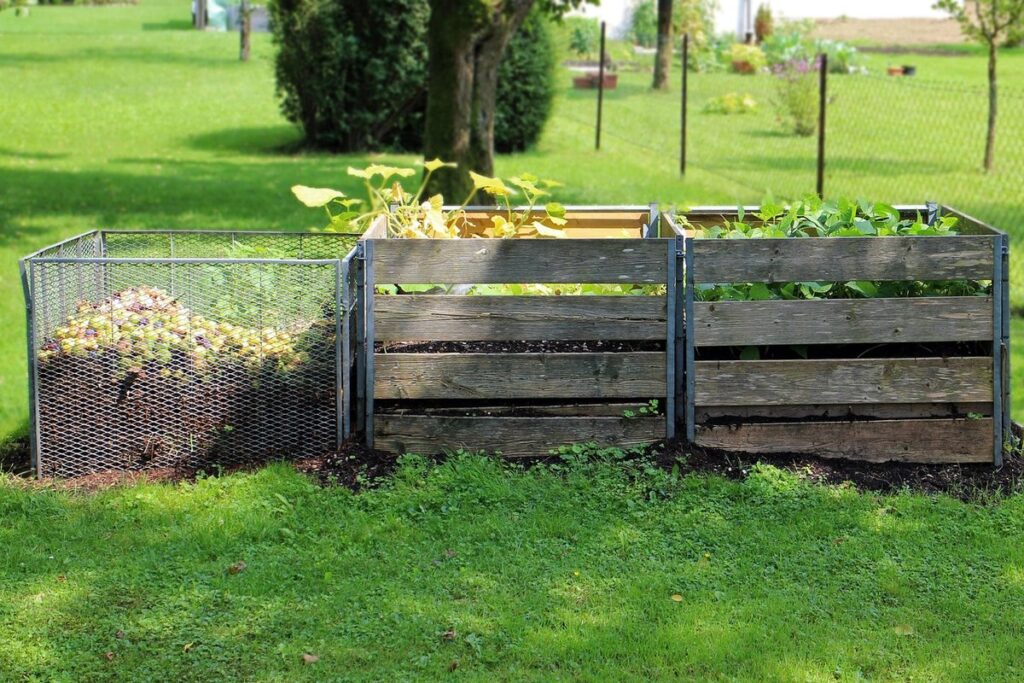
Understanding Chicken Compost
Understanding chicken compost requires grasping its unique characteristics, benefits, and potential drawbacks as a garden fertilizer. Let’s explore these essential aspects together.
Benefits of Using Chicken Compost in Gardens
Using chicken compost in your garden can have a significant impact on soil health, crop yields, and waste reduction. One of the primary benefits is improved soil structure, which allows for better drainage and aeration. This is especially beneficial for heavy clay soils that tend to waterlog easily.
As a result of the nutrient-rich content in chicken compost, you can expect an increase in crop yields. Chicken compost is particularly effective at increasing the availability of nitrogen, phosphorus, and potassium – essential nutrients for plant growth. According to studies, using compost tea (a liquid solution made from steeping compost) can reduce disease pressure by up to 80%.
Not only does chicken compost improve soil health, but it also reduces waste generated in your garden. By using this natural fertilizer, you’ll minimize the need for synthetic fertilizers and other chemicals that can harm the environment. This approach will not only save you money on gardening expenses but also promote a more sustainable and eco-friendly practice.
Common Misconceptions about Chicken Compost
Many gardeners are deterred from using chicken manure as a composting material due to several common misconceptions. One of the most prevailing myths is that chicken manure is too “hot” and can burn plants if added directly to the soil. While it’s true that chicken manure has high nitrogen levels, this doesn’t necessarily mean it’s not suitable for gardening.
In reality, a well-balanced compost pile with adequate carbon-rich materials can safely break down chicken manure into a nutrient-rich fertilizer. In fact, many commercial farms use chicken manure as a primary composting material due to its rich nitrogen content and relatively low cost.
Another misconception is that using chicken manure will attract pests or create odors in the garden. However, when properly managed and mixed with other compost materials, the risks associated with these concerns are minimal. To minimize potential issues, it’s essential to balance the carbon-to-nitrogen ratio of your compost pile and monitor its moisture levels.
Ultimately, using chicken manure as a composting material can provide numerous benefits for gardeners, including increased crop yields and reduced fertilizer costs. By understanding the proper methods for handling and incorporating chicken manure into your compost, you can reap these rewards while minimizing potential drawbacks.
The Basics of Chicken Composting
To get started with chicken composting, you’ll first want to understand what it is and why it’s beneficial for your garden, including its unique characteristics. Let’s dive into the basics!
Setting Up a Chicken Composting System
To set up a functional chicken composting system, you’ll need to consider three key components: enclosures, bedding materials, and feeding practices. A sturdy enclosure is essential for keeping pests out and maintaining a clean environment. Choose a well-ventilated coop or run that’s specifically designed for composting systems.
Bedding materials like straw, hay, or wood shavings will help absorb moisture and odors. However, avoid using pine or cedar shavings as they contain oils that can inhibit microbial growth. Aim to add 2-3 inches of bedding material to the enclosure, replacing it every few weeks to maintain its effectiveness.
Feeding practices also play a crucial role in creating a successful chicken composting system. Provide your chickens with a balanced diet that’s high in nitrogen, which will help accelerate the composting process. Consider adding mealworms or crickets to their feed for an extra boost of protein and calcium. By following these steps and maintaining proper hygiene practices, you’ll be well on your way to creating nutrient-rich chicken compost for your garden.
Maintaining Optimal Conditions for Composting
Maintaining optimal conditions is crucial to ensure efficient decomposition and minimize potential issues. The ideal temperature range for composting is between 130°F and 140°F (54°C-60°C). If the pile gets too hot, it can lead to over-heating, which can kill beneficial microbes or even start a fire. To maintain this range, monitor the pile’s temperature regularly and add brown materials like dry leaves or straw to absorb excess heat.
Moisture levels also play a vital role in composting. The pile should be kept consistently moist, but not waterlogged. Aim for a mix that resembles a damp sponge – about 50-60% moisture content. Over-watering can lead to anaerobic conditions, causing unpleasant odors and reduced decomposition rates.
A well-balanced carbon-to-nitrogen (C:N) ratio is essential for efficient composting. A general rule of thumb is to aim for a C:N ratio of 25:1 or higher. This means that for every one part of “green” materials like chicken manure, add at least 25 parts of brown materials like dry leaves or shredded newspaper. By maintaining these optimal conditions, you’ll be able to create nutrient-rich compost for your garden in no time.
What Can Be Added to Chicken Compost?
When it comes to creating a nutrient-rich chicken compost, you’ll want to know what additional items can be safely added to enhance its fertility and benefits for your garden. Here’s a rundown of common additives.
Kitchen Scraps and Food Waste
When it comes to creating nutrient-rich chicken compost for your garden, incorporating kitchen scraps is a great way to add organic matter and reduce waste. However, not all kitchen scraps are suitable for chicken compost. To safely add kitchen scraps without compromising the system’s integrity, start by focusing on food items that are high in nitrogen and carbon content.
Some acceptable kitchen scraps include fruit and vegetable peels, rinds, and pulp, as well as grains like rice and pasta. You can also add cooked meals, such as soups or stews, but be sure to cool them down before adding to the compost pile. On the other hand, avoid adding oils, fats, dairy products, and meat scraps, as they can attract pests and create unpleasant odors.
To safely incorporate kitchen scraps into your chicken compost system, follow these guidelines: chop larger items like fruits and vegetables into smaller pieces to speed up decomposition; add a layer of “brown” materials, such as dry leaves or straw, on top of the scrap layer to balance out moisture levels.
Yard Trimmings and Plant Materials
Adding diverse plant materials to your chicken compost is crucial to creating a balanced mixture that will enrich your garden’s soil. These materials can include leaves, grass clippings, vegetable peels, and other organic matter. Leaves, for instance, are an excellent addition as they provide essential nutrients like potassium and magnesium, while also improving soil structure.
Grass clippings add nitrogen to the compost pile, which is vital for plant growth. However, it’s essential to balance grass clippings with materials high in carbon, such as leaves or shredded newspaper. Vegetable peels from kitchen scraps are another valuable addition, providing a rich source of potassium and other micronutrients.
When incorporating these materials into your chicken compost, be sure to shred them before adding to increase their surface area. This will help the microorganisms break them down more efficiently. Aim for a mix that includes 2/3 “brown” materials (leaves, straw) and 1/3 “green” materials (grass clippings, vegetable peels).
Managing Odors and Pests in Chicken Compost
Let’s tackle one of the biggest challenges of chicken compost: managing odors and pests that can develop during the decomposition process. We’ll show you how to minimize these issues.
Strategies for Minimizing Ammonia Production
Reducing ammonia levels in chicken compost is crucial to maintaining a healthy and odor-free environment for both humans and animals. One effective strategy is to use odor-reducing bedding materials such as pine shavings, straw, or hay. These materials are designed to absorb excess moisture and reduce the likelihood of ammonia production. For example, using 4-6 inches of pine shavings can significantly lower ammonia levels in your chicken coop.
Another approach is incorporating pH-neutralizers into your compost pile. Materials like dolomitic limestone or oyster shells help balance the pH level, making it more difficult for ammonia-producing bacteria to thrive. You can also add a small amount of crushed eggshells or wood ash to your compost pile as a natural pH adjuster.
In addition to these strategies, ensure that your chicken coop is well-ventilated and maintained regularly. Regular cleaning, disinfecting, and changing bedding materials can go a long way in minimizing ammonia production and keeping the environment clean. By implementing these practical tips, you’ll be able to create a safe and healthy compost pile for your garden, while also reducing unpleasant odors.
Integrated Pest Management Techniques
To minimize pest problems and keep your composting system healthy, it’s essential to implement Integrated Pest Management (IPM) techniques. IPM involves using a combination of methods to control pests, such as flies, rodents, and other wildlife that might be attracted to the composting process.
Start by maintaining good housekeeping practices around your compost pile. Regularly turning the pile helps prevent pests from taking hold. Covering the pile with a lid or tarp can also keep pests out, while allowing for airflow to maintain a healthy carbon-to-nitrogen ratio.
Another effective method is using physical barriers, such as fine-mesh screens or hardware cloth, to cover the compost area and prevent rodents and wildlife from accessing it. You can also use traps or repellents specifically designed to deter these pests.
By combining these methods with good waste management practices, like adding adequate carbon-rich materials to balance out nitrogen levels, you’ll be able to maintain a healthy composting system that’s free from pest problems. This ensures your finished compost is safe for your garden and helps prevent the spread of diseases.
Harvesting and Using Chicken Compost
Now that you’ve got your chicken compost pile set up, it’s time to harvest the nutrient-rich fertilizer for your garden. This section will show you how to use it effectively.
Curing and Aging Process
Proper curing and aging of chicken compost is crucial to ensure it’s safe for use in gardens. This process allows the heat generated during decomposition to dissipate, reducing the risk of burns and weed seeds being activated. To cure the compost, transfer it to a well-ventilated area, such as a shaded spot or a tarp-covered pile. Leave it undisturbed for 2-3 weeks, allowing the temperature to drop below 130°F.
During this time, inspect the compost regularly for any signs of pests or unwanted odors. If you notice any issues, mix in some finished compost or a small amount of lime to balance out the pH levels. Once cured, transfer the compost to an aerated pile or bin for aging. This process can take anywhere from 2-6 months, depending on factors like temperature and moisture.
To ensure optimal effectiveness, it’s essential to let the aged compost settle and break down further. Avoid using it within a few weeks of its completion, as this can result in reduced microbial activity. Instead, allow it to mature for at least 3-4 months before applying it to your garden beds. This waiting period allows the beneficial microbes to flourish, making your chicken compost an excellent addition to your gardening routine.
Applications of Finished Compost
One of the most exciting parts of creating chicken compost is seeing it put to good use in your garden. Finished compost can be applied in a variety of ways, making it a versatile and valuable resource for any gardener.
Firstly, finished compost makes an excellent fertilizer, providing essential nutrients for plants to thrive. You can mix it into the soil before planting or add it as a top dressing after sowing seeds. For example, adding 1-2 inches of finished compost around your tomato plants will provide them with the necessary micronutrients and macronutrients to produce a bountiful harvest.
Finished compost is also an effective soil amendment, improving its structure, drainage, and overall health. It can help to break up compacted soil, reduce erosion, and increase water retention. To do this, mix 10-20% of finished compost into the top 6-8 inches of soil when preparing your garden beds for planting.
Lastly, you can use finished compost as a component in mulch blends, retaining moisture, suppressing weeds, and regulating soil temperature. A common ratio is to mix 1 part finished compost with 2 parts organic matter like straw or bark chips.
Troubleshooting Common Issues with Chicken Compost
Sometimes you might encounter issues with your chicken compost, such as odors or pests, which can be frustrating to deal with. Let’s troubleshoot these common problems together in this section.
Identifying Signs of Imbalance
Recognizing that your chicken compost is out of balance can be a frustrating experience, but identifying the warning signs early on is key to correcting the issues. One common sign is an unpleasant odor emanating from the pile. If you notice a strong smell or even ammonia fumes, it’s likely due to too high carbon-to-nitrogen ratios or inadequate moisture levels.
To correct this issue, start by assessing your feedstock mix and adjusting the proportions of “green” (high in nitrogen) materials like chicken manure, fruit scraps, and vegetable peels. Add more “brown” materials such as shredded paper, straw, or wood shavings to balance it out. Also, ensure you’re maintaining adequate moisture levels – not too dry nor too soggy.
Another warning sign is excessive pest attraction, where flies, rodents, or other critters are drawn to the compost pile. This can be a result of too many “green” materials creating an ideal environment for pests. To resolve this issue, incorporate more “brown” materials and ensure you’re turning the pile regularly to aerate it.
In both cases, monitoring temperature is crucial – if the pile gets too hot (above 160°F), it may lead to anaerobic conditions, which can cause unpleasant odors and kill beneficial microbes. Regularly checking pH levels will also help you identify any imbalances that might be contributing to these issues.
Overcoming Technical Challenges
When it comes to chicken composting, technical challenges can arise from equipment malfunctions or operational inefficiencies. One common issue is a faulty thermometer, which can prevent you from monitoring the optimal temperature for decomposition. To troubleshoot this problem, check if the thermometer is properly calibrated and ensure that it’s placed correctly in the compost pile.
Another challenge may be related to inefficient carbon-to-nitrogen ratios, leading to anaerobic conditions and unpleasant odors. To resolve this, regularly monitor your compost pile’s moisture levels, aiming for a mix of 2/3 “brown” materials (dried leaves, straw) and 1/3 “green” materials (manure, food scraps). You can also try adding more brown materials or turning the pile to aerate it.
To minimize downtime caused by equipment malfunctions, keep spare parts on hand and consider investing in a backup system. For example, if you’re using a compost turner, have a manual alternative available for situations where the electric model fails. Regular maintenance, such as oiling moving parts and cleaning filters, can also prevent breakdowns and ensure smooth operations. By anticipating and addressing these technical challenges, you’ll be better equipped to maintain a thriving chicken compost system.
Frequently Asked Questions
Can I use chicken compost on all types of plants, or are there any limitations?
Chicken compost is generally safe for most plants, but it’s essential to note that it’s high in nitrogen. Avoid using it on seedlings or sensitive plants, as excessive nitrogen can cause burning. Start with small amounts and gradually increase the application rate.
How long does it take for chicken compost to become ready for use?
The curing and aging process typically takes 2-6 months, depending on factors like temperature, moisture, and aeration. Regularly turning and monitoring the compost will help speed up the process. Be patient and don’t rush the composting process, as this can lead to lower quality finished product.
What if I have limited space for a chicken composting system? Are there any alternative options?
If you’re short on space, consider vermicomposting (worm composting) or bokashi bins. These systems are compact and ideal for small gardens or urban areas. Alternatively, you can also explore community garden projects or share resources with neighbors.
Can I mix chicken compost with other fertilizers to enhance its effectiveness?
While it’s possible to combine chicken compost with other fertilizers, be cautious not to over-fertilize your plants. A balanced approach is key. Chicken compost works best as a primary fertilizer source; use other products in moderation or reserve them for specific nutrient deficiencies.
How can I minimize odors and pests associated with chicken composting?
Maintaining optimal conditions, including adequate aeration, moisture control, and regular turning, will significantly reduce odors and pest issues. Add carbon-rich materials like straw or coconut coir to balance out the nitrogen levels, and ensure your compost pile is at least 3-4 feet off the ground to prevent pest infestations.