
As a backyard chicken keeper, you’ve probably faced one of the biggest challenges: protecting your flock from predators. Foxes, coyotes, and hawks are just a few of the threats that can swoop in and cause devastation to your precious chickens. The loss of even one bird can be heartbreaking, not to mention costly. That’s why it’s essential to invest in effective predator-resistant fencing solutions for your chicken coop. In this article, we’ll explore the best materials and tips for keeping those pesky predators out while ensuring the safety and security of your feathered friends. From durable mesh options to clever maintenance hacks, you’ll learn how to safeguard your chickens from harm and enjoy a peaceful, worry-free flock-raising experience.
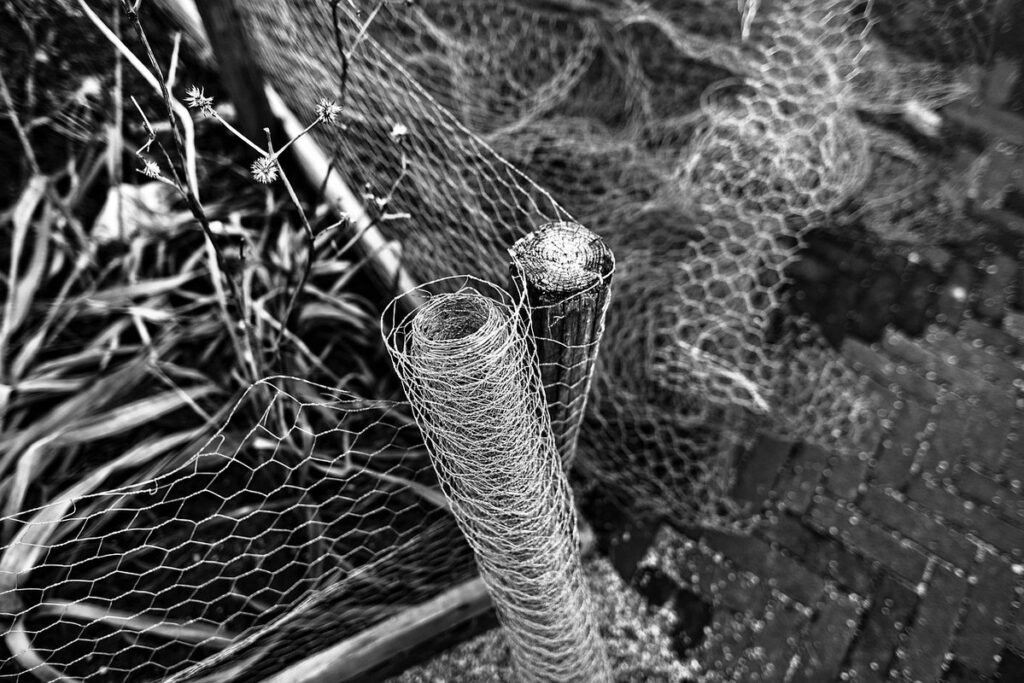
Introduction to Predator Resistant Fencing
Welcome to our guide on protecting your flock from threats. In this section, we’ll walk you through the basics of predator-resistant fencing and its importance for chicken coops.
Benefits of Predator Resistant Fencing for Chicken Coops
Protecting your flock with predator resistant fencing is not only a moral obligation but also a cost-effective and stress-reducing measure. By investing in such fencing, you can save time, money, and energy that would otherwise be spent on dealing with losses due to predation.
When a predator attacks your flock, it’s not just the chickens that suffer – you do too. The financial loss of lost birds, coupled with the emotional toll, can take a significant toll on your mental health. By installing predator resistant fencing around your coop, you’re safeguarding not only their lives but also your own sanity.
Not to mention the potential long-term consequences of repeated losses due to predation – it can discourage you from keeping chickens altogether. However, with the right fencing in place, you can enjoy a more peaceful and productive experience as a backyard chicken keeper. Regular maintenance and inspections will help ensure that your flock remains safe, and you’ll be able to reap the rewards of raising chickens without the constant stress of potential losses.
Common Dangers Posed by Predators to Chickens
Chickens are susceptible to predation by various wild animals that can be found in most backyards and rural areas. One of the most common predators is foxes, which are sly and quick, often catching chickens off guard. Coyotes are another major threat, particularly in suburban areas where they have adapted to living alongside humans.
Raccoons are also a concern for backyard chicken keepers, as they can easily scale fences and climb trees to get to the coop. Hawks and owls, on the other hand, pose a threat from above, swooping down to grab chickens unsuspectingly. These birds of prey are attracted to easy targets, making them a significant threat to small flocks.
To protect your flock, it’s essential to be aware of these potential predators and take steps to secure your coop and run. Installing predator-resistant fencing is just one aspect of protecting your chickens. Keeping your coop clean, free from debris, and well-ventilated can also help deter predators. Additionally, consider using guard animals such as dogs or geese to alert you to any potential threats.
Types of Predator Resistant Fencing for Chicken Coops
When it comes to safeguarding your flock, choosing the right fencing material is crucial. Let’s explore some effective types of predator-resistant materials you can use around your chicken coop.
Hardware Cloth or Chicken Wire Fencing
When it comes to protecting your chicken coop from predators, hardware cloth and chicken wire fencing are two popular options. But which one is right for you? Let’s weigh the pros and cons of each.
Hardware cloth, a metal mesh with openings as small as 1 inch, provides excellent protection against raccoons, opossums, and stray dogs. Its durability and resistance to rust make it a great choice for long-term use. However, its cost can be prohibitive for some budgets, and installation can be tricky.
Chicken wire fencing, on the other hand, is often cheaper than hardware cloth but offers less protection against larger predators like coyotes or foxes. The openings in chicken wire are typically 1-2 inches, which may not be enough to prevent smaller critters from squeezing through. But if you’re on a tight budget, it’s still better than nothing.
Ultimately, the choice between hardware cloth and chicken wire fencing comes down to your specific needs and resources. If you can afford the investment and are willing to install it correctly, hardware cloth is the more effective option. However, if budget is a concern, chicken wire can still provide some level of protection – just be sure to bury it at least 12 inches underground to prevent digging predators from getting through.
Poultry Netting or Bird Netting Fencing
Poultry netting or bird netting is often considered a cost-effective and easy-to-install option for predator-resistant fencing around chicken coops. The mesh material used in poultry netting is typically made of durable plastic, metal, or polyester that provides excellent visibility while keeping predators at bay.
When choosing poultry netting, consider the size of your coop and the area you want to cover. A good rule of thumb is to extend the fence 3-4 feet beyond the coop’s perimeter to prevent digging predators from burrowing underneath. You can also bury the mesh material up to 12 inches underground to prevent predators like foxes or raccoons from jumping over.
One of the advantages of poultry netting is its flexibility – it can be easily removed and reinstalled, making it ideal for small farms or backyard flocks with limited space. Additionally, bird netting can be used in conjunction with other fencing materials, such as wooden or metal fences, to create a robust barrier against predators.
It’s essential to note that poultry netting may not be suitable for areas prone to strong winds or heavy rain, which could cause the mesh material to become damaged or torn. However, when properly installed and maintained, poultry netting can provide an effective layer of protection for your flock.
Designing an Effective Predator Resistant Coop Fence
When it comes to designing a predator-resistant coop fence, material selection and structural integrity are crucial considerations for keeping your flock safe. Let’s dive into these key factors together.
Factors to Consider When Building a Predator Resistant Coop Fence
When building a predator-resistant coop fence, there are several key considerations to keep in mind. The first is perimeter length: a longer fence will provide more protection for your flock, but it’s essential to ensure you have enough space and resources to maintain it.
The height of the fence is also crucial. A minimum height of 3 feet is recommended, but taller fences offer greater security. Consider the type of predators in your area when deciding on the optimal height – if you live near foxes or coyotes, for example, a higher fence may be necessary.
Materials are another vital factor to consider. Hardware cloth and chicken wire can be effective deterrents, but they must be installed correctly and supported by sturdy posts. Consider adding additional features like electric fencing or netting to create an even more secure barrier around your coop. Ultimately, the most important thing is to choose materials that fit within your budget and maintenance capabilities while still providing adequate protection for your flock.
Tips for Installing a Predator Resistant Fencing System
When installing a predator-resistant fencing system around your chicken coop, it’s essential to consider a few key factors to ensure its effectiveness. First, inspect the site where you’ll be installing the fence and remove any debris or obstructions that could compromise the structure.
Dig deep enough trenches for the fence posts, at least 12-18 inches deep, depending on the type of soil in your area. This will provide a stable foundation for the posts and prevent them from shifting over time. Next, secure the posts firmly into place using concrete or a similar anchor system.
To prevent predators from digging underneath the fence, extend it at least 12 inches below ground level and use hardware cloth or chicken wire with openings of no more than 1 inch to block burrowing animals like raccoons and foxes. Finally, ensure all corners are securely closed off using corner brackets or similar devices.
Materials Used in Predator Resistant Chicken Coop Fencing
To keep your flock safe, it’s essential to choose materials that are durable and resistant to predator damage, such as hardware cloth or chicken wire.
Metal vs. Plastic Fencing: Pros and Cons
When it comes to choosing the right material for predator-resistant chicken coop fencing, two popular options are metal and plastic. Both materials have their pros and cons, which we’ll explore below.
Metal fencing is a durable option that can withstand harsh weather conditions and heavy use. It’s also relatively low maintenance, requiring only occasional cleaning to remove dirt and debris. However, metal fencing can be expensive upfront, especially if you opt for high-quality materials like aluminum or steel. Additionally, metal fencing may not be as aesthetically pleasing as other options, which could be a concern for homeowners who value curb appeal.
Plastic fencing, on the other hand, is often more affordable than metal and comes in a range of styles and colors to suit different tastes. However, plastic fencing may not be as durable as metal and can be prone to cracking or warping over time. It also requires regular cleaning to maintain its appearance and prevent damage from debris. Ultimately, the choice between metal and plastic fencing will depend on your specific needs and budget.
In terms of cost-effectiveness, metal fencing may require a larger upfront investment, but it can last for many years with minimal maintenance. Plastic fencing, while more affordable initially, may need to be replaced every 5-10 years due to wear and tear.
Other Materials for Predator Resistant Fencing (e.g., electric netting)
In addition to the traditional materials used for predator-resistant fencing, there are several alternative options available that can provide an added layer of protection for your flock. One such option is electric netting, which has gained popularity among farmers and backyard chicken keepers alike. This portable and lightweight material consists of a mesh with electrified wires that deter predators from entering the area.
Electric netting is particularly effective against small to medium-sized predators like raccoons, opossums, and stray dogs. It’s also an excellent option for areas with varying terrain or for those who need to protect their flock in different locations. To use electric netting effectively, make sure to follow the manufacturer’s instructions and ensure that the fencing is at least 3 feet high.
Other alternative materials include plastic mesh fencing and hardware cloth, both of which offer a durable and long-lasting solution for predator-resistant fencing. When choosing these materials, consider factors such as durability, maintenance requirements, and cost. By exploring these alternative options, you can create a robust and effective barrier to protect your flock from potential threats.
Maintenance and Upkeep of Predator Resistant Chicken Coop Fences
To keep your chicken coop fences secure, you’ll want to regularly inspect for damage, repair holes and gaps promptly, and also replace any worn-out components over time.
Regular Inspections to Prevent Damage or Weak Spots
Regular inspections of your coop fence are crucial to prevent damage and identify weak spots. Over time, weather conditions, wear and tear can compromise the integrity of your fencing system. It’s essential to regularly check for signs of deterioration, rust, or sagging that could provide an opening for predators.
Inspect your coop fence at least twice a month, taking note of any areas that need attention. Check for damage caused by animals, such as chewed wires or gnawed wooden posts. Also, inspect the fencing material itself for signs of wear, like fraying or crumbling. Make sure to verify that all hardware is securely fastened and not loose.
If you notice any issues during your inspections, address them promptly. Repairing minor damage can save you from more extensive repairs down the line. Regular checks will also help you identify potential vulnerabilities before predators exploit them. Don’t wait until it’s too late – stay on top of coop fence maintenance to protect your flock.
Repairing or Replacing Damaged Fence Sections
Repairing or replacing damaged sections of your predator resistant fence is crucial to maintaining the integrity and effectiveness of your chicken coop’s security system. Inspect your fence regularly for signs of damage, such as bent posts, torn mesh, or broken hardware cloth. Make repairs promptly to prevent predators from exploiting weaknesses in the fence.
To repair a damaged section, first, assess the extent of the damage and determine if it can be patched or needs replacement. For minor issues like torn mesh, you can usually patch it with some wire or tape. However, more extensive damage may require replacing the affected section entirely. When doing so, make sure to measure carefully and cut new sections accurately to avoid mismatches.
Some common causes of fence damage include animal escape attempts, severe weather conditions, and human error during installation. Be proactive in addressing these issues before they escalate into larger problems. Keep a stockpile of replacement parts on hand and schedule regular maintenance checks to stay ahead of potential threats to your flock’s safety.
Additional Tips for Protecting Your Flock from Predators
While a predator-resistant fence is a significant step towards safeguarding your flock, there are other crucial tips to ensure their complete protection against cunning predators. Let’s examine some additional measures you can take.
Using Other Deterrents (e.g., motion-sensitive lights, alarms)
While a predator-resistant fence is an essential component of protecting your flock, it’s not the only line of defense you can employ. Combining other deterrents with your fencing system can provide even greater security for your chickens. Motion-sensitive lights are a great example of this. These lights activate when movement is detected, and their sudden illumination can be startling enough to scare off potential predators.
You can also consider using alarms that sound when an intruder approaches the coop or run. The loud noise will alert you to the presence of a predator and give you time to take action. Some alarm systems even integrate with smart devices, sending notifications directly to your phone.
To maximize their effectiveness, install motion-sensitive lights and alarms strategically around your coop and run. Consider placing them near vulnerable areas such as doors or gates. By combining these deterrents with your predator-resistant fence, you’ll create a formidable barrier that will make it difficult for predators to get close to your flock.
Best Practices for Chickens’ Outdoor Access and Exercise
Allowing your chickens to enjoy fresh air and exercise is essential for their well-being, but it also poses a significant threat to their safety if not done properly. To balance the need for outdoor access with predator protection, follow these best practices.
When creating an outdoor exercise area, consider the following factors: location, enclosure size, fencing materials, and accessibility features. Ensure that the area is located near the coop, making it easy for your chickens to come and go as they please. A larger enclosure will give them ample space to roam, but ensure it’s not so large that it becomes a liability if left unattended.
To minimize predation risks, incorporate a secure fencing system around the exercise area. Consider using chicken wire with openings of 1 inch or smaller to prevent predators from reaching through. Add a roof or overhead coverage to shield your chickens from aerial threats like hawks and owls. Regularly inspect the enclosure for any signs of damage or weakness that might be exploited by predators.
Provide your chickens with easy access to shelter, food, and water within the exercise area. A secure door or gate system will ensure they can enter and exit safely. Monitor your flock’s behavior during outdoor exercise and adjust your setup as needed to prevent potential problems.
Frequently Asked Questions
What are some common mistakes to avoid when designing a predator-resistant coop fence?
Avoiding common pitfalls can save you time, money, and frustration. Some key mistakes to watch out for include inadequate fencing height, poorly secured corners, and failure to account for potential entry points (e.g., under the fence). When designing your coop fence, make sure to consider local building codes, predator behavior patterns, and any specific challenges posed by your climate or region.
How often should I inspect my coop’s fencing system for damage or weaknesses?
Regular inspections are crucial in maintaining a secure coop. Schedule checks at least once every three months, or after severe weather events (e.g., storms, high winds). Inspect the fence line carefully for signs of damage, loose hardware, or weak spots that predators might exploit.
Can I use existing fencing materials to upgrade my coop’s security?
While it’s tempting to repurpose existing materials, this approach often leads to subpar results. Predator-resistant fencing requires specific features and materials designed to withstand attacks from determined wildlife. Upgrading your coop fence with incompatible materials can compromise the entire system’s effectiveness.
What other deterrents can I use in conjunction with predator-resistant fencing?
Complementing your coop fence with additional deterrents can enhance overall security. Consider using motion-sensitive lights, alarms, or ultrasonic repellent devices to discourage predators from approaching your flock. These measures are most effective when combined with a robust and well-maintained fencing system.
How do I balance my chickens’ outdoor access needs with predator protection?
Achieving the right balance between providing exercise space for your chickens and preventing escape or predation can be tricky. Consider installing temporary fencing or enclosures that allow safe access to outdoor areas, while ensuring predators cannot reach these zones.