
Are you looking to raise chickens that lay eggs in your desired color? From prized blue eggs to rich brown ones, the possibilities are endless. However, did you know that certain breeds are more likely to produce eggs in specific colors due to their genetics? That’s where our comprehensive chicken egg color by breed chart comes in – a valuable resource for any backyard farmer or poultry enthusiast.
In this article, we’ll dive into the fascinating world of eggshell color and explore how nutrition, care, and genetics all play a role. You can expect expert advice on creating an optimal environment for your flock to thrive, as well as insights into the specific breed characteristics that determine egg color. Whether you’re just starting out or looking to expand your current flock, our guide will help you unlock the secret to raising chickens that lay eggs in the colors you love.
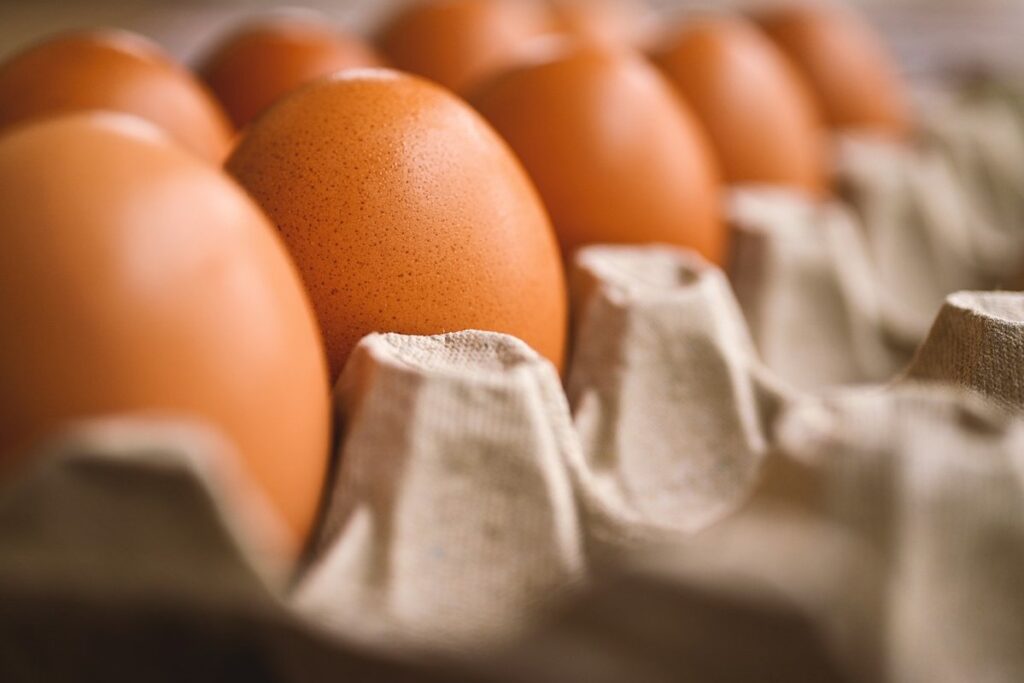
Introduction to Chicken Egg Colors
Let’s take a closer look at the fascinating world of chicken egg colors, and how different breeds can produce stunningly unique eggs right on your doorstep.
Understanding the Genetics of Egg Color
When it comes to understanding the genetics of egg color, it’s essential to recognize that breed selection plays a significant role. Eggshell color is determined by multiple genes, with each gene influencing the amount and type of pigment present in the shell. In simple terms, the interaction between these genes results in the various shades and hues we see in different breeds.
For example, some breeds, like the Araucana and Ameraucana, have a genetic trait that allows them to produce eggs in blue or green colors. This is due to the presence of the oocyanin pigment, which is responsible for these unique colors. On the other hand, breeds like the Marans and Barnevelder owe their dark brown egg color to a higher concentration of porphyrins.
When selecting breeds that fit your desired egg color, it’s crucial to consider the underlying genetics at play. This knowledge can help you choose the best birds for your specific needs and preferences. By understanding the role of genetics in eggshell coloration, you’ll be better equipped to predict the colors of eggs laid by your flock.
Factors Affecting Egg Shell Color
When it comes to egg shell color, you might think that it’s solely determined by the breed of chicken. While genetics do play a significant role, there are several environmental, nutritional, and health factors that can impact the final color.
For instance, dietary changes can cause temporary shifts in egg shell color. For example, if you introduce a new supplement or feed your hens fresh fruits and vegetables, their eggs might turn an unexpected shade of blue or green. This is because certain nutrients like beta-carotene from carrots can create pigments that affect the shell.
Environmental conditions also come into play. Exposure to stress, dust, and extreme temperatures can cause egg shells to become dull or develop uneven coloration. On the other hand, a balanced diet rich in calcium and other essential minerals will promote strong, well-colored egg shells.
If you notice significant changes in your hens’ eggs, consider the following: have their feed been changed recently? Are they getting enough fresh water? Have there been any unusual events or stressors in their environment that could be affecting their health and, subsequently, their egg shell color?
Breed-Specific Egg Colors: A Comprehensive Chart
Get ready to crack open the world of egg color variety, as we break down which breeds lay which hues and shades in our easy-to-use chart. Whether you’re a seasoned chicken keeper or just starting out!
White Leghorn Egg Color
The White Leghorn is one of the most popular egg-laying breeds, renowned for its exceptional productivity and ability to adapt to various environments. These birds are known for their high-quality white eggs, which make up a significant portion of the commercial egg market.
White Leghorns lay an average of 280-300 large white eggs per year, making them one of the top choices for commercial farms. The eggs themselves are characterized by their clean, smooth shells and optimal weight, ranging from 1.90 to 2.10 ounces. One notable feature of White Leghorn eggs is their high fertility rate; they boast a remarkable 99% hatch rate when fertile eggs are incubated.
It’s worth noting that individual egg colors may vary slightly due to factors such as nutrition, health, and living conditions. However, proper care and management can help minimize these variations. If you’re considering raising White Leghorns for their eggs, ensure they have access to a balanced diet, clean water, and adequate space to promote optimal health and productivity.
To maximize your chances of collecting high-quality white eggs from your White Leghorns, keep an eye on their living conditions, nutrition, and overall health. This will help you achieve consistent egg production and minimize potential issues related to poor health or suboptimal care.
Brown Leghorn Egg Color
When it comes to egg color, Brown Leghorns are known for their rich, dark brown eggs. This breed-specific trait is due in part to their genetic makeup and the structure of their oviducts, which produce the pigment responsible for the eggshell’s color.
As a result, you can expect your Brown Leghorn flock to lay eggs with an average weight range of 28-30 grams and an eggshell thickness that ranges from 0.32-0.35 mm. The egg whites (albumen) are also relatively large in comparison to other breeds, contributing to the overall size and density of the egg.
If you’re a backyard chicken keeper interested in raising Brown Leghorns for their unique egg-laying abilities, it’s essential to provide them with a balanced diet that includes adequate calcium and protein. This will help ensure they can produce eggs with strong, consistent shells.
To manage your flock effectively, consider implementing a rotation system to promote overall health and prevent over-reliance on any single breed. With proper care and attention, your Brown Leghorns should thrive and continue producing high-quality, dark brown eggs for years to come.
Other Popular Breeds with Distinctive Egg Colors
If you’re looking for breeds that offer a break from the traditional brown and white eggs, there are several options to consider. The Rhode Island Red is one such breed known for its dark brown eggshell color, which can range from nearly black to a rich, chocolate brown hue.
For those who want something a bit more unique, the Barred Rock breed offers a distinctive egg color as well. These birds lay eggs with a blue-green tint, giving them a slightly iridescent appearance. This is due in part to the genetics of the breed, which result in a combination of blue and green pigments.
If you’re looking for an even more dramatic departure from traditional egg colors, Easter Eggers are definitely worth considering. These birds are hybrids, often created by crossing Ameraucana or Araucana breeds with other chickens. They can lay eggs in a range of colors, including blue, pink, green, and even violet.
When selecting a breed for its egg color, it’s essential to consider the overall characteristics of the bird as well. Some breeds may have specific needs or temperaments that you’ll need to take into account.
Factors Influencing Egg Yolk Color
The color of a chicken egg yolk is determined by several key factors, including the hen’s breed and diet. Understanding these influences can give you insight into what to expect from your own backyard flock.
Carotenoid Content in Feed and Its Effect on Egg Yolks
Carotenoids are a group of pigments responsible for the orange and yellow colors in egg yolks. These lipophilic (fat-soluble) pigments are derived from plant-based sources such as marigold flowers, alfalfa, and sweet potatoes. When chickens consume carotenoid-rich feed, they can deposit these pigments into their yolk, influencing its color.
The most common carotenoids found in egg yolks are lutein and zeaxanthin, which contribute to the yellow-orange pigment. The amount of carotenoids present in feed directly affects the intensity of the yolk’s color. For example, hens fed a diet rich in marigold extract will produce eggs with more vibrant orange yolks.
To enhance the carotenoid content in your flock’s feed and achieve deeper, richer yolk colors, consider adding carotenoid-rich supplements or incorporating fresh forages like alfalfa into their diet. Additionally, choose feed from reputable manufacturers that have standardized levels of carotenoids to ensure consistency in egg color production.
Nutritional Aspects of Egg Yolk Color
When it comes to egg yolk color, nutritional aspects play a significant role. The pigments responsible for yellow and orange hues are derived from dietary sources, primarily xanthophylls found in plants like marigold flowers, alfalfa, and corn. Darker egg yolks tend to indicate higher levels of these pigments.
Nutrient intake also impacts yolk color, particularly with regards to protein quality and quantity. For instance, high-protein feeds can lead to increased lutein and zeaxanthin production, contributing to a deeper yellow or orange hue. Conversely, lower-quality proteins may result in lighter-colored yolks.
Individual bird characteristics also influence egg yolk color. Breed-specific traits, such as the Araucana’s natural ability to produce blue eggs due to a genetic trait affecting porphyrin metabolism, demonstrate how innate factors can interact with dietary influences to shape yolk pigmentation.
To enhance egg yolk color through nutrition, consider incorporating high-quality protein sources and rich plant-based xanthophylls into your flock’s diet. Monitor your birds’ individual responses to different feed formulations, making adjustments as needed to achieve the desired yolk color range.
Eggshell Color Variations: Rare and Exotic Breeds
Let’s take a closer look at some of the rarest breeds that lay eggs in stunning shades, from olive green to chocolate brown. These exotic hens are truly one-of-a-kind!
Heritage and Heirloom Breeds with Unique Egg Colors
When it comes to unique egg colors, you’ll find some lesser-known breeds that are truly showstoppers. Take, for instance, the Ameraucana and Araucana breeds, which originate from South America. These birds are known for laying blue or green eggs, thanks to their natural production of the pigment porphyrin.
But did you know that these breeds also have a fascinating genetic trait? Their ability to produce this pigment is linked to a specific mutation that affects their eggshell’s color. This unique characteristic has led to these breeds becoming popular among backyard chicken enthusiasts and heritage breeders alike.
Another standout breed is the Cream Legbar, which hails from the UK. These birds are known for laying blue or blue-green eggs with creamy undertones. With their elegant appearance and impressive egg-laying abilities, it’s no wonder why many chicken keepers fall in love with this breed.
If you’re looking to add some excitement to your backyard flock, consider introducing one of these rare breeds to the mix. Not only will they provide a fascinating conversation starter, but their unique eggs will also make for a stunning addition to your breakfast plate.
The Rise of Exotic Chicken Breeds in Backyard Flocks
In recent years, there’s been a noticeable trend towards raising rare and exotic chicken breeds in backyard flocks. This shift is largely driven by enthusiasts looking to diversify their egg-laying options and add some excitement to their hobby farms.
One of the main draws of these unusual breeds is the unique eggshell color they produce. For example, the Ameraucana lays blue eggs, while the Araucana produces a range of colors from pink to blue-green. The Easter Egger, on the other hand, can lay anywhere from pale blue to dark green eggs.
In addition to their eye-catching eggs, many rare breeds are prized for their hardiness and foraging ability. They’re often more resilient to heat stress and require less commercial feed than heritage breeds. Raising these birds can also be a fun way to connect with nature and get hands-on experience with animal husbandry.
If you’re considering adding an exotic breed to your flock, start by researching the specific needs of the bird. Make sure you have adequate space for them to roam and forage, as well as suitable shelter from the elements. With proper care and attention, these rare breeds can thrive in even the smallest backyard flocks.
Tips for Raising Chickens to Maximize Desired Egg Colors
Wanting blue, green, or olive eggs? Learn how to raise chickens that will produce these unique colors by choosing the right breed and following some expert tips.
Breed Selection: A Crucial Step in Achieving Desired Egg Color
Choosing the right breed is essential to achieving your desired egg color. With over 300 breeds of chickens worldwide, it can be overwhelming to decide which one suits your needs. Start by researching breeds that are known for laying eggs with the specific color you’re aiming for.
For example, if you want brown eggs, consider breeds like Marans or Barnevelder, which lay rich, dark brown eggs. If blue eggs are on your mind, then take a closer look at Araucanas or Ameraucanas. These breeds naturally produce blue or greenish-blue eggs due to their unique genetic makeup.
Consider factors such as egg production rate, temperament, and climate hardiness when making your selection. You may also want to think about the size of your flock and whether you have enough space for the birds to roam. By carefully choosing a breed that matches your goals, you’ll be more likely to achieve the desired egg color.
When selecting breeds, don’t forget to check their genetic reliability. Some breeds are known to produce variable or unpredictable egg colors. Be sure to research the breed’s history and characteristics before making a decision.
Proper Nutrition and Care for Optimal Egg Production
When it comes to raising chickens for optimal egg production, proper nutrition and care are crucial. A balanced diet is essential to ensure that your hens produce eggs with vibrant colors and strong shells. Start by providing a layer feed that contains around 16-18% protein, along with fresh fruits and vegetables daily. For example, adding dark leafy greens like kale or spinach can help increase the production of pigments responsible for eggshell color.
In addition to diet, health practices also play a significant role in healthy egg production. Make sure your hens have access to clean water at all times, and provide regular vaccinations to protect against diseases. A stress-free environment is equally important – ensure that your coop has adequate ventilation, nesting boxes, and perches for your hens.
Environmental factors can also impact egg production. For instance, exposure to natural light will help regulate your hens’ internal clocks, promoting more consistent laying patterns. Similarly, providing a dust bath or sand for your hens to scratch in can reduce stress levels. Regularly collecting eggs from the coop and keeping it clean will also contribute to overall health and well-being of your flock.
Conclusion and Future Directions
Now that you’ve learned how to identify chicken breeds by their egg colors, let’s take a look at what’s next for your backyard flock. We’ll explore future directions for breed selection and potential new discoveries.
Recapitulation of Key Points
As we wrap up our exploration of chicken egg color by breed chart, let’s take a moment to recap the most important takeaways from this article. You now have a comprehensive understanding of the different breeds that lay eggs in various colors and patterns. From the dominant white Leghorn to the stunning blue Araucana, each breed has its unique characteristics.
You’ve learned how to identify the egg-laying abilities of different breeds, including their average production rates and shell thickness. This knowledge will help you make informed decisions when selecting chickens for your backyard flock or commercial operation. We also discussed the factors that influence egg color, such as genetics, nutrition, and environmental conditions. By understanding these factors, you can create an optimal environment for your hens to produce eggs in their natural colors.
To put this newfound knowledge into practice, start by researching local breeders and farms that specialize in the breeds of interest to you. Join online forums or attend poultry events to network with other chicken enthusiasts who share your passion. By combining theoretical knowledge with practical experience, you’ll be well on your way to successfully raising chickens that produce eggs in their unique colors and patterns.
Potential for Innovation in Chicken Breeding and Egg Coloration
The field of chicken breeding and egg coloration holds vast potential for innovation, driven by emerging technologies and shifting consumer preferences. As consumers become increasingly interested in the provenance and nutritional value of their eggs, breeders are responding with novel approaches to genetics and nutrition. For instance, some researchers are exploring the use of gene editing tools like CRISPR to introduce desirable traits such as disease resistance or improved fertility.
Another area ripe for innovation is egg coloration itself. While many breeds naturally produce eggs in a range of colors, scientists are now working on creating novel pigmentation pathways that could yield entirely new hues. Imagine, for example, eggs with a vibrant blue or green tint – a prospect that’s both aesthetically appealing and scientifically intriguing.
To tap into these emerging trends, breeders and farmers can consider collaborating with researchers to stay at the forefront of genetic innovation. By investing in cutting-edge technology and remaining open to new ideas, they can position themselves for success in an increasingly competitive market. This may involve exploring new markets or product lines, such as colored eggs specifically marketed towards specialty consumers.
Frequently Asked Questions
What factors should I consider when selecting a breed for my backyard flock to achieve a specific egg color?
When choosing a breed, it’s essential to consider the genetics of egg color, as well as the specific characteristics of the breed you’re interested in. Research breeds known to produce eggs in your desired color and evaluate their overall hardiness, temperament, and egg-laying abilities. This will help ensure that you’re selecting a breed that not only meets your aesthetic goals but also thrives in your environment.
Can I influence the eggshell color by adjusting my flock’s diet or environmental conditions?
While nutrition and care do play a role in overall health and egg production, they have a limited impact on eggshell color. Genetics still predominantly determine the eggshell color, although a balanced diet rich in nutrients can contribute to optimal egg quality. Focus on providing a nutrient-rich feed and maintaining a clean, stress-free environment for your flock.
How do I ensure my flock’s genetic diversity when selecting breeds for specific egg colors?
Maintaining genetic diversity is crucial for the health and resilience of your flock. When choosing breeds, select those that are known to produce eggs in your desired color but also consider their overall genetic contribution to your flock. Avoid relying on a single breed or line, as this can lead to reduced genetic diversity.
What are some common challenges I might face when trying to achieve specific egg colors, and how can I overcome them?
Common challenges include breed selection limitations, inconsistent eggshell quality, and environmental factors affecting nutrient absorption. To overcome these challenges, research reputable breeders, prioritize a balanced diet, and maintain a clean environment. Monitor your flock’s health and adjust their care accordingly.
Can I crossbreed different breeds to create eggs with unique colors?
Crossbreeding can be an effective way to introduce new traits into your flock. However, it’s essential to understand the genetic principles behind egg color inheritance and breed compatibility. Consult with a poultry expert or breeder to determine the feasibility of crossing specific breeds for your desired egg color outcome.