
When it comes to our daily lives, one food staple is hard to ignore: the humble chicken egg. Not only are they a nutritious addition to our meals, but they also play a vital role in global agriculture. But have you ever stopped to think about where your eggs come from? From production and nutrition to sustainability concerns, there’s more to eggs than meets the eye. In this ultimate guide, we’ll take a closer look at the history of chicken eggs, explore different types, and discuss their numerous health benefits. We’ll also delve into the world of egg production, covering topics such as farming methods, animal welfare, and environmental impact. Whether you’re an avid home cook or just curious about what’s in your fridge, this comprehensive resource has got you covered – from cracking open the first egg to understanding the bigger picture.
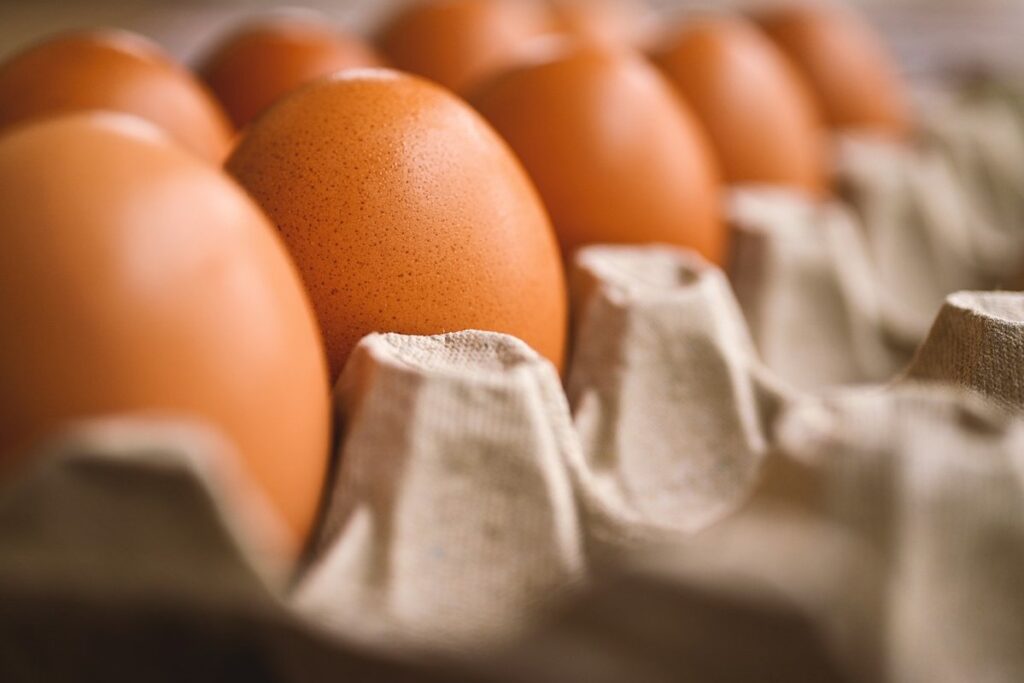
Introduction to Chicken Eggs
If you’re new to raising chickens or simply want to know more about these fascinating birds, let’s start by understanding where it all begins – with their incredible eggs. We’ll dive into what makes a perfect egg and how they’re formed.
History of Egg Consumption
Eggs have been a staple food in many cultures for thousands of years. In ancient civilizations such as Egypt, Greece, and Rome, eggs were considered a symbol of fertility and prosperity. They were consumed by the wealthy as well as the common folk, often served boiled or fried. The Egyptians even used eggs as offerings to their gods.
In Asia, eggs have been an integral part of the diet for centuries. In China, eggs were first mentioned in the Shang Dynasty (16th-11th centuries BCE), where they were considered a luxury item and only consumed by the elite. In Japan, eggs were introduced from China during the 6th century CE and quickly became a staple food.
In modern times, egg consumption has become widespread globally. According to the Food and Agriculture Organization of the United Nations (FAO), global egg production reached over 1.3 trillion eggs in 2020. The demand for eggs is driven by their high nutritional value, affordability, and versatility in cooking. In many countries, eggs are now considered a staple food item, with most households consuming them regularly.
Today, there’s a growing trend towards sustainable and locally sourced egg production, with many consumers choosing to buy from small-scale farmers or backyard chicken keepers. This shift towards more environmentally friendly practices is also driven by consumer demand for reduced carbon footprints.
Importance of Eggs in Human Diet
Eggs are an essential component of human nutrition, offering a wealth of benefits that make them a staple in many diets around the world. One of the primary reasons eggs stand out as a vital food source is their high protein content. In fact, eggs contain about 6-7 grams of protein per large egg, making them one of the richest sources of protein among all foods.
Eggs are also an excellent source of various vitamins and minerals, including vitamin D, B12, iron, zinc, and riboflavin. These essential nutrients play critical roles in maintaining overall health, from supporting bone growth and development to regulating energy metabolism. For instance, the high concentration of choline in eggs is particularly beneficial for brain function and liver health.
A single egg can provide up to 20% of the recommended daily intake of vitamin D and about 10% of the recommended daily intake of iron, making them an efficient way to meet essential nutrient requirements. Whether you’re looking to boost your energy levels or support overall well-being, incorporating eggs into your diet is a simple yet effective solution.
Types of Chicken Eggs
There are various types of chicken eggs available in the market, each with its unique characteristics and benefits. One of the most noticeable differences is the color of the eggshell, with brown eggs being a popular choice among consumers. These eggs owe their color to the breed of the chicken, specifically those that have red or orange pigmentation in their skin.
White eggs, on the other hand, come from chickens that lack these pigments and therefore lay eggs with white shells. While both types are nutritious and safe for consumption, brown eggs often contain slightly higher levels of certain nutrients like iron and potassium.
Omega-3 enriched eggs are another type of chicken egg gaining popularity in recent years. These eggs are produced by hens fed a diet rich in flaxseed or fish oil, which then passes on the benefits to their eggs. Free-range eggs come from chickens that roam freely outdoors and are often associated with higher quality and richer nutritional profiles.
When shopping for chicken eggs, consider your dietary needs and preferences, and choose the type of egg that best suits you.
Nutrition Facts About Chicken Eggs
Let’s crack open the nutritional benefits of chicken eggs, which are a rich source of protein, vitamins, and minerals essential for our daily well-being.
Protein Content and Quality
Chicken eggs are an excellent source of protein, with a single large egg providing about 6-7 grams. But what’s even more impressive is the quality of that protein. Eggs contain all nine essential amino acids (EAAs) that our bodies can’t produce on their own. These EAAs include histidine, isoleucine, leucine, lysine, methionine, phenylalanine, threonine, tryptophan, and valine.
The bioavailability of egg protein is also noteworthy, with about 90% of its amino acids being usable by the body. This is higher than many plant-based protein sources, making eggs an excellent choice for those looking to boost their protein intake. Additionally, eggs are relatively low in methionine compared to other essential amino acids, but this can be easily supplemented through a balanced diet.
When it comes to choosing eggs with high-quality protein, look for eggs that come from hens raised on pasture or fed organic feed. These hens tend to produce eggs with higher levels of omega-3 fatty acids and vitamins A and E, which are essential for maintaining optimal health.
Cholesterol and Saturated Fat Concerns
Chicken eggs are often misunderstood when it comes to their impact on heart health. One of the main concerns is that eggs are high in cholesterol, with a large egg containing about 186 milligrams of dietary cholesterol. However, dietary guidelines have shifted over time, and recent studies suggest that dietary cholesterol has a smaller impact on blood cholesterol levels than previously thought.
The real culprit behind high cholesterol and heart health issues may be saturated fats, which can raise low-density lipoprotein (LDL) or “bad” cholesterol in the bloodstream. Eggs are relatively low in saturated fat, with less than 1 gram per large egg. For context, a single tablespoon of butter contains about 7 grams of saturated fat.
To put this into perspective, consider that many health organizations now recommend focusing on overall dietary patterns rather than individual nutrient intakes. This means that even if you eat eggs daily, your overall risk for heart disease is influenced by other factors such as the quality and variety of your diet, physical activity level, and weight status.
Vitamins and Minerals Found in Eggs
Chicken eggs are an excellent source of essential vitamins and minerals that can help support various bodily functions. Let’s take a closer look at some of the key nutrients found in chicken eggs.
Vitamin A is crucial for healthy vision, immune function, and skin health. Egg yolks are particularly rich in vitamin A, making them a great addition to your diet. The recommended daily intake of vitamin A varies by age, but adults need around 700-900 mcg per day. One large egg yolk provides about 250 mcg of vitamin A.
Vitamin D is essential for bone health and immune function, and eggs are one of the few food sources that naturally contain this nutrient. In fact, a single large egg yolk contains approximately 40 IU of vitamin D, which is roughly 10% of the recommended daily intake. Vitamin E acts as an antioxidant in the body, protecting cells from damage caused by free radicals. One large egg yolk provides about 1 mg of vitamin E.
Vitamin K is necessary for blood clotting and bone health, with eggs being a good source of both the K1 and K2 forms of this nutrient. The recommended daily intake of vitamin K varies by age, but adults need around 90 mcg per day. One large egg yolk provides about 20-30 mcg of vitamin K.
In terms of minerals, iron is essential for healthy red blood cells, while zinc supports immune function and wound healing. Selenium acts as an antioxidant in the body, protecting against cell damage. One large egg yolk contains approximately 50 mcg of selenium, which is roughly 70% of the recommended daily intake.
To maximize your nutrient intake from eggs, consider cooking methods that help retain these essential vitamins and minerals. For example, poaching or boiling eggs can help preserve more nutrients than frying them.
Chicken Egg Production: Process and Industry Insights
Understanding how chicken eggs are produced is crucial for appreciating their nutritional value. Let’s dive into the process of how egg farms raise chickens and collect eggs.
Breeding and Hatching
Breeding chickens for egg production is a crucial step in ensuring a steady supply of high-quality eggs. The process begins with selecting breeds that are specifically suited for egg-laying, such as Leghorns, Rhode Island Reds, and Barred Rocks. These breeds have been bred over centuries to produce more eggs per year than other types of chickens.
When it comes to hatching, chicken breeders use a variety of methods to incubate eggs, including traditional incubators and more advanced automated systems. The temperature and humidity levels in the incubator are carefully controlled to mimic the natural environment of a nesting hen. After 21 days, the chicks emerge from their shells, wet and fragile but full of life.
It’s essential for breeders to monitor the chicks’ development closely during this critical stage. Providing adequate nutrition, shelter, and care helps ensure that the chicks grow into healthy laying hens. Experienced breeders also keep records of egg production, fertility rates, and chick mortality to refine their breeding programs over time. By doing so, they can produce chickens that are well-suited for commercial or backyard egg production.
Broiler and Layer Farms
When it comes to chicken egg production, two main types of farms dominate the industry: broiler and layer farms. While both types share some similarities, they also have distinct differences that impact the quality and characteristics of the eggs produced.
Broiler farms focus on raising chickens for meat production. The birds are typically bred specifically for their rapid growth rate and large size. As a result, broilers receive more calories in their feed to support their accelerated growth, often at the expense of nutritional balance. Living conditions in broiler farms can be cramped, with multiple birds packed into small enclosures.
In contrast, layer farms prioritize egg production over meat quality. Layers are bred for their ability to lay large numbers of eggs per year. Feed is formulated to support this goal, often with a balanced mix of protein and calcium to promote strong shell development. Health monitoring in layer farms tends to be more comprehensive, ensuring that birds receive regular veterinary check-ups and vaccinations.
Ultimately, consumers should be aware of the farm type when making purchasing decisions. If you’re looking for eggs from birds raised on higher-welfare standards, seek out certified free-range or organic options.
Regulations and Certifications
Chicken egg production is subject to various regulations worldwide, ensuring that farmers meet certain standards for animal welfare and environmental sustainability. The main types of certifications are organic, free-range, and cage-free. Organic eggs come from hens raised on a diet free from antibiotics, hormones, and pesticides, with access to the outdoors. They must be certified by organizations such as the US Department of Agriculture (USDA) or the European Union’s (EU) Organic Farming logo.
Free-range eggs originate from birds that have some outdoor access but may not necessarily spend time there. Cage-free eggs are produced in large group cages, allowing hens more space to move around. However, they may still be confined indoors. It is essential for consumers to check the label and understand what each certification entails.
Farmers can obtain certifications through various programs, such as Certified Humane or Animal Welfare Approved (AWA), which set higher standards for animal welfare and living conditions. Choosing eggs from certified farms supports more humane treatment of hens and better farming practices. When shopping for eggs, be aware of the labels and choose products that align with your values regarding animal welfare and sustainability.
Uses of Chicken Eggs in Cooking and Baking
From omelets to cakes, chicken eggs are a versatile ingredient that can elevate countless dishes. Whether you’re a beginner cook or an experienced baker, this section explores their many uses in the kitchen.
Breakfast Dishes and Omelets
Chicken eggs are an incredibly versatile ingredient, and their use is not limited to just baking. One of the most popular uses of chicken eggs in cooking is for breakfast dishes and omelets. Whether you’re a busy professional or a parent looking for quick meal ideas, eggs can be prepared in countless ways.
From classic scrambled eggs to fluffy omelets filled with cheese, vegetables, or meats, the possibilities are endless. For example, you can try making a frittata, a type of Italian omelet that’s perfect for using up leftover ingredients. Simply sauté some onions, bell peppers, and mushrooms, add in your choice of fillings (e.g., diced ham, chopped herbs), pour in beaten eggs, and bake until set.
You can also try making shakshuka, a North African dish where eggs are poached in a flavorful tomato sauce. Another option is to make breakfast burritos, wrapping scrambled eggs, cheese, salsa, and your choice of fillings (e.g., cooked sausage or bacon) in a tortilla. Experiment with different combinations to find your favorite ways to enjoy chicken eggs for breakfast!
Baked Goods and Desserts
When it comes to using chicken eggs in baked goods, the possibilities are endless. From classic cakes and cookies to delicate pastries and show-stopping meringues, eggs play a crucial role in giving these sweet treats structure, moisture, and flavor.
In baking cakes, for example, eggs provide leavening power, richness, and tenderness. The proteins in egg whites help to strengthen the gluten network in flour, while the yolks contribute fat and emulsifying properties that enhance texture and mouthfeel. To get the most out of your eggs in cake recipes, be sure to use room-temperature eggs and beat them thoroughly before adding other ingredients.
Meringues and souffles are even more dependent on egg whites, which must be whipped until stiff and glossy to incorporate air and stabilize the mixture. When making meringue-based desserts like pavlovas or macarons, it’s essential to use aged egg whites, as they will whip up lighter and hold their shape better.
In addition to cakes and cookies, eggs are also a key component in many pastry doughs, where they contribute moisture and richness to the finished product. When working with flaky puff pastry or delicate croissant dough, be sure to handle your eggs gently to avoid scrambling them and compromising the texture of the dough.
Sauces and Marinades
Egg yolks are a treasure trove of rich flavor and texture, making them an excellent addition to sauces and marinades. When used in combination with acidic ingredients like citrus or vinegar, the protein and fat in egg yolks help to emulsify and stabilize mixtures, creating a smooth and velvety consistency.
One classic example is hollandaise sauce, which relies on egg yolks for its signature richness and creaminess. By slowly whisking in melted butter into egg yolks that have been tempered with lemon juice or vinegar, you can create a beautifully emulsified sauce perfect for serving with steamed vegetables or asparagus.
When it comes to marinades, using egg yolks can help to add depth and complexity to your sauces. Simply mix together egg yolks with olive oil, acid (like lemon juice or wine), and spices, then brush the mixture onto meats, seafood, or vegetables before grilling or roasting. This technique is particularly effective for delicate proteins like chicken or fish, as it helps to lock in moisture and add a subtle sheen to the finished dish.
To incorporate egg yolks into your sauces and marinades, remember to always temper them gradually with liquid ingredients to avoid scrambling the eggs. With practice, you’ll be able to achieve beautifully rich and flavorful results that will elevate any meal.
Sustainability and Environmental Impact of Chicken Egg Production
When it comes to buying eggs, have you ever stopped to think about the environmental impact of your choice? In this crucial aspect of egg production, we explore the sustainability factors at play.
Water and Land Usage
When it comes to chicken egg production, water and land usage are crucial factors that can significantly impact the environment. A significant portion of water is used for feed production, which is a major input in egg farming. For instance, it takes approximately 1,000 gallons of water to produce just one pound of chicken feed. This highlights the importance of efficient irrigation systems and sustainable agricultural practices in feed production.
Land usage is also a significant concern, as egg farms require large areas for housing, feeding, and waste management. According to estimates, around 2-3 square feet of land are required per laying hen. Proper waste management is essential to prevent water pollution from manure runoff. Farmers can implement various strategies such as recycling water, using absorbent materials, or implementing anaerobic digestion systems to minimize wastewater.
To reduce the environmental footprint of egg production, consider choosing farms that prioritize sustainable practices and use resources efficiently. Consumers can also contribute by supporting local farmers who adopt environmentally friendly methods.
Greenhouse Gas Emissions
Greenhouse gas emissions from chicken egg production are a significant concern for environmental sustainability. According to the United Nations Food and Agriculture Organization (FAO), the livestock sector is responsible for 14.5% of global greenhouse gas emissions, with poultry being a major contributor.
Egg production varies greatly depending on farming methods. Free-range systems tend to have lower emissions per egg unit compared to intensive cage systems. For example, a study by the University of California found that free-range hens produced 18-22 kg less CO2 equivalent (CO2e) per ton of eggs than caged hens.
The production method also affects feed consumption and land use, which in turn impact emissions. Organic farming methods often require more land to produce feed, leading to increased deforestation and soil erosion. On the other hand, some intensive systems prioritize energy efficiency and may reduce waste by using precision feeding and manure management strategies.
When choosing eggs, consider opting for those produced using free-range or pasture-raised methods. These farming approaches tend to result in lower emissions per egg unit compared to traditional industrial practices.
Animal Welfare Concerns
Animal welfare concerns are a pressing issue in commercial egg production. Many farms use battery cages to house hens, which can lead to stress and disease due to the cramped living conditions. In fact, studies have shown that hens in battery cages are more susceptible to respiratory problems and eye infections.
Another concern is debeaking, a procedure performed on young chicks to prevent pecking and fighting among birds. However, this practice has been linked to pain and discomfort for the animals. The European Union has banned both battery cages and debeaking due to concerns over animal welfare.
As consumers become more aware of these issues, some farms are adopting more humane practices, such as free-range or organic egg production. These systems allow hens to roam freely and engage in natural behaviors like scratching and foraging. When choosing eggs, look for labels that indicate the farm’s commitment to animal welfare, such as “free-range” or “cage-free.” By supporting these farms, you’re promoting more humane treatment of animals in the egg industry.
Conclusion: Harnessing the Potential of Chicken Eggs
In conclusion, chicken eggs are an incredibly versatile and nutritious food source that deserves our appreciation and respect. By understanding their nutritional value, learning about sustainable production methods, and exploring various uses in cooking and crafts, we can truly harness their potential. Whether you’re a health-conscious individual looking to incorporate more protein into your diet or a passionate home cook seeking new recipe ideas, chicken eggs are an excellent choice. To get the most out of your eggs, consider supporting local farmers who prioritize humane treatment and organic practices, or try your hand at raising your own backyard chickens for fresh, farm-to-table eggs. With a little creativity and knowledge, you’ll be amazed by the endless possibilities that chicken eggs have to offer.
Frequently Asked Questions
How do I choose the right breed of chicken for egg production?
When selecting a breed, consider factors like climate, space availability, and your desired level of maintenance. Look for breeds known for their high egg-laying capacity, such as Leghorns or Rhode Island Reds. Research each breed’s specific needs to ensure they align with your lifestyle.
What are the main differences between conventional and organic chicken eggs?
Conventional eggs come from hens raised in larger flocks, often in cages, while organic eggs come from free-range hens. Organic production is regulated by stricter standards regarding animal welfare, feed quality, and environmental impact. If you prioritize humane treatment of animals or prefer more sustainable practices, opt for certified organic eggs.
Can I raise chickens for egg production if I live in an urban area?
Yes, it’s possible to raise backyard chickens in urban areas, even with limited space. Look into local regulations regarding chicken-keeping and consider investing in a compact coop. You can still enjoy fresh eggs while minimizing environmental impact.
How do I store eggs safely to maintain their freshness?
Store eggs in a cool, dry place, away from direct sunlight. Keep them pointed end down in a carton or container to prevent moisture from entering through the large end. Refrigerate eggs as soon as possible and consume within one to two weeks for optimal flavor and nutrition.
What are some common health concerns associated with chicken egg consumption?
While eggs are nutritious, excessive consumption can lead to high cholesterol levels due to their saturated fat content. However, moderate egg eating (up to 1-2 eggs per day) is generally safe for most adults. Consult a healthcare professional or registered dietitian for personalized advice on incorporating eggs into your diet.