
When you crack open an egg, do you ever think about what’s left behind? Chicken eggshells are more than just empty containers – they’re fascinating objects with a unique composition and a multitude of uses. From food to cosmetics, and even biomedical applications, these humble shells are surprisingly versatile. But the story of chicken eggshells isn’t just about their practical uses; it also raises important questions about animal welfare and our impact on the environment.
As we explore the world of chicken eggshells, we’ll delve into their composition, examining the materials that make them up and how they’re used in various industries. We’ll also discuss the implications of mass egg production for animal welfare and the environmental consequences of this industry. Whether you’re a curious foodie or an eco-conscious consumer, join us as we crack open the secrets of chicken eggshells!
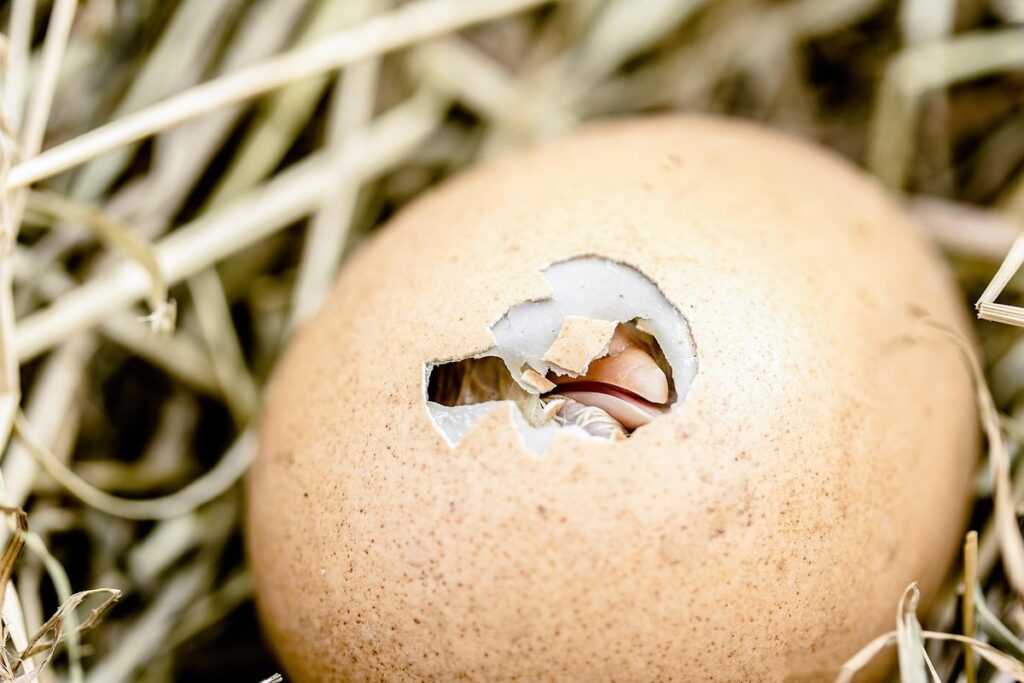
Characteristics of Eggshell Formation
Eggshells are incredibly strong yet fragile, and their unique characteristics play a crucial role in their formation. Let’s explore what makes them so special from a physical perspective.
The Role of Osteoblasts in Calcification
When it comes to the formation of chicken eggshells, one crucial group of cells plays a pivotal role: osteoblasts. These specialized cells are responsible for depositing calcium carbonate crystals that make up the eggshell’s intricate structure.
Osteoblasts work by secreting organic matrix molecules onto the shell membrane, which serves as a scaffold for mineralization to occur. As these cells continue to secrete minerals, they form tightly packed layers of calcium carbonate crystals that provide rigidity and protection to the egg. This process is essential for maintaining the egg’s shape, integrity, and safeguarding its delicate contents from external harm.
In fact, research suggests that osteoblasts can produce up to 90% of the calcium carbonate crystals found in an eggshell within a remarkably short period – just 24 hours after laying! This remarkable efficiency underscores the importance of these cells in eggshell formation. By understanding the role of osteoblasts, we gain valuable insight into the intricate mechanisms governing eggshell development and the incredible processes that ensure our eggs are safe to consume.
Factors Influencing Shell Thickness and Porosity
When it comes to the development of a chicken eggshell, several factors come into play. Genetics is one such crucial factor that significantly influences shell thickness and porosity. Different breeds exhibit varying tendencies when it comes to these aspects. For instance, some popular commercial breeds like Leghorns tend to produce thinner shells due to their genetic makeup. On the other hand, heritage breeds often lay thicker-shelled eggs.
Nutrition also plays a vital role in determining eggshell characteristics. A chicken’s diet must contain adequate calcium and phosphorus levels for optimal shell development. Poor nutrition can lead to weak or thin shells, making them more susceptible to breakage.
Environmental factors, such as stress, exposure to extreme temperatures, and access to clean water and feed, also impact eggshell formation. Stress, in particular, has been linked to changes in shell thickness and porosity.
By considering these factors and implementing adjustments accordingly, you can potentially influence the quality of your flock’s eggs. For instance, providing a balanced diet or introducing stress-reducing measures like exercise and foraging may yield better results.
Composition and Structure of Eggshells
Let’s take a closer look at how eggshells are structured, from the intricate layers to the unique properties that make them so durable. We’ll explore the anatomy of an eggshell in detail.
The Calcium Carbonate Matrix
At the heart of an eggshell lies its primary component: calcium carbonate. This inorganic mineral makes up approximately 95% of the shell’s dry weight. To provide structural integrity to the fragile yet robust shell, calcium carbonate crystals are arranged in a specific pattern known as a matrix.
The calcium carbonate matrix is formed through a process called biomineralization, where calcium ions from the hen’s body are deposited onto a scaffold made of proteins and other organic compounds. This intricate arrangement allows for optimal strength-to-weight ratio, making eggshells both strong enough to protect their contents yet delicate enough not to hinder the chicken’s reproductive cycle.
Interestingly, variations in the matrix structure contribute to differences in shell thickness among breeds. For example, some hens produce thicker shells due to a denser calcium carbonate layer, while others may have thinner shells with more dispersed crystals. By understanding this process, researchers and farmers can work towards improving eggshell quality through targeted breeding programs or nutritional interventions, ultimately benefiting the health of both the chicken and human consumer.
Presence of Other Minerals and Proteins
In addition to calcium carbonate, chicken eggshells contain other essential minerals that contribute to their strength and resilience. One of these minerals is phosphorus, which plays a crucial role in the development and maintenance of bone tissue. Phosphorus helps to regulate the activity of various enzymes involved in calcium metabolism, ensuring that the eggshell’s structure remains intact.
Another vital mineral present in chicken eggshells is magnesium, an essential component for energy production and nerve function. Magnesium also contributes to the formation of collagen, a key protein responsible for maintaining the structural integrity of connective tissues like those found in eggshells.
Eggshells also contain proteins, such as ovocledidin-17 (OC-17), which are unique to bird eggs. These proteins work together with minerals to create an intricate and complex structure that provides protection to the developing chick. By understanding the role of these other minerals and proteins in eggshell composition, we can appreciate the remarkable engineering that goes into creating one of nature’s most resilient structures.
Eggshell Colors and Patterns
Chicken eggshells come in a variety of colors and patterns, with some breeds producing vibrant hues while others have more subtle markings.
From speckled to mottled, let’s take a closer look at the different ways eggshells can be colored.
The Genetics Behind Shell Color Variations
When it comes to eggshell colors, genetics play a significant role in determining their hue. Different breeds of chickens have distinct genetic traits that influence the pigmentation of their eggs. For instance, some breeds are known for producing blue or green eggs due to the presence of specific genes.
In many cases, dominant and recessive traits come into play when it comes to eggshell color. Dominant traits will always be expressed if an individual has one copy of the gene, while recessive traits require both copies to be present for expression. For example, the Martha Washington Bantam breed produces white eggs due to its dominant white gene.
Other breeds, such as Araucana and Ameraucana, produce blue or green eggs thanks to their unique genetic makeup. In these cases, a combination of genes leads to the production of oocyanin, a pigment responsible for the characteristic coloration. Understanding the genetic basis of eggshell colors can help you predict what color eggs your flock will lay.
When selecting breeds for your backyard flock, it’s essential to consider the potential eggshell colors they may produce. By choosing breeds with desired traits, you can increase the chances of getting the eggshell color you want.
Cultural Significance and Symbolism
Chicken eggshells have been imbued with cultural significance and symbolism across various societies. In some cultures, the color of an eggshell is believed to foretell its contents. For instance, white eggs are often associated with purity and new life, while black-brown eggs are linked to fertility and abundance. The ancient Greeks and Romans believed that brown eggs were a sign of good luck.
Interestingly, in Japan, red-brown eggs are considered a delicacy and are often served as a symbol of respect during special occasions. This cultural significance has led many farmers to breed chickens that lay these highly prized eggs.
When it comes to incorporating the cultural significance of eggshell colors into your daily life, consider this: if you’re looking to add an air of tradition to your kitchen decor, look for antique or vintage ceramics featuring black-brown eggs as a motif. You could also try cooking with heritage breed chicken eggs to connect with the cultural and historical context surrounding their unique shell characteristics.
Eggshell Uses and Applications
Beyond their edible contents, chicken eggshells have a multitude of uses that can be creatively repurposed around the home. Let’s explore some of the most innovative ways to reuse them.
Food and Industrial Utilization
Eggshells have been increasingly recognized as a valuable resource for food and industrial utilization. As a natural source of calcium carbonate, eggshells are being used to produce high-quality calcium supplements. Many companies now extract the calcium from eggshells through a process called calcination, which involves heating the shells to a high temperature until they break down into a powder.
This powdered calcium is not only a popular ingredient in health food stores but also has applications in the cosmetics industry. Some skincare products and toothpastes use eggshell-derived calcium as an abrasive agent due to its mild exfoliating properties.
In addition, eggshells are also being explored for their potential in water filtration systems. Their porosity makes them effective at removing impurities from water without affecting its pH level or taste. This sustainable approach to water treatment is gaining traction worldwide, particularly in areas where access to clean drinking water is scarce.
Potential Biomedical Applications
Researchers are actively exploring the potential of eggshell-derived materials in biomedical applications, particularly in tissue engineering and wound healing. The unique composition of eggshells, rich in calcium carbonate and other minerals, makes them an attractive source for developing biocompatible scaffolds that can mimic the structure and function of natural tissues.
Studies have shown that eggshell-based biomaterials can promote cell proliferation, differentiation, and matrix deposition, making them suitable for tissue engineering applications. For example, researchers have developed eggshell-derived hydrogels that can be used as wound dressings, promoting accelerated healing and reducing scarring.
The use of eggshell-derived materials in biomedical applications also offers several advantages over traditional biomaterials. They are biodegradable, non-toxic, and can be easily customized to meet specific tissue engineering needs. Moreover, the abundance of chicken eggs makes them an inexpensive and accessible source for large-scale production of these biomaterials.
In fact, researchers have already developed prototype devices using eggshell-based scaffolds that can regenerate damaged tissues in animal models. While further research is needed to translate these findings into clinical applications, the potential of eggshell-derived materials in biomedical fields holds great promise.
Egg Production and Handling Practices
When it comes to egg production, proper handling is crucial to prevent damage and contamination, which can compromise both the eggs’ quality and safety. We’ll explore best practices in this section.
Animal Welfare Considerations
When collecting eggs from laying hens, it’s essential to prioritize their welfare. One crucial aspect of this is ensuring they are handled gently and with care to prevent stress and injury. To minimize the risk of harm, egg collectors should approach birds calmly and quietly, allowing them to adjust to their presence without sudden movements or loud noises.
When removing eggs from the nesting box, it’s also vital to support the hen’s body to maintain her balance and prevent accidental falls. This can be achieved by lightly grasping the wingtips or gently guiding her with a soft brush. It’s equally important to monitor the hens’ behavior during egg collection, recognizing signs of stress or discomfort.
To promote animal welfare in your flock, consider implementing a few simple measures:
* Regularly inspect nesting boxes for cleanliness and comfort
* Ensure adequate lightening within the coop to facilitate easy navigation
* Provide ample space for birds to move around comfortably
Impact on Human Health and Environment
When it comes to chicken eggshells, their impact on human health and the environment is a crucial aspect to consider. The health implications for humans consuming eggs from various production methods can vary greatly. For instance, eggs produced using intensive farming practices may contain higher levels of pesticides, heavy metals, and other pollutants that can be detrimental to our health.
On the other hand, eggs from free-range or organic farms tend to have lower concentrations of these substances due to more natural living conditions for the chickens. In fact, studies have shown that the omega-3 fatty acid content in eggs from pasture-raised hens is significantly higher compared to those from conventionally raised hens.
The environmental footprint of egg production also plays a significant role. Large-scale industrial farms often rely on resource-intensive practices such as monoculture farming and extensive water usage. In contrast, smaller-scale, regenerative farms prioritize soil health, biodiversity, and efficient use of resources, reducing their carbon footprint.
As consumers become more aware of the potential risks associated with conventional egg production methods, many are opting for eggs from healthier, sustainable sources. By making informed choices about where our eggs come from, we can not only improve our own health but also support more environmentally conscious farming practices.
Conclusion: The Unsung Heroes of Poultry
As we’ve explored the incredible world of chicken eggshells, it’s time to give some well-deserved recognition to the humble heroes behind their strength and durability. Let’s celebrate the unsung heroes that make these natural wonders possible.
Recap of Key Points
As we conclude our exploration into the world of chicken eggshells, it’s essential to recap the key points that highlight their significance. Let’s revisit the unique composition and structure of eggshells, which provide excellent protection for the delicate contents inside.
We discussed how eggshell membranes are made up of around 90% protein, making them an excellent source of nutrients for humans and animals alike. Moreover, eggshell thickness can vary greatly depending on factors like breed, nutrition, and age, with some shells being as thin as 0.006 inches or as thick as 0.012 inches.
Beyond their composition, we also explored the various uses of chicken eggshells in our daily lives. From gardening to cooking, these versatile shells offer a wealth of benefits. For instance, crushed eggshells can act as a natural deterrent for garden pests and provide essential calcium for plant growth.
By understanding and utilizing the importance of chicken eggshells, we can appreciate their unsung role in nourishing both our bodies and our environments. Whether you’re an avid gardener or a health-conscious individual, there’s no denying the significance of these often-overlooked structures.
Final Thoughts on Eggshell Significance
As we conclude our exploration into the fascinating world of chicken eggshells, it’s essential to reflect on their significance and the impact they have on both nature and human life. The humble eggshell may often be overlooked, but its importance cannot be understated.
In nature, eggshells serve as a protective barrier for developing chicks, safeguarding them from potential predators and environmental stressors. This remarkable adaptation has been honed over millions of years through evolution, allowing birds to successfully reproduce and thrive in various ecosystems. Moreover, eggshell calcium carbonate plays a crucial role in maintaining soil health by replenishing nutrient-depleted areas.
In human life, eggshells have inspired numerous innovations, from food packaging to biomedical applications. For instance, researchers are currently exploring the use of eggshell membrane as a sustainable alternative for wound dressings due to its natural antimicrobial properties and biocompatibility. By recognizing the value of chicken eggshells, we can foster more environmentally conscious practices in agriculture and beyond.
As you conclude this journey into the world of eggshells, remember that even the smallest components of nature hold significant importance.
Frequently Asked Questions
Can I use eggshells from my backyard chickens for cosmetics or food products?
Yes, but it’s essential to ensure the eggs are free of any contaminants or diseases that could be transmitted through contact with the shells. Wash and dry the shells thoroughly before using them in recipes or as a natural ingredient in cosmetic products.
Are there any specific tools or equipment needed to crush eggshells for use in crafts or cooking?
For most applications, a mortar and pestle or a rolling pin are sufficient for crushing eggshells into fine powder. However, if you’re planning to use large quantities, consider investing in an electric spice grinder or coffee mill for easier processing.
Can I use eggshell calcium as a natural remedy for certain health conditions?
While eggshell calcium has been touted as a potential treatment for various ailments, there is limited scientific evidence to support its effectiveness. Consult with a healthcare professional before using it as a supplement, and be aware of any potential interactions with medications or underlying health conditions.
How can I encourage my backyard chickens to lay eggs with stronger, more intact shells?
Provide your hens with a balanced diet rich in calcium and vitamin D3, ensure they have access to adequate space for exercise and stress reduction, and consider using supplements specifically designed to promote healthy shell development. Regularly monitoring their diet and living conditions will also help identify any underlying issues.
Are there any environmental or animal welfare concerns associated with collecting eggshells from backyard chickens?
Yes, it’s essential to handle the collection of eggshells in a way that respects the animals’ well-being and minimizes waste. Consider composting shells to reduce landfill waste, and ensure you’re not inadvertently creating a habitat for pests or diseases by storing large quantities of shells on your property.