
Are you tired of messy feed spills and wasted food in your backyard flock? Or maybe you’re looking for ways to make feeding time more efficient and convenient? If so, you’re not alone. Many backyard chicken keepers struggle with manual feeding methods that can lead to waste, mess, and stress for both the chickens and the owner.
Fortunately, there are many innovative chicken feeder designs available that can help solve these problems. From automated feeders that dispense food at set times to DIY projects that repurpose household items, the options are endless. In this article, we’ll explore the best chicken feeder designs on the market, including commercial and DIY solutions. Whether you’re a seasoned chicken keeper or just starting out, learn how to choose the perfect feeder for your flock and start enjoying healthier, happier birds.
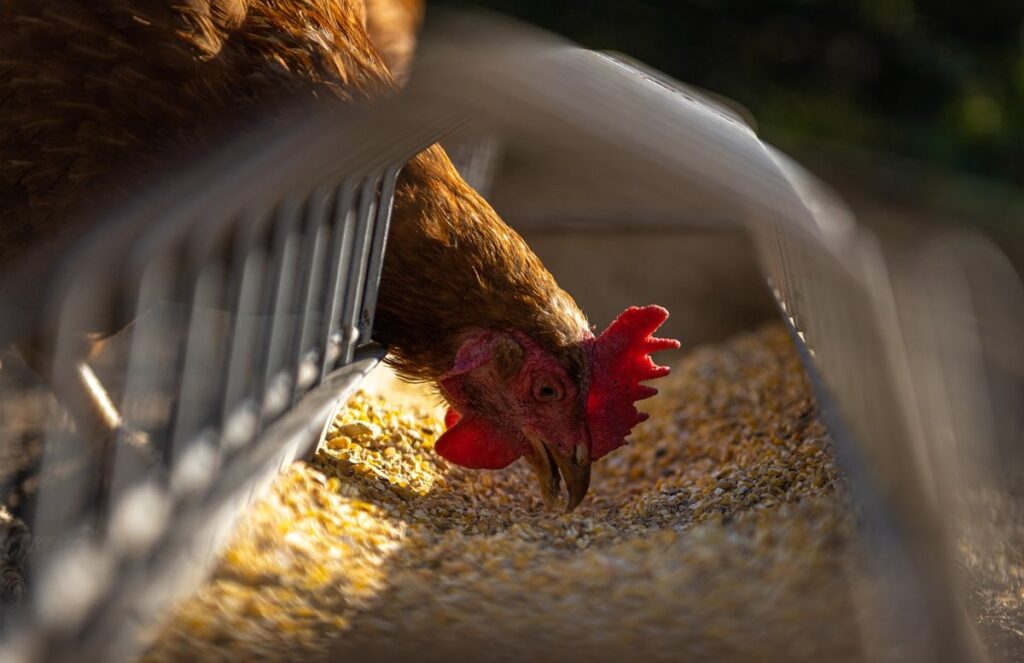
Benefits of Automated Feeders
Automated feeders offer a convenient and efficient way to provide your flock with consistent access to food, reducing waste and stress on your birds. Let’s explore their benefits in more detail!
Reducing Waste and Overeating
When it comes to backyard flocks, reducing waste and preventing overeating can have a significant impact on the health and well-being of your chickens. Automated feeders play a crucial role in achieving this goal.
One of the primary advantages of automated feeders is that they allow you to control exactly how much food is dispensed at any given time. This means that you can prevent overeating, which not only saves you money on feed but also reduces the risk of obesity and related health problems in your birds. According to a study published by the American Poultry Association, overeating can lead to a range of issues, including heart disease, kidney damage, and even death.
In addition to preventing overeating, automated feeders can also help reduce waste by dispensing food only as needed. This means that you’ll be able to monitor your flock’s eating habits more closely and adjust the feeder accordingly. For example, if you notice that some birds are consistently not using their full ration of food, you can set the feeder to dispense less for those individuals.
Increased Efficiency for Busy Farmers
Managing a backyard flock can be a time-consuming task, especially when it comes to feeding them. Automated feeders are designed to streamline this process, freeing up more time for farmers to focus on other aspects of their operation.
One of the main benefits of automated feeders is that they eliminate the need for daily manual refilling of feed containers. Instead, these systems can be programmed to dispense food at set intervals, ensuring that your flock always has access to a steady supply of nutrients.
This not only saves time but also reduces waste and mess. With an automated feeder, you won’t have to worry about spillage or overfeeding, which can lead to health issues and a shorter lifespan for your birds. Plus, these systems often come equipped with sensors that monitor feed levels and alert you when it’s time to refill.
By automating this process, farmers can enjoy a more manageable workload and spend more quality time with their flock. They can also take advantage of the valuable insights gained from monitoring feeding patterns and making adjustments as needed to optimize flock health and productivity.
Types of Chicken Feeder Designs
When it comes to feeding your backyard flock, understanding the different types of chicken feeder designs is crucial for maintaining their health and happiness. We’ll explore five common designs you can consider.
Hanging Feeders: Advantages and Disadvantages
Hanging feeders are a popular choice among backyard flock owners due to their ease of installation and space-saving design. One of the primary advantages of hanging feeders is that they keep the feeding area clean and off the ground, reducing the risk of mold and mildew buildup. This is particularly beneficial in wet or humid climates where moisture can accumulate quickly.
However, there are some potential drawbacks to consider. For instance, if not installed properly, hanging feeders can tip over or swing out of control, creating a mess and potentially wasting food. To mitigate this risk, make sure to choose a sturdy feeder with a wide base and install it securely on a wall or beam that’s resistant to movement.
Regular maintenance is also essential to prevent the feeder from becoming a source of mess. Clean the feeder regularly, checking for any blockages or spills, and adjust the feeding system as needed to ensure optimal performance.
Ground-Level Feeders: Pros and Cons
Ground-level feeders are a popular choice among backyard flock owners due to their efficiency and accessibility benefits. One of the primary advantages is the reduced mess associated with traditional hanging feeders. By placing the feeder on the ground, you can minimize the risk of spilled feed, which not only saves time but also reduces waste. This design also makes it easier for chickens to access the food, promoting a healthier feeding experience.
However, there are some potential drawbacks to consider. For instance, ground-level feeders may attract pests and rodents, which can compromise flock health. To mitigate this risk, make sure to use a feeder with a secure lid or consider using a tray-style feeder that allows for easy cleaning. Additionally, the feeder’s placement near the roosting area can lead to litter accumulation if not properly managed.
To get the most out of ground-level feeders, place them in an elevated position off the coop floor to prevent dampness and moisture buildup. Consider using a mesh or wire bottom to allow for airflow underneath the feeder. With proper setup and maintenance, ground-level feeders can be a valuable addition to your backyard flock’s feeding system.
DIY Chicken Feeder Designs
Whether you’re a seasoned chicken keeper or just starting out, building your own DIY chicken feeder is easier than you think and can be a fun project for the whole family. We’ll show you how to get started.
Repurposed Container Feeders
One of the most creative and eco-friendly ways to build a chicken feeder is by repurposing an old plastic bucket. This DIY project requires minimal materials and can be completed in under an hour.
To start, choose a clean and dry plastic container with a capacity of at least 5 gallons. Make sure it’s large enough for your flock to comfortably eat from without having to lean or stretch. Next, punch holes on the sides and bottom of the bucket using a drill, spacing them evenly apart (about 1-2 inches). These holes will allow gravity-fed dispensing of feed.
Cut a small hole in one side of the bucket, just above the floor level, to serve as an opening for filling the feeder. Attach a metal or plastic scoop to this opening for easy pouring and scooping of feed. Hang the feeder from a sturdy hook or bracket, ensuring it’s at least 2-3 feet off the ground to prevent predators from reaching.
This repurposed container feeder is ideal for backyard flocks as it’s easy to clean, durable, and adaptable to various environments. With this DIY project, you can create a functional and efficient feeding system that saves space and resources while promoting healthy feeding habits in your birds.
PVC Pipe Feeder Construction
Building a PVC Pipe Feeder is a straightforward process that requires minimal tools and materials. To start, gather the necessary components: 1-inch PVC pipes (12-15 feet long), 90-degree elbows, tees, couplings, and end caps. Cut the pipes into manageable sections using a hacksaw or pipe cutter.
Begin by creating the base of the feeder using the 90-degree elbow, tee, and coupling. This will form a sturdy foundation for the feeder. Next, attach the main feeding trough using PVC glue and primer. Make sure to leave enough space between the trough and the base for easy cleaning and maintenance.
To add additional features, consider adding a roof or cover to protect the feed from the elements. You can use a clear plastic sheet or wood to create a waterproof covering. Finally, attach a hanging system using screws or nails to securely hang your feeder from a sturdy branch or beam. With these simple steps, you’ll have a functional and efficient PVC pipe feeder for your backyard flock in no time.
Commercial Chicken Feeder Options
If you’re looking for a hassle-free way to feed your flock, commercial chicken feeder options are definitely worth considering. Let’s take a closer look at some of the most popular designs available.
Top Brands and Models
When it comes to commercial chicken feeder options, several top brands and models have gained popularity among backyard flock owners. One such brand is Lyngsoe, which offers a range of feeders with advanced features like digital monitoring and automated feeding systems.
Another popular option is the Moultrie Feeders model, known for its durability and ability to withstand harsh weather conditions. This feeder also allows for adjustable feeding ports, ensuring that each bird has access to food at any time.
The K & H Super Auto Feeder is another top choice among commercial chicken owners. Its gravity-fed design ensures a steady supply of food, while the automatic shut-off feature prevents overeating and waste. This model is also relatively easy to clean and maintain.
These feeders are designed with efficiency and health in mind, providing a reliable source of nutrition for backyard flocks. When selecting a feeder, consider factors like durability, ease of cleaning, and the ability to adjust feeding rates based on your flock’s size and needs.
Key Considerations for Choosing the Right Feeder
When selecting a commercial chicken feeder for your backyard flock, there are several key considerations to keep in mind. First and foremost, think about the size of your flock – if you have a small group of chickens, a compact feeder that won’t waste space may be the best choice.
Consider also the type of feed you’ll be using. For example, wet feed or medicated feed requires special feeders with features like splash guards to prevent mess and contamination. Some commercial chicken feeders are designed specifically for free-range or pasture-raised birds, taking into account their tendency to peck at and scratch the ground.
Another crucial aspect is durability – a feeder that can withstand the elements and heavy use will save you money in the long run. Look for materials like stainless steel, aluminum, or high-quality plastic that won’t rust or break easily. Lastly, assess your flock’s behavior – if they’re prone to fighting at feeding time, consider a feeder with separate compartments or a design that reduces competition.
In addition, some feeders may be more suitable for specific ages of chickens, such as chicks or laying hens.
Installation and Maintenance Tips
To ensure a seamless experience for you and your flock, we’ll cover essential installation and maintenance tips to keep your chicken feeder running smoothly.
These practical suggestions will help prevent common issues, such as spills and damage, and promote optimal bird health.
Placement and Positioning Best Practices
When placing feeders in your backyard flock’s coop or run, it’s essential to consider a few key factors to ensure optimal use and minimize waste. First, think about the location of your feeder relative to the water source. Ideally, you want these two essentials within easy reach of each other to prevent overcrowding and stress on your birds.
Position feeders at least 2-3 feet away from nesting boxes and roosting bars to avoid creating a mess and making it difficult for chickens to move around comfortably. You should also consider placing feeders near the entrance or exit points of the coop or run, so chickens can easily access them without having to navigate through crowded areas.
Another crucial aspect is accessibility for you as well – place feeders in an area that’s easy for you to clean and maintain regularly. For example, a location with good ventilation and enough space to accommodate a feeding trough will make your life easier and help prevent health issues in your flock.
Cleaning and Disinfecting Schedule
Cleaning and disinfecting the chicken feeder is an essential task to maintain hygiene and prevent disease outbreaks in your backyard flock. A regular cleaning schedule will also help reduce waste and odors around the coop.
As a general rule, clean and disinfect the feeder every 1-2 weeks, depending on the number of birds using it. If you have a large flock or notice an increase in bird droppings, you may need to clean the feeder more frequently, such as every 3-4 days.
To ensure thorough cleaning, remove any remaining feed from the feeder and discard any debris. Scrub the entire feeder with a mild detergent and warm water, paying attention to any crevices or corners where bacteria can accumulate. Rinse thoroughly and let air dry before refilling.
Disinfecting the feeder is also crucial to kill any bacteria that may be present. Mix 1 part white vinegar with 9 parts water in a spray bottle and spray the solution onto the feeder. Let it sit for 10-15 minutes before rinsing off with clean water.
Remember, regular cleaning and disinfecting will help prevent the spread of diseases like coccidiosis and histomoniasis, which can be detrimental to your flock’s health.
Troubleshooting Common Issues
Some common problems you might encounter with your chicken feeder design, such as mess and waste, can be frustrating to deal with, but they’re often easy to fix. We’ll walk you through some simple solutions.
Jamming and Blockages: Causes and Solutions
Jamming and blockages in chicken feeders are frustrating problems that can lead to wasted food, reduced productivity, and even health issues for your flock. Common causes of these issues include dirty feeder surfaces, clogged openings, and inconsistent feeding times.
Food particles, especially corn and soybean meal, tend to stick to the feeder’s surfaces, causing blockages. Regular cleaning is essential to prevent this problem. Use a mild detergent and warm water to wipe down the feeder, paying particular attention to corners and crevices where debris accumulates. Rinse thoroughly with clean water to ensure no soap residue remains.
Other solutions include adjusting feeding times to match your flock’s consumption patterns or using feeders with built-in antimicrobial properties. Some designs feature removable panels for easy cleaning, while others incorporate gentle agitation mechanisms that help prevent clogs. Consider incorporating a feeder design with these features to minimize maintenance and optimize efficiency in your backyard chicken-keeping operation.
Using the right type of food can also help reduce blockages – opt for pellets or crumbles over loose grains whenever possible. By being proactive about feeder maintenance and choosing efficient designs, you’ll save time, money, and ensure a healthier flock.
Feeder Malfunctions: Identifying and Fixing Problems
Feeder malfunctions are frustrating and can lead to wasted food, unhappy chickens, and increased stress for you as a backyard flock owner. In this section, we’ll delve into the common problems that arise from feeder malfunctions and provide step-by-step guidance on identifying and fixing these issues.
Malfunction symptoms vary depending on the type of feeder, but some common indicators include: uneven feeding patterns, clogged feeders, spills, or excessive waste. Regular inspections can help you catch potential issues before they escalate. To troubleshoot feeder problems, start by observing your flock’s behavior around the feeder. Are they having trouble accessing food or water? Is there an unusual amount of debris accumulating?
Common culprits behind feeder malfunctions include worn-out parts, poor installation, or inadequate maintenance. Check for loose screws, rusted metal, or cracked plastic components that may need replacement. Ensure that your feeder is securely attached to the coop or fence and levelled properly to prevent feeders from tipping over.
If you’ve ruled out physical damage or wear, consider factors like feeder design and functionality. Perhaps your current feeder isn’t suitable for your flock’s size or feeding habits. In this case, it might be time to upgrade to a different model or explore DIY modifications that cater to their specific needs. Some feeders come with built-in features like anti-clog mechanisms or easy-clean designs – take advantage of these features to simplify maintenance and reduce the likelihood of malfunctions.
To fix common feeder problems, follow these general steps:
* Clean the feeder thoroughly using a mild detergent and warm water
* Check for and replace worn-out parts or damaged components
* Adjust the feeder’s position or angle to improve accessibility and reduce spills
* Consider upgrading to a more durable or efficient feeder model
* Regularly inspect your feeder and make adjustments as needed to maintain optimal feeding conditions.
By identifying and addressing feeder malfunctions promptly, you can prevent waste, promote healthy eating habits in your flock, and enjoy the rewards of backyard chicken keeping with greater ease.
Frequently Asked Questions
How do I determine the right feeder capacity for my flock?
Determine the total daily feed consumption of your chickens by multiplying their number by their individual feeding rate (e.g., 1 pound per chicken per day). Choose a feeder that can hold at least this amount to ensure consistent access to food.
Can I use an automated feeder with multiple types of feed, such as pellets and grains?
Yes. Many modern automated feeders are designed to accommodate various types of feed, including pellets, grains, and even treats. However, it’s essential to research the specific feeder model you’re considering to ensure compatibility with your feeding schedule.
How often should I clean and disinfect my chicken feeder?
Regular cleaning and disinfection can help prevent bacterial growth and maintain a healthy environment for your flock. A good rule of thumb is to clean and disinfect feeders at least once every 2-3 days, especially if you have a large flock or live in an area with high humidity.
What are some common issues I might encounter when installing an automated feeder?
Yes. Common installation challenges include incorrect placement, electrical wiring errors, and software connectivity issues. Be sure to follow the manufacturer’s instructions carefully, and consider consulting online forums or expert advice if you’re unsure about any aspect of the installation process.
Can I use a repurposed container as a temporary feeder solution during peak usage periods?
Yes. Repurposing containers can be an excellent temporary solution for feeding your flock during periods of high demand. However, ensure that the container is clean and well-ventilated to prevent spoilage and maintain air quality around your birds.