
As the winter months approach, many backyard flock owners worry about their chickens’ safety in cold weather. One crucial aspect of keeping your feathered friends warm is preventing frostbite, especially on their combs. You’ve probably seen those bright red combs starting to turn pale or even develop a frosty hue – it’s not a pretty sight. Frostbite can be painful and potentially life-threatening for chickens if left untreated. In this article, we’ll delve into the world of chicken frostbite prevention combs, exploring risk factors, types of combs available, and best practices for using them in various environments to keep your flock safe and healthy throughout the cold winter months.
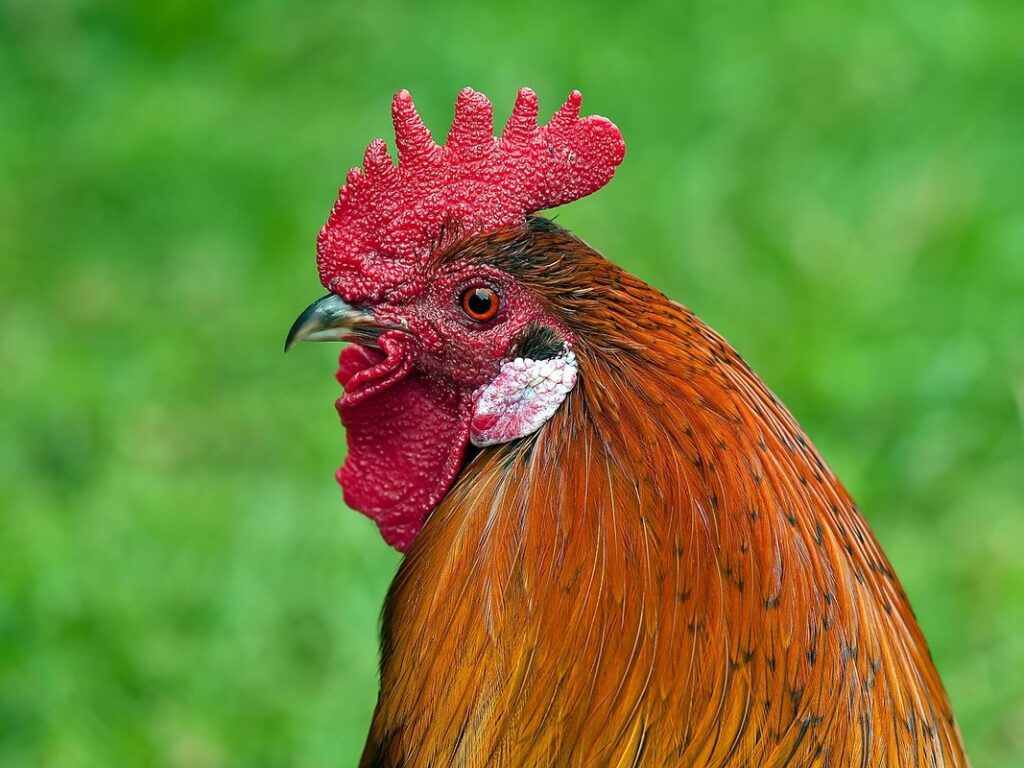
Understanding Chicken Frostbite
Frostbite can be a devastating issue for backyard chickens, so let’s take a closer look at what chicken frostbite is and how it occurs. We’ll cover the warning signs to watch out for.
Causes of Frostbite in Chickens
When it comes to understanding chicken frostbite, it’s essential to know what causes this condition. In chickens, frostbite occurs when the extremities (feet, legs, and comb) are exposed to cold temperatures for an extended period. Environmental factors play a significant role in the onset of frostbite.
Cold snaps, drafts, and wind can all contribute to frostbite in chickens. If your coop or run is not well-insulated or if there are gaps in the walls or roof, the cold air can seep in and cause discomfort for your birds. Additionally, wet conditions can exacerbate the issue, as moisture can make the skin more susceptible to damage.
Poor insulation is also a significant contributor to frostbite in chickens. If your chickens’ coop or run is not adequately insulated, they may not be able to regulate their body temperature effectively, leading to frostbite. For example, if you live in an area with extremely cold winters, consider adding extra bedding like straw or hay to keep the coop warm and dry.
In severe cases of frostbite, it can lead to permanent damage, including scabbing, peeling, and even amputation. To prevent this from happening, make sure your chickens have access to dry, draft-free areas and that their coop is well-insulated.
Identifying Risk Factors for Frostbite
When it comes to chicken frostbite prevention combs, understanding the risk factors that increase a chicken’s susceptibility to this condition is crucial. Chickens of all ages can be affected by frostbite, but certain factors can make them more vulnerable.
Age is one significant risk factor, especially for young chickens. Chicks and pullets (young hens) have thin down feathers and little body fat to insulate them from cold temperatures. Their skin is also thinner, making it easier for cold air to penetrate and cause damage.
Health status is another critical consideration. Chickens with certain health conditions, such as poor circulation or weakened immune systems, are more likely to suffer from frostbite. Breed characteristics can also play a role, as some breeds have naturally thin legs or feet that make them more susceptible to frostbite.
If you live in an area where extreme cold is common, it’s essential to monitor your flock closely for signs of frostbite and take steps to prevent it by providing adequate shelter, warm bedding, and access to fresh water.
Choosing the Right Combs
When it comes to choosing the right combs for your flock, selecting a product that fits their individual needs is crucial. This section will guide you through the key factors to consider in making an informed decision.
Types of Combs and Their Benefits
When it comes to preventing chicken frostbite, the right comb can make all the difference. But with so many types of combs available, it can be overwhelming to choose the one that’s best for your flock.
Let’s start with some of the most common types of combs:
* Plastic Combs: These are lightweight, inexpensive, and come in a variety of styles. They’re great for small-scale chicken keepers or those on a budget.
* Metal Combs: Durable and easy to clean, metal combs are ideal for larger flocks or for farmers who need a comb that can withstand the elements.
* Rubber Combs: Soft and flexible, rubber combs are perfect for gentle use around the face and beak area. They’re also great for chicks and pullets.
Some other factors to consider when choosing a comb include:
* Material: Look for durable materials like plastic or metal that can withstand harsh weather conditions.
* Size: Choose a comb that’s specifically designed for your chicken breed and size.
* Style: Opt for a simple design that won’t irritate your chickens’ skin.
* Ease of cleaning: Consider a comb with removable parts or easy-to-clean surfaces to keep your flock healthy.
When shopping for a frostbite prevention comb, be sure to read reviews and do your research. Your local feed store or online supplier may carry a variety of combs specifically designed for chicken frostbite prevention.
Measuring Your Chicken’s Comb Size
When measuring your chicken’s comb size to choose a suitable frostbite prevention comb, accuracy is key. Start by gently holding your chicken and carefully observing the natural shape of their comb. You’ll notice it’s usually teardrop-shaped, with the base being slightly wider than the top.
To measure, place the tip of your thumb at the base of the comb, just above the nostrils. This will be the starting point for your measurement. Then, bring your thumb up to the top of the comb, following its natural curve. This marks the end of your measurement. Repeat this process a few times to ensure you’re getting an accurate reading.
A good rule of thumb is to choose a comb that’s slightly larger than your chicken’s natural comb size. This will give them some extra protection during cold snaps and harsh weather conditions. For example, if your chicken’s comb measures about 1-2 inches in length, look for a frostbite prevention comb with a diameter of around 1.5-2.5 inches. Remember to consult the manufacturer’s guidelines for specific sizing recommendations as well.
Fitting and Adjusting Combs
Before you put on a comb, make sure it fits snugly but comfortably against your chicken’s combs to prevent chafing and irritation. Proper fit is crucial for effective frostbite prevention.
Proper Fit for Maximum Protection
When fitting a frostbite prevention comb onto your chicken, it’s essential to get it right to ensure maximum protection without causing discomfort. Start by gently placing the comb over the vulnerable area, usually just above the beak and around the nostrils. Make sure it covers this sensitive zone completely but doesn’t overlap or bunch up on itself.
To avoid irritation, choose a comb with a soft, breathable material that won’t chafe against your chicken’s skin. Some combs even come with a fleece or fabric backing for added comfort. When adjusting the fit, ensure the comb is snug but not too tight – you should be able to fit a finger underneath it without difficulty.
It’s also crucial to consider your chicken’s individual needs. If they have a particularly large or small face, choose a comb accordingly. You may need to trim excess material from larger combs or use a smaller one for smaller faces. Regularly check and adjust the fit as your chicken grows or the weather changes to ensure their protection remains optimal.
Tips for Regularly Checking and Adjusting Combs
When it comes to preventing chicken frostbite, regular checks on the comb’s placement and adjustment are crucial. It’s essential to ensure that the comb remains securely in place, even when your flock is exposed to cold temperatures. Check the comb daily for any signs of slippage or displacement.
To check if the comb needs adjusting, gently lift the feathers around it and inspect the area. If you notice any gaps or unevenness, use a little bit of wax or pomade to secure the comb in place. For example, if your flock is going to be exposed to wind or rain, consider applying an extra layer of protection.
As your chickens grow or lose weight, their combs may shift position, requiring adjustments to keep it secure. Make sure to check the comb at least twice a week during cold months, and after any significant changes in temperature or weather conditions. By regularly checking and adjusting the comb, you’ll help prevent frostbite and ensure your flock stays safe and healthy.
Comb Maintenance and Hygiene
To prevent frostbite damage, regular comb maintenance is crucial. This includes daily checks for debris, dirt, and ice accumulation to keep your chickens’ combs safe and healthy.
Cleaning and Disinfecting Combs
Cleaning and disinfecting combs is an essential aspect of maintaining hygiene and preventing bacterial growth. As chickens are more susceptible to frostbite due to their exposure to the elements, it’s crucial to ensure that their combs remain clean and free from bacteria. Here’s a step-by-step guide on how to clean and disinfect your chicken’s comb:
Start by rinsing the comb gently with warm water to remove any dirt or debris. Then, use a mild soap specifically designed for animal care, making sure to avoid getting any soap in the eyes, nostrils, or mouth of the bird. Use a soft-bristled brush or a cotton swab to gently scrub away any stubborn stains or residue.
Next, mix a solution of 1 part white vinegar to 9 parts water and apply it to the comb using a clean cloth or sponge. Let it sit for about 5-7 minutes before rinsing thoroughly with warm water. This will help kill any bacteria that may be present. Repeat this process once a week, especially during harsh winter months when frostbite is more likely.
Remember, cleaning and disinfecting combs is an ongoing process that requires regular attention to prevent bacterial growth and maintain hygiene. By following these simple steps, you’ll be helping to keep your chickens healthy and protected from the risks of frostbite.
Preventing Combs from Becoming a Nuisance
When using chicken frostbite prevention combs on your flock’s beaks, it’s essential to consider potential issues that may arise from wearing them. One common problem is hair entanglement, where long feathers and hairs become tangled around the comb’s edges or between its prongs. This can cause discomfort, pain, and even lead to skin irritation.
To prevent this from happening, ensure you choose a comb with a smooth, rounded design that won’t catch onto your birds’ feathers easily. Regularly inspect the comb for any signs of hair accumulation and clean it thoroughly after each use.
It’s also crucial to trim your chickens’ beards and mustaches regularly to maintain an even growth pattern and prevent long hairs from getting tangled around the comb. Use a pair of sharp scissors or poultry shears specifically designed for cutting feathers, taking care not to cut too close to the skin.
By being mindful of these potential issues and taking preventive measures, you can ensure your chickens wear their frostbite prevention combs comfortably and effectively.
Safety Considerations for Using Combs
When using chicken frostbite prevention combs, there are some crucial safety considerations to keep in mind to prevent harm to you and your flock. Let’s take a closer look at what to watch out for.
Potential Health Risks Associated with Combs
When it comes to chicken frostbite prevention combs, safety should be your top priority. However, using these combs can also pose some potential health risks if not used properly. One of the main concerns is irritation and allergic reactions. Some chickens may have sensitive skin that can react to the materials or dyes used in the comb. For instance, if your chicken’s comb is made from a synthetic material like nylon or polyester, it may cause irritation or even an allergic reaction.
Another potential risk associated with using combs for chicken frostbite prevention is entrapment. If the comb doesn’t fit properly or gets tangled with feathers, it can cause discomfort and potentially lead to further complications. To minimize this risk, make sure to choose a well-fitting comb that’s specifically designed for your chicken’s breed and size.
Regularly inspecting the comb and removing any debris or tangles is also crucial to prevent irritation and entrapment. By taking these precautions, you can help ensure a safe and healthy experience for your chickens when using frostbite prevention combs.
Best Practices for Wearing Combs in Different Environments
When using combs to prevent chicken frostbite, it’s essential to consider the environment and adapt your approach accordingly. In cold climates, for instance, you’ll want to ensure that the comb is securely fastened under the bird’s wing or on its back, where it will be protected from wind and moisture.
In wet conditions, such as during rain or snowmelt, it’s crucial to check the comb regularly for signs of water accumulation. If you notice any water collecting between the comb and the bird’s skin, gently pat the area dry with a towel to prevent irritation and promote blood flow.
When transitioning from one environment to another, be mindful of potential temperature fluctuations, which can cause the comb to shift or loosen. Regularly inspect your birds’ combs to ensure they remain securely in place and aren’t causing discomfort or restricted movement.
Case Studies and Real-Life Examples
Let’s dive into some real-life scenarios where chicken frostbite prevention combs have made a tangible difference in protecting our feathered friends from harsh winter conditions.
Success Stories of Chicken Owners Using Frostbite Prevention Combs
Many chicken owners have successfully used frostbite prevention combs to protect their flocks from this common winter issue. Take the example of Sarah, a backyard chicken enthusiast from Minnesota. She lives in an area where temperatures frequently drop below freezing, and her chickens are exposed to cold winds. Last winter, she invested in a set of frostbite prevention combs for each of her hens.
With the combs in place, Sarah noticed a significant reduction in frostbite cases among her flock. “I was amazed at how well they worked,” she said. “Not only did I see fewer cases of frostbite, but my girls seemed more comfortable overall.” Sarah’s experience is not an isolated one; numerous chicken owners have reported similar success with these combs.
To replicate Sarah’s results, it’s essential to choose the right type and size of comb for your flock. Look for products specifically designed for chickens, with a soft, breathable material that won’t irritate their skin. Also, ensure the combs are adjustable to accommodate different beak sizes and shapes.
Common Mistakes and Lessons Learned from Using Combs
When using chicken frostbite prevention combs, many farmers and backyard chicken keepers make common mistakes that can compromise their effectiveness. One of the most critical errors is failing to choose a comb that fits properly on the chicken’s face. A poorly fitting comb can cause discomfort, skin irritation, or even lead to further frostbite damage.
To avoid this mistake, it’s essential to select a comb with adjustable straps or Velcro attachments that can be customized to fit each bird’s unique facial features. Regular maintenance is also crucial – make sure to clean the comb regularly to prevent bacterial buildup and ensure it remains effective in cold temperatures.
Some farmers have learned from their mistakes by switching to combs with built-in antifreeze or using specialized coatings that prevent ice formation on the comb surface. These innovations can significantly reduce frostbite risk, but they require proper fitting and regular maintenance to work effectively.
Conclusion
Now that you’ve learned how to use a chicken frostbite prevention comb effectively, let’s wrap up with some final reminders on keeping your flock safe and healthy in cold weather.
Recap of Key Takeaways for Preventing Chicken Frostbite
Preventing chicken frostbite requires attention to detail and the right tools. To recap, we’ve discussed the importance of protecting your flock from frostbite with the use of combs. A key takeaway is that choosing the right comb is crucial – look for one specifically designed for chicken frostbite prevention, made from a durable material like metal or hard plastic.
When using a comb to prevent frostbite, it’s essential to clean and dry your birds’ combs regularly. This can be done by gently wiping them with a damp cloth, paying extra attention to any crevices where moisture may accumulate. By keeping their combs free from debris, you’ll reduce the risk of frostbite.
Another vital consideration is providing adequate ventilation in your coop to prevent moisture buildup. Make sure there’s enough space for air to circulate and install proper ventilation systems if necessary. Regularly inspecting your birds’ combs and adjusting their living conditions accordingly will also help prevent frostbite. By following these guidelines, you’ll be well-equipped to safeguard your flock against this potentially devastating condition.
Final Recommendations for Chicken Owners
Now that you’ve invested time and effort into understanding chicken frostbite prevention combs, it’s essential to put these tools into action. As a responsible chicken owner, take the following final recommendations to ensure your flock stays safe from frostbite during harsh winter months.
Firstly, make sure to inspect your chickens regularly for signs of frostbite, such as discoloration or swelling on their comb and wattles. This simple yet crucial step can help you catch potential issues early on. Be particularly vigilant in extremely cold weather conditions.
Next, ensure that your flock has access to a well-insulated coop or sheltered area where they can escape the elements. A dry and draft-free environment will significantly reduce the risk of frostbite.
Lastly, consider implementing a rotation schedule for your chickens’ time outdoors during extreme cold snaps. This way, you’ll give them regular breaks from exposure to freezing temperatures, giving their sensitive skin a chance to recover.
By following these guidelines, you can confidently provide your flock with protection against the risks associated with frostbite.
Frequently Asked Questions
Can I use frostbite prevention combs on chickens of any age?
Yes, you can use these combs for birds of all ages, including young pullets and senior hens. However, it’s essential to measure their comb size accurately and adjust the fit as needed to ensure maximum protection.
How do I know if my coop or run is well-insulated enough to prevent frostbite?
Check your coop’s walls, roof, and doors for gaps or drafts. Ensure that bedding materials like straw or wood shavings are dry and not damp, which can exacerbate cold conditions.
Can I use a single comb size for all my chickens, or do I need to purchase multiple sizes?
Since combs come in various sizes, it’s best to measure each chicken’s comb individually to ensure the right fit. This will prevent discomfort and potential health issues caused by ill-fitting combs.
How often should I clean and disinfect frostbite prevention combs to maintain their effectiveness?
Regularly inspect your combs for signs of wear or damage. Clean them with mild soap and water after each use, and disinfect them once a week using a pet-safe solution.
What’s the best way to store frostbite prevention combs when not in use during warmer months?
Store combs in a dry, cool place away from direct sunlight. Consider packing them in airtight containers or bags to maintain their quality and prevent damage from dust or moisture.