
Hatch day is one of the most exciting times for backyard chicken keepers, but it can also be a nerve-wracking experience. Between ensuring the chicks’ safe arrival and monitoring their health, new parents often find themselves stressing about mortality rates and growth. Implementing a lockdown brooder is a simple yet effective way to mitigate these risks. By providing a controlled environment for your newly hatched chicks, you can significantly boost their chances of survival and healthy development.
In this article, we’ll dive into the essential tips and practices for setting up a successful lockdown brooder. We’ll cover temperature control, ventilation, and hygiene practices that will give your chicks the best start in life. By following these guidelines, you can rest assured that your flock is receiving the care they need to thrive. Whether you’re a seasoned breeder or just starting out, this information will be invaluable for any backyard chicken enthusiast looking to reduce mortality rates and boost growth.
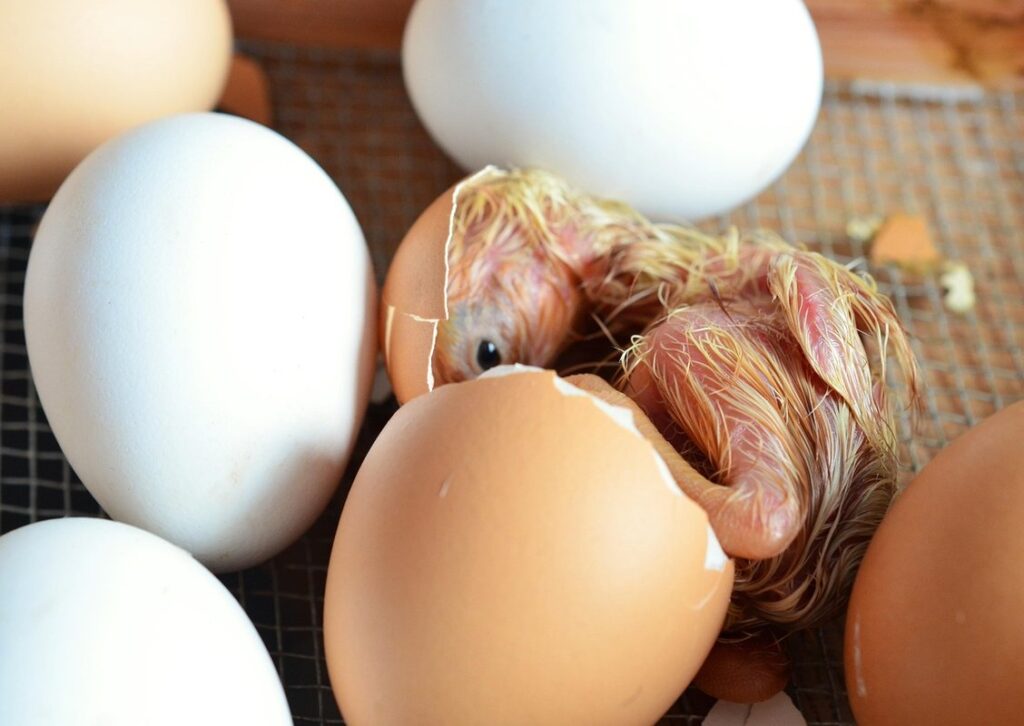
What is a Chicken Hatch Day Lockdown?
A Chicken Hatch Day Lockdown, also known as chick quarantine, is an essential step to protect your chicks from disease and stress during their first critical days of life. This section explains why it’s necessary and how to implement a lockdown successfully.
Importance of Lockdown in Chickens
Locking down newly hatched chicks is crucial for their well-being and survival. Prolonged exposure to stressful environments can weaken their immune systems, making them more susceptible to diseases. Chickens that are stressed during the critical first few days of life may not develop properly or thrive as adults.
When you bring home a batch of chirping chicks, it’s essential to quarantine them from your established flock immediately. This lockdown period allows you to monitor each chick individually and ensure they’re healthy and thriving before introducing them to the rest of the birds.
For example, if one chick is weak or showing signs of illness, isolating it during the lockdown period will prevent the spread of disease to other chicks in the group. You can also use this time to administer vaccinations and provide a clean and safe environment for the new additions.
By implementing a lockdown protocol on hatch day, you’ll significantly reduce stress and disease transmission among your chickens, setting them up for a long and healthy life.
Preparing the Brooder for Lockdown
When it’s time to lockdown your brooder, it’s essential to create an environment that mimics the conditions chicks would experience if they were still under a mother hen. The ideal temperature for a locked-down brooder is between 90°F and 95°F (32°C to 35°C) during the first week. You can achieve this by using heat lamps or ceramic heat emitters, but be sure to monitor the temperature closely to avoid overheating.
Proper ventilation is also crucial during lockdown. Chicks produce a significant amount of moisture through respiration, so it’s essential to ensure good airflow to prevent ammonia buildup and respiratory issues. A simple way to achieve this is by placing the brooder in an area with plenty of natural light or by using a fan to circulate the air.
Bedding material should be dry, absorbent, and easy to clean. Pine shavings are an excellent option as they help regulate humidity levels and prevent moisture buildup. Avoid using wet bedding materials like hay or straw, as they can harbor bacteria and lead to disease outbreaks. By creating this ideal environment, you’ll set your chicks up for a healthy start in life.
Benefits of Implementing a Chicken Hatch Day Lockdown
Implementing a chicken hatch day lockdown can have numerous benefits for your chicks, from reduced stress to improved growth rates and overall health. Let’s explore these advantages in more detail.
Reduced Mortality Rates
Implementing a chicken hatch day lockdown is one of the most effective ways to ensure that newly hatched chicks have a healthy start in life. By minimizing stress and disease transmission, you can significantly reduce mortality rates among these vulnerable birds. One major advantage of lockdown is its ability to prevent cross-infection between different groups of chicks.
When chicks are introduced to each other too soon after hatching, they’re exposed to various pathogens that can cause illness and even death. In fact, research has shown that up to 50% of chick mortality in the first week can be attributed to disease transmission. By separating new arrivals from existing flocks for at least a few days, you’re reducing the risk of cross-infection.
To further minimize stress, make sure each group has its own brooder with adequate ventilation and a clean environment. You should also provide them with fresh water and a balanced starter feed that meets their nutritional needs. By taking these precautions, you’ll be giving your new chicks the best chance to thrive and grow into healthy, robust birds.
Enhanced Growth and Development
By creating a controlled environment during lockdown, you provide young chickens with the ideal conditions for enhanced growth and development. A lockdown period is crucial for ensuring the chicks get off to a strong start in life.
In this controlled setting, you can maintain optimal temperatures between 90°F to 100°F (32°C to 38°C), which is essential for promoting healthy metabolic processes and energy production. This allows your chicks to develop their immune system more efficiently, reducing the risk of illnesses and infections later on.
A lockdown also enables you to monitor and control humidity levels closely, preventing extreme fluctuations that can have a negative impact on growth and development. Moreover, it facilitates precise temperature management during critical periods like molting or when introducing new feed, allowing for the best possible outcomes.
To maximize the benefits of lockdown, make sure to maintain adequate ventilation while keeping the area draft-free. This balance is crucial in preventing moisture buildup and promoting optimal air quality. By creating a stable environment through lockdown, you lay the groundwork for robust growth and healthy development throughout your chicks’ lives.
Improved Immune System Function
When newly hatched chicks are subjected to stress during their first few days of life, it can have long-term effects on their immune system. Implementing a chicken hatch day lockdown helps minimize this risk by providing a safe and stable environment for the young birds to grow and develop.
During the lockdown period, the chicks are shielded from potential pathogens that could compromise their health. This controlled environment also allows you to monitor their behavior and detect any signs of illness early on, enabling prompt intervention if necessary.
The benefits of a lockdown on immune system function extend beyond disease prevention. It also enables the chicks to develop a strong gut microbiome, which plays a vital role in maintaining overall health. By introducing beneficial microorganisms through a balanced diet and proper husbandry practices during this critical period, you can set your chicks up for long-term success.
In addition to minimizing stress and promoting optimal nutrition, a lockdown allows you to closely monitor the temperature and humidity levels within the brooder. This is crucial for maintaining the ideal environment for growth and immune system development. By paying attention to these factors, you can give your chicks the best possible start in life.
Setting Up a Lockdown Brooder: Essential Equipment and Supplies
To get your lockdown brooder up and running smoothly, you’ll need to gather the right equipment and supplies, including heat lamps, thermostats, and bedding materials. Let’s go over what you’ll need to get started.
Choosing the Right Brooder Size
Choosing the right brooder size is crucial for raising healthy chicks. The ideal brooder size will depend on the number of chicks you’re raising and their expected growth rate. A general rule of thumb is to provide at least 2-3 square feet per chick during the first week, with an additional foot added for each subsequent week.
For example, if you have a batch of 10 day-old chicks, you’ll want a brooder that’s at least 20-30 square feet in size. If you’re raising a larger flock, consider investing in a larger brooder or dividing your chicks into smaller groups to ensure each one has enough space to move around comfortably.
Remember, overcrowding can lead to stress, disease, and even death in young chickens. So, it’s always better to err on the side of caution and provide more space than you think you’ll need. Consider factors like air circulation, temperature control, and feeding area when selecting a brooder size that will meet your chicks’ needs for their entire growing season.
Selecting a Suitable Temperature Control System
Temperature control is crucial during lockdown as chicks require a consistent and precise temperature to thrive. If the environment is too hot or cold, it can lead to health issues, stress, and even mortality. To maintain optimal temperatures, you’ll need a reliable temperature control system.
When selecting a suitable system, consider a programmable thermostat with a range of -20°F to 99°F (-29°C to 37°C). This will allow you to set specific temperature targets for different stages of lockdown. Some popular options include the Brinsea Ova-Easy and the RheaMax Automatic Temperature Controller.
When choosing a system, also consider factors such as humidity control, air circulation, and the ability to monitor temperatures remotely. Some systems come with built-in sensors that alert you to temperature fluctuations, giving you peace of mind during lockdown.
In addition to selecting the right equipment, make sure to place it in an easily accessible location within your brooder. This will allow you to quickly adjust settings as needed to maintain a stable environment for your chicks.
Bedding Options and Hygiene Practices
When it comes to setting up a lockdown brooder, choosing the right bedding and maintaining good hygiene practices are crucial for keeping your chicks healthy. When selecting bedding, you have several options: wood shavings, straw, hay, or a specific chick-friendly bedding material.
Wood shavings are a popular choice due to their affordability and absorbency. However, they can be dusty and may cause respiratory issues in some breeds. Straw is another option but can become moldy if not changed frequently. Hay is a natural option but can also harbor bacteria and mites. Specific chick-friendly bedding materials like paper-based products or coconut husk are often more expensive but offer better absorbency and reduced dust.
To maintain cleanliness, change the bedding completely every 7-10 days to prevent ammonia buildup and bacterial growth. Remove soiled chicks immediately and thoroughly disinfect their areas with a non-toxic cleaner. Regularly clean feeders and waterers to prevent contamination. Keep the brooder area draft-free but well-ventilated to reduce moisture accumulation, which can lead to respiratory issues in young chicks.
Lockdown Brooder Maintenance: Tips and Best Practices
To keep your lockdown brooder clean and well-maintained, you’ll want to establish a regular cleaning schedule and familiarize yourself with basic brooder maintenance tasks. This section will walk you through those essential steps.
Monitoring Temperature and Humidity Levels
Monitoring temperature and humidity levels is crucial for creating a healthy environment for your chicks. A suitable brooder should maintain temperatures between 90-100°F (32-38°C) for the first week, gradually decreasing to around 70-80°F (21-27°C) by the third week. Use a reliable thermometer to track temperature fluctuations and ensure you have a backup plan in case of power outages.
Maintaining optimal humidity levels is equally important. A humid environment helps prevent respiratory issues and keeps your chicks’ skin hydrated. Aim for a relative humidity of 50-60% during the first few weeks, then gradually decrease it as they grow.
To achieve these conditions, use a heat lamp or ceramic heat emitter in combination with a thermometer to control temperature fluctuations. You can also add a humidifier or misting system to maintain the ideal humidity levels. Keep an eye on your chicks’ behavior – if they appear lethargic or start panting excessively, it’s likely due to extreme temperatures.
Some brooder enthusiasts swear by using a digital thermometer with remote monitoring capabilities for added peace of mind. However, always ensure you have multiple thermometers and a plan B in case of equipment failure.
Providing Adequate Lighting and Ventilation
Providing adequate lighting and ventilation is crucial for the growth and development of chicks during lockdown. Chicks require a specific amount of light to regulate their circadian rhythms and stimulate growth, but excessive light can be detrimental.
Aim for 14-16 hours of artificial lighting per day during the first week, gradually decreasing the duration by 1 hour each week until you reach 10-12 hours at about 4 weeks old. You can use LED grow lights or heat lamps, but ensure they are placed safely out of reach to avoid burns.
Ventilation is equally important as it helps maintain a healthy environment by removing ammonia from droppings and preventing moisture buildup. A good rule of thumb is to provide at least one square foot of ventilation per chick. You can install vents or windows in the lockdown area, but ensure they are covered with hardware cloth to prevent escape.
Additionally, change the bedding material regularly (about every 3-4 days) to maintain a clean environment and reduce ammonia levels. By providing adequate lighting and ventilation, you’ll be creating an optimal environment for your chicks to grow and thrive during lockdown.
Managing Chick Health During Lockdown
As you care for your chicks during lockdown, it’s essential to be vigilant about their health. Common issues that may arise include respiratory problems, such as bronchitis and pneumonia, which can be caused by drafts, overcrowding, or poor ventilation. Keep an eye out for symptoms like labored breathing, coughing, and discharge from the eyes or nostrils.
Another common issue is pasty butt, a condition where droppings become stuck to the chick’s vent area, causing discomfort and potentially leading to infection. Regularly check your chicks’ vents by gently lifting their tail feathers, and take prompt action if you notice any signs of distress.
If you suspect illness, isolate the affected chick immediately to prevent the spread of disease among its flockmates. In many cases, a healthy diet and plenty of fresh water can help alleviate symptoms. However, for more severe issues, consult with a veterinarian experienced in caring for poultry. Regular monitoring and prompt intervention are key to keeping your chicks healthy during lockdown.
Common Mistakes to Avoid During Chicken Hatch Day Lockdown
To ensure a successful chicken hatch day lockdown, it’s crucial to avoid common mistakes that can stress out your chicks and impact their overall health. Mistakes like over-handling or under-provisioning can have long-lasting effects on your young flock.
Inadequate Ventilation
When it comes to chicken hatch day lockdown, one critical aspect that’s often overlooked is ventilation. Proper airflow is essential for maintaining a healthy environment, especially during the initial stages of chick development. Inadequate ventilation can lead to a buildup of ammonia from droppings, which not only irritates your chicks’ eyes and respiratory system but also creates an ideal breeding ground for disease-causing bacteria.
For instance, if you’re brooding in a small enclosure with poor air exchange, you may inadvertently create an environment that’s conducive to the spread of diseases like coccidiosis. Moreover, ammonia buildup can lead to respiratory issues, which can be fatal for young chicks. To avoid these problems, ensure your brooder has adequate ventilation. This means providing enough space between the birds and the walls, as well as ensuring proper airflow by opening windows or installing a fan.
Aim for a minimum of 1 square foot of space per chick to facilitate air circulation. You can also consider using a brooder with built-in ventilation features, such as mesh panels or adjustable vents. Remember to monitor your chicks’ behavior and adjust the ventilation accordingly. If you notice any signs of respiratory distress or disease, take immediate action by consulting a veterinarian and adjusting your ventilation strategies.
Insufficient Temperature Control
Temperature control is a critical aspect of chicken hatch day lockdown. Poor temperature regulation can lead to stunted growth and increased mortality rates among chicks. When the environment is too hot or cold, it can stress the chicks, causing them to expend energy that could be better spent on growth and development.
Inadequate ventilation during lockdown can exacerbate this issue. If the coop becomes too humid due to poor airflow, bacteria and fungi can thrive, posing a significant risk to chick health. On average, a 5% increase in humidity can lead to a 25% decrease in hatch rates. To avoid this, ensure that your lockdown area has proper ventilation and maintain a temperature range of 95-100°F (35-38°C) for the first few days after hatch.
Maintaining consistent temperatures is key during the critical stages of chick development. If you’re unable to provide a stable environment, consider using a heat source with a thermostat to regulate temperature fluctuations.
Neglecting Hygiene Practices
Maintaining cleanliness is crucial during chicken hatch day lockdown to prevent disease transmission and ensure healthy chick development. Bacteria and other pathogens can spread quickly in a confined environment, putting your chicks at risk.
Here are some essential hygiene practices to follow:
* Wash your hands thoroughly before handling the chicks or their environment.
* Clean and disinfect all equipment, including feeders, waterers, and brooders, regularly.
* Remove any debris, droppings, or uneaten food from the lockdown area to prevent bacterial growth.
* Keep the lockdown area well-ventilated to reduce moisture buildup and prevent ammonia fumes from rising.
For example, a study showed that chicks raised in a clean environment had a 30% lower mortality rate compared to those raised in unsanitary conditions. By maintaining cleanliness, you’ll not only promote healthy chick development but also ensure the overall health of your flock. Make cleanliness a priority during lockdown, and it will pay off in the long run with stronger, healthier chickens.
Conclusion: Implementing a Successful Chicken Hatch Day Lockdown
Now that you’ve successfully navigated the first 24 hours of your chicks’ lives, it’s time to put what you’ve learned into practice and implement a successful lockdown. This section will guide you through the final steps.
Recap of Key Takeaways
As we wrap up this comprehensive guide to raising healthy chicks on hatch day, let’s recap the essential points that will set you and your flock up for success. By implementing a lockdown brooder, you’ll be providing a safe and controlled environment for your chicks to grow and develop.
Remember, proper ventilation is crucial in preventing respiratory issues; make sure to install windows or vents in the lockdown area to ensure airflow. Additionally, it’s essential to provide a consistent temperature, between 90-100°F, during the first week of life. This helps to regulate their metabolism and development.
To prevent overcrowding, allocate enough space for your chicks to move around comfortably, ideally about 2-3 square feet per chick. Monitor feed and water levels closely to ensure they’re always accessible and clean. By following these guidelines, you’ll be creating an ideal environment for your chicks to grow into healthy, thriving birds. With attention to detail and proper planning, you can confidently raise a strong and resilient flock.
Final Tips and Recommendations
As you near the end of the lockdown period, it’s essential to remember that this is a critical phase for your chicks’ growth and development. To ensure they thrive during their time in the incubator, keep the following final tips in mind.
Monitor temperature closely: Temperature fluctuations can be detrimental to your chicks’ health. Keep a close eye on the thermometer and adjust as necessary to maintain a consistent temperature between 99-100°F (37-38°C).
Maintain humidity levels: Chicks need a humid environment to breathe and grow comfortably. Ensure the incubator’s humidity level remains between 45-55%.
Cleanliness is key: Regularly clean the incubator with soap and water, making sure to disinfect any surfaces that come into contact with your chicks.
Handle your chicks gently: When it’s time to move them to their new home, be gentle and take care not to stress them. This will help prevent any potential health issues down the line.
Frequently Asked Questions
How long should I keep my chicks under lockdown?
Lockdown typically lasts for the first week to ten days after hatching, during which time you’ll want to ensure a safe environment for your chicks’ growth and development.
Can I use the same brooder for multiple batches of chicks?
While it’s tempting to reuse equipment, using the same brooder for multiple batches can pose health risks due to potential disease transmission. It’s recommended to dedicate separate brooders for each batch to maintain optimal hygiene practices.
What if I notice my chicks are experiencing respiratory issues during lockdown?
If you suspect your chicks have respiratory problems, ensure proper ventilation and temperature control within the brooder. Keep an eye on humidity levels and consider adding a humidifier or dehumidifier as needed. Consult with a veterinarian for further guidance on managing respiratory health.
Can I raise multiple breeds simultaneously under lockdown?
Raising different breeds together can be challenging due to variations in growth rates, temperatures required, and individual breed characteristics. For optimal results, consider separating chicks by breed or creating custom brooder setups tailored to each specific breed’s needs.
How do I determine if my chicks are receiving adequate humidity levels during lockdown?
Monitor the environment closely for signs of stress caused by inadequate humidity, such as fluffed feathers or labored breathing. Install a hygrometer within the brooder to measure relative humidity and adjust accordingly using humidifiers, heaters, or evaporative cooling systems.