
Are you expecting chicks to hatch from your incubator soon? Maybe you’re new to backyard chicken keeping and want to ensure you’re doing everything right. Either way, understanding the comprehensive timeline of chicken hatching is crucial for a successful outcome. From breeding to post-hatch care, there are critical stages that make all the difference in ensuring healthy chicks emerge from their shells.
In this article, we’ll walk you through every step of the incubation process, highlighting the most important milestones and factors to consider along the way. You’ll learn about the fertile egg stage, embryonic development, and the final countdown to hatching, as well as post-hatch care essentials for a smooth transition into your flock’s lives. By following this timeline and tips, you’ll be better equipped to raise happy and healthy chickens that thrive on your farm or in your backyard.
Understanding the Breeding and Incubation Process
To raise healthy chicks, it’s essential you understand how breeding and incubation work together to bring your eggs to life. This process is a delicate balance of biology and timing.
Choosing the Right Breed and Sex Ratio
When it comes to choosing the right breed and sex ratio for hatching, there are several factors to consider. First and foremost, you’ll want to think about egg production. If you’re planning on raising a flock for eggs, look for breeds known for their high production rates. Leghorns, for example, can lay up to 300 eggs per year.
On the other hand, if you’re more interested in meat production or show birds, you may want to opt for a breed with a slower egg-laying rate but greater size and vigor. Temperament is also crucial – if you have young children or plan on raising your chickens in close proximity to other pets, choose breeds known for their docility.
In terms of sex ratio, a general rule of thumb is to maintain 1-2 roosters per 5 hens. This allows for optimal egg production and reduces aggression among the flock. However, some breeders recommend keeping more roosters in smaller flocks for better overall health and vigor. Ultimately, it’s essential to research specific breed requirements and consider your own unique situation before making a decision.
It’s also worth noting that many hatcheries offer sexed eggs or chicks, which can be a convenient option if you’re not concerned about maintaining a traditional rooster-to-hen ratio.
Preparing the Breeder Flock for Hatching
Preparing the breeder flock for hatching is a crucial step in ensuring healthy and fertile eggs. Before breeding, it’s essential to assess the nutritional needs of your flock. Provide a balanced diet that includes a mix of grains, proteins, and minerals specifically formulated for laying hens. Ensure access to fresh water at all times.
Regular health checks are also vital to maintaining fertility and hatchability. Schedule annual vaccinations and perform bi-annual physical examinations to identify any potential issues. Monitor the flock’s overall health by keeping an eye out for signs of stress, disease, or parasites.
Environmental factors can significantly impact breeding success. Ensure adequate space per bird (about 3-4 square feet per hen), provide a clean and well-maintained coop with proper ventilation, and maintain optimal temperature ranges between 60°F to 80°F. A stable and stress-free environment will help boost fertility and hatchability.
In addition, breed selection is critical when preparing the breeder flock. Choose breeds that are specifically suited for your climate, intended use (meat or egg production), and desired characteristics (size, plumage, etc.).
Stages of Egg Development
As you wait for your eggs to hatch, it’s essential to understand the stages they go through from laying to incubation. Let’s take a closer look at how your chicks develop inside their shells.
Week 1-2: Yolk Formation and White Deposition
The first two weeks of egg development are critical for establishing a strong foundation for hatching. During this period, the yolk sac begins to form and the white albumen is deposited around it. The yolk sac serves as a food source for the growing embryo, while the white provides cushioning and support.
At around 3-4 days post-fertilization, the first signs of embryonic development become apparent. A small indentation appears on the yolk sac, marking the beginning of the embryonic axis. This is the point at which the embryo’s internal organs and systems start to take shape.
The significance of this stage cannot be overstated. Proper formation of the yolk sac and white deposition are essential for providing the necessary nutrients and support for the developing embryo. If these processes are disrupted, it can lead to developmental abnormalities or even embryonic death.
To ensure healthy development during this critical period, make sure your incubator is maintained at a consistent temperature between 99-100°F (37-38°C). Keep the humidity level between 50-60% to prevent drying out of the embryo.
Week 3-4: Organogenesis and Embryoblast Development
By week three and four, the developing embryo has entered a critical phase of growth, where organogenesis begins to take shape. The embryoblast, now formed from the inner cell mass, starts to differentiate into various tissues and organs. This process is crucial for the development of vital systems, including the nervous system.
The formation of the neural tube occurs around day 20-22, marking the beginning of the central nervous system’s development. From here, it will start to branch out into the brain and spinal cord, eventually giving rise to nerve cells that transmit signals throughout the body.
Meanwhile, the circulatory system begins to take shape as blood vessels form from the mesoderm layer. The heart starts to beat around day 21-22, circulating blood through the embryo’s developing organs. Other critical structures such as the limbs, eyes, and ears also begin to develop during this period.
Incubation and Hatching Stages
As you care for your fertile eggs, it’s essential to understand the crucial incubation stages leading up to hatching, a process that typically lasts around 21 days. This section will break down each critical phase in detail.
Day 1-3: Embryo Implantation and Gastrulation
On Day 1-3, some critical events occur that set the stage for the chick’s development. Embryo implantation is the process where the fertilized egg attaches to the inner shell membrane, and this usually happens within 24 hours of incubation. It’s essential to maintain a consistent temperature between 99°F (37°C) and 100°F (38°C), as deviations can lead to poor attachment or even embryo loss.
During gastrulation, which occurs around 48-72 hours into incubation, the embryo begins to develop its basic body structure. This is a critical phase where cells start to differentiate and organize themselves into layers that will eventually form various tissues and organs. To support this process, it’s crucial to maintain optimal humidity levels between 50-60%. Turning the eggs regularly (about every 6 hours) also helps prevent the embryo from sticking to the shell.
To ensure a smooth transition through these initial stages, make sure your incubator is functioning correctly, with accurate temperature and humidity controls. Regularly check on the eggs, looking for any signs of weakness or failure in the incubation process, such as an uneven or cracked shell. This will help you take prompt action if necessary.
Day 4-7: Organogenesis and Sensory Development
As we enter the fifth to seventh day of incubation, the embryo is undergoing rapid changes. Organogenesis, the process of forming organs and tissues, accelerates during this period. Sensory development is also critical, as the eyes, ears, and beak begin to take shape.
By Day 4-5, the embryo’s limbs start to form, with the wings developing from wing buds. The feathers on the wings, tail, and body begin to develop, although they are still soft and unfeathered. It’s essential to ensure the egg is incubated at a consistent temperature, between 99°F and 100°F (37°C to 38°C), as this will promote proper growth.
By Day 6-7, the eyes have fully formed, with the lens, retina, and cornea developing. The ears also take shape, with the tympanic membrane forming and the auditory nerve developing. Keep in mind that during these critical days, slight temperature fluctuations or moisture issues can significantly impact development. Monitor the incubator’s temperature and humidity levels closely to prevent any potential problems.
On average, an embryo will grow about 3-5mm during this period. By monitoring the egg’s progress through candling, you can detect any issues early on. If you notice any irregularities or a lack of growth, it may indicate that the egg has stopped developing or is not viable for hatching.
Critical Hatching Periods
As you prepare for egg hatching, it’s essential to understand the critical periods that make or break a successful brooding experience for both chicks and their parents. This section will help you navigate these crucial stages.
Days 18-20: Feather Pit Formation and Beak Emergence
Between days 18 and 20 of incubation, the embryo undergoes significant physical transformations. One of the most crucial developments during this period is the formation of feather pits. These small depressions on the skin will eventually become the foundation for the chicken’s feathers. As the embryo grows, the pit’s edges begin to thicken, forming a small, raised bump.
Around day 19, you’ll notice the beak tip emerging from the beak sheath. This is an essential milestone in chick development, and it marks the beginning of the end of the incubation period. The beak’s shape will continue to develop over the next few days, with the tip becoming more pointed.
Maintaining proper humidity levels during this critical phase is vital for successful hatching. Aim for a relative humidity of 50-60% in the incubator to ensure the chick’s skin remains moist and pliable. This allows for smoother emergence and reduces the risk of complications.
Keep an eye on your thermometer and hygrometer readings, making adjustments as necessary to maintain the ideal environment. With proper care and attention, you’ll be rewarded with healthy chicks hatching successfully around day 21.
Day 21: Hatching and Pipping
As we approach the final stages of incubation, you’ll start to notice changes in your fertile eggs. The chick is now preparing for its grand entrance into the world. This crucial period is known as the Critical Hatching Period, and it’s divided into two main stages: pipping and emergence.
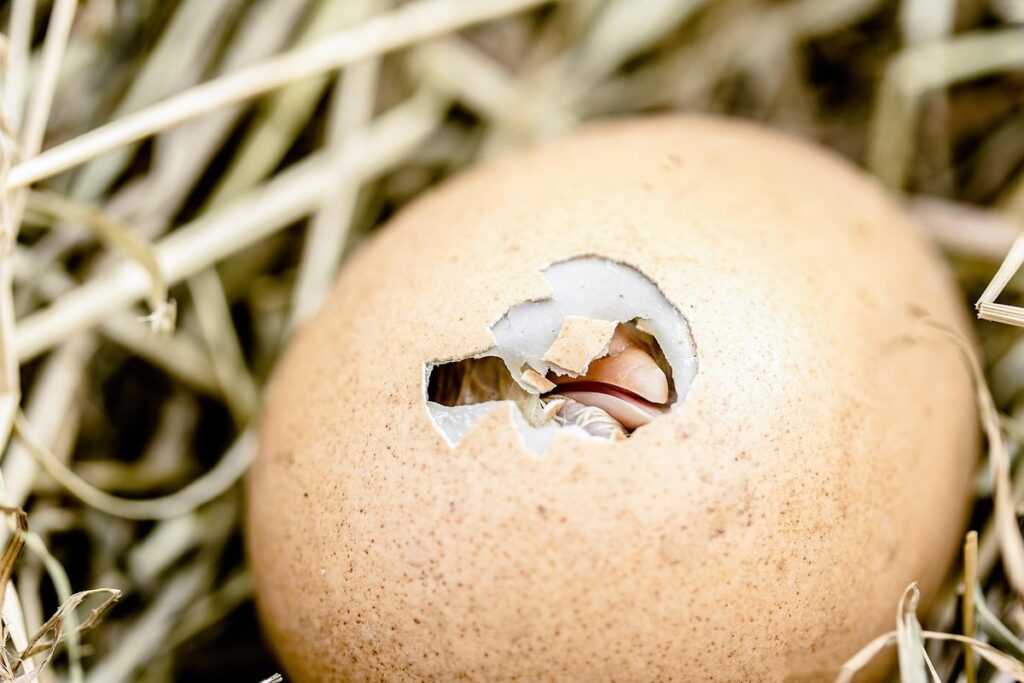
During pipping, the chick will begin to break through the shell by poking its beak at a weak spot. This can happen anywhere on the egg, but most often occurs near the air cell. You may hear a faint scratching or pecking sound coming from within the egg. It’s essential to monitor your eggs closely during this stage as some chicks may struggle to break free.
Once pipped, the chick will take around 24-48 hours to fully emerge from its shell. Keep in mind that each breed and incubation environment is unique, so the timing might vary. Make sure to provide a humid environment and maintain a consistent temperature to aid the hatching process.
As you wait for your chicks to hatch, keep an eye on their progress and be prepared for any potential issues that may arise during this critical period. With proper care and attention, you’ll soon have a brood of fluffy, adorable chicks ready to meet the world.
Post-Hatch Care and Rearing
Now that your chicks have hatched, it’s time to focus on their care and rearing. This crucial stage requires attention to detail to ensure they grow strong and healthy.
Initial Brooding and Temperature Regulation
The first few days after hatching are crucial for the health and development of your chicks. Initially, they rely on their yolk sac for energy, but soon they’ll need to regulate their body temperature to grow and thrive. This is where initial brooding and temperature regulation come into play.
For the first 48 hours, maintain a brooder temperature of around 90-95°F (32-35°C) with a temperature gradient to allow your chicks to move closer or further from the heat source as needed. After this period, you can start reducing the temperature by about 5°F (3°C) every day until it reaches a comfortable level of around 70-75°F (21-24°C).
Monitor your chicks’ behavior closely – if they appear lethargic or huddled together, it may indicate that the brooder is too cold. Conversely, if they’re panting excessively or avoiding the heat source, it’s likely too hot.
Nutrition and Health Monitoring
As you transition into the rearing phase with your newly hatched chicks, it’s essential to prioritize their nutrition and health. A well-planned feeding strategy will help ensure they grow strong and healthy.
Start by introducing a starter feed that is formulated specifically for young chicks. These feeds typically contain around 20% protein and are designed to meet the high energy needs of rapidly growing birds. Offer free-choice access to a medicated starter feed during the first few weeks, as this will help prevent disease issues from the start. Gradually transition them to a grower feed after 2-3 weeks.
Monitor your chicks’ health closely by keeping an eye out for signs such as ruffled feathers, labored breathing, or runny eyes. These can be early indicators of respiratory infections like coccidiosis or Marek’s disease. Check the litter daily for any dead birds or signs of stress. Keep accurate records of weights and vaccination schedules to ensure you’re meeting your flock’s needs.
By staying vigilant and providing a solid foundation with nutrition, you’ll set your chicks up for success in their early development stages.
Conclusion: A Comprehensive Understanding of Chicken Hatching Timeline
In conclusion, understanding the chicken hatching timeline is crucial for any aspiring backyard farmer or seasoned breeder. By grasping the intricate process, you’ll be better equipped to care for your flock and ensure a successful hatch. Remember, every breed has its unique characteristics, so it’s essential to research specific incubation times and requirements.
As you plan for your next batch of chicks, keep in mind that some breeds take longer than others to develop fully. For instance, large fowl like Orpingtons may need an extra week or two of incubation time compared to smaller breeds like Leghorns. By being aware of these differences, you’ll be able to provide the best possible care for your chicks and set them up for a healthy start in life.
By applying this knowledge, you’ll be well on your way to successfully hatching your own chickens and starting a thriving backyard flock.
Frequently Asked Questions
What’s the ideal temperature for incubation, and how does it affect hatching success?
The ideal temperature for incubation is between 99°F (37.2°C) and 100°F (37.8°C). Maintaining a consistent temperature within this range can significantly impact hatching success. A slight deviation from the optimal temperature can lead to fertility issues or poor embryo development.
How long does it take for chicks to adjust to their new environment after hatching?
Chicks typically take around 24-48 hours to fully adjust to their new environment after hatching. During this period, ensure they have a warm and draft-free area with adequate ventilation. Keep the brooder temperature at around 90°F (32°C) to help them regulate their body temperature.
Can I use a different type of light for incubation, or does it need to be a specific type?
It’s essential to use an infrared heat lamp specifically designed for incubation, as they emit a gentle heat that promotes even embryo development. Avoid using regular household lights or UV lamps, as they can cause temperature fluctuations and harm the developing embryos.
What should I do if I notice any irregularities during hatching, such as delayed pipping?
If you notice any irregularities during hatching, remain calm and monitor the situation closely. A delayed pipping may be a sign of a healthy chick taking its time or struggling with shell membranes. Keep the brooder temperature steady and provide adequate ventilation to help the chick breathe.
How often should I check on my incubator’s humidity levels, and what’s the ideal range?
It’s crucial to monitor your incubator’s humidity levels regularly, ideally once every 12 hours. The ideal humidity range for hatching is between 50-60%. Maintaining consistent humidity will help prevent embryo dehydration and promote successful hatching.