
As a poultry farmer or enthusiast, you know that providing your flock with the right nutrition is crucial for their health, productivity, and overall well-being. But have you ever stopped to think about the importance of protein levels in layer feed? It’s not just a matter of throwing together some grains and hoping for the best – getting the balance just right can make all the difference between a thriving flock and one plagued by malnutrition-related issues. In this article, we’ll take a closer look at how to formulate layer feed with the perfect protein levels, balancing your girls’ needs for growth, egg production, and overall health. We’ll explore the ins and outs of layer feed formulation, including the optimal protein-to-energy ratio, and provide you with actionable tips to get it just right.
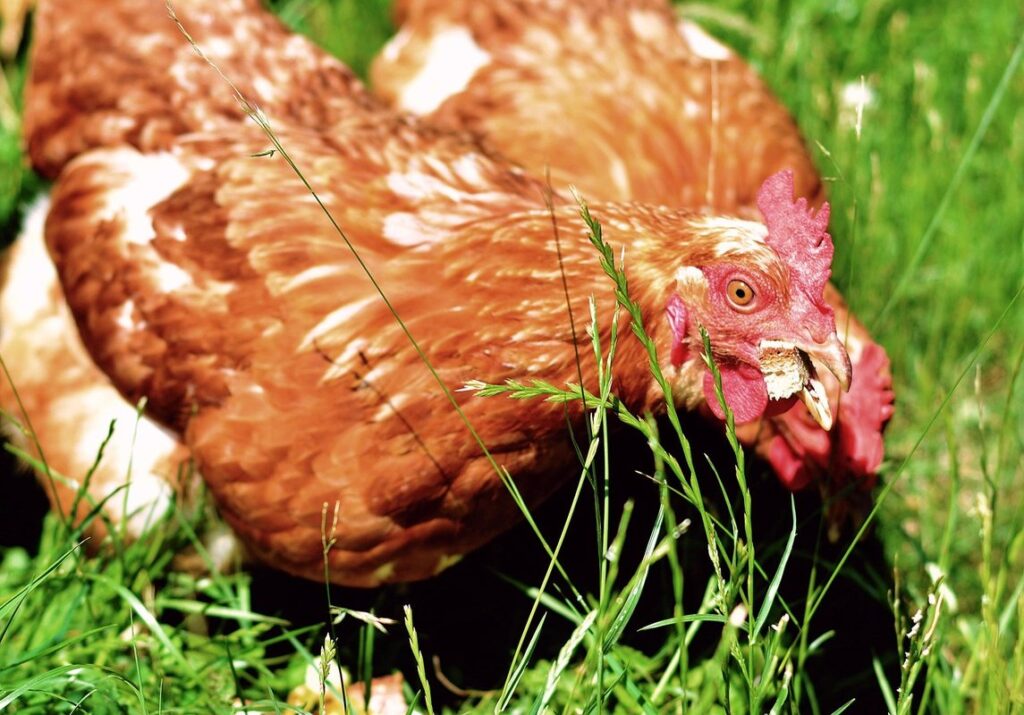
Understanding Chicken Layer Feed and Protein Requirements
When it comes to feeding your flock, getting the protein requirements right is crucial for their health and egg production. Let’s break down what you need to know about layer feed protein.
Defining Chicken Layer Feed
Chicken layer feed is a specific type of nutrition formulated to meet the unique needs of laying hens. These birds require a balanced diet that supports egg production, as well as overall health and well-being. The primary purpose of chicken layer feed is to provide the necessary nutrients for optimal egg-laying performance.
When it comes to protein content, chicken layer feed must contain a minimum of 16% protein on a dry matter basis. This ensures that hens receive enough essential amino acids to produce high-quality eggs. However, it’s not just about meeting this minimum requirement; the type and quality of protein also play a crucial role.
A well-formulated chicken layer feed will include a mix of plant-based proteins such as soybean meal, corn gluten meal, and wheat middlings. These ingredients provide all the essential amino acids hens need to produce eggs. Additionally, some premium feeds may include animal-derived proteins like fishmeal or meat and bone meal for added nutritional value.
When selecting chicken layer feed, it’s essential to read the label carefully and look for a feed that meets your flock’s specific needs.
Identifying Protein Sources for Layer Feed
When it comes to identifying protein sources for layer feed, there are several options available. Plant-based ingredients like soybean meal and canola meal are commonly used due to their high protein content and relatively low cost. Soybean meal, in particular, is a popular choice as it provides around 45-50% protein on a dry matter basis.
Animal-derived ingredients, such as fishmeal and bone meal, also play a significant role in layer feed formulation. Fishmeal, for instance, offers an excellent amino acid profile and is often used to complement soybean meal or other plant-based proteins. However, its high price point can be a drawback for some producers.
When selecting protein sources, it’s essential to consider factors like nutritional balance, digestibility, and cost-effectiveness. Producers may need to experiment with different combinations of ingredients to achieve optimal performance from their flock. By carefully evaluating available options, producers can create a well-formulated layer feed that meets the complex protein requirements of their chickens.
Protein-rich sources like wheat gluten meal and sunflower meal are also being explored as alternatives or supplements to traditional soybean meal. These ingredients offer improved nutritional profiles and potentially reduced environmental impacts compared to some animal-derived products.
The Role of Protein in Poultry Nutrition
When it comes to chicken layer feed, protein plays a crucial role in ensuring your flock’s health and productivity. In this next part, we’ll explore its essential functions.
Importance of Amino Acids in Layer Feed
Amino acids play a vital role in chicken growth and egg production. Two essential amino acids that deserve special attention are methionine and lysine. Methionine is crucial for feather growth, tissue repair, and overall health. Lysine, on the other hand, helps with protein synthesis, calcium absorption, and eggshell formation.
Methionine deficiency can lead to reduced feed intake, slower growth rates, and lower egg production. In contrast, adequate methionine levels ensure healthy feathers, strong bones, and robust immune systems. To ensure optimal methionine levels in layer feed, farmers should consider supplementing with methionine-rich ingredients or adjusting the diet to include more legumes or soybean meal.
Lysine is another critical amino acid that affects eggshell quality, fertility, and overall health. A lysine deficiency can result in poor eggshell strength, reduced hatch rates, and compromised immune function. Conversely, adequate lysine levels promote healthy eggshell formation, improved fertility, and enhanced reproductive performance. Farmers should aim to provide a minimum of 0.9% lysine in layer feed, considering the age and production stage of their flock.
When formulating or selecting layer feed, farmers must balance these essential amino acids carefully. Aim for a ratio of methionine:lysine between 0.6-0.8. Consider working with a poultry nutritionist to determine the optimal mix of ingredients for your specific flock needs.
Effects of Protein Deficiency in Layer Feed
Adequate protein levels in layer feed are crucial for maintaining optimal health and productivity in laying hens. When protein deficiency occurs, it can have severe consequences on the flock’s overall well-being.
One of the most notable effects of protein deficiency is a significant reduction in egg production. Layers require about 17-18% protein in their diet to maintain optimal egg-laying capacity. If this requirement is not met, egg production will decline, leading to lower yields and reduced profitability for farmers. For instance, studies have shown that hens fed with low-protein diets can experience a drop of up to 30% in egg production.
Protein deficiency can also lead to compromised flock health, making them more susceptible to diseases such as coccidiosis and respiratory infections. This is because protein is essential for the proper functioning of the immune system, and inadequate levels can weaken the hens’ ability to fight off pathogens.
To avoid these consequences, it’s essential for farmers to ensure that their layer feed meets the recommended protein levels. Regular monitoring of flock health and adjusting feed formulations accordingly can also help mitigate the risks associated with protein deficiency.
Factors Affecting Protein Content in Layer Feed
When it comes to creating a nutritious layer feed, several key factors can impact the protein content, making it crucial for farmers to understand these variables to ensure optimal results. Let’s explore what influences protein levels in chicken layer feed.
Climate and Seasonal Variations
Temperature fluctuations can significantly impact protein metabolism in chickens, necessitating adjustments to protein levels in layer feed. As temperatures rise, chickens’ energy requirements increase, and their ability to utilize protein for growth and production decreases. Conversely, cold stress can impede protein synthesis and result in decreased egg production.
To account for these variations, farmers can adjust the protein content of layer feed according to the season or temperature range. For instance, during hot summer months, a lower-protein diet (around 14-15% crude protein) may be suitable to prevent excessive heat stress. Conversely, during colder winter months, a higher-protein diet (around 16-17% crude protein) can help support egg production and maintain overall flock health.
It’s essential to note that these adjustments should be made in consultation with a poultry nutritionist or veterinarian to ensure the specific needs of your flock are met. A one-size-fits-all approach may not yield optimal results, as different breeds and age groups have varying requirements for protein and energy intake.
Breed-Specific Requirements for Protein Levels
When it comes to layer feed protein, different chicken breeds have unique nutritional needs that require varying levels of protein. For instance, a Leghorn’s protein requirement is around 17-18% of the total diet, whereas an Orpington’s requirement is slightly higher at 19%.
Breed-specific requirements are often influenced by factors like egg production rate and weight gain. The Cornish Cross breed, for example, requires more protein due to its fast growth rate compared to a slower-growing heritage breed. A study found that increasing protein levels in the diet of commercial breeds like Leghorns and Rhode Island Reds improved egg production efficiency.
To ensure you’re meeting your flock’s specific needs, consider the following:
* Consult with a veterinarian or poultry nutritionist to determine the ideal protein level for your farm.
* Use a balanced layer feed specifically formulated for your breed or consult with a feed manufacturer for custom recommendations.
* Monitor your birds’ health and adjust their diet accordingly.
Optimal Protein Levels for Layer Feed
To ensure optimal egg production and strong flock health, it’s crucial that you understand the ideal protein levels for layer feed. Let’s dive into what experts recommend for your flock.
General Guidelines for Protein Content in Layer Feed
When it comes to layer feed, protein content plays a crucial role in determining the overall health and productivity of your flock. To ensure you’re providing the right balance for your chickens, here are some general guidelines on recommended protein percentages based on age and breed.
For young pullets (16-20 weeks), aim for a protein level of around 18-20% to support rapid growth and development. As they mature into layers (21-30 weeks), you can gradually decrease the protein percentage to around 15-17%. For older hens, between 31-40 weeks, a protein level of 12-14% is suitable.
Some breeds, such as Leghorns, require slightly higher protein levels than others. Research has shown that high-protein diets can lead to improved egg production and better overall health in these birds. It’s essential to check the breed-specific requirements for your flock and adjust the protein percentage accordingly.
Keep in mind that over-supplementing with protein can have negative effects on your chickens’ health, such as kidney damage and increased environmental impact.
Monitoring Flock Performance to Adjust Protein Levels
Monitoring flock performance is crucial to determine if protein levels are sufficient for optimal productivity. To do this effectively, it’s essential to track various parameters such as egg production rates, feed consumption, and overall bird health.
Start by monitoring the feed conversion ratio (FCR) which is calculated by dividing the total weight of feed consumed by the flock by the total weight of eggs produced over a set period. This will give you an idea if your birds are efficiently utilizing their protein intake. A high FCR indicates that your birds are not getting enough nutrients, while a low FCR suggests overfeeding.
You should also keep track of egg production rates and monitor any drops in performance. If your flock’s protein levels are too low, it may lead to decreased productivity, fatigue, and even health issues. Adjusting protein levels accordingly will help maintain optimal performance and prevent these issues from arising.
In practical terms, this means regularly checking egg production records, FCRs, and feed consumption rates to identify any deviations from expected norms. It also involves making adjustments to the protein content of your layer feed based on observed performance trends. For example, if you notice a 10% drop in egg production over two weeks, it may be worth increasing the protein level by 1-2% to see an improvement.
Health Consequences of Excessive or Inadequate Protein
When it comes to chicken layer feed, getting the protein balance just right is crucial. This is because excessive or inadequate protein can have serious health consequences for your hens.
Malnutrition-Related Issues in Layers
Malnutrition-related issues in layers can arise from either excessive or inadequate protein intake. Excessive protein consumption can lead to kidney damage and reduce fertility in hens. This is because the kidneys have to work harder to process excess nitrogen, causing strain on the organs. As a result, hens may experience decreased egg production and overall health decline.
Inadequate protein intake also poses significant risks. Hens require around 17-18% crude protein in their diet for optimal health and egg production. If this requirement is not met, it can lead to reduced fertility and lower egg quality. Additionally, insufficient protein can impair the immune system, making hens more susceptible to diseases.
It’s essential to maintain a balanced protein level in layer feed to prevent these malnutrition-related issues. Farmers should work closely with nutritionists to formulate feed that meets the specific needs of their flock. Regular monitoring of protein intake and overall health is also crucial to ensure optimal performance and well-being of the hens. By getting it right, farmers can maintain healthy, productive flocks while minimizing the risk of malnutrition-related issues.
Disease Prevention through Balanced Nutrition
When it comes to raising healthy chickens for egg production, a well-formulated layer feed is essential not only for optimal growth and productivity but also for disease prevention. Common poultry diseases like coccidiosis and necrotic enteritis can have devastating effects on flock health and productivity.
These diseases are often linked to an imbalanced diet that lacks the necessary nutrients to support gut health. Coccidiosis, in particular, is caused by a parasite that thrives in environments where chickens are fed low-quality feed or have inadequate access to protein. By providing a balanced layer feed rich in essential amino acids and other vital nutrients, you can significantly reduce the risk of these diseases.
To put this into practice, look for a layer feed that contains at least 16-18% crude protein, along with adequate amounts of fiber and other essential nutrients. This will help to support your flock’s gut health and immune system, making them better equipped to fight off disease. Regular monitoring of flock health and adjusting the diet as needed can also help prevent outbreaks.
Best Practices for Formulating Layer Feed
When formulating layer feed, it’s essential to consider key factors that impact protein content and overall nutrient balance to ensure your birds are getting what they need. Here are some practical tips to get you started.
Integrating New Technologies to Enhance Protein Utilization
Integrating new technologies to enhance protein utilization is crucial for optimizing layer feed formulation. One innovative approach is enzyme supplementation, which can break down complex proteins into more easily absorbed forms. This not only improves nutrient uptake but also reduces waste and environmental impact. For instance, phytase enzymes can increase phosphorus availability by up to 70%, reducing the need for expensive supplements.
Precision feeding systems are another technology that can optimize protein utilization. These systems use data analytics and AI-powered algorithms to tailor feed composition to individual bird needs based on factors like age, breed, and production stage. By providing the right amount of protein at the right time, these systems can improve growth rates, egg weight, and overall efficiency.
When implementing new technologies, it’s essential to consider factors like cost-benefit analysis, equipment compatibility, and staff training. A step-by-step approach is recommended, starting with small-scale trials to assess feasibility and effectiveness before scaling up production. By integrating innovative technologies into layer feed formulation, poultry producers can significantly enhance protein utilization, drive business growth, and contribute to a more sustainable food system.
Ensuring Compliance with Regulatory Standards
Ensuring compliance with regulatory standards is crucial when it comes to formulating commercial layer feed. The protein content of chicken layer feed must adhere to strict guidelines set by regulatory bodies such as the US Department of Agriculture (USDA) and the European Food Safety Authority (EFSA).
These regulations dictate that commercial layer feeds must contain a minimum percentage of crude protein, which varies depending on factors like age and production type. For example, in the United States, layer feed is typically required to contain at least 16% crude protein for layers up to 18 weeks old.
Protein sources such as soybean meal, fishmeal, and meat and bone meal must also meet certain quality standards. Feed manufacturers must ensure that their products comply with these standards by conducting regular audits and inspections.
In addition to adhering to regulatory guidelines, layer feed formulators should also consider the nutritional needs of the birds. A well-balanced protein content will not only satisfy regulatory requirements but also promote optimal health and egg production in laying hens.
Frequently Asked Questions
What are some common mistakes to avoid when formulating layer feed with high protein levels?
When formulating layer feed, it’s essential to strike a balance between protein levels and energy content. A common mistake is overloading the feed with excessive amounts of protein, which can lead to wasted resources and decreased egg production. To avoid this, ensure you’re meeting the minimum protein requirements for your flock while also considering their breed-specific needs.
Can I use different types of protein sources in layer feed formulation?
Yes, using multiple protein sources can be beneficial in layer feed formulation. Combining various protein sources like soybean meal, fishmeal, and sunflower meal can provide a balanced amino acid profile and help minimize the risk of nutritional deficiencies. However, it’s crucial to consider factors such as nutrient availability and energy content when selecting different protein sources.
How do I adjust my flock’s diet during seasonal changes or extreme weather conditions?
Adjusting your flock’s diet during seasonal changes or extreme weather conditions is essential for maintaining their health and productivity. Consider reducing the protein levels in hot climates or during periods of high stress to prevent malnutrition-related issues. Conversely, increase protein levels during colder months when egg production may slow.
What are some breed-specific requirements I should be aware of when formulating layer feed?
Breed-specific requirements can significantly impact layer feed formulation. For example, certain breeds like Leghorns and Cornish Cross may require slightly higher protein levels to support optimal egg production. Consult with a poultry nutritionist or conduct research on your flock’s specific needs to ensure you’re meeting their breed-specific requirements.
Can I use alternative ingredients as protein sources in layer feed?
Yes, incorporating alternative ingredients can be an effective way to enhance the nutritional value of layer feed while reducing costs. Consider using plant-based proteins like pea protein, alfalfa meal, or cottonseed meal as supplements to traditional protein sources. However, ensure these alternatives meet your flock’s nutritional needs and don’t compromise their overall health.