
As a backyard chicken owner, you’re likely eager to see your hens producing eggs consistently every day. However, not all breeds are created equal when it comes to laying frequency and quantity. Choosing the right breed for your flock is just the first step in achieving this goal.
To take your backyard egg production to the next level, you need to consider more than just the type of chickens you’re raising. The environment they live in plays a significant role in their overall health and stress levels, which directly impact their ability to lay eggs regularly. In this guide, we’ll explore how to optimize your flock’s living conditions, manage potential health issues, and select breeds that are known for their prolific egg-laying abilities. By the end of this article, you’ll have a comprehensive understanding of what it takes to get your chickens laying eggs every day.
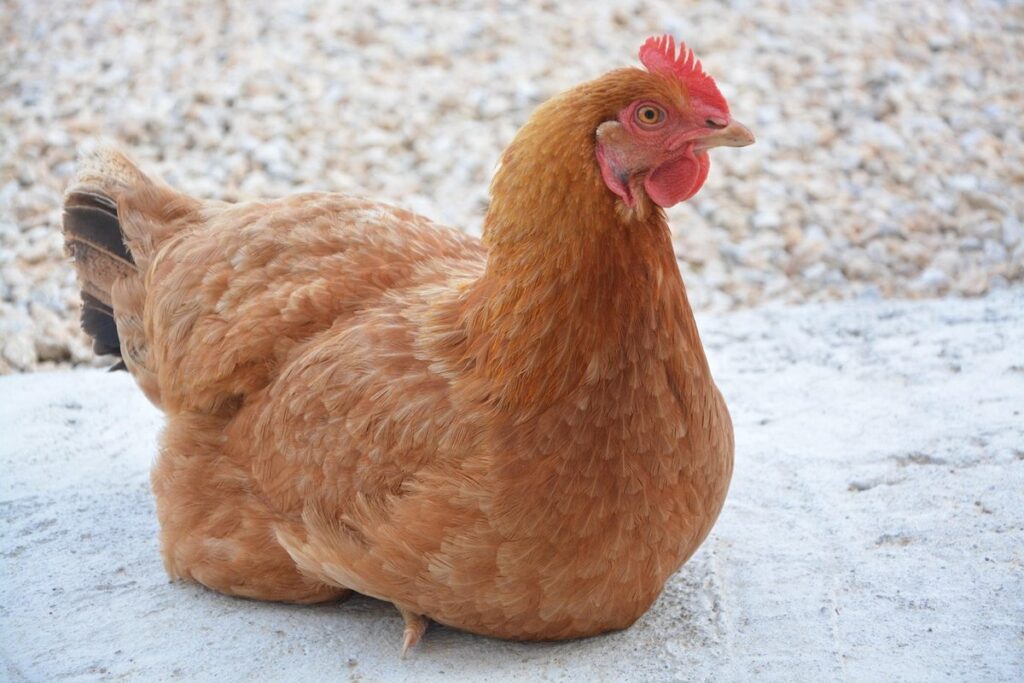
Understanding Chicken Breeds and Their Egg-Laying Capacity
When it comes to raising egg-laying chickens, understanding their breeds and characteristics is crucial for maximizing your daily egg harvest. Let’s explore how different breeds can impact your chicken’s egg-laying capacity.
Choosing the Right Breed for Daily Egg Production
When it comes to choosing breeds for daily egg production, you’ll want to focus on those that are known for their high egg-laying capacity. Leghorns are a popular choice among backyard chicken keepers due to their impressive ability to produce around 280-300 eggs per year, making them one of the most productive breeds in terms of egg production.
Another popular breed is the Rhode Island Red, which lays an average of 200-220 eggs per year. These birds are known for their rich, brown eggs and friendly demeanor, making them a great choice for families or small farms. Barred Rocks are also high producers, laying around 200-220 eggs per year.
If you’re new to chicken keeping, it’s essential to research and understand the needs of each breed before making a decision. Consider factors like climate tolerance, noise level, and temperament when choosing the right breed for your daily egg production needs. For example, Leghorns are sensitive to cold weather, so they may not be the best choice if you live in an area with harsh winters.
When selecting breeds, consider your personal preferences and lifestyle. If you have limited space or a small flock, a smaller breed like the Leghorn might be more suitable. On the other hand, if you’re looking for a hardy breed that can thrive in a variety of conditions, a Barred Rock might be the way to go.
When it comes to egg production, it’s not just about the number of eggs laid but also the quality and consistency. Look for breeds that are known for their high-quality eggs and consistent production throughout the year.
Factors Influencing Egg Production in Different Breeds
When it comes to egg production, not all chicken breeds are created equal. The size, weight, and temperament of a breed can significantly impact its ability to lay eggs daily. For example, smaller breeds like Leghorns and Bantams have a higher egg-laying capacity than larger breeds like Orpingtons and Plymouth Rock. This is because their smaller body size requires less energy to maintain, allowing them to allocate more resources towards producing eggs.
On the other hand, larger breeds may have trouble laying daily due to their higher caloric needs and slower metabolism. Additionally, temperament plays a crucial role in egg production. Friendly and docile breeds like Buff Orpingtons tend to produce more eggs than aggressive or fearful ones. This is because stress can significantly impact an individual chicken’s ability to lay eggs.
To maximize egg production, consider the following factors when selecting a breed: body size, weight, and temperament. By choosing a breed that suits your needs and environment, you’ll be well on your way to achieving daily egg-laying success.
Selecting Hens That Lay Eggs Regularly
When selecting hens that lay eggs regularly, it’s essential to consider their breed and individual characteristics. Some breeds are naturally more prolific layers than others, so research the specific needs of the breed you’re interested in. Look for breeds like Leghorns, Rhode Island Reds, or Barred Rocks, which are known for their high egg production.
When selecting individual hens, pay attention to their age, health, and temperament. Hens that are around 18-24 weeks old are usually at their prime laying age. Check for signs of good health, such as shiny feathers, bright eyes, and a strong appetite. Avoid hens that appear stressed or have visible health issues.
It’s also crucial to choose hens from a reputable breeder who prioritizes egg-laying ability. Ask about the parent stock and any selective breeding programs in place to optimize laying performance. Finally, don’t be afraid to ask questions or request information on the birds’ expected lay rate and overall productivity. By doing your research and selecting high-quality hens, you can increase the chances of having a consistent egg-laying routine every day.
Creating an Optimal Environment for Daily Egg Laying
To help your hens lay eggs consistently, it’s essential to provide a comfortable and healthy environment that meets their needs. Let’s explore how to create such an optimal setting in this crucial area of chicken care.
Providing Adequate Nutrition for Healthy Egg Production
A balanced diet is essential for promoting healthy egg production in chickens. A nutrient-rich diet will ensure that your flock has all the necessary elements to produce high-quality eggs on a daily basis. To achieve this, it’s crucial to provide a mix of protein sources, including grains like oats and barley, as well as legumes like alfalfa hay.
In addition to these staple ingredients, you can also supplement their diet with nutrient-rich foods such as mealworms, sunflower seeds, and leafy greens. These foods not only provide essential nutrients but also stimulate appetite and maintain overall health.
When selecting a feed for your flock, opt for one that is rich in calcium and phosphorus to support strong eggshell production. You can also consider adding crushed oyster shells or dolomitic limestone as an additional source of these minerals.
By following this diet plan, you’ll be able to ensure that your chickens receive the nutrients they need to produce healthy eggs daily. This includes a mix of essential vitamins and minerals like vitamin D3 and omega-3 fatty acids.
Ensuring Access to Clean Water at All Times
Providing fresh water to your hens daily is crucial, especially during hot weather. In fact, chickens can lose up to 30% of their body weight due to dehydration if they don’t have access to clean drinking water at all times. This is particularly concerning when the mercury rises, as hens need plenty of fluids to regulate their body temperature.
To ensure your girls stay hydrated, make sure you’re providing a constant supply of fresh water in a clean and easily accessible location. Change the water frequently, ideally every 2-3 hours, to prevent bacterial growth and contamination. You can also add ice packs or even an automatic watering system to keep the water cool and encourage them to drink more.
As a general rule, provide at least one gallon of fresh water per hen per day, especially during hot weather. Monitor your hens’ behavior and watch for signs of dehydration, such as dry crops, lethargy, or decreased egg production. By keeping their drinking water clean and accessible, you’ll be supporting their overall health and productivity – and helping them lay those daily eggs with ease!
Maintaining a Stress-Free Environment for Hens
Stress can be a major contributor to decreased egg production and overall health issues in backyard chickens. When hens feel stressed, their bodies will often prioritize survival over reproduction, leading to reduced egg laying. To mitigate this, it’s essential to create a stress-free environment for your flock.
Some common sources of stress in backyard chickens include overcrowding, lack of adequate space, and poor ventilation. To combat these issues, ensure that each hen has at least 2-4 square feet of floor space per bird, depending on breed size. Regularly clean the coop to remove waste and debris, promoting a healthy living environment.
Additionally, consider providing enrichment activities such as foraging toys or scratching posts to keep hens engaged and stimulated. A balanced diet rich in nutrients is also crucial for maintaining stress levels. Introduce stress-reducing herbs like chamomile or lavender into their feed or provide them as treats.
By implementing these strategies, you can help create a calm atmosphere for your flock, leading to improved egg production and overall well-being.
Managing Flock Health for Continuous Egg Production
To maintain a steady supply of fresh eggs, it’s essential to prioritize your flock’s health and take proactive steps to prevent common issues. This includes managing their nutrition, monitoring for disease, and creating a clean living environment.
Identifying Signs of Illness or Injury in Chickens
As an egg farmer, it’s crucial to monitor your flock’s health closely to ensure they remain healthy and productive. Common health issues that can affect egg-laying hens include respiratory problems, reproductive disorders, and internal parasites.
Respiratory problems such as pneumonia or bronchitis are often caused by bacteria or viruses. Symptoms may include labored breathing, coughing, or a drop in egg production. To identify these issues early on, check your chickens’ droppings for signs of blood or mucus, which can indicate respiratory problems.
Reproductive disorders, on the other hand, can be caused by factors such as nutrition deficiencies or stress. If you notice a decrease in egg production or abnormalities in egg shape or size, it may be a sign that your hens are experiencing reproductive issues. Regularly inspecting your flock’s droppings and monitoring their overall behavior can help you identify potential health problems before they become severe.
Internal parasites such as worms or mites can also impact egg production. Keep an eye out for signs of parasitic infestations, including lethargy, weight loss, or changes in appetite. Regularly cleaning your coop and using preventative measures such as dust baths or medicated feed can help keep internal parasites under control.
Implementing Regular Health Checks to Monitor Egg-Laying Hens
Implementing regular health checks is essential to monitor egg-laying hens and ensure their well-being. A healthy flock is crucial for continuous egg production. To achieve this, establish a schedule for daily, weekly, and monthly checks.
Daily checks involve observing the flock’s behavior, appetite, and droppings. Look for any signs of illness or stress, such as lethargy, decreased feed intake, or changes in droppings consistency. For example, a flock that is experiencing respiratory issues may display labored breathing or coughing sounds.
Weekly checks should include a thorough inspection of the coop and run to ensure cleanliness and hygiene standards are met. Check for any signs of pests, predators, or disease-causing organisms like mites, lice, or salmonella. Clean and disinfect any areas that require attention.
Monthly health checks involve conducting more in-depth evaluations of individual birds. Record each bird’s weight, egg production, and behavior. This information will help you identify potential issues before they become major problems.
Managing Flock Dynamics for Reduced Stress on Hens
When it comes to managing flock dynamics, promoting harmony among hens is crucial for reducing stress and maintaining a healthy environment. One of the main reasons hens experience stress is due to competition for food, water, and roosting spots. To mitigate this, ensure you’re providing enough space and resources for each hen. A general rule of thumb is to provide at least 2-4 square feet per bird inside the coop.
Another key aspect is introducing new birds gradually. When integrating new hens into an existing flock, do it slowly over a period of weeks or even months. This will give them time to get accustomed to each other’s presence and reduce aggression.
Additionally, identify and separate pecking order aggressors from their victims. If you notice persistent bullying, separate the hen causing the trouble from its target until the issue is resolved.
Provide enrichment activities like foraging games, scratching posts, or dust baths to keep hens engaged and stimulated. This will also help reduce stress caused by boredom.
Regularly monitor your flock’s behavior and adjust your management strategies as needed. By prioritizing harmony among hens, you’ll create a more relaxed environment that supports their overall well-being and lays the foundation for continuous egg production.
Collecting Eggs Daily: Tips and Tricks
As a daily egg collector, you know how crucial it is to have a smooth process, so we’ve gathered expert tips on streamlining your egg collection routine for maximum efficiency. Let’s dive into our top recommendations!
Setting Up an Efficient Egg Collection System
Collecting eggs daily can be a breeze with the right system in place. Let’s dive into various methods for collecting eggs efficiently.
One popular method is to use nesting boxes. These are usually located inside the coop and provide a safe, private space for hens to lay their eggs. Nesting boxes come in different shapes and sizes, but most have a sloping roof that allows eggs to roll out easily once laid. This reduces the risk of breakage and makes collection easier.
Specialized egg-gathering devices are another option worth considering. These devices can be attached to the nesting box or used as a standalone unit. They work by gently collecting eggs from the nesting area, often using a rotating drum or conveyor belt system. Some models even have built-in cleaning systems, making it easier to keep the coop clean and hygienic.
If you’re short on space or prefer a low-tech solution, you can also consider using an egg collector tray. This is a simple, shallow tray placed under the nesting box that catches eggs as they roll out. It’s easy to empty and clean, making it perfect for small-scale egg production.
Regardless of which method you choose, make sure it suits your needs and fits seamlessly into your daily routine. With the right system in place, collecting eggs will become a hassle-free task that keeps your hens happy and healthy.
Minimizing Breakage and Damage During Handling
When collecting eggs daily from your chicken coop, handling them gently is crucial to minimize breakage and damage. Eggs are delicate and can be easily cracked or damaged if not handled with care.
To prevent breakage, it’s essential to collect eggs from the nesting boxes carefully. Start by gently reaching into the box without disturbing the eggs already inside. Use a clean, dry cloth or your hands to scoop up an egg, making sure not to touch other eggs in the process. Hold the egg vertically and keep your grip relaxed, as tight pressure can cause the egg to break.
If you need to move multiple eggs, consider using a carton or container specifically designed for transporting eggs. This will help prevent accidental drops and breakage. Additionally, avoid carrying eggs by their pointed ends, as this can cause them to roll away and increase the risk of breakage. By being mindful of how you handle your eggs daily, you’ll reduce the likelihood of damage and keep your egg collection intact.
Storing Collected Eggs Safely and Hygienically
When collecting eggs daily, it’s essential to store them safely and hygienically to maintain their freshness. Improper storage can lead to bacterial contamination, which may cause the eggs to spoil prematurely.
To prevent this, ensure that you have a dedicated egg storage container or tray with individual compartments for each egg. This will help keep the eggs separate from one another, preventing any potential cracking or breaking. You should also store the eggs in a cool, dry place, away from direct sunlight and heat sources.
It’s also crucial to collect eggs at the same time every day to minimize handling and prevent cross-contamination. Wash your hands thoroughly before collecting eggs and after handling them, to maintain cleanliness.
Remember to clean the egg storage container regularly to prevent bacterial growth. You can do this by washing it with soap and water, or sanitizing it with a solution of one part white vinegar to nine parts water.
By following these simple steps, you’ll be able to store your daily egg collection safely and hygienically, ensuring they remain fresh for longer.
Common Challenges Facing Backyard Chicken Keepers and Solutions
As a backyard chicken keeper, you’re likely familiar with the ups and downs of raising chickens for daily egg production. Let’s tackle some common challenges that might be affecting your flock’s performance.
Overcoming Issues with Egg Production, Flock Health, and Environment
As a backyard chicken keeper, you’re likely no stranger to dealing with challenges that can impact egg production and flock health. Let’s face it – raising chickens can be unpredictable, and issues with egg production, flock health, and environmental conditions are common problems many keepers encounter.
One of the most frustrating issues is low egg production. This could be due to a variety of factors such as inadequate nutrition, stress, or even a change in light exposure. To address this issue, ensure that your girls have access to a balanced diet rich in protein, calcium, and other essential nutrients. You can also provide supplements like oyster shells or crushed eggs to support their nutritional needs.
Another concern is managing predator threats. Whether it’s foxes, coyotes, raccoons, or domestic cats, predators are a constant worry for many backyard chicken keepers. To minimize the risk of predation, make sure your coop and run are well-secured with strong fencing, covered runs, and secure latches.
A healthy environment is also crucial for egg production and overall flock health. Keep an eye on temperature fluctuations, ventilation, and humidity levels within the coop to prevent respiratory issues and stress among your birds. A well-maintained coop and a balanced ecosystem will help ensure that your girls stay happy and healthy, laying eggs consistently day in and day out.
Collaborating with Other Chicken Enthusiasts for Support and Advice
As you navigate the world of backyard chicken keeping, it’s not uncommon to encounter challenges that leave you scratching your head. Whether it’s a sudden drop in egg production, health issues, or simply wondering what breed is best for your climate, it can be overwhelming. That’s where collaborating with other chicken enthusiasts comes in – and I’m excited to share with you the benefits of joining online forums or local chicken-keeping communities.
These platforms are a treasure trove of knowledge, resources, and advice from experienced keepers who have been in your shoes before. You’ll find countless threads discussing common issues like mites, egg-laying cycles, and breed-specific traits. Not only will you gain valuable insights, but you’ll also tap into a network of supportive individuals who understand the joys and frustrations that come with raising backyard chickens.
When searching for online forums or local communities, look for groups that have an active presence on social media platforms like Facebook or Instagram. Many cities and towns even host chicken-keeping meetups, where you can connect face-to-face with fellow enthusiasts. By joining forces with others who share your passion, you’ll not only solve problems but also gain a new community of friends who will be there to help you through the ups and downs of backyard chicken keeping.
Conclusion: Achieving Daily Egg Production in Your Backyard Flock
Now that you’ve learned how to create an ideal egg-laying environment, let’s summarize the key takeaways and provide a plan for maintaining daily egg production.
Recap of Key Takeaways from This Guide
As you’ve made it through our comprehensive guide to achieving daily egg production in your backyard flock, we want to recap the key takeaways that’ll help you implement these strategies successfully.
Let’s start with creating an optimal environment for your hens. We discussed the importance of providing adequate space, nutrition, and water to ensure they can lay eggs every day. This includes offering a balanced diet rich in protein and calcium, as well as ensuring access to fresh air, light, and exercise.
We also covered the significance of selecting breeds that are suitable for daily egg production. Some popular options include Leghorns, Rhode Island Reds, and Barred Rocks. Remember to research and choose breeds that fit your climate, resources, and desired level of maintenance.
In addition to these factors, regular health checks and vaccinations can help prevent illnesses and maintain your flock’s overall well-being. By following these key takeaways, you’ll be well on your way to achieving daily egg production in your backyard flock.
Encouragement to Continue Improving and Learning as a Chicken Keeper
As you continue on your journey to achieving daily egg production in your backyard flock, remember that there’s always room for improvement and learning. Don’t be content with the status quo – instead, strive to refine your chicken-keeping skills and push yourself to new heights.
One of the best ways to do this is by staying informed about the latest advancements in chicken health, nutrition, and behavior. Attend workshops or online seminars, read industry publications, and join online forums to stay up-to-date on the latest research and best practices. For example, you may discover new strategies for managing mites and lice, or learn about cutting-edge feed supplements that can boost egg production.
Don’t be afraid to experiment and try new things – this is where some of the most significant breakthroughs happen! Consider consulting with experienced chicken keepers in your community, either online or in-person. They may share valuable insights gained from their own experiences, such as tips for improving eggshell quality or troubleshooting common issues like broodiness.
By embracing a growth mindset and continuing to learn and adapt, you’ll not only improve the health and productivity of your flock but also enhance your overall chicken-keeping experience.
Frequently Asked Questions
How do I know if my chickens are getting enough calcium for strong eggshell production?
Ensuring adequate calcium intake is crucial for healthy egg production. You can offer oyster shells or crushed eggshells as a supplement, and make sure to provide a balanced layer feed that meets your hens’ nutritional needs.
Can I mix different breeds together to achieve daily egg production?
Mixing breeds can be done, but it’s essential to consider their compatibility, temperament, and egg-laying capacity. Some breeds may not get along, so introducing them gradually under close supervision is recommended.
What are some common health issues that can affect my chickens’ egg-laying ability?
Common health issues include mites, lice, respiratory problems, and reproductive issues. Regular health checks, maintaining a clean environment, and providing adequate nutrition can help prevent these issues.
How often should I collect eggs to minimize breakage and maintain the quality of the eggs?
Collecting eggs daily is essential to minimize breakage and maintain egg quality. You can set up an efficient egg collection system with designated nesting boxes and easy access for handling.
Can I keep my chickens in a small backyard or do they need a lot of space to lay eggs regularly?
While chickens don’t require extensive space, they do need adequate room to move around, stretch their wings, and engage in natural behaviors. A minimum of 2-4 square feet per bird is recommended for optimal health and egg production.