
Are you looking for a natural way to give your garden a boost? You’re in luck because chicken manure, often overlooked as a valuable resource, can be a fantastic fertilizer. Rich in nutrients like nitrogen, phosphorus, and potassium, it’s perfect for promoting healthy plant growth. However, using chicken manure effectively requires some knowledge of its breakdown process and environmental impact.
In this article, we’ll delve into the benefits and uses of chicken manure as garden fertilizer, exploring how to harness its nutrient power while minimizing potential drawbacks. We’ll discuss topics such as composting, application rates, and safety precautions to ensure you get the most out of your chicken manure fertilizer without harming your soil or the environment. Whether you’re a seasoned gardener or just starting out, this guide will provide you with practical tips for using chicken manure effectively in your garden.
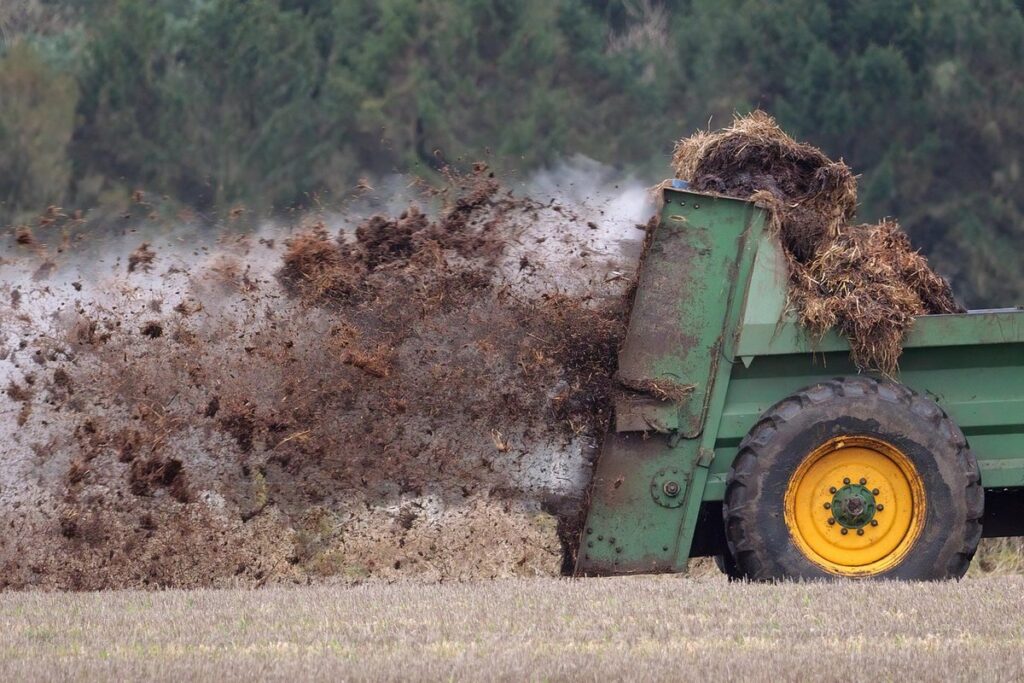
Characteristics and Nutritional Value of Chicken Manure
Chicken manure is a nutrient-rich fertilizer that offers several benefits for your garden, but what exactly makes it so valuable? Let’s break down its characteristics and nutritional value.
1. Nutrient Breakdown: What to Expect from Chicken Manure
When it comes to using chicken manure as a garden fertilizer, understanding its nutrient breakdown is crucial. Chicken manure is a rich source of nutrients that can significantly boost the fertility of your soil. The typical NPK values for chicken manure are:
* Nitrogen (N): 8-10%
* Phosphorus (P): 3-4%
* Potassium (K): 1-2%
These numbers may vary depending on factors such as the breed and diet of the chickens, as well as how long the manure has been composted. In addition to these macronutrients, chicken manure also contains essential micronutrients like calcium, magnesium, and sulfur.
When using chicken manure in your garden, it’s essential to note that its high nitrogen content can be beneficial for plants but may also lead to over-fertilization if not managed properly. To avoid this, mix the manure with other compost materials or use it in moderation. A general rule of thumb is to apply 1-2 pounds of dried chicken manure per square foot of garden bed. This will provide a balanced nutrient boost without overwhelming your plants.
2. Comparison with Other Organic Fertilizers: Why Choose Chicken Manure?
When it comes to choosing an organic fertilizer for your garden, chicken manure stands out from the crowd. Let’s compare its benefits with other common options like compost, fish emulsion, and green sand.
Compared to compost, chicken manure has a higher nitrogen content (around 12%) and is more easily available as a by-product of poultry farms. It also takes less time to decompose than compost, making it a convenient choice for gardeners who need quick results. On the other hand, compost can take months or even years to break down, but its slow release rate provides sustained nourishment to plants.
Fish emulsion, another popular organic fertilizer, is high in phosphorus and potassium, but low in nitrogen (around 3%). While it’s a good option for lawns and general gardening, chicken manure offers more comprehensive nutrient coverage. Green sand, made from glauconite, provides micronutrients like iron and manganese, but its nitrogen content is also relatively low.
Ultimately, the choice between these options depends on your specific garden needs. If you’re looking for a high-nitrogen fertilizer with broad-spectrum benefits, chicken manure is an excellent choice.
Preparing and Using Chicken Manure in Your Garden
Before using chicken manure as a fertilizer, it’s essential to prepare it properly by drying and composting the material to eliminate pathogens. This process is crucial for safe garden use.
1. Collection and Storage: Tips for Harvesting and Preserving Chicken Manure
Collecting chicken manure from your coop is a straightforward process that requires some planning and regular maintenance to ensure its effectiveness as a garden fertilizer. You can either harvest the droppings daily by scooping them into a designated container, or implement a system of collecting the waste through a drop tray or slotted floor beneath the roosting bars.
When harvesting manure, it’s essential to consider its moisture content and temperature. Fresh chicken manure is highly perishable and can be hazardous if not stored properly due to its high nitrogen levels and potential for attracting pests. A good storage method involves collecting the manure in a well-ventilated area, such as a shed or outdoor enclosure, with adequate space to allow for airflow.
When purchasing from a supplier, ensure that the chicken manure is dry and free of contaminants. Store it in an airtight container or bag to keep out moisture and pests. It’s recommended to use a ratio of 1 part manure to 10 parts carbon-rich materials like straw or wood shavings to prevent over-fertilization and anaerobic conditions.
Remember to handle the manure with care, as its high nitrogen levels can cause burns or respiratory issues if inhaled. Wear gloves and protective eyewear when handling fresh manure.
2. Application Methods: Composting, Mulching, and Direct Application Techniques
When it comes to incorporating chicken manure into your garden, there are several application methods to choose from. Composting is a popular approach, where you mix the manure with other organic materials like leaves, grass clippings, or food waste. This process allows for a controlled decomposition rate, reducing pathogens and weed seeds, and creating a nutrient-rich compost that can be used as fertilizer.
Mulching with chicken manure involves spreading it around plants to retain moisture, suppress weeds, and regulate soil temperature. A 2-inch layer is usually sufficient, but make sure to keep it away from plant stems to prevent burning.
For direct application, you can spread the dried or aged manure on the soil surface and incorporate it into the top inch of soil before planting. Be cautious not to overdo it – excessive nitrogen can cause more harm than good. Start with a small amount (about 1/4 cup per square foot) and gradually increase as needed.
Some gardeners also use chicken manure tea, a liquid solution made by steeping the manure in water for 24 hours. This method allows for targeted application of nutrients to specific plants or areas.
The Environmental Impact of Using Chicken Manure as Fertilizer
As we’ve discussed the benefits and uses of chicken manure, let’s now examine the potential environmental effects of utilizing it as a fertilizer. We’ll dive into the possible risks.
1. Reducing Waste: How Using Chicken Manure Helps Minimize Agricultural Waste
Using chicken manure as fertilizer is not only beneficial for garden growth but also has numerous environmental advantages. One of the primary benefits is reducing waste by utilizing a byproduct that would otherwise be discarded.
When managed properly, chicken farms can turn their waste into a valuable resource rather than a liability. This approach aligns with sustainable agriculture practices, minimizing the environmental impact of traditional farming methods. To put this into perspective, consider a single chicken produces approximately 30 pounds of manure per year. If you have a small flock or are working with a large-scale operation, that’s a significant amount of waste to manage responsibly.
By implementing chicken manure as fertilizer, gardeners and farmers can significantly reduce their carbon footprint and reliance on chemical fertilizers. A study by the University of California found that using composted chicken manure can increase soil fertility while reducing greenhouse gas emissions.
Incorporating this practice into your gardening routine is relatively simple: mix 10-20% chicken manure with existing topsoil, then spread it evenly across your garden bed before planting.
2. Soil Health and Biodiversity: The Role of Chicken Manure in Supporting Ecosystem Services
Chicken manure is not only an excellent fertilizer for gardens, but it also plays a crucial role in maintaining soil health and biodiversity. When applied to the soil, chicken manure provides essential nutrients that support microbial activity, which in turn boosts nutrient cycling. This process is vital for plant growth and overall ecosystem function.
As chickens digest their food, they produce manure rich in nitrogen, phosphorus, and potassium – key macronutrients required by plants. When these nutrients are released into the soil, they fuel microbial populations, encouraging a balanced ecosystem. In return, microorganisms break down organic matter, recycle nutrients, and create a healthy, thriving environment for plant roots.
To maximize chicken manure’s benefits, mix it with other compost materials or well-rotted manure to slow its release of nutrients. Aim for a 1:10 ratio of manure to soil volume and incorporate it into the top 6 inches of soil before planting. Regular application of this nutrient-rich fertilizer can improve soil structure, increase water retention, and reduce erosion – all while supporting the local food chain and promoting biodiversity.
By embracing chicken manure as a garden fertilizer, you’re not only reducing waste but also contributing to a more sustainable ecosystem.
Safety Precautions When Handling Chicken Manure
When working with chicken manure, it’s crucial to take necessary safety precautions to avoid potential health risks. Proper handling and disposal techniques are essential for a safe gardening experience.
1. Pathogen Concerns: Managing the Risk of Disease Transmission Through Chicken Manure
When handling chicken manure, it’s essential to be aware of the potential pathogens present. These microorganisms can cause a range of diseases in humans and animals alike. The most common pathogens found in chicken manure are Salmonella, E. coli, and Campylobacter. These bacteria can survive for months on the manure, even after composting or drying.
To minimize the risk of disease transmission, it’s crucial to handle chicken manure with care. Always wear protective gear, including gloves and a mask, when working with fresh manure. Wash your hands thoroughly with soap and water afterwards. If you’re composting the manure, ensure that it reaches a minimum temperature of 131°F (55°C) for at least 15 minutes to kill off pathogens.
Additionally, consider using pasteurization or solarization techniques to further reduce the risk of disease transmission. These methods involve heating the manure to a high temperature to kill off bacteria and other microorganisms. By taking these precautions, you can safely harness the benefits of chicken manure as a garden fertilizer while minimizing the risks associated with handling it.
2. Personal Protection Equipment (PPE) and Handling Techniques
When working with chicken manure, it’s essential to take necessary precautions to protect yourself from potential health risks. Personal Protection Equipment (PPE) and handling techniques play a crucial role in maintaining your safety.
When selecting PPE, consider gloves that are waterproof and have a good grip to prevent slipping when handling wet or soiled materials. A face mask is also vital in preventing the inhalation of dust and pathogens. Additionally, long-sleeved clothing and closed-toe shoes will help protect your skin from potential splashes and punctures.
When handling chicken manure, it’s crucial to practice good hygiene techniques. This includes washing your hands thoroughly with soap and water after each use. Make sure to clean any equipment or tools used in the process as well. When applying the manure to your garden, avoid inhaling dust or particles by covering your mouth and nose with a face mask.
Regularly inspecting your PPE for signs of wear and tear can also prevent accidents from occurring.
Case Studies: Success Stories of Using Chicken Manure in Gardening and Agriculture
Let’s take a look at some inspiring case studies where chicken manure has been successfully used to boost crop growth and improve soil fertility. Real farmers share their experiences and results.
1. Real-Life Examples of Farms and Gardens That Have Successfully Implemented Chicken Manure Use
Let’s take a look at some real-life examples of farms and gardens that have successfully implemented chicken manure use as fertilizer. For instance, a small-scale farm in the United States has been using chicken manure to fertilize their vegetable crops with remarkable results. They collect the manure from their laying hens, mix it with other natural ingredients like compost and worm castings, and apply it to their soil.
The farm has reported significant increases in crop yields and improvements in soil health. Their lettuce crop, in particular, showed a 30% increase in yield after using chicken manure as fertilizer for just one season. Another example is a community garden in Australia that uses chicken manure from a local poultry farm to fertilize their plots.
To replicate these results, consider the following tips: start by collecting chicken manure from your own backyard chickens or explore local options for purchasing it. Mix it with other natural ingredients like compost and worm castings to create a balanced fertilizer. Apply it to your soil in moderation, as too much can be overwhelming for plants. Monitor your soil’s pH levels and adjust accordingly.
2. Challenges Overcome: Lessons Learned from Implementing Chicken Manure-Based Fertilizer Programs
When transitioning to chicken manure-based fertilizers, gardeners and farmers often face several challenges. One of the main obstacles is the initial cost of setting up a composting system to process the manure into a usable fertilizer. This can be a significant investment, especially for small-scale operations.
However, many successful programs have found ways to overcome this hurdle by seeking out low-cost or free chicken manure sources from local farms or producers who would otherwise dispose of it in landfills. By negotiating with these suppliers, gardeners and farmers can secure a steady supply of high-quality fertilizer at little to no cost.
Another challenge is ensuring that the composting process is carried out correctly to kill off pathogens and weed seeds present in the manure. To overcome this, many programs have implemented rigorous quality control measures, including regular testing for nutrient content, pH levels, and microbial activity.
Ultimately, the key to successfully implementing a chicken manure-based fertilizer program lies in careful planning, creativity, and perseverance. By addressing these common challenges head-on, gardeners and farmers can unlock the full potential of this sustainable and effective gardening solution.
Conclusion: The Future of Sustainable Gardening and the Role of Chicken Manure
As we’ve explored the benefits and uses of chicken manure as a garden fertilizer, let’s now consider how this natural resource can shape the future of sustainable gardening.
1. Recap of Key Benefits and Considerations When Using Chicken Manure as Fertilizer
When it comes to using chicken manure as fertilizer, there are several key benefits and considerations to keep in mind. On one hand, this natural resource is rich in nutrients like nitrogen, phosphorus, and potassium, making it an excellent organic alternative to synthetic fertilizers.
As we’ve discussed throughout this article, chicken manure can help improve soil structure, increase crop yields, and even reduce the need for irrigation. By composting or applying fresh manure directly to your garden beds, you can tap into its fertility potential while creating a more sustainable gardening practice.
However, there are also some drawbacks to consider: proper handling and storage of chicken manure is crucial to prevent nutrient loss and contamination. This includes ensuring adequate ventilation, monitoring pH levels, and taking steps to minimize odors.
To maximize the benefits of using chicken manure as fertilizer, make sure to follow these guidelines: use it in moderation (about 1-2% of soil volume), balance its application with other organic amendments, and incorporate it into your composting routine.
2. Future Directions: Emerging Trends and Innovations in Sustainable Gardening and Chicken Manure Use
As we look to the future, it’s exciting to see emerging trends and innovations in sustainable gardening that will continue to make chicken manure a valuable asset for gardeners. One of the most promising areas is the use of precision agriculture, which combines data analytics and sensor technology to optimize crop yields while minimizing waste. Chicken manure can play a key role in this approach by providing essential nutrients to crops in exactly the right amounts.
Another trend gaining momentum is the adoption of regenerative gardening practices, which focus on building soil health through the use of natural amendments like chicken manure. By incorporating these techniques into our gardening routines, we can not only improve crop yields but also sequester carbon and support biodiversity. For example, a study by the Rodale Institute found that using composted chicken manure in place of synthetic fertilizers can reduce greenhouse gas emissions by up to 90%. As gardeners, we have the power to shape the future of sustainable gardening – and chicken manure is a key part of the equation.
Frequently Asked Questions
Can I use chicken manure straight from the coop, or does it need to be composted first?
It’s generally recommended to compost chicken manure before using it as fertilizer. This process breaks down pathogens and makes the nutrients more readily available for plants. However, if you’re short on time, a direct application of fresh chicken manure can still provide benefits, especially if mixed with other organic matter.
How often should I apply chicken manure to my garden to avoid over-fertilization?
Over-applying chicken manure can lead to nutrient imbalances in the soil. A general rule is to mix 10-20% chicken manure into your compost pile or directly into the soil, and reapply every 6-12 months as needed. Monitor your plants’ growth and adjust accordingly.
What are some common mistakes to avoid when using chicken manure as fertilizer?
Some common pitfalls include over-diluting the nutrients by mixing too much water with the manure, which can lead to reduced effectiveness. Another mistake is neglecting proper storage and handling practices, such as avoiding contamination and ensuring adequate drying time.
Can I use chicken manure on acid-loving plants like azaleas and blueberries?
Chicken manure is slightly alkaline in nature (pH around 8), making it less ideal for acid-loving plants. However, a well-balanced compost or mix of chicken manure with acidic materials can help adjust the pH levels. It’s still essential to monitor your soil’s pH levels and make adjustments as needed.
How do I safely handle large quantities of chicken manure in my garden?
When handling larger amounts of chicken manure, ensure you have proper personal protection equipment (PPE), including gloves, a face mask, and safety goggles. Regularly clean and disinfect tools and storage containers to prevent the spread of pathogens.