
Are you looking for a sustainable way to create nutrient-rich fertilizer for your garden? You’re in luck because we’ve got just the solution: chicken manure cold composting! This eco-friendly method allows you to turn waste into gold, creating a valuable resource that will make your plants thrive. By harnessing the power of nature and some simple setup steps, you can produce your own fertilizer without breaking the bank or contributing to environmental pollution.
In this article, we’ll dive into the benefits of using chicken manure cold compost as a natural fertilizer, walk you through the easy process of setting it up, and provide troubleshooting tips to ensure success. Whether you’re a seasoned gardener or just starting out, our step-by-step guide will have you creating your own nutrient-rich fertilizer in no time, making this practical solution a game-changer for gardeners everywhere.
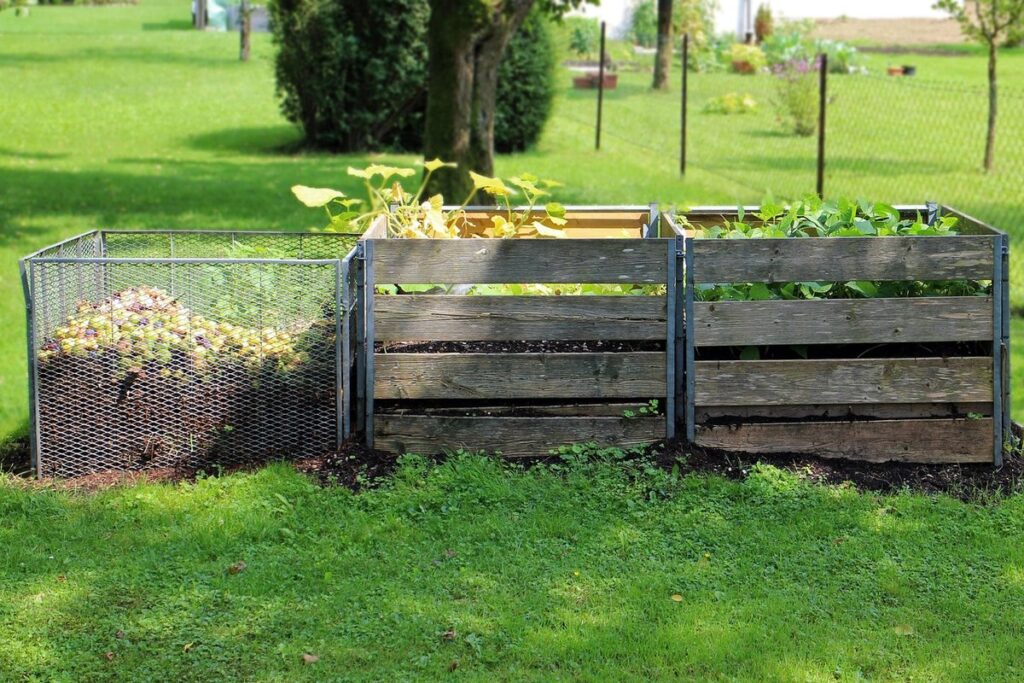
What is Cold Composting and Why Use It?
Cold composting involves letting organic matter break down naturally without turning it, a low-maintenance method ideal for managing chicken manure. We’ll explore its benefits in more detail below.
Benefits of Cold Composting
Cold composting offers numerous benefits that make it an attractive option for managing chicken manure. One of the primary advantages is its environmental friendliness. By allowing organic materials to break down naturally, cold composting eliminates the need for synthetic fertilizers and reduces greenhouse gas emissions associated with conventional composting methods.
Another significant benefit of cold composting is its cost-effectiveness. Since it doesn’t require aeration, monitoring, or turning like hot composting, you can save time, labor, and energy. This method also allows you to utilize chicken manure as a nutrient-rich fertilizer without incurring additional expenses for purchased fertilizers.
Through the slow decomposition process of cold composting, you can produce high-quality fertilizer that’s rich in essential nutrients. By following simple guidelines, such as adding brown materials like straw or coconut coir to balance out the carbon-to-nitrogen ratio and ensuring adequate moisture levels, you can create a nutrient-dense fertilizer that benefits your garden.
By adopting cold composting for chicken manure, you’ll not only reduce waste but also produce an eco-friendly and cost-effective solution for sustainable gardening practices.
Common Misconceptions About Cold Composting
One of the most common misconceptions about cold composting is that it’s too slow. Many people believe that hot composting, which involves rapid decomposition through high temperatures, is a faster and more efficient way to break down organic matter. However, this isn’t necessarily true when it comes to chicken manure cold composting.
In reality, cold composting can be just as effective in breaking down pathogens and creating nutrient-rich fertilizer. In fact, the slow process of cold composting allows for a more thorough breakdown of complex nutrients, resulting in a higher-quality end product. For example, studies have shown that cold-composted chicken manure can retain up to 90% of its nitrogen content, compared to only 50-60% with hot-composting methods.
Another common misconception is that cold composting doesn’t kill pathogens effectively. But the truth is, as long as the materials are well-balanced and aerated, cold composting can achieve temperatures high enough to kill off most pathogens. This process may take longer than hot composting, but it’s a more natural and gentle way of breaking down organic matter – perfect for creating nutrient-rich fertilizer from chicken manure.
Types of Cold Composting Methods
Cold composting is a versatile method that can be adapted to various environments and space constraints. Two of the most common types of cold composting methods are the “pile” method and the “heap” method.
The pile method involves creating a compact, rectangular or square-shaped pile of chicken manure and other carbon-rich materials like straw or leaves. This structure allows for efficient decomposition and reduces the risk of anaerobic conditions that can lead to unpleasant odors. A 3-foot by 4-foot pile is a good starting point, but feel free to adjust the size based on your available space.
The heap method takes a more relaxed approach, allowing chicken manure to decompose in a loose, irregular mound. This method requires minimal maintenance and can be ideal for smaller spaces or when working with limited materials. To create a successful heap, simply pile 3-4 inches of chicken manure at the base, followed by a layer of carbon-rich materials, repeating the process until your desired height is reached.
Ultimately, both methods require patience, as cold composting typically takes several months to produce finished compost. However, with proper care and attention, you can enjoy a rich, nutrient-dense product for your garden or yard.
Setting Up a Chicken Manure Cold Compost Pile
To set up a chicken manure cold compost pile, you’ll need to gather your materials and prepare the right conditions for optimal decomposition. Begin by selecting a suitable location.
Choosing the Right Location for Your Pile
When it comes to setting up a chicken manure cold compost pile, choosing the right location is crucial for its success. As you begin to plan out where your pile will go, consider the following factors.
First and foremost, accessibility is key. You want to be able to easily add materials to the pile as they become available, without having to navigate through mud or overgrown vegetation. Ideally, position the pile in a spot that’s close to your chicken coop, but not so close that it’s in the direct path of rainwater runoff.
Sunlight is also an important consideration. While cold composting doesn’t require direct sunlight like hot composting does, having some indirect sunlight can still help speed up the process by promoting beneficial microbial activity. Aim for a spot that receives at least partial shade to prevent moisture loss and promote healthy decomposition.
Finally, drainage is essential. Make sure the location you choose has good slope to allow water to flow freely through the pile. Avoid flat or low-lying areas that can become waterlogged, which can lead to anaerobic conditions and unpleasant odors.
When in doubt, observe your yard’s natural topography and choose a spot that naturally drains well. A slight incline is ideal for cold composting piles, as it allows water to move through the pile without becoming stagnant.
Preparing the Site and Materials Needed
Before setting up your chicken manure cold compost pile, it’s essential to prepare the site where the pile will be located. This involves choosing a spot with good air circulation and accessibility for easy maintenance. Ensure that the area is at least 3 feet away from any buildings or structures to prevent moisture accumulation and pest infestations.
You may need to obtain necessary clearances or permits before starting your composting project, especially if you live in an urban area or have specific zoning regulations. Check with your local government for requirements on composting and waste management. In some cases, you might need to submit a plan or provide documentation to ensure compliance.
In addition to site preparation, gather the necessary materials for your cold compost pile. This will include a container or bin to hold the chicken manure, wire mesh or hardware cloth to secure the pile, and tools like gloves, shovels, and pitchforks for turning the compost. Be sure to source these materials locally to minimize transportation costs and carbon emissions.
Layering Chicken Manure and Other Compost Materials
Proper layering of chicken manure with other compost materials is crucial for creating an effective cold compost pile. Start by placing a 4-6 inch layer of “brown” materials such as shredded newspaper, dried leaves, or straw at the bottom of the pile. This layer helps to absorb excess moisture and provides carbon-rich ingredients that will help to balance out the nitrogen in the manure.
Next, add a 2-3 inch layer of chicken manure on top of the brown materials. Be sure to mix it well with some green materials like grass clippings or fresh leaves to introduce oxygen into the pile. Repeat this process of adding alternating layers of brown and green materials, finishing with a layer of brown materials on top.
As you add each new layer, gently mix the contents of the previous layer to prevent matting and promote even decomposition. Aim for a ratio of 2/3 “brown” materials to 1/3 “green” materials in your pile. This will help to create an ideal environment for cold composting to occur, reducing odors and minimizing pests.
The Process of Cold Composting
Now that you have a basic understanding of what cold composting is, let’s dive into the step-by-step process of transforming chicken manure into nutrient-rich fertilizer.
Understanding the Carbon-Nitrogen Ratio
Achieving a balanced carbon-nitrogen ratio is crucial for optimal decomposition and nutrient retention in your cold compost pile. The ideal ratio varies between 25:1 to 30:1, with carbon being the dominant component. If the ratio falls too far on either side, it can hinder the composting process.
Think of it like a recipe: too much nitrogen (nitrogen-rich chicken manure) and not enough carbon (dry materials like straw or shredded newspaper), and you’ll end up with a smelly mess that’s more likely to attract pests than produce nutrient-dense compost. On the other hand, an excess of carbon can slow down decomposition.
To strike the right balance, add a mix of ‘green’ materials high in nitrogen (like fresh grass clippings or chicken manure) and ‘brown’ materials rich in carbon (such as shredded newspaper or dried leaves). A general rule of thumb is to use 2/3 brown materials and 1/3 green materials. Monitor your pile’s temperature, moisture levels, and odors – these will give you a good indication if the ratio needs adjusting.
Moisture Levels and Turning the Pile
Maintaining optimal moisture levels is crucial for cold composting, especially when working with chicken manure. The ideal moisture level for a compost pile is between 50-60% moisture content. To achieve this, it’s essential to monitor the pile’s moisture levels regularly and add water or dry materials as needed.
When adding water, aim for gentle showers rather than soaking the pile. This will help prevent anaerobic conditions from developing. On the other hand, if the pile becomes too dry, add a mix of green materials like fresh grass clippings or vegetable scraps to increase moisture levels.
Turning the compost pile is another crucial step in maintaining optimal mixing and air circulation. It’s recommended to turn the pile every 7-10 days for the first few weeks, then gradually extend this interval as decomposition progresses. By turning the pile, you’ll prevent anaerobic conditions, promote aeration, and ensure even microbial activity throughout.
Monitoring Temperature and Odor
Monitoring temperature and odor changes is crucial during the cold composting process. You’ll want to keep an eye on these factors as they will indicate whether the process is proceeding as it should. Temperature fluctuations can be a good sign that microbial activity is taking place, which breaks down the organic matter.
Temperature increases above 50°C (122°F) are ideal for decomposition. However, this temperature is not always uniform throughout the pile. You may want to use thermometers with long probes or even install them vertically through the pile to get accurate readings. If you notice temperatures consistently above 55°C (131°F), it may be a sign that anaerobic conditions are developing.
Keep in mind that odors can be an indicator of problems such as anaerobic conditions, excessive moisture, or inadequate carbon-to-nitrogen ratio. Regularly check the pile’s odor, and if you notice unpleasant smells, it might be necessary to aerate the pile by turning it over.
Some key signs of potential issues include ammonia smell, sour odors, or those that are putrid. When you encounter these situations, stop adding new materials and let the pile rest for a few days before checking again.
Troubleshooting Common Issues
We know things don’t always go as planned when cold composting chicken manure, so let’s tackle some common issues you might encounter. We’ll walk through solutions for typical problems to get you back on track.
Pests and Diseases in Your Compost Pile
One of the biggest challenges when composting chicken manure is dealing with pests and diseases that can affect the pile. These unwanted visitors can be a major nuisance, not to mention a health risk for you and your family. Let’s take a closer look at some common culprits.
Insects like fruit flies and stable flies are attracted to the high nitrogen content in chicken manure, which is perfect breeding ground for them. To keep these pests under control, make sure to maintain adequate carbon-to-nitrogen ratios by adding more “brown” materials like straw or shredded newspaper to your pile. Regular turning of the compost will also help prevent insect infestations.
Rodents are another pest that can be a problem in chicken manure composting. To discourage rodents from visiting your pile, keep it covered with a tight-fitting lid and store any food scraps in rodent-proof containers. You should also make sure to bury any meat or dairy products deep within the pile to prevent attracting pests.
Fungal growth is another common issue when composting chicken manure. This can be caused by too much moisture or inadequate oxygen levels in the pile. To prevent fungal growth, ensure that your pile has good airflow and is not too wet. Regular turning of the compost will also help speed up the decomposition process and reduce the likelihood of fungal growth.
Unpleasant Odors or Slime Formation
One of the most common issues that arise during cold composting with chicken manure is unpleasant odors or slime formation. These problems can be caused by a variety of factors, including inadequate carbon-to-nitrogen ratio, excessive moisture levels, or insufficient aeration within the pile.
To address these issues, it’s essential to maintain a well-balanced C:N ratio in your compost pile. Aim for a mix of 2/3 “brown” materials (dried leaves, straw, or shredded newspaper) and 1/3 “green” materials (chicken manure, grass clippings, or food scraps). This balance will help to minimize odors and prevent slime formation.
Regular monitoring and maintenance are also crucial. Check the pile’s moisture levels frequently, making sure it’s not too soggy or dry. If you notice any unpleasant odors, add more brown materials to absorb excess moisture and neutralize smells. Finally, ensure adequate aeration by turning the pile regularly to introduce oxygen and speed up decomposition.
By following these tips, you can effectively manage unpleasant odors and slime formation in your chicken manure cold composting project.
Inadequate Temperature or Turning Issues
When dealing with chicken manure cold composting, you may encounter issues related to inadequate temperature or turning difficulties. Inadequate temperature can be a significant problem as it prevents the composting process from reaching its optimal range of 130-140°F (54-60°C), where pathogens and weed seeds are killed.
If your pile is not generating enough heat, check for sufficient moisture levels. Aim for a mix that’s about 40-50% water content. If it’s too dry, you can add more chicken manure or water to balance it out. Ensure the pile has adequate carbon-to-nitrogen ratio, as this will help generate heat.
Turning difficulties can be due to the pile being too wet or too dense. To avoid this, turn your compost regularly to maintain air pockets and prevent matting. If you’re having trouble turning a large pile, try breaking it down into smaller sections first. Also, consider using a forking tool that allows for easy penetration of the compost material without compacting it further.
Benefits of Chicken Manure Cold Composting
By now, you’ve learned how to set up a cold composting system and add chicken manure. Let’s explore the benefits that make it such an attractive option for sustainable gardening practices.
Nutrient-Rich Fertilizer for Your Garden
Using chicken manure cold compost as a nutrient-rich fertilizer for your garden can be a game-changer. This natural fertilizer is packed with essential nutrients like nitrogen, phosphorus, and potassium that will give your plants a significant boost. When applied to the soil, it helps improve its structure, increases water retention capacity, and even reduces erosion.
One of the best things about using chicken manure cold compost is that it’s free from pathogens, unlike raw manure. This makes it safe for use in gardens where fruits, vegetables, or herbs are grown. By incorporating this fertilizer into your garden routine, you’ll be able to grow healthier plants with better yields. For example, if you’re growing tomatoes, using chicken manure cold compost can increase fruit production by up to 20%.
To make the most of this nutrient-rich fertilizer, it’s essential to apply it correctly. Start by mixing a small amount into the soil and observe how your plants respond before scaling up the application. It’s also crucial to balance its use with other fertilizers to avoid overloading the soil with nitrogen.
By adopting chicken manure cold compost as part of your gardening strategy, you’ll be able to reap the rewards of a nutrient-rich fertilizer that promotes healthy plant growth and development. With a little practice and patience, you can enjoy the benefits of this natural fertilizer and watch your garden flourish.
Soil Structure and Ecosystem Health
Cold composting chicken manure not only reduces odors and prevents pathogens from spreading, but it also has numerous benefits for soil structure and ecosystem health. By incorporating cold composted chicken manure into your garden, you’ll be creating a haven for beneficial microorganisms.
These microbes play a crucial role in breaking down organic matter, making nutrients available to plants, and even producing plant growth-promoting substances like auxins and cytokinins. Research has shown that soil with higher microbial activity tends to have better water-holding capacity, improved structure, and increased fertility (Gupta et al., 2016).
To promote beneficial microorganisms in your garden, focus on creating a diverse and thriving ecosystem. This can be achieved by incorporating a mix of composted chicken manure, leaf litter, and other organic amendments into your soil. Aim for a carbon-to-nitrogen ratio that favors decomposition, with plenty of oxygen-rich materials to support microbial growth.
Remember, the key is to create a balanced environment that encourages beneficial microorganisms while minimizing pathogens. With patience and persistence, you’ll be rewarded with improved soil structure, increased fertility, and a healthier ecosystem that supports plant growth and biodiversity.
Safety Precautions and Considerations
When working with chicken manure, it’s essential to take necessary precautions to avoid accidents and injuries. This section will guide you through key safety considerations for a safe cold composting process.
Handling Chicken Manure Safely
Handling chicken manure safely is crucial when working with it for cold composting. Disease transmission and other hazards are a significant risk if proper precautions aren’t taken. Always wear gloves when handling manure to prevent the transfer of pathogens from your hands to your face or eyes.
When cleaning up spills, be sure to wash your hands thoroughly afterwards. If you have open wounds on your skin, avoid direct contact with chicken manure as this can lead to infection.
It’s also essential to note that chicken manure can contain Salmonella and E. coli bacteria, which are easily spread through contaminated water or soil. To minimize this risk, use a dedicated bucket for collecting manure and keep it covered.
Regularly cleaning your tools and workspace with soap and water is necessary to maintain hygiene standards. A simple disinfectant solution of 1 part bleach to 10 parts water can be applied to high-touch areas like doorknobs and countertops after handling manure.
Remember, prevention is key when working with potentially hazardous materials like chicken manure. By taking these simple precautions, you’ll significantly reduce your risk of exposure and ensure a safe cold composting process.
Potential Risks to Children, Pets, or Wildlife
When cold composting chicken manure, it’s essential to consider the potential risks associated with children, pets, and wildlife habitats. Children may be naturally curious and attracted to the compost pile, which can pose a risk of them getting injured by sharp objects or contracting diseases from bacteria like Salmonella.
To minimize this risk, ensure that your cold composting area is inaccessible to children without adult supervision. You can achieve this by placing the compost bin in a secure location, such as behind a fence or gate, and keeping it at least 10 feet away from any living areas.
Pets may also be drawn to the compost pile due to its food and nutrient-rich properties. However, allowing them to roam freely near the compost area can pose health risks for both your pets and the community wildlife. Keep your pets away from the composting site by ensuring that it’s fenced off or providing an alternative play area.
Wildlife habitats nearby can also be affected if the cold composting process generates strong odors or attracts pests like rodents, flies, and other insects. To mitigate this risk, maintain good compost pile hygiene by regularly turning and aerating the manure to prevent anaerobic conditions that produce unpleasant odors.
Frequently Asked Questions
How do I know when my chicken manure cold compost pile is ready to use as fertilizer?
The ideal time to harvest your nutrient-rich fertilizer is when it has broken down into a crumbly, earthy-smelling mix. This can take anywhere from 3-6 months, depending on factors like temperature and moisture levels. You’ll know it’s ready when the materials have lost their original texture and smell.
Can I use chicken manure cold compost in my indoor garden, or is it only for outdoor use?
Yes, you can use chicken manure cold compost indoors as a fertilizer. However, ensure good ventilation to prevent ammonia buildup. Mix it with other soil amendments to avoid overloading your plants with nitrogen.
How do I handle and store chicken manure safely to minimize health risks?
To minimize risks, always wear gloves when handling chicken manure, and wash your hands thoroughly afterward. Store the manure in a covered area, away from children, pets, and wildlife. Regularly inspect your compost pile for pests and diseases.
What if I notice unpleasant odors or slime formation in my cold compost pile?
If you encounter these issues, it’s likely due to inadequate carbon-nitrogen ratio, moisture imbalances, or poor aeration. Check the C:N ratio, adjust moisture levels, and turn the pile regularly to aerate it.
Can I use cold composting for other types of animal manure besides chicken manure?
While this article focuses on chicken manure, you can adapt the process to other types of animal waste, such as horse or cow manure. However, keep in mind that different materials may require adjustments to the carbon-nitrogen ratio and moisture levels.