
Are you looking to turn your chicken coop into a nutrient-rich goldmine? By mastering the art of chicken manure compost ratios, you can unlock a treasure trove of benefits for your soil. Not only does this process improve the overall health and fertility of your garden, but it also helps to reduce waste and create a sustainable ecosystem.
But before you start mixing and matching ingredients, let’s dive into the details. In this comprehensive guide, we’ll explore the ins and outs of creating optimal chicken manure compost ratios. From understanding the benefits and challenges to learning best practices, we’ll cover everything you need to know to get started. By the end of this article, you’ll be well on your way to crafting a nutrient-rich compost that will take your garden to new heights – literally!
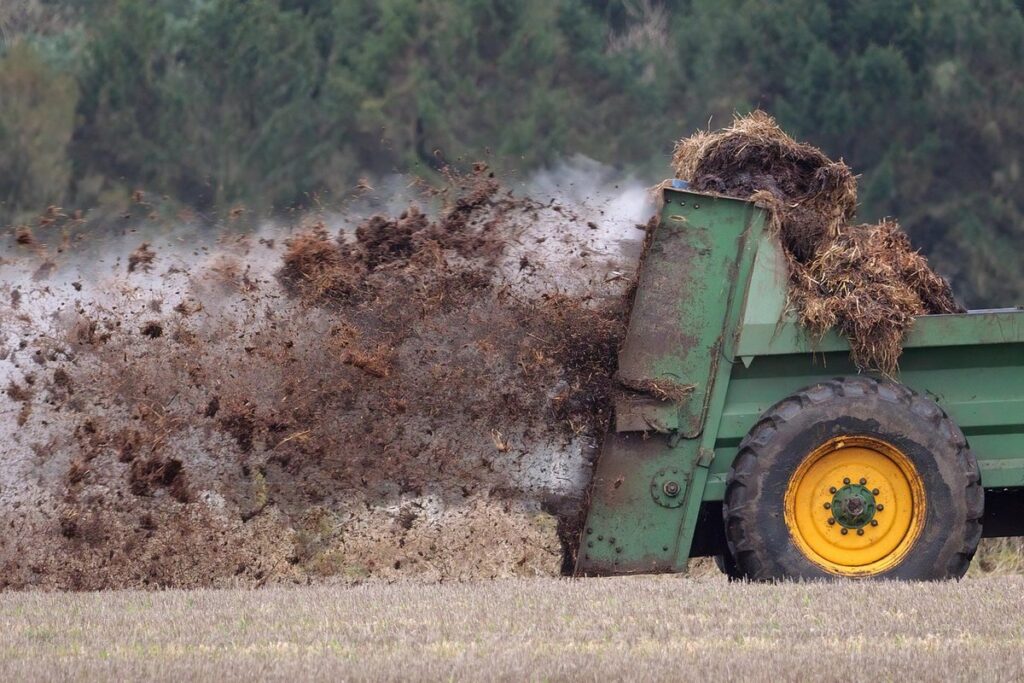
Understanding the Importance of Chicken Manure in Composting
When it comes to creating nutrient-rich soil, understanding why chicken manure is a valuable compost ingredient can help you make informed decisions about its use in your garden. It’s also essential for proper composting ratios.
Benefits of Using Chicken Manure in Compost
When incorporating chicken manure into compost, you’ll reap numerous benefits that can transform your soil into a nutrient-rich haven for your plants. One of the most significant advantages is its high nitrogen content, which makes it an excellent addition to compost piles. Chicken manure contains around 5-7% nitrogen by volume, making it a valuable asset for enriching soil.
Another benefit of using chicken manure in compost is its ability to improve soil structure. As it breaks down, the organic matter helps to increase soil’s water-holding capacity, reduce erosion, and promote healthy microbial activity. This, in turn, enhances root growth, fertility, and overall plant health.
To maximize these benefits, ensure you balance your compost pile with carbon-rich materials like leaves or straw to prevent ammonia burn-off. A general rule of thumb is to maintain a ratio of 2/3 “brown” materials (carbon-rich) to 1/3 “green” materials (nitrogen-rich), including chicken manure.
Challenges Associated with Chicken Manure Composting
Composting chicken manure can be a rewarding process, but it’s not without its challenges. One of the most common issues is unpleasant odors. When chicken manure is not adequately aerated, it can ferment and produce strong ammonia smells that are difficult to eliminate. To avoid this problem, make sure to turn your compost pile regularly, adding materials like straw or shredded newspaper to absorb excess moisture and reduce odor.
Another issue you may encounter is pests, such as rodents, flies, and ants. These critters are attracted to the nutrient-rich content of chicken manure and can quickly multiply if not controlled. To prevent infestations, keep your compost pile covered with a tarp or wire mesh to block entry points, and ensure that it’s located in an area with good air circulation.
Nutrient imbalances can also arise when composting chicken manure. Too much nitrogen from the manure can lead to excessive ammonia production, while too little carbon-rich materials like leaves or straw can cause your compost to become sour. To avoid this problem, maintain a balanced mix of 2/3 brown materials (like dry leaves) and 1/3 green materials (like chicken manure), ensuring that each batch is well-aerated to facilitate optimal decomposition.
Determining Optimal Chicken Manure Compost Ratios
To create a balanced compost, you’ll need to determine the optimal ratio of chicken manure to other materials, taking into account their nitrogen and carbon levels.
Factors Affecting Compost Ratio
When creating optimal chicken manure compost ratios, it’s essential to consider several key factors that can significantly impact the effectiveness of the process. The carbon-to-nitrogen (C:N) ratio is one such factor, as an imbalance can lead to unpleasant odors or even toxic compounds.
A general rule of thumb for chicken manure is a 20:1 C:N ratio, with 80% being “wet” materials like manure and 20% being “dry” materials like straw. However, this ratio may need to be adjusted based on the moisture content of your compost pile.
Maintaining adequate moisture – between 40-60% – is also crucial for microbial activity and decomposition. Drying out can slow down the process or even lead to anaerobic conditions, which can produce ammonia gas and unpleasant odors.
Proper aeration is another critical factor in achieving optimal chicken manure compost ratios. Ensure that your pile is at least 3-4 feet high to allow for adequate airflow between materials and the surroundings. Regular turning of the pile will also help promote oxygenation and prevent anaerobic conditions.
Recommended Chicken Manure Compost Ratios
When establishing ideal chicken manure compost ratios, it’s essential to consider the Carbon (C) to Nitrogen (N) ratio. This balance is crucial for maintaining optimal microbial activity and preventing odors during the composting process.
Typically, a C:N ratio of 25:1 or higher is recommended for chicken manure composting, with some studies suggesting a range of 30:1 to 40:1. However, this can vary depending on factors like moisture levels, temperature, and the specific type of carbon-rich materials being added.
In practice, you might mix 2-4 parts chicken manure with 10-20 parts dry leaves or straw, creating a balanced C:N ratio of around 30:1. Another approach is to add a nitrogen-rich material like blood meal or alfalfa meal to dilute the high-nitrogen content of the chicken manure.
It’s worth noting that these ratios are guidelines rather than hard and fast rules. The key is to observe your compost pile, adjusting the mix as needed to achieve optimal decomposition rates and minimizing odors.
Preparing Chicken Manure for Composting
Before you start composting, it’s essential to prepare your chicken manure by removing any large chunks and mixing it with other carbon-rich materials. This step ensures even decomposition and reduces odors.
Collecting and Storing Chicken Manure
Collecting and storing chicken manure is crucial for maintaining its quality and ensuring it remains free from contaminants. To do this effectively, it’s essential to have a designated collection area where manure can be gathered without coming into contact with other waste or potential contaminants.
One of the most effective ways to collect chicken manure is through the use of manure trays or slatted floors in coop designs. These allow droppings to fall directly into a designated area, making it easier to remove and store the manure.
When collecting manure, make sure to wear gloves to prevent exposure to pathogens and bacteria. Also, ensure that the collected manure is kept away from standing water, as this can create an ideal breeding ground for pests and diseases.
It’s also crucial to balance storage with aeration. You’ll want to store your chicken manure in a well-ventilated area, but keep it covered to prevent contamination by external materials such as leaves or debris. This will help maintain the high nutrient value of the manure, ensuring that when you’re ready to compost, the ratio is optimal.
Remember, clean and dry conditions are key to maintaining the quality of your chicken manure. By following these simple steps, you can keep your manure in top condition, perfect for creating a rich nutrient mix with your compost ratios.
Ensuring Proper Mixing with Carbon-Rich Materials
When working with chicken manure, it’s essential to balance out its high nitrogen content by blending it with sufficient carbon-rich materials. This is because too much nitrogen can lead to a compost pile that’s prone to overheating and potential burn-off of valuable nutrients.
Think of it like cooking: just as you wouldn’t put an entire bottle of hot sauce in one dish, you shouldn’t add too much chicken manure to your compost mix without balancing it out. Carbon-rich materials like straw or wood chips help absorb excess nitrogen, creating a balanced environment for microorganisms to thrive and break down the organic matter.
A general rule of thumb is to aim for a 2:1 ratio of “brown” carbon-rich materials to “green” nitrogen-rich materials. For example, if you’re adding 10 pounds of chicken manure, you’d also add 5 pounds of straw or wood chips. This will help maintain the right balance and ensure your compost pile stays healthy and productive throughout the process.
Managing Chicken Manure Composting Processes
To successfully compost chicken manure, it’s essential to understand how to manage different stages of decomposition for optimal nutrient retention. This includes monitoring moisture levels and turning piles as needed.
Monitoring Temperature and Moisture Levels
Monitoring temperature and moisture levels is crucial during chicken manure composting to prevent pathogens and optimize nutrient retention. Pathogens can thrive in temperatures between 40°F and 140°F (4°C and 60°C), which can lead to the production of ammonia and other volatile organic compounds. To track temperature, you’ll need a thermometer that can withstand high temperatures. Place it in the pile at different depths to get an accurate reading.
Moisture levels are equally important; composting requires adequate moisture to facilitate decomposition. Aim for a mix of “as-is” materials (chicken manure) and bulking agents (like straw or shredded newspaper) to maintain optimal moisture levels between 50-60%. Excessive dryness can lead to incomplete decomposition, while overwatering can result in anaerobic conditions that promote pathogens. Regularly monitor both temperature and moisture levels by checking the pile daily, ideally at the same time each day, to ensure they remain within the ideal range.
Remember, composting is a dynamic process; temperatures may fluctuate, and moisture levels may change as new materials are added.
Turning and Aeration Techniques
When turning and aerating chicken manure compost piles, it’s essential to strike a balance between oxygen flow, decomposition speed, and odor control. There are several methods you can use to achieve this balance.
One popular method is the “window” technique, where you create a narrow, open space in the center of the pile by removing some of the material. This allows for efficient airflow and reduces odors. Another approach is to use aeration tools like pitchforks or shovels with long handles, which enable you to turn the compost without having to physically enter the pile.
Regular turning is also crucial, as it helps speed up decomposition and prevents matting. Aim to turn your pile every 7-10 days, depending on the size of the pile and the temperature inside. You can also use passive aeration methods like adding a layer of finished compost or using aeration grids to maintain oxygen flow.
To minimize odors, make sure to add adequate carbon-rich materials like straw or shredded newspaper to balance out the nitrogen-rich chicken manure. This will help create an optimal C:N ratio and promote healthy decomposition. By implementing these turning and aeration techniques, you’ll be able to create nutrient-rich soil while minimizing unpleasant odors.
Analyzing and Evaluating Compost Quality
Now that you have your ideal compost ratio, it’s essential to assess the quality of your finished compost. How do you determine if your compost is nutrient-rich and ready for use?
Testing Compost Nutrient Levels
Testing compost nutrient levels is crucial for achieving optimal soil health and fertility. Accurate measurements of nitrogen (N), phosphorus (P), and potassium (K) content ensure that your chicken manure compost is providing the necessary nutrients to support plant growth.
When analyzing a compost sample, you’ll want to look at the C:N ratio, which should be between 20:1 and 35:1 for optimal decomposition. A simple nitrogen test can be conducted using a pH meter or a Nitrogen Testing Kit, which provides instant results. Phosphorus levels can be tested using a phosphorus test kit, while potassium content is typically measured through a soil testing laboratory.
To get accurate readings, collect a representative sample of compost from the pile, avoiding any contamination or debris. Use this data to adjust your compost ratios as needed, ensuring that your final product meets the optimal NPK levels for your specific crops and soil type. Remember, it’s always better to err on the side of caution and slightly under-fertilize than over-fertilize with potentially toxic levels of nutrients.
Assessing Compost pH and Physical Characteristics
When it comes to composting chicken manure, understanding its pH level and physical characteristics is crucial to ensure that your finished product meets optimal standards for soil amendment. To evaluate the pH level of your compost, you’ll need a pH meter or testing kit. A pH range of 6.0-7.0 is ideal for most plants, but chicken manure tends to be more alkaline. Aim for a slightly acidic to neutral pH between 5.5-6.5.
In terms of physical characteristics, compost should have a crumbly texture that resembles potting soil. If it’s too wet or soggy, it may attract pests and create anaerobic conditions. Conversely, if it’s too dry, nutrients won’t be released evenly. A good rule of thumb is to check the moisture level by squeezing a handful of compost – it should form a crumbly ball that breaks apart easily.
To ensure optimal physical characteristics, aim for a 1:1 ratio of carbon-rich materials (like straw or shredded newspaper) to nitrogen-rich materials (like chicken manure). Regular turning and monitoring will help you achieve the right balance.
Safety Considerations and Best Practices
To ensure a safe and effective composting process, let’s review essential safety considerations and best practices for creating nutrient-rich soil using chicken manure. Proper precautions will prevent common mistakes.
Health Risks Associated with Chicken Manure Handling
Handling chicken manure can pose significant health risks if not managed properly. One of the primary concerns is the transmission of pathogens such as Salmonella and E. coli. These bacteria can be present in the manure, even after it has been composted, and can cause severe gastrointestinal illnesses if ingested or come into contact with open wounds.
In addition to pathogen transmission, handling chicken manure can also trigger allergic reactions in some individuals. The high concentration of ammonia in the manure can cause respiratory issues, such as asthma-like symptoms, and skin irritation.
To minimize these risks, it’s essential to handle chicken manure with caution. Wear protective gloves, a face mask, and eyewear when handling the material. Ensure good ventilation when working with the manure, and wash your hands thoroughly afterward. Regularly clean and disinfect equipment used for handling chicken manure to prevent cross-contamination.
In an ideal scenario, composting chicken manure at an optimal ratio (typically between 20-30% manure) can help reduce pathogens and ammonia levels, making it safer to handle. However, even with proper composting, it’s crucial to exercise caution when handling the material to avoid potential health hazards.
Implementing Safe Composting Protocols
When handling chicken manure composting, safety should always be the top priority. To minimize risks, it’s essential to follow safe composting protocols. Start by using proper equipment for turning and aerating the pile, such as a robust pitchfork or a compost turner with a long handle to maintain distance from the compost. This will prevent the risk of anaerobic conditions developing due to inadequate airflow.
Ensure good ventilation in your composting area to reduce odors and moisture buildup. This can be achieved by maintaining an adequate pile height, turning the compost regularly, and providing sufficient space for air circulation between piles. Additionally, invest in personal protective gear such as gloves, goggles, and a face mask when handling manure or exposed compost.
Regularly inspect your equipment and composting area to identify any potential hazards. Keep the area clean and well-maintained to avoid attracting pests and vermin that can spread disease.
Frequently Asked Questions
What are the ideal conditions for storing chicken manure before composting?
For optimal composting, it’s essential to store chicken manure in a well-ventilated area, protected from direct sunlight and extreme temperatures. This helps prevent odors and reduces the risk of contamination. Store it in a dry, covered bin or container with adequate airflow to maintain a stable carbon-to-nitrogen ratio.
How can I determine if my compost pile is too wet or too dry?
Regularly monitoring temperature and moisture levels is crucial for successful composting. A well-balanced compost pile should have a mix of brown (dry) and green (wet) materials, with the ideal moisture level being around 50-60%. If your compost is too wet, it may be anaerobic, while excessive dryness can lead to slow decomposition.
Can I use chicken manure from multiple sources in my compost pile?
When combining chicken manure from different sources, ensure that all materials have been properly collected and stored. This helps minimize the risk of contamination and maintains a consistent quality. Also, consider the varying nutrient levels and pH levels of each source to achieve optimal compost ratios.
What are some common mistakes beginners make when creating their first compost pile?
One common mistake is overestimating the nitrogen content of chicken manure. It’s essential to balance it with sufficient carbon-rich materials to prevent anaerobic conditions and odors. Another oversight is inadequate mixing, leading to uneven decomposition rates. Regular monitoring and maintenance can help mitigate these issues.
How often should I turn my compost pile for optimal aeration?
Turning your compost regularly (every 7-10 days) helps maintain oxygen flow and prevents matting. However, the frequency may vary depending on the size of your pile and the materials used. Monitor temperature and moisture levels to determine when turning is necessary. Aim for a consistent balance between decomposition rates and aeration requirements.