
As a poultry farmer, you know how quickly a disease outbreak can spread through your flock, devastating your business and causing significant financial losses. That’s why maintaining strict biosecurity measures is essential to safeguarding your chicken farm from disease outbreaks. But what exactly does that entail? In this article, we’ll delve into the world of quarantine biosecurity, exploring expert tips on how to maintain a clean environment, manage visitor access, and promote bird immunity through vaccination strategies. We’ll also discuss comprehensive quarantine procedures that will help you contain any potential health threats before they spread. By implementing these measures, you can protect your birds, prevent disease outbreaks, and ensure the long-term sustainability of your chicken farm. Let’s get started!
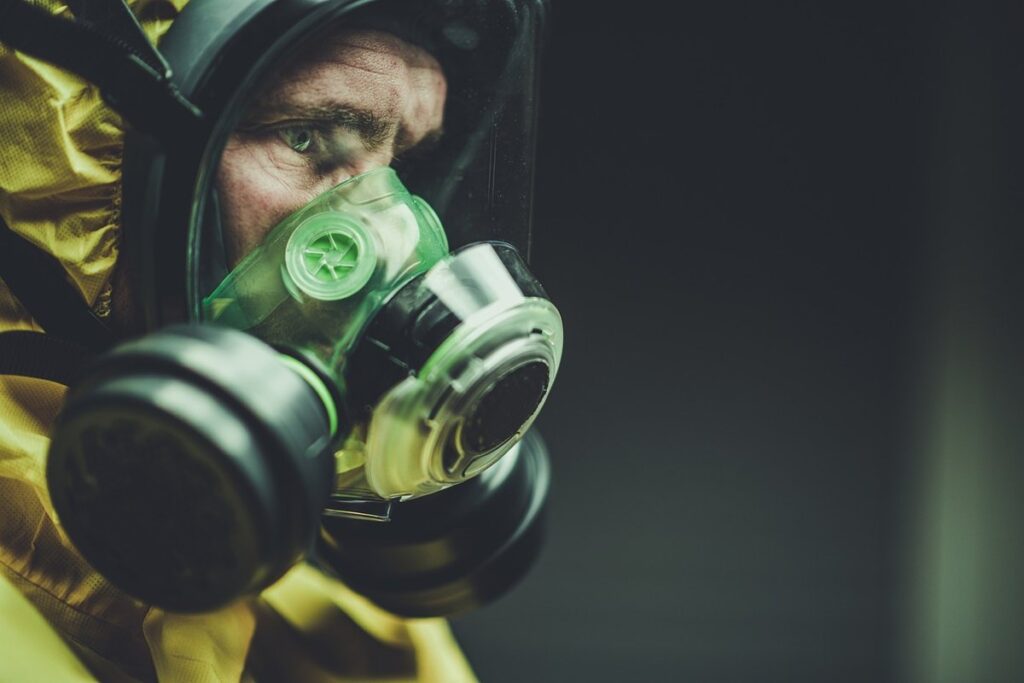
Understanding the Importance of Biosecurity in Poultry Production
In order to fully grasp the significance of biosecurity measures, you need to understand how easily disease can spread through your flock and contaminate the farm. Let’s break down the key factors at play.
The Risks of Disease Outbreaks
Disease outbreaks on poultry farms can have severe and far-reaching consequences. Financial losses are one of the most significant risks, as disease outbreaks can lead to reduced egg production, decreased farm productivity, and ultimately, a substantial loss of revenue. In fact, according to the World Organisation for Animal Health (OIE), disease outbreaks can result in losses ranging from 10% to 50% or more of a flock’s value.
Beyond financial considerations, disease outbreaks also pose significant animal welfare concerns. When birds fall ill, they often experience stress, discomfort, and pain, which can lead to reduced quality of life and even death. Moreover, disease outbreaks can spread quickly through a farm, putting the entire flock at risk. To mitigate these risks, it’s essential for poultry farmers to prioritize biosecurity measures, such as implementing strict sanitation protocols, monitoring bird health closely, and taking prompt action in case of an outbreak. By doing so, they can protect their flocks from disease and ensure the long-term sustainability of their farms.
Defining Biosecurity and Its Role in Preventing Disease Spread
Biosecurity is a critical aspect of poultry production that plays a vital role in preventing disease spread among chicken populations. At its core, biosecurity refers to the practices and procedures implemented to minimize the risk of disease introduction and transmission within a flock. This can be achieved through various measures, including strict hygiene protocols, isolation of new birds, and implementation of disinfection schedules.
A comprehensive biosecurity plan is essential for safeguarding flocks from various diseases. This involves identifying potential sources of infection, such as wild animals or contaminated feed, and taking proactive steps to prevent their entry onto the farm. For instance, a well-designed quarantine system can help isolate new birds until they are deemed healthy enough to integrate with the main flock.
By investing time and resources into biosecurity measures, poultry farmers can significantly reduce the risk of disease outbreaks and protect their flocks from costly health issues.
Implementing Effective Biosecurity Measures on Your Farm
Now that we’ve covered the importance of quarantining new birds, let’s dive into implementing effective biosecurity measures to prevent disease from spreading on your farm. This involves several key strategies and habits.
Establishing a Clean Environment for Your Chickens
Maintaining a clean environment is crucial for preventing disease outbreaks among your chickens. When it comes to chicken quarantine biosecurity, a spotless coop and surrounding area can make all the difference. Regular cleaning and disinfection of coops, equipment, and areas where your birds interact with their surroundings are essential tasks that shouldn’t be neglected.
Create an effective sanitation schedule by dividing tasks into daily, weekly, and monthly chores. For instance, daily tasks might include removing soiled bedding, replenishing fresh water, and ensuring adequate ventilation. Weekly duties may involve thoroughly cleaning feeders, waterers, and droppings boards with a disinfectant solution. Monthly tasks can be more intensive, like scrubbing the coop walls and floor, and replacing old bedding.
Remember to pay attention to detail and target high-touch areas where disease-causing pathogens are most likely to accumulate. Disinfect any equipment or tools that come into contact with your birds’ environment. By prioritizing cleanliness and implementing a structured sanitation schedule, you’ll significantly reduce the risk of disease transmission among your flock.
Managing Visitor Access and Handling Practices
Limiting visitor access to the farm is crucial for maintaining biosecurity. Establish clear protocols for admitting visitors, including advance notice and a designated meeting point. Ensure that all visitors are aware of the farm’s biosecurity policies before entering the premises. This can be achieved through a pre-visit briefing or by having them sign an acknowledgement form.
Personal Protective Equipment (PPE) is essential for preventing disease transmission. Visitors should wear PPE such as gloves, masks, and coveralls when on the farm. Employees and contractors should also adhere to strict hygiene protocols, including hand sanitizing, regular washing of equipment, and cleaning living areas. Regular training sessions can help reinforce these practices.
When hiring new staff or contractors, ensure they are aware of your biosecurity measures from the outset. Provide clear guidance on procedures for handling birds, feed, and equipment. This includes proper disinfection protocols and the use of designated cleaning supplies. By maintaining a rigorous approach to visitor access and hygiene practices, you can significantly reduce the risk of disease transmission within your flock.
Chicken Quarantine Procedures: Isolating Sick Birds
When a bird falls ill, isolating it from your flock is crucial to preventing the spread of disease. This section will walk you through the steps for safely quarantining sick chickens.
Identifying Suspected Cases of Disease
When it comes to identifying suspected cases of disease within your flock, being vigilant and proactive is crucial. Common chicken diseases like avian influenza, salmonellosis, and Newcastle disease can have devastating consequences if left unchecked.
To identify potential cases, look out for signs such as unusual behavior, lethargy, labored breathing, or changes in appetite and droppings. Keep an eye on birds that are consistently lagging behind or showing less interest in food and water. Be aware of any unusual coughing, sneezing, or feather loss.
If you notice any of these symptoms, it’s essential to take prompt action by isolating the affected bird(s) immediately. This will prevent the spread of disease within your flock and reduce the risk of infection for other birds and humans on your farm. Keep in mind that some diseases can be contagious even before showing visible symptoms, so don’t wait – act fast.
In many cases, quarantine is most effective when done early, as it gives you time to gather information about the affected bird(s) and take corrective action. This might include consulting a veterinarian or taking steps to disinfect your coop and equipment.
Setting Up a Quarantine Area
Setting up a quarantine area is a crucial step in isolating sick birds and preventing the spread of disease within your flock. When selecting a location for your quarantine area, consider factors such as proximity to your main coop, accessibility, and ease of cleaning. Ideally, it should be a separate building or enclosed area that can be sealed off from the rest of the farm.
When preparing equipment for your quarantine area, make sure you have all necessary supplies on hand, including clean bedding, food and water containers, and any required medications. It’s also essential to establish protocols for isolating sick birds, such as:
* Removing affected birds immediately upon discovery
* Cleaning and disinfecting the quarantine area thoroughly between bird admissions
* Providing separate feeding and watering equipment for each bird in isolation
* Monitoring bird health closely and consulting a veterinarian if necessary
By following these guidelines, you can help minimize the risk of disease transmission and protect your flock’s overall health. Regularly review and update your protocols to ensure they remain effective and reflect any changes in your farm’s needs or disease prevalence.
Vaccination Strategies and Disease Prevention
When it comes to protecting your flock, a solid vaccination strategy is crucial. This includes choosing the right vaccinations for your birds and implementing an effective disease prevention plan.
Types of Chicken Vaccines and Their Applications
When it comes to protecting your flock from disease, vaccination is a crucial aspect of chicken quarantine biosecurity. There are several types of chicken vaccines available, each with its own unique applications and benefits. Live attenuated vaccines, for example, expose chickens to a weakened form of the virus or bacteria, stimulating their immune system without causing the full-blown disease.
Inactivated vaccines, on the other hand, use killed viruses or bacteria to stimulate an immune response. These are often used in combination with other vaccination methods to provide long-term protection. Another type is subunit vaccines, which only contain specific components of the virus or bacteria, such as proteins or sugars.
When selecting a vaccination program for your flock, it’s essential to consider factors like disease prevalence, flock size, and age. For instance, if you’re dealing with a highly contagious disease like avian influenza, a live attenuated vaccine may not be the best option due to potential risks of transmission. In such cases, inactivated vaccines or other safer alternatives might be more suitable.
By choosing the right type of vaccine for your flock, you can effectively prevent disease outbreaks and maintain healthy birds. Always consult with a veterinarian to determine the most effective vaccination program for your specific situation.
Boosting Immunity through Nutrition and Management Practices
Boosting Immunity through Nutrition and Management Practices is crucial for maintaining a healthy flock. A well-balanced diet is essential to enhance bird immunity and reduce disease susceptibility. When it comes to feed quality, look for nutritious options that are rich in vitamins and minerals such as vitamins A, D3, E, and K which help support the immune system.
In addition to optimizing feed quality, managing stress levels can also have a significant impact on your flock’s overall health. Chickens under stress are more susceptible to disease, so it’s essential to create a peaceful environment for them. Provide adequate space for exercise and ensure proper ventilation in the coop.
Promoting a healthy environment is another critical aspect of boosting immunity. Maintain cleanliness and hygiene practices by regularly cleaning feeding and watering equipment, and removing waste and debris from the coop. This will help prevent the spread of disease and promote overall health among your flock.
Monitoring and Responding to Disease Outbreaks
When a disease outbreak occurs, swift action is crucial to prevent further spread. This section explains how to monitor your flock’s health closely and respond quickly in case of an emergency.
Detecting Early Warning Signs of Disease
Monitoring your flock regularly is crucial to detecting early warning signs of disease. As a chicken keeper, you need to be vigilant and recognize abnormal behavior, changes in appetite or egg production, and other indicators of potential health issues.
Pay attention to sudden changes in your flock’s behavior, such as lethargy, loss of appetite, or increased drooping. These can be indicative of various diseases, including respiratory infections like Newcastle disease. For example, if you notice that some birds are hiding more than usual or seem reluctant to move around, it could be a sign of illness.
Changes in egg production are also significant indicators. If you notice a sudden drop in egg numbers or an increase in poor-quality eggs, it may indicate a health issue affecting your flock’s reproductive system. Look for other subtle changes, such as unusual droppings, vomiting, or labored breathing.
Regular monitoring can help you identify potential issues before they escalate into full-blown outbreaks. Set aside time each day to observe your flock, take note of any changes, and consult with a veterinarian if you’re unsure about their health.
Developing an Emergency Response Plan
A comprehensive emergency response plan is essential for mitigating the impact of a disease outbreak on your flock. This plan should be tailored to your specific operation and address key areas such as contact with veterinary services, regulatory authorities, and containment procedures.
To develop an effective plan, start by identifying local veterinary services that can provide rapid support in case of an emergency. Ensure you have their contact information readily available and keep it up-to-date. Consider establishing a relationship with a local veterinarian who is familiar with your operation and can provide guidance on disease management and control measures.
In the event of a suspected outbreak, alert regulatory authorities immediately to prevent further spread of the disease. This may include contacting national or state animal health authorities as well as local health departments. Contain affected areas promptly by isolating birds and restricting access to minimize exposure risk.
When drafting your emergency response plan, consider including detailed protocols for:
• Contacting veterinary services and regulatory authorities in case of an outbreak
• Implementing containment measures to prevent further spread of disease
• Monitoring and reporting procedures for suspected outbreaks
• Communication strategies with farm staff, veterinarians, and regulators
Best Practices for Biosecurity Maintenance and Improvement
To maintain a secure quarantine, it’s essential to establish and follow best practices that prevent disease transmission among your flock. This includes regular cleaning, disinfecting, and monitoring of all equipment and facilities.
Regularly Reviewing and Updating Your Biosecurity Plan
Regularly reviewing and updating your biosecurity plan is crucial to maintaining a safe and healthy flock. As your farm operations change or new diseases emerge, it’s essential to reassess your current practices to ensure they remain effective.
Start by conducting routine audits of your biosecurity measures, including everything from cleaning protocols to visitor policies. Walk through the facilities with fresh eyes, identifying areas where improvements can be made. Consider factors like employee hygiene, feed and water quality, and waste management. Are there any gaps in your plan that could compromise the integrity of your quarantine area?
As you review your biosecurity plan, ask yourself: “What worked well last year?” “What didn’t quite meet expectations?” “Are there new threats on the horizon that require special attention?” Document your findings and make necessary adjustments to keep your flock safe. Remember, a strong biosecurity plan is a living document – it’s meant to evolve with your operation and adapt to changing circumstances.
By regularly reviewing and updating your biosecurity plan, you’ll be better equipped to prevent disease outbreaks and protect the health of your chickens.
Continuous Training and Education for Farm Personnel
As you implement and maintain chicken quarantine biosecurity measures on your farm, it’s essential to remember that ongoing training and education for personnel is a critical component of a robust biosecurity program. Without continuous learning and improvement, even the most stringent protocols can be undermined by human error or complacency.
To foster a culture of continuous learning within your organization, start by conducting regular training sessions on best practices in biosecurity, disease prevention, and management. This can include workshops, seminars, or online courses that address topics such as proper cleaning and disinfection procedures, personal protective equipment use, and monitoring for signs of disease.
It’s also crucial to recognize that training is an ongoing process, not a one-time event. Encourage personnel to ask questions, report concerns, and share insights on how to improve protocols. Make time for regular debriefs after incidents or near-misses, and use these opportunities to discuss what went wrong and how it can be prevented in the future.
By prioritizing continuous learning and improvement within your organization, you’ll create a strong foundation for maintaining effective chicken quarantine biosecurity measures and protecting your flock from disease.
Frequently Asked Questions
How can I ensure that my farm’s biosecurity plan is regularly reviewed and updated?
Regular review and update of your biosecurity plan are crucial to its effectiveness. Schedule a quarterly review with your team to discuss any changes, new protocols, or areas for improvement. Consider conducting an external audit by a qualified professional to identify potential vulnerabilities and provide recommendations for enhancement.
What are the most common mistakes poultry farmers make when establishing a quarantine area?
Failing to isolate the quarantine area properly, inadequate disinfection, and insufficient training for farm personnel are common errors. Ensure that your quarantine area is designed with adequate ventilation, separate from living areas, and equipped with necessary equipment for disease management.
How can I balance visitor access with maintaining strict biosecurity measures?
Yes, it’s possible to strike a balance between visitor access and biosecurity. Implement measures such as restricted access to sensitive areas, mandatory health protocols (e.g., hand sanitizing), and designated visitor times to minimize disruptions to farm operations.
What role do vaccinations play in preventing disease outbreaks on poultry farms?
Vaccinations are an essential tool in disease prevention. By understanding the types of chicken vaccines available (e.g., live, inactivated) and their applications, you can develop a vaccination strategy tailored to your flock’s specific needs. Consider consulting with a veterinarian or poultry expert to determine the most effective approach for your farm.
Can I use home-made disinfectants on my farm instead of commercial products?
No, using home-made disinfectants is not recommended due to potential ineffectiveness and safety concerns. Stick to commercially available products that have been tested and proven to be safe and effective against common poultry pathogens. Always follow the manufacturer’s instructions for application and dilution ratios.