
If you’re like many backyard chicken enthusiasts, you’ve probably faced the stressful reality of losing flock members to predators. A secure chicken run is not just a luxury, but a necessity for any serious poultry keeper. With so many potential threats lurking in your neighborhood, from foxes and coyotes to hawks and stray dogs, it’s essential to take proactive measures to safeguard your backyard flock.
In this article, we’ll walk you through the process of designing, building, and maintaining a predator-proof chicken run that will give you peace of mind. We’ll cover expert tips on choosing the right materials, creating an effective layout, and utilizing deterrents to keep unwanted visitors at bay. Whether you’re a seasoned farmer or just starting out with your first backyard chickens, our guide will provide you with the knowledge and confidence to protect your flock from common predators like never before.
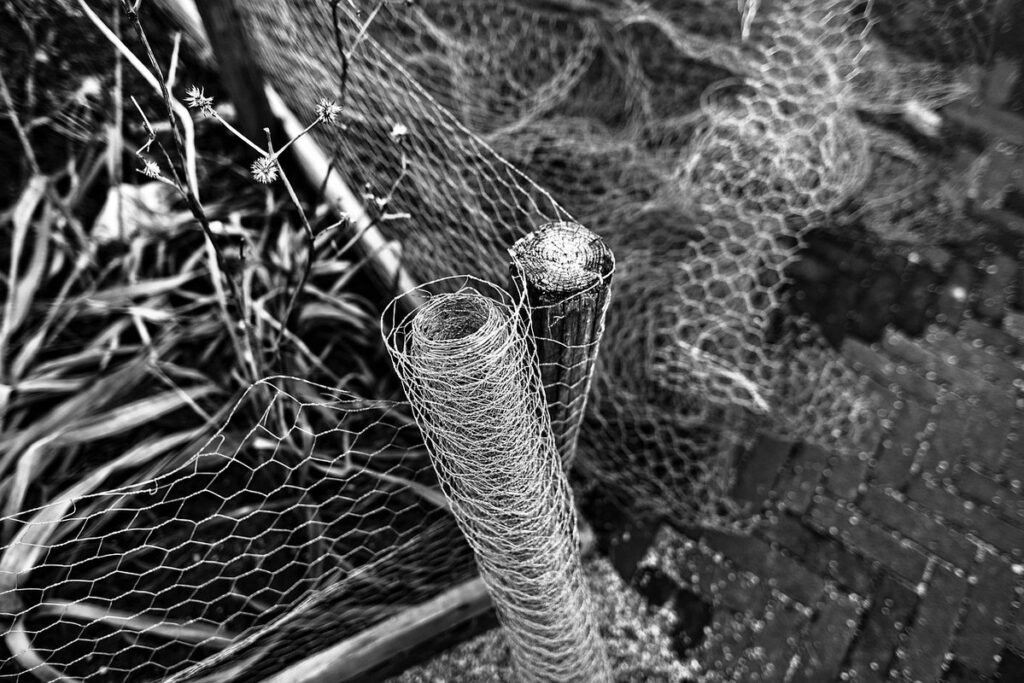
Understanding the Threats to Your Backyard Flock
When it comes to protecting your backyard flock, understanding the common predators that threaten them is crucial. Let’s explore the sneaky threats lurking in the shadows of your yard.
Common Predators of Chickens in Your Area
When it comes to protecting your backyard flock, understanding which predators are lurking in your area is crucial. The most common threats to chickens vary depending on your location, but some of the most notorious culprits include foxes, coyotes, hawks, owls, and domestic dogs.
Foxes, for instance, are cunning and adaptable predators that can easily slip into a run undetected. They’re particularly attracted to free-range birds, so it’s essential to keep your flock contained within a secure enclosure. Coyotes, on the other hand, are increasingly common in suburban areas, and their presence should be taken seriously. They’re skilled hunters that can easily jump over or dig under barriers.
To protect against aerial threats like hawks and owls, consider using netting or mesh with openings of no more than 1 inch to prevent talons from getting a grip. Domestic dogs are also a significant risk, especially if they’ve developed a taste for chicken flesh. Be vigilant about keeping your flock secure when letting your own dog into the yard, as even well-meaning pets can become opportunistic hunters in an instant.
Identifying Vulnerabilities in Your Chicken Run Design
When it comes to safeguarding your backyard flock, a well-designed and constructed chicken run is crucial. However, many people overlook this aspect, leaving their birds vulnerable to predator attacks. A poorly designed or built chicken run can be like an open invitation for predators to strike.
Consider the example of a fox breaking into a chicken coop through a weak enclosure or a raccoon exploiting a gap in the fencing. This is often due to a design or construction flaw that could have been easily avoided with some planning and attention to detail. Some common vulnerabilities include:
• Insufficient fencing height: Raccoons, opossums, and other climbing predators can easily scale low fences.
• Weak or rotting wood: Holes in the coop’s walls or floor provide easy entry points for foxes, coyotes, and weasels.
• Inadequate shelter: Predators often target birds that have no place to hide, making them an easy meal.
To identify potential vulnerabilities in your chicken run design, take a closer look at its layout, materials, and overall construction. Ask yourself these questions:
* Are the fences high enough and sturdy enough to prevent climbing?
* Is the coop’s structure sound and free from holes or gaps?
* Are there adequate shelter options for your birds?
By addressing these potential weaknesses, you can significantly reduce the risk of predator attacks and create a safer environment for your flock.
Designing an Effective Predator-Proof Chicken Run
When designing a predator-proof chicken run, it’s essential to consider multiple layers of protection to keep your flock safe from potential threats. Let’s dive into the details of creating an effective and secure enclosure.
Materials for Building a Secure Chicken Run
When it comes to building a predator-proof chicken run, using sturdy materials is crucial. Hardware cloth and wood are two of the most popular choices for their durability and effectiveness.
Hardware cloth, also known as hardware mesh, is an excellent option for covering the walls and floor of your chicken run. Its woven design creates a secure barrier that prevents predators from digging or clawing their way in. You can choose from various gauges (thicknesses) to suit your needs, but a minimum gauge of 1 inch is recommended.
Wooden posts and framing are also essential for building a sturdy chicken run. Use untreated wood to prevent chemical contamination and rot. Consider using pressure-treated wood for added durability, especially if you live in an area prone to termite infestations or high humidity.
When selecting materials, remember that your goal is to create a safe enclosure for your chickens while deterring predators. Be sure to choose materials with the right gauge or thickness to prevent damage and ensure easy maintenance.
Considerations for Run Size and Layout
When it comes to designing an effective predator-proof chicken run, one of the most critical considerations is ensuring that the run size and layout are suitable for your flock’s needs. A well-designed run can help minimize the risk of escape or predator entry, but a poorly designed one can put your chickens in harm’s way.
Aim for at least 8-10 square feet per chicken inside the run, with additional space for movement and exercise. This will not only keep your birds happy and healthy but also reduce stress caused by overcrowding. For example, if you have a flock of 5 chickens, your run should be at least 40-50 square feet.
Consider the shape and layout of the run as well. A rectangular or square shape is better than a long, narrow one, which can make it easier for predators to access the area. Also, think about including features like perches, roosts, and nesting boxes to provide your chickens with a comfortable and secure living space.
Make sure to leave enough room between the run’s fencing and any surrounding structures or obstructions to prevent easy access by predators. A good rule of thumb is to maintain at least 2 feet of clearance on all sides. This will help keep your flock safe from potential threats like foxes, coyotes, and stray dogs.
Installing Effective Deterrents and Barriers
Now that you have a safe and sturdy chicken run, it’s time to think about how to keep predators out for good. In this next crucial step, we’ll explore the best deterrents and barriers to safeguard your flock.
Hardware Cloth vs. Chicken Wire: Which is Better?
When it comes to preventing predator entry into your chicken run, two popular materials often come up: hardware cloth and chicken wire. While both can be effective deterrents, they have their differences.
Hardware cloth is a sturdy mesh made from metal wires that are woven together in a diamond pattern. It’s incredibly durable and resistant to damage from predators like raccoons and opossums. Hardware cloth is also relatively easy to install and can be used for fencing off large areas of the chicken run.
On the other hand, chicken wire is a more traditional material made from thin metal wires that are woven together in a mesh pattern. It’s lightweight and inexpensive but offers limited protection against determined predators. Chicken wire can easily be torn or chewed through by larger animals like coyotes and foxes.
In terms of effectiveness, hardware cloth is the clear winner when it comes to predator proofing your chicken run. Its dense weave makes it nearly impossible for even the most cunning predators to squeeze through. If you’re serious about keeping your flock safe, invest in high-quality hardware cloth.
Using Overhangs, Ledges, and Other Obstacles to Deter Predators
Using overhangs, ledges, and other obstacles can be an effective way to deter predators from accessing your chicken run. These physical barriers create a challenging terrain for predators to navigate, making it more difficult for them to reach your chickens.
For example, you can install a 3-foot wide overhang above the fence line to prevent raccoons or opossums from jumping over. The overhang should be at least 2 feet off the ground to ensure that even smaller animals like squirrels and cats cannot climb up.
Additionally, ledges with a 12-inch wide strip of wire mesh can be installed along the top of the fence to prevent birds of prey, such as hawks and owls, from swooping down. The mesh should be at least 3 feet off the ground to allow for easy cleaning and maintenance.
Remember to also consider the type of predator you’re trying to deter when choosing the right obstacles. For instance, if you have a fox problem, you may want to install taller fencing or more extensive overhangs to prevent them from jumping or climbing over.
Securing the Top of Your Chicken Run
To keep those sneaky predators out, it’s essential to focus on securing the top of your chicken run where they’re most likely to gain entry. This section explains how to make the top secure.
Covering the Roof: Options and Considerations
When it comes to securing the top of your chicken run, choosing the right roofing material is crucial. You’ll want something that’s sturdy enough to withstand weather conditions and predator attempts to breach the enclosure. Here are some popular options for covering the roof of your chicken run.
Netting is a popular choice among backyard chicken keepers, as it allows for airflow and natural light while keeping predators out. Look for durable, 1-inch or smaller mesh netting that’s specifically designed for outdoor use. Hardware cloth is another option, offering excellent protection against diggers like raccoons and foxes. This metal mesh material comes in various gauges (thickness) – choose one with a 1/4-inch or smaller opening to prevent escape or predator entry.
Solid panels made of wood, plastic, or metal are also viable options for covering your chicken run roof. They offer maximum protection against aerial predators like hawks and owls, but may trap heat and moisture inside the enclosure. When selecting any of these options, consider factors such as durability, ease of installation, and predator-specific protection to ensure a secure and safe environment for your flock.
Ensuring Strong Attachments and Fasteners
When it comes to securing the top of your chicken run, ensuring that the roofing material is properly attached is crucial. Predators are notorious for trying to dislodge loose materials to gain access to your flock. To prevent this, you’ll want to use a sturdy attachment method that can withstand tampering.
A popular option is using self-tapping screws or weather-resistant wood screws to attach the roofing material directly to the run’s frame. Make sure to drill pilot holes for the screws to avoid splitting the wood. You can also use wire mesh or hardware cloth to cover any gaps between the roofing material and the run’s walls, adding an extra layer of protection.
Another consideration is the type of roofing material you choose. Avoid using loose materials like netting or chicken wire, as they can be easily dislodged by predators. Instead, opt for solid sheets of metal, plastic, or wood that are securely attached to the frame. With a little planning and preparation, you can create a predator-proof top on your chicken run that will keep your flock safe and secure.
Maintaining a Safe and Secure Chicken Run
To keep your flock safe, it’s crucial to regularly inspect your chicken run for any weaknesses that predators might exploit. Check fencing, gates, and other enclosures for damage or vulnerabilities.
Regular Inspections for Damage and Wear
Regular inspections are crucial to maintaining the integrity of your chicken run’s predator-proofing features. As with any structure, wear and tear can occur over time due to weather exposure, pest infestations, or accidents. A damaged fence or weak point is an invitation for predators like foxes, raccoons, and coyotes to invade your property.
To ensure your chicken run remains secure, set aside a specific schedule – ideally every 2-3 weeks during peak seasons (spring and fall) when wildlife activity increases. Start by visually inspecting the perimeter fence and posts for signs of damage:
* Loose or missing wire mesh
* Dented or corroded metal components
* Soft spots in wooden planks
* Torn or worn-out netting
Check also for other weaknesses such as gaps between fencing materials, loose or rotten boards, or exposed hardware. Make note of any issues and take prompt action to repair them before they become major problems. For minor damage, you can often fix the issue with basic DIY skills and inexpensive materials.
Keeping Your Flock Healthy and Vigilant
A healthy and vigilant flock is essential to a safe and secure chicken run. To keep your birds in top condition, make sure they have access to clean water at all times, fresh air, and adequate shelter from the elements. Regularly inspect their living space for signs of illness or stress, such as droopy wings, labored breathing, or unusual droppings.
Preventative care is also crucial in maintaining a healthy flock. Provide your birds with a balanced diet that includes a mix of grains, fruits, and vegetables. Consider consulting with a veterinarian to determine the best feed for your climate and region. Keep your chickens’ coop clean by removing soiled bedding and disinfecting surfaces regularly.
Keep your flock vigilant by introducing them to new sights, sounds, and smells to prevent boredom and stress. You can also try adding visual deterrents such as balloons or reflective tape to alert potential predators of the presence of humans.
Additional Tips and Considerations
As you finalize your chicken run predator proofing project, here are a few more things to keep in mind to ensure your flock stays safe. From maintenance to unexpected events, be prepared for anything.
Integrating Your Chicken Run with Existing Landscaping Features
When designing a chicken run, it’s essential to consider its integration with existing landscaping features. This not only enhances the overall aesthetic appeal but also ensures that your chickens have safe and easy access to their outdoor space.
For instance, if you already have a garden, you can position the chicken run along one of the garden paths. Not only will this create a seamless visual flow, but it will also allow your chickens to forage for bugs and weeds without trampling on your plants.
To achieve a harmonious integration, consider the following:
• Use materials that complement your existing landscaping features, such as matching fencing or gate styles.
• Position the chicken run in a way that doesn’t block sunlight or obstruct views from adjacent areas of your garden.
• Consider incorporating garden paths or walkways around the chicken run to create a sense of continuity.
By thoughtfully integrating your chicken run with your existing landscaping features, you can create a cohesive and functional outdoor space for both your chickens and yourself.
Community Support and Online Resources for Predator-Proofing
As you work on predator-proofing your chicken run, it’s essential to know that you’re not alone. Many backyard chicken keepers have faced similar challenges and have shared their experiences, expertise, and resources online. To access these valuable assets, we’ve compiled a list of community support groups, online forums, and websites that can provide guidance, encouragement, and practical advice.
Start by joining online communities like Backyard Chickens or Chicken Forum, where you’ll find thousands of members sharing their knowledge and experiences on predator-proofing chicken runs. You can also connect with local bird-keeping clubs or attend workshops to network with fellow enthusiasts who may have valuable insights to share.
Some excellent resources for learning about predator-proofing include the USDA’s National Wildlife Damage Management Program and the Penn State Extension’s Poultry section, which offer a wealth of information on securing chicken runs from predators. Additionally, check out YouTube channels like Backyard Chickens or Modern Homestead for instructional videos and DIY tutorials.
Frequently Asked Questions
How do I know if my chicken run design is vulnerable to predators?
Before starting construction, take a walk around your property at dawn or dusk when predators are most active. Observe potential entry points and note areas where predators might easily access the run.
Can I use regular hardware cloth for my predator-proof chicken run, or do I really need the heavy-duty kind?
While regular hardware cloth can be a cost-effective option, it may not provide sufficient protection against determined predators like raccoons or opossums. For added security, invest in heavier-duty hardware cloth with openings of 1 inch or smaller.
What’s the best way to secure my chicken run’s roof and walls against strong winds?
Ensure all attachments and fasteners are overkill-proof by using at least two screws per section and ensuring they’re placed about an inch from each other. Consider adding a secondary attachment point for added stability, especially in areas prone to high winds.
How often should I inspect my chicken run for damage or wear, and what should I look for?
Regular inspections are crucial to maintaining your flock’s safety. Inspect the run at least once a month for signs of predation attempts, loose wires, or other vulnerabilities. Also, check all fasteners and attachments for wear or looseness.
Can I integrate my chicken run with existing landscaping features without compromising its security?
Absolutely! Incorporating plants like lavender or rosemary can even help deter predators naturally. Just be sure to secure any gaps between the run’s walls and surrounding vegetation to prevent access points from forming.