
Are you ready to get clucking familiar with one of the most fascinating aspects of chicken anatomy? The skeletal system, often overlooked but vital for their overall health and well-being. As we delve into the basics of a chicken’s skeletal system, you’ll discover why it’s not just about bones – it’s about how they grow, develop, and function in harmony with the rest of their body.
In this article, we’ll explore the unique characteristics that set chickens apart from mammals, including the types of bones, growth patterns, and how their skeletal system affects their health. You’ll learn what makes a chicken’s skeleton so special, from its lightweight yet robust construction to its remarkable ability to adapt to different environments. By understanding the intricacies of a chicken’s skeletal system, you’ll gain valuable insights into how to keep your feathered friends happy and healthy.
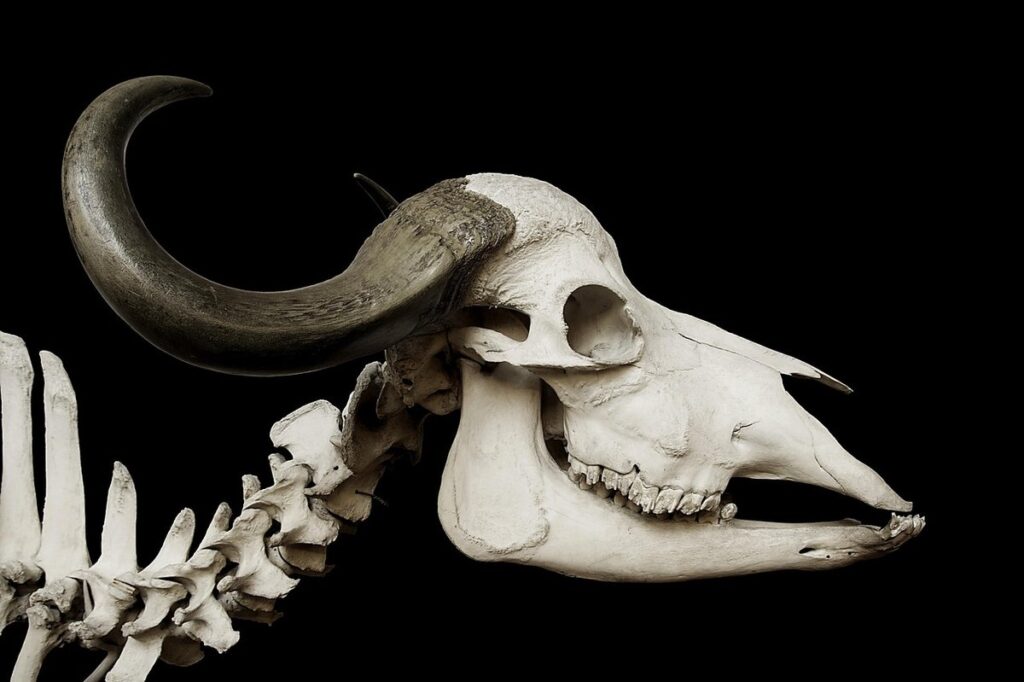
Understanding Chicken Anatomy
To truly grasp how chickens move and function, you need a solid understanding of their skeletal system’s basics, starting with the bones that make it all possible. Let’s break down the key components of chicken anatomy.
Overview of Avian Skeleton
The chicken skeletal system has several unique characteristics that set it apart from other bird species. One of the most notable features is its lightweight yet strong composition, which allows chickens to fly and move with ease. The skeleton is made up of hollow bones, a trait shared with many other birds, which helps reduce weight while maintaining structural integrity.
Chickens also have a keel bone, located on their breast, which serves as an anchor for the pectoral muscles that facilitate flight. Another distinctive feature is the presence of a pygostyle, a fused set of vertebrae at the base of the tail that supports the tail feathers and aids in balance.
In addition to these structural adaptations, chickens have a remarkable ability to recover from skeletal injuries due to their unique bone structure and growth patterns. This is particularly relevant for backyard chicken keepers who may need to manage injuries or health issues in their flock. Understanding these characteristics can help you better care for your chickens’ overall health and well-being.
Comparison to Mammalian Skeleton
When it comes to comparing the chicken skeleton to that of mammals, there are several key differences worth noting. One notable feature is the presence of hollow bones in chickens. Unlike mammals, which have solid, dense bones, many bird skeletons – including those of chickens – contain air-filled cavities within their bones. This unique characteristic provides several benefits, including reduced weight and increased mobility.
In addition to hollow bones, another distinct feature of the chicken skeleton is the existence of a wishbone, also known as the furcula. Found in the upper breast region, this fused collarbone serves as a crucial support structure for flight, allowing birds like chickens to soar with ease. The wishbone’s curved shape acts as a pivot point during wing movement.
These adaptations are just two examples of how the chicken skeleton diverges from its mammalian counterparts. By understanding these differences, you can gain a deeper appreciation for the remarkable anatomy of our feathered friends.
Bones of the Axial Skeleton
The axial skeleton provides support and protection for vital organs, consisting of the skull, spine, ribcage, and sternum. Let’s take a closer look at each of these key components.
Description of Vertebral Column
The chicken’s backbone is a complex and fascinating structure that provides support and flexibility to its body. The vertebral column, also known as the spine, consists of four main regions: cervical, thoracic, lumbar, and caudal vertebrae.
The cervical vertebrae (C1-C7) make up the neck region, allowing for a wide range of motion. These vertebrae are characterized by their small size and unique shape, with seven cervical vertebrae providing flexibility to the chicken’s head and neck. In contrast, the thoracic vertebrae (T1-T13) form the chest cavity and are much larger than the cervical vertebrae. They support the weight of the bird’s body and provide a stable base for its wings.
The lumbar vertebrae (L1-L5), located in the lower back region, are larger and more robust than the thoracic vertebrae. These vertebrae bear the weight of the chicken’s body and facilitate powerful movements during scratching, pecking, and perching. Finally, the caudal vertebrae form the tailbone, consisting of six or seven fused vertebrae that provide balance and stability to the bird.
Understanding the structure and function of each region is essential for maintaining a healthy skeletal system in chickens. By recognizing signs of weakness or injury in the backbone, chicken keepers can take steps to prevent further damage and ensure their flock remains mobile and active.
Ribcage Structure and Function
The ribcage is a vital part of the chicken skeletal system, serving as a protective shield for the heart and lungs. Comprising 24 ribs, the ribcage has an irregular shape, with each pair of ribs consisting of two adjacent ribs that curve around the body’s sides.
These curved ribs provide flexibility, allowing for expansion during deep breathing. The sternum, or breastbone, forms the front of the ribcage and provides additional support to this delicate structure. In chickens, the sternum is composed of three fused bones: the manubrium (upper part), the xiphoid process (lower part), and the body of the sternum.
When a chicken takes in air, its diaphragm descends, allowing the ribcage to expand outward and upward. This movement creates space for the lungs to inflate with oxygen-rich air, ensuring efficient respiration. The ribcage’s structure allows chickens to take quick, shallow breaths or deep, sustained ones as needed.
The unique shape of the ribcage plays a crucial role in maintaining balance and stability in chickens, especially during rapid movements like running. Its ability to adapt to changing demands on the respiratory system enables chickens to thrive in various environments and situations.
Appendicular Skeleton
The appendicular skeleton of a chicken is made up of the bones that connect to the axial skeleton and allow for movement, including the limbs, shoulder girdle, and pelvic area. Let’s take a closer look at each of these components.
Description of Limbs and Girdles
A chicken’s appendicular skeleton is comprised of their limbs and girdles, which are crucial for movement and support. The wings are formed by the humerus, radius, ulna, carpals, metacarpals, phalanges, and the patagium – a thin membrane that connects the wing to the body. The humerus, in particular, is responsible for supporting the body’s weight when perched. It is also the longest bone in the chicken’s upper limb.
The legs, on the other hand, are formed by the femur, tibiotarsus, tarsometatarsal bones, phalanges, and the pelvic girdle. The femur acts as a strut to support the body’s weight while standing or walking. It is also connected to the pelvis via powerful muscles that facilitate movement.
The tibiotarsus plays a vital role in supporting the body’s weight on its legs. This fusion of bones provides stability and reduces movement, allowing chickens to bear their weight more efficiently. When compared to other birds, chickens have robust limbs suited for scratching, pecking, and walking.
Pelvic Girdle and Muscles
The pelvic girdle is a vital component of the chicken’s appendicular skeleton, providing support and stability to the body. It consists of four bones: the ilium, ischium, and pubis, which fuse together during embryonic development to form the fused pelvic bone. This unique fusion provides added strength and protection for the reproductive organs.
The associated muscles play a crucial role in movement and locomotion. The gluteal muscles (gluteus maximus and medius) control hip extension and abduction, while the iliopsoas muscle assists with hip flexion. The pyriformis muscle is responsible for rotating the femur outward. Additionally, the adductor longus and brevis muscles work together to adduct the thigh.
In chickens, the pelvic girdle also serves as an anchor point for several ligaments that connect to other skeletal structures, such as the legs and tail. Understanding the anatomy of the pelvic girdle is essential for veterinarians and breeders when diagnosing or treating musculoskeletal issues in chickens.
Skeletal System Development
Let’s take a closer look at how your beloved backyard chickens develop their skeletal system, from egg to adulthood. This process is crucial for their growth and mobility.
Embryonic Development
During embryonic development, the formation of the chicken skeletal system is a complex and highly coordinated process. It begins around 24 hours after fertilization when the blastoderm, a mass of cells, forms on the surface of the yolk sac. The process can be broken down into several key milestones.
The first milestone occurs between 36-48 hours post-fertilization when the sclerotome, the precursor to vertebrae and ribs, begins to form. This is followed by the development of limb buds around 3-4 days after fertilization. By day 5, the skeletal system starts to take shape with the formation of long bones such as the femur and humerus.
Another critical milestone occurs between 7-10 days post-fertilization when cartilage models of the future skeleton begin to form. These cartilaginous templates will eventually ossify into bone through a process called endochondral ossification. By around 14-16 days, most of the major skeletal elements are in place and by day 18, the chicken embryo’s skeletal system is almost fully formed and ready for hatching.
Post-Hatch Skeletal Growth
After hatching, chicks undergo rapid skeletal growth to reach adult size. This growth is influenced by factors such as genetics, nutrition, and environment. A balanced diet rich in calcium, phosphorus, and other essential minerals is crucial for bone development.
As chicks grow, their bones gradually ossify and mature. The rate of this process varies depending on the breed, with some varieties reaching full skeletal maturity faster than others. For example, broiler chickens typically reach peak growth at around 4-5 weeks of age, while egg-laying breeds may take up to 16-20 weeks to mature.
To promote healthy bone growth in your flock, ensure they have access to adequate calcium and phosphorus through a well-balanced feed. You can also supplement their diet with crushed oyster shells or grit to support bone development. Regular exercise and a stress-free environment are also essential for maintaining overall health and promoting optimal skeletal growth. By paying attention to these factors, you can help your chickens reach their full skeletal potential.
Importance of Skeletal Health in Chickens
Understanding the importance of skeletal health in chickens is crucial for their overall well-being, as it directly affects their mobility and resistance to diseases. This section delves into the key aspects of skeletal health in chickens.
Factors Affecting Skeletal Health
Skeletal health in chickens is influenced by a complex interplay of factors. Nutrition plays a vital role, as inadequate or excessive intake of essential nutrients can impact bone growth and density. For instance, a diet deficient in calcium, phosphorus, and vitamin D3 can lead to rickets-like deformities in young birds. Conversely, over-supplementation with these nutrients can cause metabolic disorders.
Genetics also play a significant part in determining skeletal health. Some breeds are naturally more prone to osteoporosis or other bone-related issues due to their genetic makeup. For example, Leghorns are known to be susceptible to osteomalacia, a condition characterized by softening of the bones.
Environmental conditions, such as exposure to extreme temperatures, physical stress, and disease outbreaks, can also impact skeletal health. Chickens raised in cramped or poorly ventilated environments may develop musculoskeletal problems due to prolonged standing or walking on hard surfaces.
To promote optimal skeletal health in chickens, it’s essential to provide a balanced diet, maintain a healthy environment, and select breeds that are less prone to bone-related issues. Regular monitoring of flocks for signs of skeletal distress can also help prevent more severe problems from developing.
Consequences of Skeletal Disorders
Skeletal disorders can have far-reaching consequences for chickens, affecting not only their quality of life but also their overall health and productivity. One common disorder is Osteoporosis, a condition characterized by brittle bones that are prone to fractures. This often occurs due to inadequate calcium intake or other nutritional deficiencies. Symptoms include lethargy, loss of appetite, and visible deformities in the legs.
Another prevalent issue is Metabolic Bone Disease (MBD), caused by a lack of vitamin D3 and phosphorus in the diet. MBD can lead to softening of bones, making them susceptible to fractures. Chickens may exhibit signs such as difficulty walking or standing, swollen joints, and pale combs.
To manage these disorders, it’s crucial to provide a balanced and nutritious diet that includes adequate calcium, vitamin D3, and phosphorus. Regular veterinary check-ups can also help identify potential issues early on. Ensuring proper housing conditions, including adequate lighting and ventilation, is also essential for maintaining skeletal health in chickens.
Conclusion: Maintaining Healthy Chicken Skeletons
Now that you’ve learned the basics of a chicken’s skeletal system, let’s discuss how to maintain healthy bones and prevent common issues. We’ll cover key tips for optimal skeletal health.
Recap of Key Points
In recap, let’s review the essential information about the chicken skeletal system. You now understand the basics of their skeleton, including its classification into axial and appendicular skeletons, as well as the primary functions of each bone group.
The chicken’s skeleton is made up of 206 bones that work together to provide support, protection, and movement. Key takeaways from this guide include the identification of key skeletal features such as the keel, sternum, and wishbone (furcula). You’ve also learned about the role of cartilage in connecting bones at joints.
When maintaining healthy chicken skeletons, it’s essential to ensure they get enough calcium-rich foods in their diet. This includes providing a balanced commercial feed supplemented with fresh fruits and vegetables, such as dark leafy greens. Proper exercise and physical activity are also crucial for maintaining strong bones and preventing conditions like rickets or osteoporosis.
Remember, a chicken’s skeletal system is essential to its overall health and well-being. By understanding its intricacies and implementing healthy habits, you can help ensure your flock stays robust and resilient.
Recommendations for Skeletal Health Management
To promote healthy skeletal development and maintenance in chickens, it’s essential to provide them with a balanced diet rich in calcium, phosphorus, and other vital nutrients. Ensure that the feed is specifically formulated for growing or laying hens, as this will meet their unique nutritional needs. Provide free-choice access to oyster shells or crushed eggshells, which are excellent sources of calcium.
Regular exercise is also crucial for maintaining strong bones. Offer a variety of perches and roosts at different heights to encourage movement and prevent muscle weakness. Ensure the coop has adequate ventilation to prevent ammonia buildup, which can lead to respiratory issues that negatively impact skeletal health.
Monitor your flock regularly for signs of skeletal issues, such as bowed legs or difficulty walking. Implement proper sanitation practices to reduce the risk of diseases like ascites, which can cause respiratory problems and contribute to bone weakness. By following these recommendations, you’ll be well on your way to promoting healthy skeletal development in your chickens.
Frequently Asked Questions
What are some common skeletal disorders that can affect chickens, and how can I prevent them?
Common skeletal disorders in chickens include osteoporosis, rickets, and keel bone fractures. To prevent these conditions, ensure your flock has access to a balanced diet rich in calcium and vitamin D3. Regular exercise and providing adequate nesting boxes can also help reduce stress-related skeletal issues.
How does the lightweight yet robust construction of a chicken’s skeleton affect its overall health?
The unique composition of a chicken’s skeleton allows for efficient movement and energy conservation, which is essential for their survival in various environments. However, this characteristic also makes them prone to certain injuries and conditions, such as keel bone fractures.
Can chickens with skeletal issues still be used for egg production or meat?
Yes, some breeds are more resilient than others when it comes to skeletal health. If you’re concerned about your flock’s skeletal well-being, consult a veterinarian or poultry expert for guidance on maintaining their health and productivity.
How can I monitor my chicken’s skeletal health without causing them unnecessary stress?
Regularly inspect your birds’ feathers, beak, and eyes for signs of stress or discomfort. Monitor their behavior, appetite, and egg-laying patterns to identify potential skeletal issues early on. Consult a veterinarian if you notice any unusual changes.
Are there specific vaccinations or treatments that can help prevent skeletal disorders in chickens?
While no single vaccination can guarantee prevention, maintaining a healthy flock through regular vaccinations, parasite control, and biosecurity measures can significantly reduce the risk of skeletal disorders. Always consult with a veterinarian before administering any treatments or medications to your flock.