
If you’re a backyard chicken owner, you know that your feathered friends are more than just egg-laying machines. They’re individuals with unique personalities and quirks – like sneezing! Yes, chickens can sneeze, just like humans do. In fact, it’s not uncommon for chickens to let out a loud “Bock!” or two as they shake their heads and flap their wings in response to an irritation. But why do chickens sneeze? And more importantly, how can you prevent and treat sneezing in your flock to keep them healthy and happy?
In this article, we’ll explore the causes of chicken sneezing, from dust mites and allergies to respiratory issues and infections. We’ll also share expert tips on maintaining a clean and dry coop, as well as strategies for preventing and treating sneezing in your chickens. Whether you’re a seasoned backyard chicken owner or just starting out, this article will provide you with the information you need to keep your flock thriving – and sneeze-free!
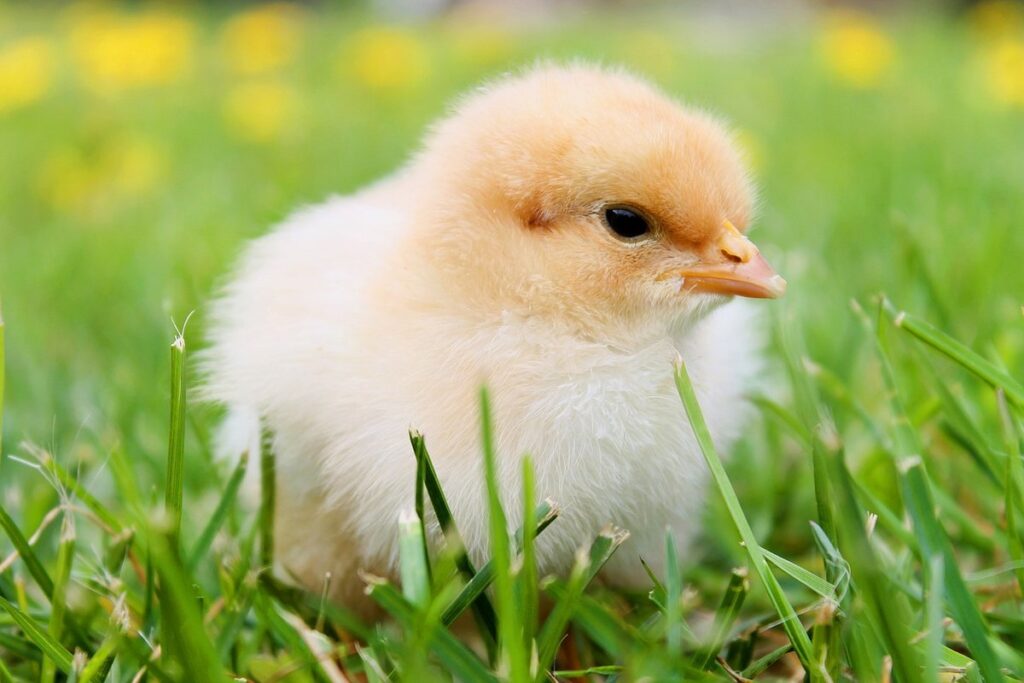
What is a Chicken Sneeze?
So, you’re curious about what’s behind your chicken’s explosive sneeze? Let’s break down the common causes and explanations for why chickens sneeze in the first place.
Understanding Fowl Respiratory Issues
A chicken sneeze is often misunderstood as a minor issue, but it can be a sign of underlying respiratory problems that require attention. Unlike other poultry respiratory issues such as coughing or wheezing, sneezing in chickens is often a more subtle indicator of potential health concerns.
When a chicken sneezes, it’s usually accompanied by nasal discharge, congestion, and sometimes even blood. This can be due to a variety of factors, including viral infections like infectious bronchitis virus (IBV), bacterial infections such as Mycoplasma gallisepticum, or even allergies triggered by environmental stressors.
Recognizing sneezing as an indicator of potential health problems is crucial for maintaining the overall well-being of your flock. If you notice a chicken sneezing repeatedly or displaying other signs of respiratory distress, it’s essential to separate them from the rest of the flock and consult with a veterinarian to rule out any underlying conditions.
Monitoring your chickens’ behavior and body language can help you identify potential health issues before they become severe. Keep an eye out for changes in appetite, droopy wings, or labored breathing, as these can be signs that something is amiss.
Identifying Common Causes of Sneezing in Chickens
When it comes to identifying common causes of sneezing in chickens, there are several factors to consider. Environmental conditions play a significant role, with temperature fluctuations, humidity levels, and air quality being major contributors. For instance, sudden changes in temperature or drafts can trigger a sneeze in even the healthiest chicken.
Genetics also come into play, as some breeds are more prone to sneezing due to their physical characteristics. Respiratory diseases like avian influenza or Newcastle disease can cause persistent sneezing, and it’s essential to keep your flock up-to-date on vaccinations.
Allergies can also be a culprit, with dust mites, pollen, or even certain feeds triggering an immune response. Identifying the root cause of the sneeze is crucial in providing effective care for your flock. To do this, pay attention to your chickens’ behavior and environment. Check their living quarters for any potential allergens or irritants, and consult with a veterinarian if you suspect a underlying health issue.
Some common symptoms to look out for include frequent sneezing, watery eyes, or labored breathing.
Physical Factors Contributing to Chicken Sneezing
When it comes to understanding why your chicken is sneezing, physical factors play a significant role. This includes their environment and potential health issues that may be causing those pesky sneezes.
Dust and Dampness: A Deadly Combination for Chickens
When it comes to maintaining a healthy flock, dust and dampness are two common culprits that can wreak havoc on your chickens’ respiratory systems. Dust, often overlooked as a significant contributor to chicken sneezing, can exacerbate the issue by irritating their sensitive nostrils and lungs. On the other hand, damp environments create an ideal breeding ground for bacteria, viruses, and mold, which can cause chronic infections that lead to persistent sneezing.
A clean and dry coop is essential in preventing dust and dampness from taking over. Regular cleaning of the coop, including thorough disinfecting of all surfaces, should be a top priority. Consider using a dust-repelling coating or applying a water-resistant sealant to walls and floors to minimize moisture buildup. Moreover, ensure proper ventilation by installing windows or fans that allow for fresh air circulation. This will not only reduce humidity but also help remove airborne pathogens.
Keep in mind that even with meticulous cleaning, dampness can still occur, especially during wet seasons. Monitor your coop’s conditions closely and take immediate action to address any issues promptly.
Temperature Extremes and Humidity Levels
Chickens are susceptible to temperature extremes and humidity levels that can trigger sneezing and other respiratory issues. When temperatures soar above 90°F (32°C) or drop below 40°F (4°C), chickens’ bodies work harder to regulate their internal temperature, leading to increased respiration rates and stress on their respiratory systems.
High humidity levels can also exacerbate respiratory problems in chickens. Moist air allows bacteria and viruses to thrive, increasing the likelihood of infections that can cause sneezing. For instance, a study found that mortality rates among broiler chickens rose by 20% when housed in environments with high humidity levels above 60%.
To mitigate these effects, ensure your coop is well-ventilated and maintained at a comfortable temperature range between 40°F (4°C) and 80°F (27°C). Monitor the humidity level and take corrective measures to maintain it below 50%. Consider installing fans or misting systems to keep your flock cool during hot spells. Regular cleaning and disinfection of the coop will also help reduce bacterial loads and prevent respiratory issues.
Nutritional and Health Factors Contributing to Chicken Sneezing
Let’s take a closer look at the nutritional and health factors that can contribute to chicken sneezing, including diet and environmental influences on your flock’s well-being.
Deficiencies in Vitamin D or Calcium
A crucial aspect to consider when it comes to chicken sneezing is nutritional deficiencies. Essential nutrients like vitamin D and calcium play a vital role in maintaining the overall health of your flock. A deficiency in these nutrients can lead to respiratory issues, which may manifest as sneezing in chickens.
Vitamin D, often referred to as the sunshine vitamin, is essential for strong bones, immune function, and overall health. In chickens, a lack of vitamin D can cause weakened immune systems, making them more susceptible to diseases like respiratory infections. This can trigger sneezing fits as the chicken’s body tries to expel the infection.
Calcium, another vital nutrient, helps maintain strong bone structure and supports proper muscle function. Without adequate calcium intake, chickens may experience respiratory issues due to weakened lungs and air sacs. This can lead to persistent coughing and sneezing in an effort to clear their airways.
To prevent nutritional deficiencies from contributing to chicken sneezing, ensure your flock has access to a balanced diet rich in essential nutrients like vitamin D and calcium. Consider supplementing their feed with calcium powder or crushed oyster shells to maintain optimal levels of these vital minerals. Regular veterinary check-ups can also help identify any underlying health issues early on.
Common Health Issues That Cause Sneezing in Chickens
Sneezing is often an indication of underlying health issues that need attention. Respiratory diseases such as bronchitis and pneumonia can cause a chicken to sneeze due to irritation in the airways. These conditions are often caused by bacterial or viral infections, which can spread rapidly through a flock if not managed properly.
Parasites like mites and lice can also lead to sneezing in chickens. Mites, for example, feed on the blood of their hosts, causing discomfort and irritation that may trigger sneezing. Lice, on the other hand, lay eggs on the feathers of chickens, which can cause allergic reactions leading to sneezing.
Viral infections like avian influenza and Newcastle disease are another common cause of sneezing in chickens. These diseases spread quickly through a flock due to their highly contagious nature, making them a significant threat to chicken health worldwide. Regular veterinary check-ups, maintaining clean living conditions, and implementing proper biosecurity measures can help prevent these health issues from arising.
Environmental Factors Contributing to Chicken Sneezing
When it comes to your feathered friends, environmental factors can play a significant role in triggering chicken sneezes, including exposure to dust and pollen. Let’s explore some common culprits.
Air Quality: The Importance of Clean Air for Chickens
Maintaining good air quality within a coop is crucial for the overall health and well-being of your chickens. When it comes to chicken sneezing, poor ventilation can be a significant contributor to respiratory issues. Just like humans, birds require fresh air to breathe properly, and when this isn’t available, they can develop breathing problems.
A poorly ventilated coop can lead to the buildup of dust, ammonia from droppings, and other airborne pollutants that can irritate your chickens’ sensitive lungs. Imagine living in a small room with no windows or proper ventilation – it would be unbearable! The same goes for your feathered friends. When you neglect air quality, you’re essentially creating an unhealthy environment that’s ripe for respiratory issues.
To avoid this, ensure your coop has adequate ventilation by installing windows, vents, or fans to circulate the air. Regularly cleaning out droppings and debris can also help reduce ammonia levels and keep the air fresh. Consider using natural materials like wood shavings instead of synthetic ones that can release toxic fumes when heated. By prioritizing clean air, you’ll be taking a significant step in preventing respiratory issues and keeping your flock healthy.
Odors and Foul Smells That Can Aggravate Chicken Sneezing
Strong odors can be a significant contributor to chicken sneezing. One common culprit is ammonia from soiled bedding. When chickens defecate on their bedding, the urine mixes with the litter and breaks down into ammonia gas. This potent odor can cause respiratory irritation, leading to sneezing fits in your flock.
In fact, studies have shown that exposure to high levels of ammonia can reduce chicken productivity by up to 20%. Soiled bedding is often a result of inadequate cleaning or poor ventilation in the coop. To mitigate this issue, make sure to change the litter completely every few months and provide adequate airflow through windows or vents.
Additionally, strong odors from manure pits, nearby waste management facilities, or even neighboring farms can also trigger chicken sneezing. If you live near a farm with heavy agriculture or a waste management facility, consider taking steps to reduce exposure to these pollutants. Consider using odor-absorbing products in your coop or adding ventilation systems to improve airflow. Regularly inspecting and maintaining the coop’s cleanliness will help prevent ammonia buildup and reduce the likelihood of sneezing episodes in your chickens.
Prevention and Treatment Strategies for Chicken Sneezing
Preventing chicken sneezing requires a multi-faceted approach, including maintaining a clean coop environment and monitoring your flock’s health to catch any potential issues early. We’ll explore effective prevention strategies next.
Environmental Modifications: Improving Ventilation and Cleaning Practices
Improving ventilation within a coop is crucial to prevent respiratory issues like chicken sneezing. A general rule of thumb is to ensure at least 2 square feet of space per bird for adequate airflow. You can enhance this by installing windows or vents specifically designed for coops, ensuring they are securely screened to prevent predators and pests from entering.
Regular cleaning practices should also be a priority. Schedule daily cleanings, removing soiled bedding and replacing it with fresh material. This will help reduce ammonia levels in the coop, which can exacerbate respiratory issues. Set aside time for deeper cleanings every 2-3 weeks, disinfecting surfaces and equipment to prevent bacterial growth.
To take your cleaning routine a step further, designate specific zones within the coop for different activities – feeding, nesting, and roosting areas should be kept separate. This will help contain any potential issues and prevent cross-contamination of diseases or parasites.
Nutritional Supplements and Dietary Adjustments
While some cases of chicken sneezing may require veterinary attention, there are nutritional supplements and dietary adjustments that can support a bird’s overall health and alleviate sneezing symptoms.
Maintaining a balanced diet is essential for a healthy respiratory system. Provide your feathered friend with a nutrient-rich commercial layer feed or a high-quality pelleted starter feed as the main staple of their diet. However, supplementing with foods rich in omega-3 fatty acids can help reduce inflammation and promote overall well-being. Include sources such as flaxseed, fish oil, or krill oil in your chicken’s diet to support healthy joints, skin, and respiratory function.
In addition to a balanced diet, some research suggests that probiotics may be beneficial for alleviating sneezing symptoms. These beneficial bacteria can help maintain a healthy gut microbiome, boost the immune system, and reduce inflammation. Consider adding a high-quality probiotic supplement to your chicken’s feed or providing them with probiotic-rich foods such as yogurt or kefir.
Monitor your bird’s response to any new supplements or dietary adjustments, making changes gradually and under the guidance of a veterinarian if necessary.
Conclusion: Taking Care of Your Sneezing Chickens
Now that you’ve learned how to prevent and identify sneezing in chickens, let’s focus on providing long-term care for your affected flock members. Proper care is crucial for their health and well-being.
Long-term Prevention Strategies for Chicken Health
To ensure the long-term health of your flock and prevent sneezing in chickens, it’s essential to adopt a comprehensive approach that addresses various aspects of their environment. Regular vaccinations are crucial in preventing respiratory diseases that can lead to sneezing. Consult with a veterinarian to determine the best vaccination schedule for your chickens, taking into account factors like age, breed, and living conditions.
Monitoring your flock regularly is also vital. Keep an eye out for signs of illness, such as labored breathing, nasal discharge, or a decrease in appetite. Early detection allows for prompt treatment and can prevent the spread of disease to other birds. Make it a habit to inspect your chickens daily, paying attention to their behavior, physical condition, and overall well-being.
In addition to vaccinations and monitoring, maintaining a healthy environment is key. Ensure proper ventilation in your coop by installing windows or vents that allow for airflow. Keep your coop clean by regularly removing soiled bedding, disinfecting surfaces, and washing feeders and waterers. A clean and well-maintained coop reduces the risk of disease transmission.
Consider incorporating natural elements into your flock’s environment to boost their immune system. For example, providing access to fresh air, sunlight, and a balanced diet rich in essential vitamins and minerals can help prevent respiratory issues. By implementing these long-term strategies, you’ll be better equipped to prevent sneezing in chickens and ensure the overall health of your flock.
Frequently Asked Questions
How can I determine if my chicken’s sneezing is related to a respiratory issue or an allergy?
When assessing your chicken’s sneezing, look for other symptoms such as labored breathing, wheezing, or coughing. If you notice any of these signs in conjunction with sneezing, it may indicate a more serious respiratory issue. On the other hand, if your chicken seems otherwise healthy and is only sneezing occasionally, an allergy might be the culprit.
What are some immediate steps I can take to improve air quality in my coop?
Start by removing any potential sources of dust or allergens, such as old bedding or moldy feeders. Regularly clean the coop with a disinfectant specifically designed for use around chickens. Also, ensure adequate ventilation by checking that windows and doors are clear from debris.
Can I use human medications to treat my chicken’s sneezing?
No, it’s not recommended to administer human medication to your chickens without consulting a veterinarian first. Chicken health issues can be complex, and using the wrong treatment could exacerbate the problem or even lead to further complications. Always seek professional advice before attempting to medicate your flock.
How often should I clean my coop to prevent dust and dampness from causing sneezing?
Clean the coop regularly, at least once a week during peak laying seasons. Remove soiled bedding, disinfect all surfaces, and replace with fresh, dry material. Additionally, ensure good airflow by keeping windows and doors open for short periods each day.
What are some signs that my chicken’s nutritional deficiencies may be contributing to sneezing?
Look out for other symptoms like lethargy, loss of appetite, or changes in egg production. If you suspect a deficiency in vitamin D or calcium, consider supplementing their diet with a balanced feed or adding calcium-rich foods such as crushed eggshells or dark leafy greens.