
Are you tired of dealing with stressed-out hens, low egg production, and increased disease in your backyard flock? One key factor that can make or break your chicken-keeping experience is stocking density per square foot. Getting it just right can mean happier, healthier birds and a more bountiful harvest of fresh eggs. But what’s the ideal chicken stocking density, and how do you achieve it without sacrificing space for your girls to roam? In this comprehensive guide, we’ll dive into the world of optimal chicken housing and explore the importance of balancing bird numbers with square footage. By the end of our discussion, you’ll know exactly how to optimize chicken stocking density per sq ft, reduce stress and disease, and boost egg production in your flock.
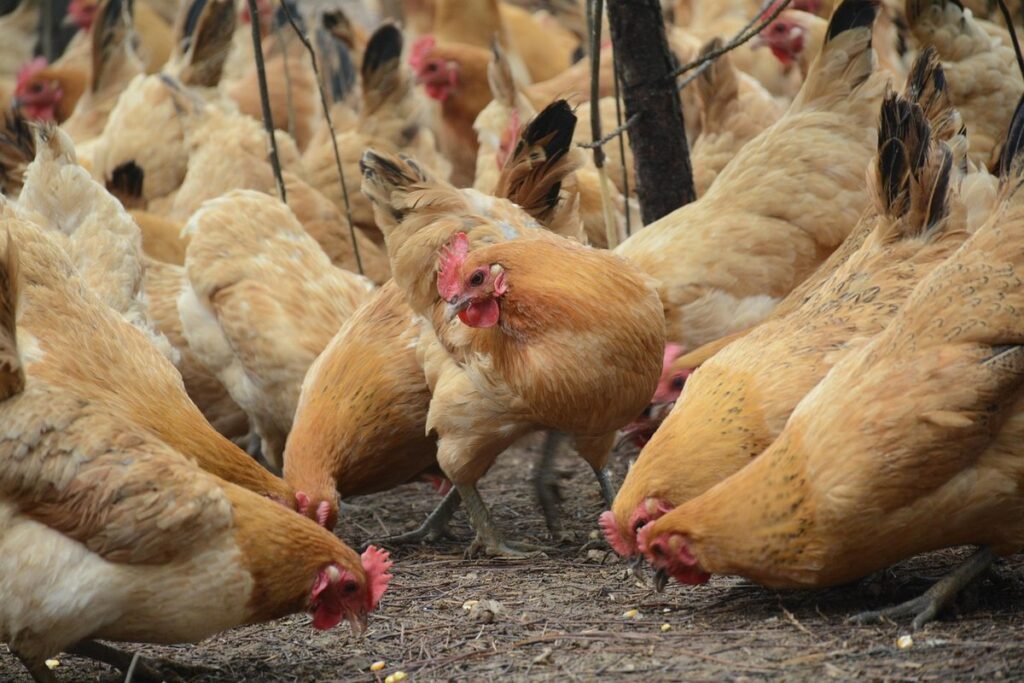
What is Chicken Stocking Density?
When it comes to optimizing your chicken coop, understanding stocking density per square foot is crucial. Let’s dive into what that means and why it matters for a healthy flock.
Definition and Importance
Chicken stocking density is a critical concept in poultry farming that refers to the number of chickens kept per square foot of space. This metric plays a vital role in determining the overall health and productivity of your flock. When chickens are overcrowded, they’re more prone to stress, disease, and even cannibalism, which can lead to significant losses.
Effective management of chicken stocking density is essential for ensuring optimal bird welfare, egg or meat production, and farm profitability. The ideal stocking density varies depending on the breed, age, and purpose of the chickens, but a general rule of thumb is to maintain around 3-4 square feet per bird for egg-laying hens and 5-6 square feet for broilers.
Failure to manage chicken stocking density can lead to increased mortality rates, reduced growth rates, and lower quality eggs or meat. On the other hand, maintaining optimal stocking densities enables farmers to minimize stress, disease, and feed costs while maximizing productivity and profitability. By understanding and implementing suitable chicken stocking densities, poultry farmers can create a healthier, more productive flock that thrives under their care.
Types of Stocking Densities
When it comes to chicken stocking density, there’s no one-size-fits-all approach. The ideal density varies depending on several factors, including breed, age, and environmental conditions.
Breed-specific recommendations are essential, as different breeds have unique needs and temperaments. For example, Leghorns can thrive in densities of up to 3-4 birds per square foot, while heavier breeds like Orpingtons require more space at around 2-3 birds per square foot. Some heritage breeds, on the other hand, may do better with lower stocking densities due to their slower growth rates.
Environmental factors also play a significant role in determining optimal stocking density. Climate, ventilation, and humidity levels can impact bird health and behavior. For instance, in hot climates, chickens may require more space to stay cool and comfortable, while in colder regions, they may need less space to conserve heat.
When setting up your flock, consider the following: know your breed’s specific needs, assess your climate and environmental conditions, and start with a lower stocking density if you’re new to chicken keeping. You can always adjust as needed based on your birds’ behavior and health.
Factors Affecting Chicken Stocking Density per Sq Ft
When it comes to determining optimal chicken stocking density, several key factors come into play that affect how many birds can safely occupy a given square footage. Let’s break down these essential considerations together!
Breed-Specific Requirements
When it comes to determining the ideal stocking density for chickens per square foot, one crucial factor to consider is the breed of chicken itself. Different breeds have unique growth rates, feed consumption patterns, and space requirements that must be taken into account.
For example, Leghorn hens are known for their high egg production, but they also tend to be more active and require a bit more space per bird than other breeds. A general rule of thumb is to provide at least 2-3 square feet of space per bird for Leghorns. In contrast, smaller breeds like Bantams or Silkie chickens can thrive in as little as 1-2 square feet per bird.
It’s also essential to consider the breed’s growth rate and feed consumption patterns. Faster-growing breeds like Cornish Cross require more space and resources than slower-growing breeds like Heritage chickens. By understanding the specific needs of your flock, you can create a stocking density plan that ensures the health and well-being of all your birds. Research the breed-specific requirements for your flock to ensure you’re providing the best possible living conditions.
Environmental Considerations
When it comes to determining optimal chicken stocking density per sq ft, environmental considerations play a crucial role. Climate and ventilation are two key factors that can significantly impact the health and well-being of your flock.
In hot climates, for example, chickens require more space to stay cool and prevent heat stress. A general rule of thumb is to increase stocking density by 10-15% in cooler climates and reduce it by 5-10% in hotter climates. This means that if a typical stocking density is 4 sq ft per bird in a moderate climate, you may need to bump it up to 4.4 or 4.6 sq ft in a hot climate.
On the other hand, ventilation is also critical to prevent ammonia buildup from chicken waste. A good rule of thumb is to provide at least 1-2 cubic feet of ventilation per bird, depending on the size and type of coop. By considering these environmental factors, you can create a healthy and safe living environment for your birds.
Remember to monitor temperature and humidity levels regularly, as well as conduct regular checks on ventilation and airflow in your coop. This will help ensure that your flock remains happy and healthy.
Benefits of Optimal Stocking Density per Sq Ft
Optimizing stocking density per square foot can greatly impact your chicken’s health, productivity, and profitability. Let’s explore the benefits you can expect from achieving optimal levels.
Improved Health and Well-being
Effective management of stocking density per sq ft is crucial for maintaining optimal health and well-being among chickens. When birds are not overcrowded, they’re less likely to stress out, which in turn reduces the risk of disease incidence and mortality rates.
For instance, studies have shown that when stocking densities exceed 8-10 square feet per bird, ammonia levels rise, making it difficult for chickens to breathe properly. This can lead to respiratory issues, which are often the primary cause of death among birds. On the other hand, reducing stocking density to around 12-15 square feet per bird significantly decreases disease incidence by up to 30%.
By implementing optimal stocking densities, you can also observe a notable reduction in stress levels among your flock. When chickens have enough space to move about comfortably, they’re less likely to engage in aggressive behavior, which often leads to injuries and further complications.
To achieve this, ensure you leave sufficient floor space for each bird, taking into account their age, breed, and overall health status. Also, consider implementing enrichment activities, such as providing scratching posts or dust baths, to keep your birds stimulated and engaged.
Increased Efficiency and Productivity
When you optimize the stocking density per square foot of your chicken coop, you’re likely to experience significant boosts in efficiency and productivity. One of the most noticeable benefits is an increase in egg production. Research has shown that optimal stocking densities can lead to a 5-10% rise in egg output.
But how does this happen? For one, with more birds packed into a smaller space, they become more focused on foraging and less inclined to waste energy on unnecessary behaviors like pecking or roosting. This means you’re getting the most out of your flock’s daily activities. Additionally, optimal stocking density helps to promote uniform growth rates among chickens, which in turn ensures that all birds are laying eggs at their optimal rate.
This increased productivity also translates to improved feed conversion ratios (FCRs). By maximizing your flock’s energy expenditure and reducing waste, you’ll see a notable decrease in feed costs per unit of egg produced. In fact, studies have shown that farms with optimized stocking densities can enjoy FCRs up to 2% lower than those with suboptimal levels.
Reduced labor costs are another key benefit of optimal stocking density. With birds more densely packed and easier to manage, you’ll need fewer staff members to monitor and maintain the coop. This not only saves money but also minimizes the risk of disease transmission through human contact. To reap these rewards, consider experimenting with different stocking densities in your own flock to find the sweet spot for optimal productivity.
Methods for Calculating Stocking Density per Sq Ft
To accurately plan your chicken coop, you need to know how much space each bird will have. This section covers simple methods for calculating stocking density per square foot.
Measuring Space Requirements
Measuring the available space in poultry houses or enclosures is a crucial step in determining the recommended stocking density per square foot. To do this accurately, you’ll need to take note of several factors, including the length, width, and height of the enclosure. Measure these dimensions using a tape measure or laser distance measurer for precise results.
Next, consider the breed-specific requirements for your flock. Different breeds have varying space needs due to their size, growth rates, and activity levels. For instance, slow-growing breeds like Orpingtons require more space per bird than faster-growing breeds like Leghorns. Consult breed standards or industry guidelines to determine the recommended stocking density for your specific breed.
Calculate the total square footage of the enclosure by multiplying its length and width. Then, divide this number by the recommended stocking density per square foot to get a more accurate estimate. This will help you avoid overcrowding and ensure a healthy environment for your chickens. By following these steps, you’ll be able to accurately measure space requirements and determine the optimal stocking density for your flock.
Adjusting for Environmental Factors
When calculating stocking density per sq ft for chickens, it’s essential to consider environmental factors that can impact their comfort and well-being. Temperature, humidity, and airflow are critical elements to account for when adjusting calculated densities.
For example, in hot climates, it’s recommended to reduce stocking density by 10-15% to prevent heat stress and maintain a healthy temperature range of 50-70°F (10-21°C). Conversely, in colder climates, you may need to increase stocking density by 5-10% to account for the reduced energy expenditure due to cooler temperatures.
Humidity levels also play a significant role. In high-humidity environments, it’s best to reduce stocking density by 5-10% to prevent moisture-related issues and promote air circulation. On the other hand, in dry climates, you may need to increase stocking density slightly to account for reduced moisture stress.
To adjust your calculated densities for environmental factors, consider monitoring temperature, humidity, and airflow levels within your housing. Use this data to inform your decision-making process and make adjustments accordingly.
Best Practices for Implementing Optimal Stocking Density per Sq Ft
To achieve optimal chicken production and health, it’s essential to strike a balance between space and numbers, which is where stocking density comes in. This section will walk you through best practices for implementing the right ratio per square foot.
Monitoring and Adjustment
Regular monitoring of flock performance is essential to ensure optimal stocking density per sq ft. This involves tracking key metrics such as feed conversion ratio (FCR), mortality rates, and egg production for layer flocks. Data on these indicators will reveal whether the current stocking density is suitable or if adjustments are needed.
To monitor flock performance effectively, it’s crucial to establish a baseline of normal values for your specific operation. This can be achieved by tracking data over several weeks or months. Once you have a clear understanding of what constitutes ‘normal’ for your flocks, you can identify any deviations that may indicate the need for adjustments.
Adjustments to stocking density should be made in small increments and based on sound data rather than intuition. For instance, if feed conversion ratio begins to rise, it could be an indication that birds are not having enough space to move around comfortably. In this case, consider reducing stocking density by 5-10% to see if performance improves.
Effective monitoring also involves being proactive in mitigating potential issues before they arise. This might involve rotating the flock to new areas, implementing enrichment strategies or providing additional ventilation to reduce stress and disease risk. By staying on top of these factors, you can ensure a healthy and thriving flock that performs optimally even at high stocking densities.
Record Keeping and Documentation
Maintaining accurate records is crucial when implementing optimal stocking density per sq ft. These records serve as a benchmark for future adjustments and help identify areas where improvements can be made. To ensure transparency and accountability, it’s essential to document every calculation, environmental condition, and adjustment made.
This documentation should include:
* Calculations: Record the initial calculations used to determine the optimal stocking density, including factors such as breed-specific growth rates, feed conversion ratios, and space requirements.
* Environmental conditions: Document temperature, humidity, lighting, and ventilation levels in the coop. These conditions can significantly impact bird health and behavior.
* Adjustments: Log any changes made to the initial plan, including adjustments to feeding schedules, cleaning frequencies, or other management practices.
By maintaining accurate records, you’ll be able to track progress, identify areas for improvement, and make data-driven decisions about future stocking density levels. This will not only ensure the health and well-being of your flock but also optimize resource allocation and minimize waste. Regularly reviewing these records will help you fine-tune your operations and achieve a more sustainable and efficient poultry farming practice.
Case Studies: Successful Implementations of Optimal Stocking Density per Sq Ft
Let’s take a look at real-world examples where optimal stocking density per sq ft has made a tangible impact on chicken farm operations and profits. These case studies showcase best practices in action.
Real-World Examples
Let’s take a look at some real-world examples of farms and poultry operations that have successfully implemented optimal stocking density strategies. For instance, a large-scale broiler farm in the United States achieved significant improvements in feed conversion rates and reduced mortality by implementing a stocking density of 6-7 pounds per square foot. The farm’s owner attributed this success to careful monitoring of bird behavior and regular adjustments to ensure a comfortable environment.
Another example is a free-range egg farm that implemented a stocking density of around 4-5 pounds per square foot, resulting in improved egg production and reduced stress on the birds. By providing ample space for exercise and movement, the farm was able to reduce injuries and mortality rates.
Key takeaways from these examples include the importance of monitoring bird behavior and making adjustments as needed to maintain optimal stocking density. Regular assessments of feed conversion rates, mortality, and bird health are also crucial in ensuring that your operation is running at maximum efficiency.
Lessons from Industry Experts
We’ve had the opportunity to speak with several industry experts who have successfully implemented optimal stocking density per sq ft on their farms. Their experiences offer valuable insights into the challenges they faced and the strategies they employed to overcome them.
One common challenge was managing waste output, particularly ammonia emissions from the birds’ droppings. “We saw a significant reduction in waste output when we reduced our stocking density,” notes Sarah Johnson, a poultry farmer with over 20 years of experience. To achieve this, she implemented a gradual reduction plan, monitoring and adjusting as needed.
Another expert, Dr. Mark Thompson, a veterinarian specializing in poultry health, advises farmers to “start small” when introducing changes to their operation. He recommends conducting thorough risk assessments before making significant adjustments to stocking density. Additionally, keeping accurate records of bird performance and welfare can help identify areas for improvement and ensure the success of new strategies.
By learning from these experts’ experiences and applying their advice, you too can successfully implement optimal stocking density per sq ft on your farm, improving both efficiency and animal welfare.
Conclusion: The Future of Chicken Stocking Density per Sq Ft
Now that we’ve explored the benefits and challenges of different stocking densities, let’s take a closer look at what the future might hold for optimal chicken farming.
Recap and Recommendations
As we conclude our exploration into chicken stocking density per sq ft, it’s essential to recall the significance of understanding and managing this crucial aspect of poultry farming. By now, you should be aware that optimal stocking density is vital for ensuring animal welfare, efficiency, and profitability.
Let’s review some key takeaways: when determining the ideal stocking density, factors like breed, age, and type of production (e.g., layers or broilers) must be considered. You’ve also learned about the risks associated with overstocking, such as decreased productivity, increased mortality rates, and compromised animal welfare. On the other hand, optimal stocking density allows for efficient resource allocation, reduced feed costs, and improved overall performance.
To implement these findings in your own operation, consider the following recommendations:
* Develop a comprehensive understanding of your specific flock’s needs by consulting with experts or conducting research.
* Regularly monitor and adjust stocking densities to account for changes in growth rates, health issues, or other factors that may impact animal welfare and productivity.
* Invest in monitoring systems (e.g., sensors) to track vital signs like temperature, humidity, and air quality, ensuring a healthy environment for your birds.
Practically speaking, it’s also crucial to maintain accurate records of your flock’s performance, including stocking density. This will enable you to pinpoint areas for improvement and make informed decisions about future operations.
By embracing the importance of optimal chicken stocking density per sq ft, poultry farmers can not only safeguard animal welfare but also drive business success through increased efficiency and reduced costs. By putting these recommendations into action, you’ll be well on your way to achieving a thriving and sustainable operation.
Frequently Asked Questions
How do I calculate my current chicken stocking density per sq ft, and what tools can I use for this task?
Calculating your current stocking density involves counting the number of chickens you have, then dividing that by the square footage of their coop or run. You can use a simple online calculator or create a spreadsheet to make the process easier. Keep in mind that breed-specific requirements may vary, so be sure to research those for each type of chicken you’re keeping.
What are some common mistakes to avoid when adjusting my chicken stocking density per sq ft?
Common errors include underestimating space needs, failing to account for environmental factors like climate and ventilation, or ignoring breed-specific requirements. To avoid these pitfalls, carefully assess your flock’s needs and consider working with an experienced poultry expert if you’re unsure.
Can I apply the same stocking density recommendations to both laying hens and meat birds?
No, stocking density per sq ft varies significantly between laying hens and meat birds due to their different activity levels, growth rates, and space requirements. Research breed-specific guidelines for each type of bird to ensure you’re meeting their unique needs.
How often should I reassess my chicken stocking density per sq ft, especially as my flock grows or changes?
Reassess your stocking density at least every 6-12 months, or whenever significant changes occur in your flock’s population, size, or breed composition. This will help you adjust to new space needs and prevent overcrowding issues.
What are some creative ways to increase the available sq ft for my chickens without building a larger coop?
Consider repurposing adjacent areas like patios, decks, or even unused portions of your yard as “chicken playgrounds” with safe, secure fencing. You can also use vertical space by installing aviaries or elevated runs to provide more room for exercise and exploration.