
If you’re a backyard chicken keeper or farmer, you’ve probably encountered chickens with swollen wattles at some point. Those loose, hanging pieces of skin under the beak can become puffy and inflamed due to various reasons. It’s essential to identify the causes of chicken wattle swelling to prevent and manage this condition effectively. Bacterial infections like Gumboro or infectious Coryza are common culprits, while nutritional deficiencies, breed-specific factors, and even stress can also contribute to this issue. In this article, we’ll explore the common causes of chicken wattle swelling in detail, providing you with valuable insights on how to prevent and manage this condition for healthier chickens. By understanding these underlying factors, you’ll be better equipped to maintain a happy and healthy flock.
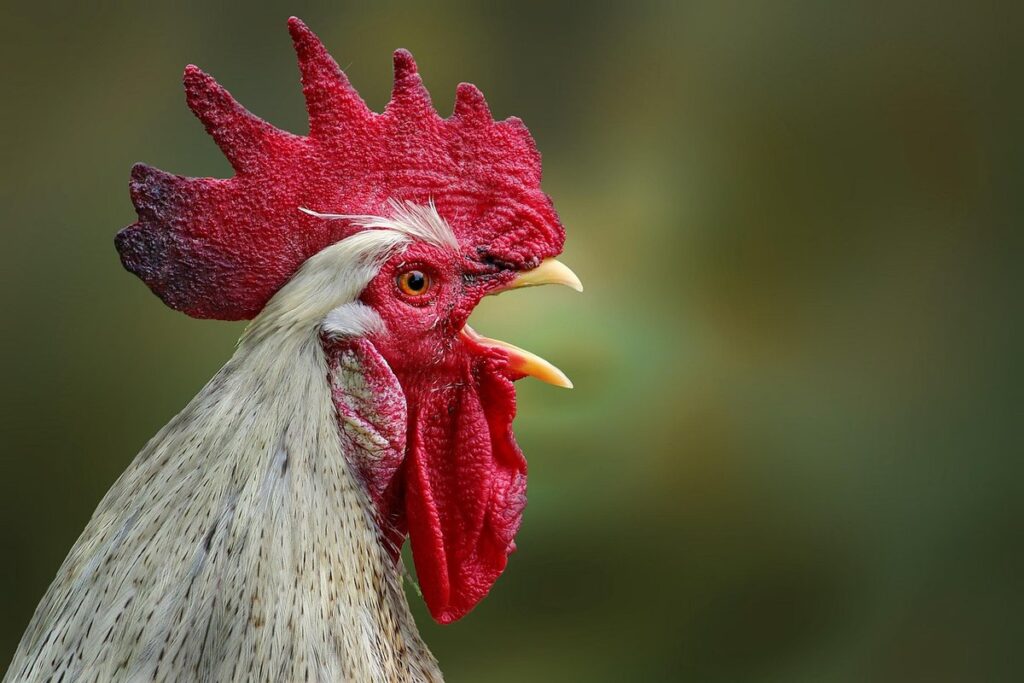
Common Symptoms and Indications of Swollen Chicken Wattles
If you’ve noticed your chicken’s wattle is swollen, it can be a worrying sight. This section covers the common symptoms and indications to look out for in your feathered friend.
Identifying the Warning Signs
As you observe your chicken’s behavior and physical condition, it’s essential to identify the warning signs of swollen chicken wattles. Keep an eye out for increased redness around the wattle area, which can be a clear indication that something is amiss. You may also notice swelling or puffiness in the neck region, where the wattle is located.
Swollen wattles can cause your chicken discomfort and pain, leading to changes in its behavior. Watch for signs of distress, such as straining while swallowing, avoiding food, or showing reluctance to move around. In some cases, you may notice a yellowish or greenish discharge from the wattle area, which could be a sign of infection.
If you suspect that your chicken’s swollen wattles are accompanied by these warning signs, take action promptly. Monitor your bird’s condition closely and consider consulting a veterinarian if symptoms persist or worsen over time. Keep in mind that some breeds are more prone to wattle swelling due to genetic factors, so it’s essential to be aware of the potential risks associated with your chicken’s specific breed.
When to Seek Veterinary Attention
If you notice any of the following symptoms in your chicken’s wattle, it’s essential to seek veterinary attention promptly. Sudden onset of swelling can be a sign of an underlying infection, injury, or allergic reaction that requires prompt treatment to prevent further complications.
Severe swelling is another indication that your chicken needs immediate care. If the swelling is accompanied by redness, discharge, or a foul odor, it’s likely a severe infection that needs professional attention. In such cases, delaying veterinary care can lead to serious health issues and even death.
Persistent discomfort or changes in behavior are also reasons to consult a veterinarian. If your chicken seems lethargic, refuses food, or displays unusual behavior due to wattle swelling, it may be experiencing chronic pain or distress that needs medical attention.
When in doubt, err on the side of caution and seek veterinary advice. Early intervention can often prevent more severe problems from developing, ensuring your feathered friend recovers quickly and comfortably.
Factors Contributing to Swelling
Swollen chicken wattle can be caused by various factors, and understanding these underlying causes is crucial for proper diagnosis and treatment. Bacterial infections are one of the primary contributors to swollen wattles. Certain types of bacteria, such as Staphylococcus or Streptococcus, can cause infections that lead to inflammation and swelling in the wattle area. For instance, a bacterial infection like staphylococcal dermatitis can cause redness, swelling, and crusting on the skin around the wattles.
Fungal infections are another possible cause of swollen chicken wattles. Fungi like Candida or Trichophyton can infect the skin, leading to inflammation and swelling. Allergies can also contribute to wattle swelling, particularly if your chicken is allergic to a specific food or environmental factor. For example, an allergy to dust mites or pollen can cause skin irritation and inflammation.
Physical trauma is another common reason for swollen wattles. Injuries, scratches, or cuts on the skin around the wattles can lead to infection and swelling. It’s essential to monitor your chicken’s behavior and living conditions closely to identify any potential factors contributing to wattle swelling. Regular veterinary check-ups can also help diagnose underlying causes and prevent complications.
Bacterial and Fungal Infections as Causes of Chicken Wattle Swelling
You may be surprised to learn that bacterial and fungal infections can cause chicken wattle swelling, often leading to painful inflammation in the affected area. Let’s take a closer look at these underlying causes.
Understanding the Role of Aeromonas Hydrophila
Aeromonas Hydrophila is a type of bacteria that can contribute to chicken wattle swelling. This bacterium is commonly found in water and soil, which means it can easily contaminate food and feed for chickens. When chickens ingest contaminated feed or come into contact with dirty water, they are at risk of developing an Aeromonas Hydrophila infection.
Proper diagnosis of an Aeromonas Hydrophila infection is crucial to ensure effective treatment. Symptoms may include swelling of the wattle, as well as signs of systemic illness such as lethargy and loss of appetite. To confirm a diagnosis, veterinarians typically perform a series of tests including blood work, physical examination, and culture analysis.
In cases where Aeromonas Hydrophila is identified as the cause of wattle swelling, treatment typically involves antibiotics to target the bacterial infection. However, treatment must be carefully monitored to ensure that the antibiotic is effective against the specific strain of bacteria present. In addition, it’s essential to address any underlying causes such as contaminated feed or water sources.
To prevent Aeromonas Hydrophila infections, chicken keepers should maintain high standards of cleanliness and hygiene in their flock’s environment. This includes regular cleaning of feeding and watering equipment, providing a balanced diet that is free from contamination, and ensuring access to clean drinking water.
Recognizing the Signs of Fungal Infections
When it comes to fungal infections causing chicken wattle swelling, there are certain signs you should be aware of. Fungal infections like candidiasis can manifest in various ways on the skin surrounding the wattle area.
One common sign is the presence of lesions or patches on the skin. These can appear as red, white, or yellowish areas and may be accompanied by a flaky or scaly texture. If you notice any unusual markings on your chicken’s wattle, it’s essential to inspect the area more closely for other symptoms.
Other signs of fungal infections include inflammation, redness, and swelling around the affected area. In severe cases, you might also see discharge or crusting around the lesions. It’s crucial to address these issues promptly, as they can lead to further complications and discomfort for your chicken.
If you suspect a fungal infection is causing your chicken’s wattle to swell, it’s essential to keep an eye on any changes in your chicken’s overall health. Monitor their appetite, behavior, and stool quality closely, as these can be indicators of the severity of the infection.
Effective Treatment Strategies for Bacterial and Fungal Infections
When it comes to treating bacterial and fungal infections that cause chicken wattle swelling, choosing the right medication is crucial. For bacterial infections, antibiotics are often prescribed, but not all antibiotics are created equal. Broad-spectrum antibiotics like amoxicillin or clavamox can be effective against a wide range of bacteria, while narrow-spectrum antibiotics like enrofloxacin may target specific types of bacteria.
Antifungal medications, on the other hand, are used to treat fungal infections. Itraconazole and fluconazole are two common antifungals that can help combat fungal overgrowth in the chicken’s wattle. When administering medication, it’s essential to follow the veterinarian’s instructions carefully, as incorrect dosing or duration of treatment can lead to antibiotic resistance.
Preventing future occurrences is also vital. To minimize the risk of bacterial and fungal infections, ensure your flock has access to clean water, a balanced diet, and regular veterinary check-ups. Keep your coop clean, remove any dead birds promptly, and maintain good ventilation to prevent ammonia buildup, which can contribute to infection.
Monitor your flock closely for signs of illness, and consult with a veterinarian if you notice any unusual swelling or discharge in the chicken’s wattle.
Nutritional Deficiencies and Other Contributing Factors
Chicken wattle swelling can also be triggered by underlying nutritional deficiencies, so let’s explore some potential causes you might not have considered. These factors play a crucial role in the overall health of your bird.
The Impact of Malnutrition on Chicken Health
When it comes to maintaining optimal health, nutrition plays a crucial role in chicken well-being. A diet that is inadequate in essential nutrients can lead to weakened immune systems, making chickens more susceptible to various health issues, including wattle swelling.
Chickens require a balanced diet rich in protein, vitamins, and minerals to function properly. However, if they don’t receive the necessary nutrients, their bodies may become compromised. For instance, a lack of vitamin A can lead to impaired immune function, while inadequate zinc intake can cause slow wound healing. These nutritional deficiencies can have far-reaching consequences, including increased susceptibility to infections and diseases.
To ensure your chickens are receiving the nutrition they need, it’s essential to provide them with a high-quality feed or supplement their diet with fresh fruits and vegetables. A well-balanced diet will help maintain optimal health and reduce the risk of wattle swelling and other related issues. Consider consulting with a veterinarian or poultry expert to determine the best nutrition plan for your flock.
By prioritizing your chickens’ nutritional needs, you can significantly reduce their vulnerability to various health problems, including wattle swelling.
Role of Stress in Triggers Wattle Swelling
Stress plays a significant role in exacerbating underlying conditions that can contribute to chicken wattle swelling. When chickens experience stress, their bodies release cortisol and other hormones that can increase inflammation and weaken the immune system. This makes them more susceptible to infections and diseases that can cause wattle swelling.
Chickens under stress may also engage in abnormal behaviors like feather pecking or cannibalism, which can lead to wounds and subsequent infection. Moreover, chronic stress can suppress the appetite of chickens, leading to malnutrition and deficiencies that further compromise their health.
To manage stress-related issues in your flock, ensure a balanced diet, provide a clean and comfortable living environment, and maintain a consistent daily routine. You can also try stress-reducing measures like offering probiotics or providing mental stimulation through toys and foraging activities. By addressing the root cause of stress, you can reduce the likelihood of wattle swelling in your chickens.
Importance of Hydration and Adequate Nutrition
Maintaining a healthy lifestyle is crucial for chickens to prevent various health issues, including chicken wattle swelling. One of the most critical aspects of a chicken’s overall well-being is proper hydration. Chickens need access to fresh, clean water at all times to stay hydrated and regulate their body temperature. A dry environment can lead to dehydration, which can cause skin irritation and inflammation – symptoms that may be mistaken for wattle swelling.
A balanced diet is also essential for chickens’ health. Feeding them a nutritious mix of grains, fruits, and vegetables helps maintain their immune system and prevents malnutrition. A good quality layer feed or starter feed should be the main staple of your chicken’s diet, supplemented with occasional treats like leafy greens and fruits.
Regular veterinary check-ups are also vital to identify any underlying health issues that may lead to wattle swelling. Your veterinarian can provide personalized advice on maintaining a healthy flock and detecting potential problems early on. By combining proper hydration, balanced nutrition, and regular check-ups, you can significantly reduce the risk of various health issues in your chickens.
Chicken Breed-Specific Factors Contributing to Wattle Swelling
When it comes to chicken wattle swelling, some breeds are more prone to this condition than others. Certain characteristics unique to individual breeds can increase their risk of experiencing wattle swelling.
Understanding the Characteristics of Different Breeds
When it comes to wattle swelling in chickens, breed plays a significant role. Different breeds have unique characteristics that can contribute to this condition. For instance, heavy-breed chickens like Orpingtons and Plymouth Rock are prone to wattle swelling due to their larger size and excess skin. These breeds often experience heat stress during hot weather, which can lead to inflammation and swelling.
On the other hand, lightweight breeds such as Leghorns and Cornish are less likely to suffer from wattle swelling. This is because they have a leaner body type with minimal excess skin. However, even within these breeds, individual variations in size and shape can still contribute to wattle swelling.
Some chicken breeds, like Silkies and Polish, are naturally more prone to wattle swelling due to their unique genetic makeup. These birds often have a higher concentration of fat deposits under the skin, which can increase the risk of inflammation.
To manage wattle swelling in your flock, it’s essential to consider breed-specific factors. By understanding the predispositions of your chickens’ breed, you can take proactive steps to mitigate the risk of this condition. This may involve providing extra ventilation, ensuring access to cool water, and maintaining a balanced diet to reduce heat stress.
Environmental Considerations
Environmental factors play a significant role in contributing to wattle swelling in chickens. Temperature extremes are one of the primary environmental concerns that can impact chicken health. In hot climates, high temperatures can lead to excessive panting and sweating, causing the skin around the neck and wattles to become irritated and inflamed. On the other hand, exposure to cold temperatures can cause vasoconstriction, leading to a reduction in blood flow to extremities, including the wattle.
Humidity levels are another crucial environmental factor that needs attention. High humidity can lead to increased moisture accumulation around the neck and wattles, creating an ideal breeding ground for bacteria and fungi, which can exacerbate wattle swelling. Conversely, low humidity can cause dry skin and irritation, making chickens more susceptible to infections.
To mitigate these risks, it’s essential to provide your flock with clean living conditions that include adequate ventilation, temperature control, and access to fresh water. Ensure that the coop is well-ventilated to maintain a healthy balance of moisture levels in the air. Regular cleaning of the coop and provision of fresh bedding can also help reduce the risk of bacterial and fungal infections that can contribute to wattle swelling.
Genetic Factors in Wattle Swelling Predisposition
Genetic factors play a significant role in predisposing certain chicken breeds to wattle swelling. Research has shown that some breeds are more prone to this condition due to their genetic makeup. For instance, the Silkie breed is known to be particularly susceptible to wattle swelling, and it’s not uncommon for Silkies to develop swollen wattles as early as hatch.
Studies have identified specific genetic traits associated with an increased risk of wattle swelling in chickens. These include factors such as feather density, skin thickness, and the structure of blood vessels in the neck area. Breeds with thicker skin or more compact feathers may be more prone to swelling due to reduced circulation and increased pressure on the blood vessels.
If you’re a breeder or owner of Silkies or other breeds susceptible to wattle swelling, it’s essential to monitor your flock closely for any signs of the condition. Regular checks can help identify affected birds early on, allowing for prompt treatment and minimizing the risk of complications. Keep in mind that while genetic factors contribute to the likelihood of wattle swelling, proper care and management practices can still significantly impact the severity and frequency of outbreaks.
Prevention and Management Strategies for Chicken Wattle Swelling
To keep your flock healthy, it’s essential to know how to prevent and manage chicken wattle swelling effectively, reducing stress on your birds. This section shares practical strategies to get you started.
Implementing Preventative Measures
Implementing preventative measures is crucial to minimizing the risk of wattle swelling in your flock. Regular health checks are essential to identifying potential issues early on. These should be conducted at least once a week, paying close attention to any changes in your chickens’ behavior or physical condition.
Maintaining cleanliness within the coop and run is also vital in preventing wattle swelling. Ensure that you clean and disinfect all areas regularly, removing any droppings or debris immediately. This will help reduce the risk of bacterial infections such as pasty vent disease, which can lead to wattle swelling.
A well-balanced diet is also essential for maintaining your chickens’ health. Ensure that their feed is nutrient-rich and provides adequate fiber content. You should also provide a source of grit and oyster shells to support healthy digestion. By following these practices, you can significantly reduce the risk of wattle swelling in your flock.
Monitoring for Signs of Illness
When it comes to managing chicken wattle swelling, monitoring your birds’ behavior and physical condition is crucial. You want to catch any emerging health issues early on, so you can provide the necessary care to prevent complications.
Observe your chickens regularly, paying attention to changes in their appetite, droppings, and overall demeanor. If a bird is showing signs of illness, such as lethargy, loss of appetite, or changes in droppings, it’s essential to take action promptly. For example, if you notice that one of your birds is having trouble walking due to swelling, don’t delay seeking veterinary care.
Some warning signs to watch out for include:
* Changes in droppings, such as diarrhea or constipation
* Increased lethargy or depression
* Loss of appetite or water intake
* Discharge or redness around the eyes or nostrils
Regular checks on your flock will help you detect potential issues early. By being vigilant and monitoring their behavior, you can take swift action to prevent complications and provide the best possible care for your birds.
Best Practices for Raising Healthy Chickens
When it comes to raising healthy chickens, many of us focus on just one aspect of their care – whether that’s nutrition, environment, or veterinary check-ups. However, the key to preventing chicken wattle swelling lies in adopting a holistic approach that balances all these factors.
First and foremost, consider your flock’s living conditions. Provide enough space for them to roam and engage in natural behaviors like foraging and dust bathing. Ensure their coop is well-ventilated, dry, and protected from extreme temperatures. A happy and stress-free environment will help prevent many health issues, including wattle swelling.
Nutrition also plays a vital role in maintaining your flock’s overall health. Feed high-quality feed that meets their nutritional needs, and provide fresh water at all times. Consider supplementing with probiotics or electrolytes to support gut health and immune function. Don’t forget to introduce new birds gradually, as sudden changes can cause stress.
Regular veterinary check-ups are also essential in preventing and managing chicken wattle swelling. Schedule annual vaccinations, health checks, and monitoring for signs of illness or injury. By combining these holistic approaches with good hygiene practices and biosecurity measures, you’ll be well on your way to raising a healthy flock that’s less susceptible to wattle swelling.
Frequently Asked Questions
What are the most common nutritional deficiencies that can lead to chicken wattle swelling?
Nutritional deficiencies such as a lack of vitamin E, selenium, or zinc can contribute to chicken wattle swelling. Ensure your chickens have access to a balanced and complete diet that includes these essential nutrients. Provide supplements if necessary, but consult with a veterinarian before making any changes to their feed.
How do I determine if my chicken’s swollen wattle is caused by a bacterial or fungal infection?
Monitor your chicken’s behavior and physical condition closely. If the swelling is accompanied by other symptoms such as diarrhea, lethargy, or discharge from the eyes or nostrils, it may indicate a bacterial or fungal infection. Consult with a veterinarian for proper diagnosis and treatment.
Can stress really cause chicken wattle swelling, and if so, how can I minimize its impact?
Yes, stress can trigger wattle swelling in chickens. To minimize its impact, ensure your flock has adequate space, social interaction, and a calm environment. Provide hiding places, nesting boxes, and adequate ventilation to reduce stress.
How often should I check my chicken’s wattle for signs of swelling or infection?
Regularly inspect your chicken’s wattles, ideally once a week, especially during peak health issues periods. Look out for redness, swelling, or discharge around the wattle area. Early detection is key to preventing and managing wattle swelling effectively.
Can I treat chicken wattle swelling at home, or do I need professional veterinary attention?
While some cases of mild wattle swelling can be managed at home with proper care and nutrition, severe or persistent cases require professional veterinary attention. Consult with a veterinarian if you’re unsure about the severity of your chicken’s condition or if symptoms persist despite treatment.