
As a backyard chicken keeper or small-scale poultry farmer, managing your flock’s health and growth is crucial to ensuring a productive and profitable operation. But how do you know if your chickens are at their optimal weight? This is where a chicken weight chart by breed comes in – a valuable tool for monitoring your birds’ development and adjusting your feeding strategies accordingly.
In this article, we’ll delve into the world of breed-specific growth rates and average weights, providing you with expert guidance on creating an effective chicken weight chart. We’ll cover topics such as how to accurately measure and record your flock’s weight, identify potential health issues based on weight trends, and use your weight chart to optimize feeding and care for a healthy and thriving flock. By the end of this article, you’ll be equipped with the knowledge and tools needed to create a tailored chicken weight chart that meets the unique needs of your birds.
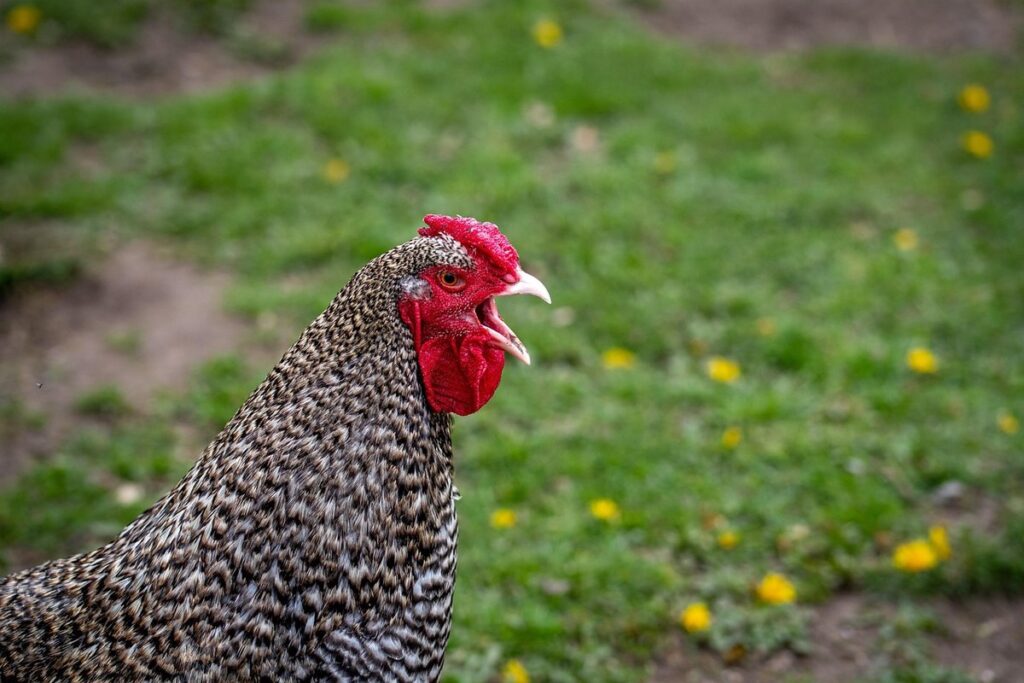
Understanding Chicken Weights and Growth Rates
Understanding chicken weights and growth rates is crucial for every backyard flock owner, so let’s break down what you need to know. This includes breed-specific weight charts and expected growth patterns.
Factors Affecting Chicken Weight
When it comes to chicken weight, several factors come into play. Breed is one of the most significant contributors to a chicken’s weight, with some breeds growing significantly larger than others. For example, a Brahma rooster can weigh up to 20 pounds, while a Silkie hen typically tops out at around 3-4 pounds.
Sex also plays a role in determining chicken weight, as males tend to be heavier than females. However, diet and nutrition are equally important, with chickens fed high-quality feed growing more rapidly and heavily than those on lower-grade rations. Health issues can also impact a chicken’s weight, with birds suffering from illness or injury often experiencing stunted growth.
To promote healthy growth in your flock, ensure that you’re providing a balanced diet rich in nutrients and protein. Regular veterinary check-ups will also help identify any underlying health issues that may be impacting your chickens’ weights. By controlling these factors, you can use our breed-specific weight charts as a guideline to achieve optimal growth rates for your birds.
Why Knowing Your Chicken’s Weight Matters
Knowing your chicken’s weight is crucial for several reasons, and it’s not just about monitoring their growth. For health purposes, weighing your chickens regularly helps you detect any weight-related issues early on, such as obesity or malnutrition. This allows you to make necessary adjustments to their diet or provide them with more exercise.
For breeding purposes, accurate weights are vital in selecting the right parents for your flock’s next generation. The American Poultry Association uses specific weight standards for various breeds, and knowing these standards helps you choose birds that meet those criteria. For instance, a Rooster must weigh at least 8 pounds to be considered suitable for breeding.
When it comes to cooking, understanding your chicken’s weight ensures that you cook them to perfection without overcooking or undercooking the meat. A general rule of thumb is to roast a bird for 20 minutes per pound, but this can vary depending on factors like breed and individual size. By knowing their weight, you can plan and prepare meals accordingly.
Creating a Chicken Weight Chart by Breed
Now that you know how to estimate your chicken’s weight, let’s dive into creating a chart tailored to specific breeds. This is crucial for accurate feeding and monitoring of their growth.
Researching Breed-Specific Growth Rates
When it comes to creating a chicken weight chart by breed, one crucial aspect to consider is the varying growth rates of different breeds. Each breed has its unique characteristics, and their growth patterns can be significantly influenced by genetics, nutrition, and environmental factors.
For instance, some breeds like Leghorns and Cornish Cross are bred for high egg production and fast growth, respectively. These birds tend to grow rapidly during the first few weeks after hatching, reaching weights of 2-3 pounds within a month. In contrast, heritage breeds such as Orpingtons and Plymouth Rock take longer to mature, with slower but more even growth.
Understanding these breed-specific growth rates is essential when creating a weight chart. If you plot the weights of different breeds onto the same chart without considering their individual growth patterns, it can lead to inaccuracies and make it challenging to track progress accurately. By acknowledging and accounting for these differences, you can create a tailored weight chart that reflects each breed’s unique characteristics. This will enable you to provide more accurate and helpful guidance to your readers.
Gathering Data on Average Weights per Age Group
To create an accurate chicken weight chart by breed, it’s essential to gather reliable data on average weights per age group. For this purpose, we’ll rely on reputable sources such as the American Poultry Association (APA), the United States Department of Agriculture (USDA), and various breed associations.
We begin by identifying breeds for which we want to collect weight data. Next, we consult breed standards or reference charts from trusted organizations. These documents typically outline average weights at specific ages (e.g., 16 weeks, 20 weeks) for each breed. To ensure accuracy, we consider factors like egg size, growth rate, and feed efficiency.
We also examine data from scientific studies on poultry growth and development. For example, a study published in the Journal of Poultry Science found that Leghorn hens typically weigh around 2.5 kg (5.5 lbs) at 20 weeks old. By collecting and analyzing such information from multiple sources, we can create a comprehensive weight chart for each breed.
It’s also crucial to note that weights can vary significantly depending on genetics, nutrition, and management practices. Therefore, our data collection process must account for these variables to provide an accurate representation of average weights per age group.
Chicken Weight Chart Templates and Examples
To help you plan for your flock, we’ve included several chicken weight chart templates and examples by breed to aid in tracking their growth. These charts will serve as a useful reference point.
Understanding Common Weight Chart Formats
When it comes to chicken weight charts, you’ll often come across various formats that can be either linear or exponential growth models. A linear model assumes a steady increase in weight over time, while an exponential model takes into account the rapid growth phase chickens experience during their first few weeks.
For example, a linear weight chart might show a chick weighing 10 grams at one week and increasing by 10 grams each subsequent week until reaching adulthood. In contrast, an exponential growth model would reflect the dramatic weight gain that occurs in those early weeks, followed by a slower rate of increase as the bird approaches maturity.
To choose the right format for your chicken’s breed, consider their natural growth pattern. Some breeds, like Leghorns, tend to grow more rapidly than others, making an exponential model more suitable. Others, like Orpingtons, may follow a more linear progression. By understanding the common formats used in weight charts and selecting the one that best fits your flock’s needs, you’ll be able to monitor their development accurately and make informed decisions about feed and care.
Sample Weight Charts for Popular Breeds
To help you visualize how to track your chickens’ growth and identify potential health issues early on, we’ll go through some sample weight charts for popular breeds.
Let’s take a look at the Leghorn breed. A healthy Leghorn rooster should weigh around 3-4 pounds (1.36-1.81 kg) at 20 weeks of age, while a hen should weigh around 2.5-3.25 pounds (1.13-1.47 kg). You can see an example of what this weight chart might look like:
Weeks Old | Rooster Weight | Hen Weight
———–|—————|————-
10 | 1 lb 8 oz | 1 lb 4 oz
15 | 2 lbs 5 oz | 1 lb 12 oz
20 | 3.25 lbs | 2.75 lbs
For another example, let’s consider the Plymouth Rock breed. According to the American Bantam Association, a healthy Plymouth Rock rooster should weigh around 4-5 pounds (1.81-2.27 kg) at 24 weeks of age, while a hen should weigh around 3-4 pounds (1.36-1.81 kg). Here’s an example weight chart for this breed:
Weeks Old | Rooster Weight | Hen Weight
———–|—————|————-
12 | 2 lbs 10 oz | 2 lbs 6 oz
18 | 3 lbs 12 oz | 3 lbs
24 | 4.5 lbs | 3.75 lbs
Tips for Monitoring Your Flock’s Weight Effectively
To effectively monitor your flock’s weight, it’s essential to understand their average weight ranges and growth patterns by breed. This knowledge will help you spot potential health issues early on.
Regular Weighing and Measurement Techniques
Weighing and measuring your flock regularly is crucial to tracking their growth, health, and progress. To do this effectively, you’ll want to establish a routine that balances frequency with practicality.
A good rule of thumb is to weigh your chickens every 1-2 weeks for pullets (young hens) and more frequently as they approach laying age. For mature birds, weighing monthly can be sufficient. Consistency is key when it comes to monitoring weight, so choose a schedule that you can stick to.
When it comes to equipment, there are several options available. Digital scales are the most accurate and convenient choice, offering quick and precise readings. If you’re on a budget or prefer a more traditional method, spring-loaded balances or even a simple postal scale can work well. Make sure your weighing area is clean and dry to ensure accurate results.
For example, if you have 10 chickens that each need to be weighed individually, using a digital scale with multiple platforms will save you time in the long run compared to a traditional balance.
Identifying Potential Health Issues through Weight Changes
When monitoring your flock’s weight, it’s not just about tracking their progress on the weight chart. Changes in weight can also indicate underlying health issues or nutritional deficiencies that need immediate attention.
For instance, a sudden drop in weight can be a sign of illness, parasites, or even poor ventilation in the coop. On the other hand, a steady gain in weight may suggest an overfeeding issue, particularly if your flock is consuming more calories than they’re burning off.
Here are some key signs to look out for:
* A rapid weight loss of 5-10% within a short period (about 2-4 weeks) often indicates a serious health issue.
* A gradual weight gain that’s not accompanied by an increase in egg production or overall energy levels may indicate nutritional deficiencies, such as a lack of essential vitamins and minerals.
* Changes in droppings quality or quantity can also signal digestive issues related to diet.
Keep a close eye on these changes and adjust your feeding schedule accordingly. Consult with a veterinarian if you’re unsure about the cause or if you notice any severe weight fluctuations.
Breed-Specific Considerations for Chicken Weights
When it comes to raising chickens, understanding their breed-specific weights is crucial for optimal health and egg production. Let’s dive into some key considerations that vary by breed.
Heavy-Breeds: Managing Obesity and Overgrowth
Managing obesity and overgrowth is a significant concern for heavy breeds. These birds are prone to weight-related issues due to their size and genetics. If left unchecked, obesity can lead to a range of health problems, including heart disease, diabetes, and joint issues.
Heavy breeds such as Brahmas, Orpingtons, and Plymouth Rockers require regular monitoring to prevent overgrowth. A simple yet effective way to manage weight is by implementing a balanced feeding plan. This includes limiting treats and ensuring the feed provides essential nutrients without excess calories. Regular exercise, such as providing space for free-range movement or encouraging foraging activities, also plays a crucial role.
Monitoring growth rates can help identify potential issues early on. Breeders should regularly measure birds to track progress and adjust their care accordingly. Aiming for optimal weights at maturity is key to maintaining overall health. By being proactive in managing weight-related concerns, heavy breed owners can minimize the risk of related health problems and promote a long, healthy life for their flock.
Light-Breeds: Ensuring Adequate Growth and Development
When it comes to light breeds, ensuring adequate growth and development is crucial for their overall health and productivity. These smaller birds require a balanced diet that meets their unique nutritional needs.
Aim to feed your light-breed chickens around 16-18% protein, which is slightly lower than what larger breeds require. Focus on providing high-quality layer pellets or crumbles as the main staple of their diet. Supplement with fresh fruits and vegetables daily, such as leafy greens, carrots, and berries. Avoid overfeeding, as this can lead to obesity and related health issues.
Provide enough space for your light-breed chickens to move around and engage in physical activity. Aim for at least 4-5 square feet per bird indoors or a secure outdoor enclosure with adequate shelter from the elements. Regular health checks and monitoring of their weight will help you identify any potential growth issues early on.
A well-balanced diet, proper nutrition, and adequate space are essential for promoting healthy growth and development in light breeds.
Resources for Further Research and Support
For those who want to dive deeper into chicken breeds, health, and nutrition, we’ve compiled a list of recommended resources and organizations for further guidance.
Online Communities and Forums
Connecting with fellow chicken enthusiasts is an essential part of the poultry-keeping journey. Online communities and forums provide a platform for you to ask questions, share experiences, and gain valuable insights from others who are facing similar challenges.
Some popular online resources where you can connect with other chicken keepers include:
* The Backyard Chickens Forum: A vast online community with over 1 million members, sharing knowledge on all aspects of backyard chickens.
* Chicken Keeping subreddit: A dedicated community for discussing everything related to raising chickens, from breed selection to health issues.
* My Pet Chicken’s Forums: A moderated forum where you can ask questions and share advice with other chicken keepers.
When joining online communities, it’s essential to be respectful and follow the rules. Share your knowledge, ask thoughtful questions, and engage in discussions. This will help you build relationships with fellow enthusiasts and stay up-to-date on the latest trends and best practices in chicken keeping. By connecting with others, you’ll not only find support but also gain new ideas for improving your flock’s health and well-being.
Breed-Specific Associations and Organizations
If you’re looking for expert guidance on chicken breeds and care, there are numerous breed-specific associations and organizations worth exploring. These groups offer valuable resources, industry insights, and networking opportunities that can help you make informed decisions about your flock.
For example, the American Bantam Association (ABA) is dedicated to preserving and promoting various bantam breeds. Their website provides comprehensive breed information, including weight charts, breed standards, and breeder directories. Similarly, the Poultry Keepers Association of America (PKAA) offers a wealth of resources on chicken care, nutrition, and health, as well as a directory of poultry experts and breeders.
Other notable organizations include the American Poultry Association (APA), which maintains a comprehensive breed standard library, and the Backyard Chickens community forum, where you can connect with experienced backyard chicken keepers and learn from their experiences. By tapping into these resources, you’ll be well-equipped to navigate the world of chicken breeds and make informed decisions about your flock’s health and well-being.
These organizations often provide members with access to expert advice, breed-specific forums, and regional meetups. Taking advantage of these opportunities can help you build a strong foundation for responsible chicken keeping and ensure the health and happiness of your birds.
Frequently Asked Questions
What if I have a mixed breed flock, can I still use a breed-specific weight chart?
Yes, you can use a breed-specific weight chart for your mixed breed flock as a general guideline. However, keep in mind that the growth rate and average weights may not be exact due to genetic diversity within the flock. It’s essential to monitor your birds’ individual growth patterns and adjust feeding strategies accordingly.
How often should I weigh my chickens to accurately track their weight?
It’s recommended to weigh your chickens weekly or bi-weekly, especially during critical growth stages (1-6 months). This frequency will allow you to identify potential health issues early on and make informed decisions about feeding and care. Yes, consistent weighing is crucial for accurate tracking.
Can I use a weight chart from an online resource that’s not specific to my region?
While breed-specific weight charts can be used globally, regional variations in climate, nutrition, and genetics may influence growth rates. Consider consulting with local poultry experts or veterinarians to ensure the chosen weight chart accurately reflects your flock’s needs.
What if I notice significant weight gain or loss in a short period, what should I do?
If you observe unusual weight fluctuations, investigate potential causes such as changes in diet, environmental factors, or health issues. Consult with a veterinarian to rule out underlying conditions and adjust feeding strategies accordingly. Yes, monitoring weight trends is crucial for early disease detection.
How can I ensure my weight chart remains accurate over time?
Regularly review and update your weight chart to reflect any changes in breed composition, nutrition, or environmental factors. Also, consider sharing data with local poultry associations or online forums to pool knowledge and expertise from experienced farmers.