
Are you ready to bring your backyard flock to life? Creating a safe and inviting space for your chickens can be a fun and rewarding experience, but it requires some planning and expertise. That’s why we’ve put together this comprehensive guide on chicken yard ideas to help you get started. From designing the perfect enclosure to selecting the right breeds, we’ll cover everything you need to know to create a thriving backyard chicken yard.
In this article, we’ll delve into topics such as space and shelter requirements, fencing options, diet and nutrition, health and wellness, and more. You’ll learn how to set up a safe and secure area for your chickens to roam, exercise, and forage. Whether you’re a seasoned chicken keeper or just starting out, this guide is packed with practical tips and expert advice to help you create the ultimate backyard chicken yard that will delight both you and your feathered friends.
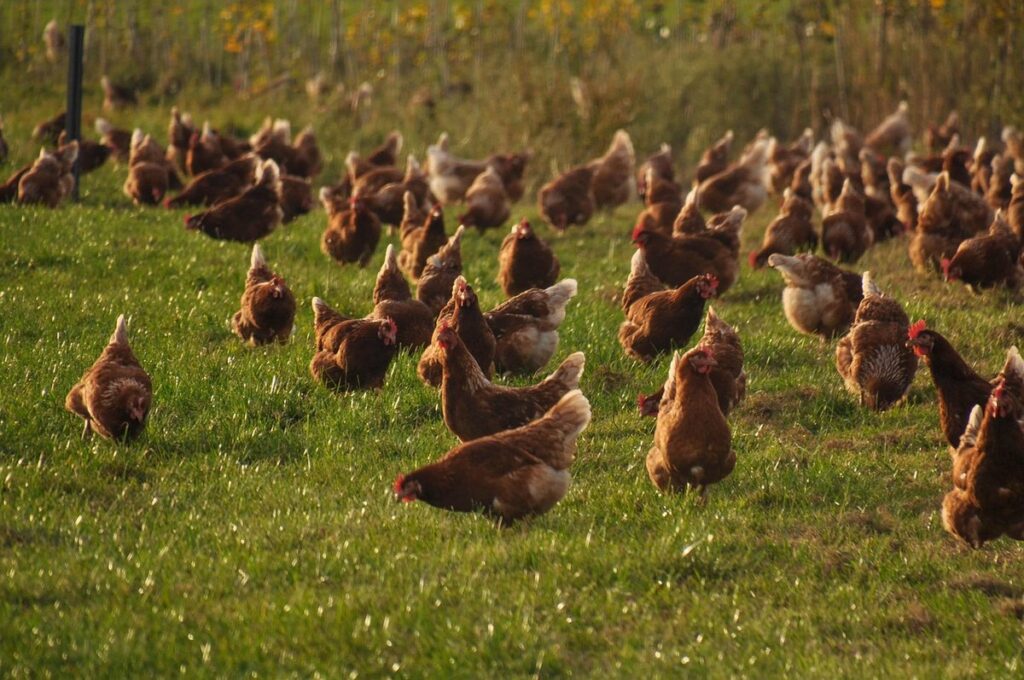
Creating a Safe and Inviting Environment
Creating a safe and inviting environment for your backyard chickens is crucial for their health and happiness, which means thinking beyond just coop design. You’ll want to consider the entire yard layout and features that promote freedom and fun.
Providing Adequate Space and Shelter
When it comes to creating a safe and inviting environment for your backyard chickens, providing adequate space and shelter is crucial. Chickens need room to roam, stretch their wings, and exercise to stay healthy and happy.
A general rule of thumb is to provide at least 2-4 square feet of coop space per chicken, with an additional 8-10 square feet of outdoor run area for each bird. This will give them enough space to move around and engage in natural behaviors like scratching and pecking.
But it’s not just about the size – shelter from the elements is also essential. A well-designed coop can protect your chickens from wind, rain, sun, and predators. Consider investing in a sturdy coop with adequate ventilation, insulation, and protection from drafts. Some popular types of coops include:
* Predator-proof coops that feature hardware cloth or chicken wire to prevent foxes, raccoons, and other critters from getting in
* Nesting box coops that provide a cozy spot for hens to lay eggs
* Solar-powered coops that incorporate natural light and ventilation
When choosing a coop, think about your climate and the needs of your chickens. A well-designed coop will keep them safe, happy, and healthy – and make your backyard chicken-keeping experience a joy!
Choosing the Right Fencing Materials
When it comes to choosing the right fencing materials for your chicken yard, there are several options to consider. Wooden pallets can be a cost-effective and eco-friendly choice, as they’re readily available and often free for the taking. However, they may require some creativity and DIY skills to repurpose into a functional fence.
On the other hand, wire mesh fencing is a popular option due to its durability and ease of installation. It’s also relatively affordable and can be found in various gauges (thicknesses) to suit your needs. Consider a 2-inch gauge for added security and predator protection.
Plastic fences are another option, offering a maintenance-free alternative with a long lifespan. They’re also corrosion-resistant and can withstand harsh weather conditions. However, they may not provide the same level of visibility as other options and can be more expensive upfront.
Before making a final decision, weigh the pros and cons of each material based on your specific needs and budget.
Incorporating Visual Attractions and Features
When designing your chicken yard, it’s essential to consider the visual appeal and functionality of the space. Incorporating flowers, trees, and water sources can not only make your backyard more beautiful but also provide numerous benefits for both your chickens and you.
Adding flowers to your chicken yard can be a great way to attract beneficial pollinators and add color to the space. Choose low-maintenance flowers like marigolds or zinnias that are safe for your chickens to peck at. Consider planting a mix of annuals and perennials to create a dynamic display throughout the seasons.
Trees, on the other hand, can provide shade for your chickens during hot summer days and help block harsh winds. Opt for fruit trees like apple or pear that will produce delicious treats for your flock in addition to providing shade. If you’re short on space, consider using a dwarf or compact tree variety.
Including a water source is also crucial for your chickens’ health and well-being. Consider installing a shallow dish or birdbath-style pool that allows them to easily access the water without having to navigate steep banks. This will help prevent stress and keep them hydrated throughout the day.
Selecting Healthy and Hardy Chicken Breeds
When it comes to creating a thriving backyard flock, choosing the right chicken breed is crucial for their health and happiness. Let’s explore some top picks for healthy and hardy chickens.
Understanding Temperament and Energy Levels
When selecting healthy and hardy chicken breeds, it’s essential to consider their temperament and energy levels. This may seem like a minor detail, but trust us, it can make all the difference in creating a harmonious backyard flock.
Some breeds are naturally quieter than others, while some can be quite vocal, especially if they’re alerting you to predators or competing with other birds for food. If you live in a residential area or have close neighbors, you’ll want to choose breeds that won’t disturb the peace. For example, Silkies and Polish chickens are known for their gentle cooing, while Leghorns can be quite loud.
Aggression is another crucial factor to consider when selecting breeds. While some birds are naturally more aggressive than others, proper socialization and handling can help mitigate this behavior. However, if you have young children or pets in your household, it’s best to opt for breeds with a calm temperament, such as Orpingtons or Plymouth Rock chickens.
When assessing energy levels, consider the space you have available for exercise and playtime. Some breeds require daily foraging or running around, while others are content with shorter periods of activity. For example, Easter Eggers are high-energy birds that need plenty of room to roam, while Brahmas are relatively low-maintenance in this regard.
Ultimately, understanding your lifestyle and the needs of your flock will help you choose breeds that thrive under your care. Research different breeds, talk to other backyard chicken enthusiasts, and spend time observing their behavior before making a decision.
Researching Climate and Weather Adaptability
When selecting healthy and hardy chicken breeds for your backyard flock, it’s essential to consider their adaptability to various climates and weather conditions. Different regions experience unique temperature fluctuations, humidity levels, and precipitation patterns, which can affect the health and well-being of your chickens.
Some chicken breeds are naturally more resilient to extreme temperatures or wet environments. For example, Brahmas and Orpingtons excel in hot climates due to their massive size and heat tolerance, while Campine and Leghorn hens thrive in cold temperatures because of their compact feathers and efficient metabolism. If you live in a region prone to heavy rainfall or flooding, breeds like Marans and Australorp can withstand wet conditions with ease.
When researching climate and weather adaptability, consider factors such as temperature range, humidity levels, and wind resistance. You can also consult with local farmers or breeders who have experience raising chickens in your specific climate zone. By choosing a hardy breed suitable for your region’s unique challenges, you’ll be better equipped to provide a healthy and happy environment for your flock.
Considering Egg-Laying Capacity and Other Needs
When selecting healthy and hardy chicken breeds for your backyard flock, it’s essential to consider their egg-laying capacity and other needs. Chickens require adequate space to roam, exercise, and engage in natural behaviors like scratching, pecking, and perching.
A good rule of thumb is to provide at least 2-4 square feet of outdoor space per chicken, depending on breed size and desired level of activity. This not only ensures they have room to move around but also reduces stress and promotes overall well-being.
Diet is another crucial factor in egg-laying capacity and health. Chickens need a balanced mix of proteins, carbohydrates, fats, vitamins, and minerals. A high-quality layer feed specifically formulated for your region’s climate should be the foundation of their diet, supplemented with fresh fruits and vegetables as treats.
Some breeds are more prolific layers than others, but even the most productive hens will lay fewer eggs if they’re not receiving adequate nutrients or if they’re stressed due to lack of space.
Feeding Your Chickens a Balanced Diet
When it comes to keeping your backyard chickens happy and healthy, feeding them a balanced diet is crucial. This section will walk you through what they need to thrive.
Understanding Nutrient Requirements
When it comes to feeding your chickens a balanced diet, understanding their nutrient requirements is crucial for maintaining optimal health. Chickens need a range of essential vitamins and minerals to thrive, including vitamin A for healthy vision and immune function, vitamin D3 for bone growth and development, and calcium for strong eggshell production.
Proteins are also vital for chicken health, with a minimum requirement of 16% protein in their diet. This can come from sources like soybean meal, alfalfa meal, or animal-based proteins like meat and bone meal. However, it’s essential to note that overfeeding protein can lead to urinary issues, so moderation is key.
A balanced diet will also provide your chickens with the necessary amino acids, which are the building blocks of protein. These include arginine, histidine, isoleucine, leucine, lysine, methionine, phenylalanine, threonine, tryptophan, and valine. By ensuring your chickens have access to a well-rounded diet that includes these essential nutrients, you can prevent health issues like scaly leg syndrome, soft eggshell production, and poor feather condition.
Creating a Flock-Specific Meal Plan
Creating a customized meal plan for your flock is crucial to ensure they receive all the necessary nutrients for optimal health. When planning their meals, consider the age of your chickens. Younger birds require more protein-rich feed than older hens, while breed-specific needs should also be taken into account. For example, heritage breeds may require a diet rich in omega-3 fatty acids.
Egg-laying capacity is another essential factor to consider when creating a meal plan. Hens that produce an abundance of eggs require more calcium-rich feed to support their reproductive health. A good starting point for determining your flock’s needs is to assess the nutrient requirements outlined by your local agricultural department or poultry associations.
To create a tailored meal plan, start by categorizing your chickens based on age and breed, then allocate specific nutrients accordingly. For instance, if you have a mix of laying hens and young pullets, provide separate feeding areas with different feed options. By doing so, you’ll be able to monitor their consumption and make adjustments as needed.
Incorporating Supplements and Treats Wisely
When it comes to feeding your chickens, supplements and treats can be a great way to add variety and nutrition to their diet. However, it’s essential to use them wisely to avoid overfeeding and potential health risks. Some popular supplements like oyster shells for calcium or probiotics for gut health can be beneficial in moderation.
But be aware of the risks associated with over-supplementation, such as kidney damage from excessive protein consumption. A general rule is to limit treats and supplements to no more than 10% of your chicken’s daily diet. Introducing new foods slowly and in small amounts can also help prevent digestive issues.
To do this safely, start by substituting a small portion of their regular feed with the new food, then gradually increase the amount over several days or weeks. Also, choose healthy options like fruits and vegetables in moderation, rather than relying on high-calorie treats that can lead to obesity. For example, offering a few leaves of fresh kale or a handful of berries as a special treat is a great way to add variety without overdoing it.
Managing Chicken Health and Hygiene
Maintaining a healthy flock is crucial, so we’ll cover essential tips on monitoring chicken health, preventing disease, and keeping your coop clean and well-ventilated. This ensures a happy and thriving backyard flock!
Recognizing Signs of Illness or Injury
Chickens can be prone to various illnesses and injuries, so it’s essential to know the signs of when something is wrong. A healthy chicken should have a shiny coat, bright eyes, and a lively demeanor. However, if you notice any changes, don’t hesitate to take action.
Some common signs of illness in chickens include:
* Lethargy or depression
* Discharge from the eyes or nostrils
* Changes in droppings (diarrhea, bloody stools)
* Loss of appetite
* Abnormal breathing or coughing
Possible causes of these symptoms can range from respiratory infections to internal parasites. For example, a sudden drop in egg production could be due to an underlying health issue such as a vitamin deficiency.
If you suspect that your chicken is ill or injured, it’s crucial to seek veterinary care promptly. Early detection and treatment can make all the difference between recovery and long-term damage. Keep an eye on your flock daily and report any unusual behavior or symptoms to your vet immediately. Regular check-ups with a poultry-savvy veterinarian can also help prevent health issues from arising in the first place.
Implementing Regular Cleaning and Disinfection Protocols
Developing a step-by-step cleaning and disinfection plan for your coop and run is essential to maintaining healthy chickens and preventing disease transmission. Start by creating a schedule that outlines the frequency of cleaning tasks, such as daily droppings removal, weekly coop cleaning, and monthly deep cleanings.
When it comes to disinfecting your coop and run, use a solution specifically designed for animal enclosures. Always follow the manufacturer’s instructions and take necessary precautions, including wearing gloves and ventilating the area. Be sure to remove any organic matter, such as droppings or bedding, before applying the disinfectant.
To prevent cross-contamination, designate separate areas for cleaning and disinfection. Use a mop or hose with clean water to rinse the area after disinfecting. Don’t forget to disinfect all surfaces, including feeders, waterers, and nesting boxes. Regular cleaning and disinfection will help keep your chickens healthy and happy.
Some practical tips to keep in mind include:
* Always wear gloves when handling cleaning supplies or disinfectants
* Use a scrub brush to clean areas with heavy buildup
* Rinse all surfaces thoroughly after disinfecting
Preventing Pests and Predators
When it comes to managing chicken health and hygiene, preventing pests and predators is crucial. A well-designed coop and run can significantly reduce the risk of external threats to your flock.
To protect your chickens from predators like foxes, coyotes, and hawks, consider the following:
* Build a sturdy coop with secure doors and windows that can withstand strong winds and predator attacks.
* Use hardware cloth or chicken wire to cover the run, extending it at least 3 feet underground to prevent burrowing animals from getting in.
* Keep the run clean and free of debris, which can attract pests like rodents and snakes.
Regular maintenance is also essential. Clean the coop regularly to remove droppings and debris, and inspect the run for any signs of damage or wear. Consider using a locking mechanism on the coop door and adding motion-sensitive lighting around the perimeter to deter nocturnal predators.
By incorporating these strategies into your chicken yard design, you can create a safe and healthy environment for your flock to thrive in.
Additional Considerations for Chicken Yard Success
When planning a chicken yard, there are several additional factors to consider that can make all the difference between success and stress. Let’s take a closer look at some often-overlooked considerations for your backyard flock.
Overcoming Common Challenges and Mistakes
One of the most significant aspects to consider when creating a thriving chicken yard is overcoming common challenges and mistakes. Unfortunately, even with thorough planning and research, many backyard chicken keepers encounter issues that can impact their flock’s health, productivity, and overall well-being.
A common mistake is inadequate space allocation for your chickens. With so many breeds to choose from, it’s easy to get carried away with the idea of having a large flock. However, overcrowding can lead to stress, disease transmission, and decreased egg production. To avoid this, prioritize providing at least 2-4 square feet of outdoor space per bird, depending on their breed and size.
Another mistake is neglecting proper coop ventilation and cleanliness. Failing to provide adequate airflow and regular cleaning can result in ammonia buildup, stress, and health issues for your chickens. Ensure good air circulation by installing windows, vents, or a solar-powered fan, and schedule regular cleaning sessions (at least once a week) to maintain a healthy environment.
Proper predator protection is also crucial, as many backyard chicken keepers have fallen victim to predators like foxes, coyotes, and hawks. Invest in sturdy fencing materials (such as hardware cloth or chicken wire with openings of 1 inch or smaller), secure gates, and consider adding a roof over your run for extra protection.
By learning from these common mistakes and taking proactive measures, you can create a safe, healthy, and thriving environment for your flock to enjoy.
Planning for the Future: Expanding or Downsizing Your Flock
When you first start raising chickens, it’s common to have a small flock of 2-3 birds. However, as time passes and you gain more experience, you may find yourself wanting to expand your flock. On the other hand, some backyard chicken keepers may decide they can no longer care for their birds or need to downsize due to various reasons like moving to a smaller space or health issues.
Before making any significant changes, take into account the available space in your yard. Will adding more birds mean over-crowding and reduced air quality? Consider upgrading your coop size or installing additional roosting bars to ensure each bird has enough room to stretch out comfortably.
It’s also essential to assess your equipment needs, including feeders, waterers, and nesting boxes. With a larger flock, you’ll need to invest in higher-capacity feeding systems and possibly add more watering stations to prevent overcrowding around the single existing source. Check with local authorities to ensure that any changes comply with community regulations regarding chicken keeping, such as permits or licenses required for expanded flocks.
As your flock grows or shrinks, be sure to consider factors like increased feed costs, potential impact on your garden (from additional manure), and overall backyard aesthetics.
Frequently Asked Questions
Can I mix different chicken breeds in my backyard flock?
When introducing multiple breeds, consider their temperaments, energy levels, and space requirements to ensure a harmonious coop environment. Some breeds are more aggressive or dominant, so it’s essential to choose compatible pairs or groups. Research each breed’s specific needs and characteristics before mixing them.
How do I provide adequate ventilation in my chicken yard?
Proper ventilation is crucial for your chickens’ health and well-being. Ensure that your coop has windows, vents, or other openings to allow fresh air circulation. Consider using mesh or screen to prevent predators from entering while maintaining airflow. Aim for a minimum of 1 square foot of ventilation per 4 square feet of coop space.
What are some common mistakes to avoid when building my chicken yard?
Be cautious not to create a “chicken prison” by underestimating the space and shelter needs of your flock. Also, be mindful of local regulations regarding backyard chickens, as they can vary significantly depending on your area. Finally, don’t neglect to consider the long-term maintenance requirements for your coop and yard.
How do I handle predator management in my chicken yard?
Predators like foxes, coyotes, or raccoons pose a significant threat to your flock’s safety. Implement a multi-layered defense system, including:
* Secure fencing (at least 3 feet high)
* Covering any openings with hardware cloth
* Using motion-activated sprinklers or other deterrents
Regularly inspect and maintain your coop and yard to prevent predators from exploiting vulnerabilities.
Can I raise chickens in areas with extreme weather conditions?
Yes. Some chicken breeds are better suited for cold climates, while others thrive in warm temperatures. Research the specific needs of your chosen breed and take necessary precautions to ensure their comfort and safety during harsh weather events. Provide adequate shelter, ventilation, and shade to protect your flock from extreme temperatures and weather conditions.