
If you’re about to welcome new life into your backyard or want to improve your chances of successfully hatching chicks, you’ve come to the right place. The process of chicks hatching is a fascinating and complex one, involving the perfect fusion of fertility, incubation, and care. As an aspiring or experienced breeder, understanding these crucial steps is essential for achieving healthy, thriving chicks.
In this comprehensive guide, we’ll delve into the intricacies of fertilization, explore the optimal conditions for successful incubation, and provide expert advice on post-hatch care. Whether you’re a seasoned pro or just starting out, our tips and insights will help you navigate the challenges and joys of hatching chicks, ensuring a strong start for your young flock. By the end of this article, you’ll be equipped with the knowledge to bring new life into your poultry operation.
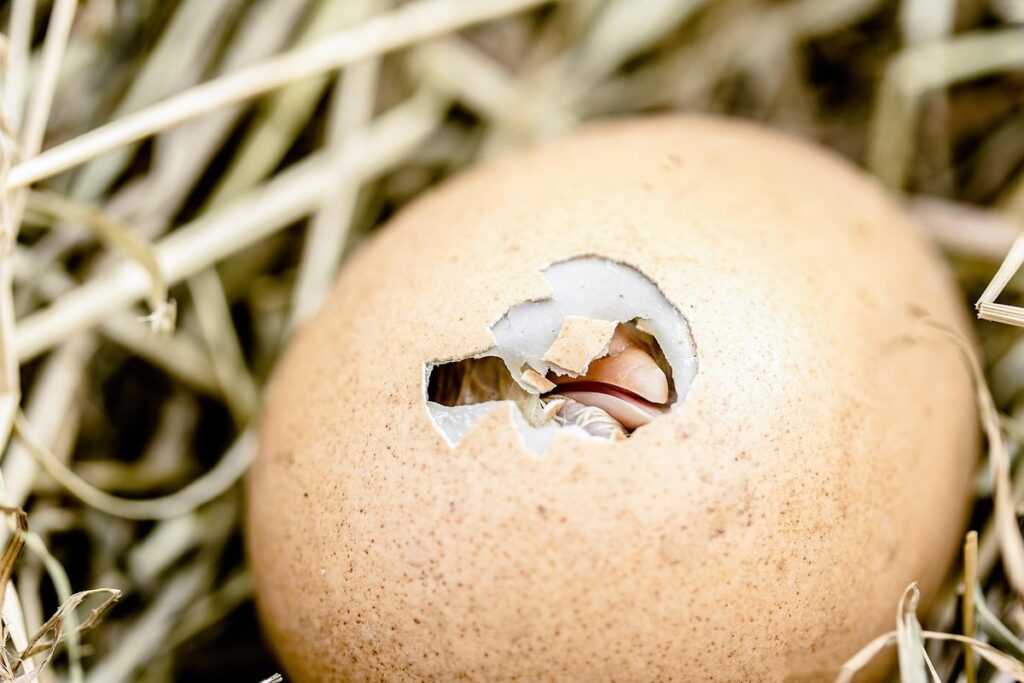
Understanding Chick Embryology
Let’s dive into the fascinating world of chick embryology, where we’ll explore how a fertilized egg develops into a tiny embryo. This complex process sets the stage for the miracle of hatching.
The Journey Begins: Fertilization and Incubation
As you begin to explore the incredible journey of chicks hatching, it’s essential to understand the initial stages of their development. The miracle starts with fertilization – the union between a male and female chicken that results in the formation of a zygote. This tiny cell will eventually become your new chick.
But before fertilization can occur, eggs must be prepared for incubation. Farmers typically collect eggs from the coop, gently washing them to remove any dirt or debris. Next, they’re placed into an egg turner or carton, which rotates throughout the day to simulate natural nesting behavior. This process helps prevent the yolks from adhering to the shell membranes.
Once fertilized and prepared, the eggs are ready for incubation. The temperature inside the incubator must be precisely controlled between 99°F and 100°F (37°C to 38°C) to support embryonic development. Over the next 21 days, the zygote will undergo a series of complex transformations – from a tiny cluster of cells to a fully formed chick.
As you set up your own incubation station, remember that accurate temperature control is crucial for success. Using an automated temperature controller can help prevent heat fluctuations and ensure optimal conditions for your developing eggs.
Key Factors Influencing Hatchability
When it comes to ensuring a successful hatch, there are several key factors that play a crucial role. One of the most critical aspects is egg quality. Freshness and cleanliness are vital, as bacteria and other contaminants can lead to embryo death or deformity. Ensure that you store eggs in a cool, dry place, away from direct sunlight, and use them within 7-10 days for optimal hatch rates.
Temperature control during incubation is also essential. The ideal temperature range for most chicken breeds is between 99°F and 100°F (37°C to 38°C). If the temperature deviates from this range, it can lead to delayed or failed hatches. Monitor your incubator’s temperature closely, and make adjustments as needed.
Proper handling of eggs is also crucial. Handle them gently to avoid cracking the shell, which can introduce bacteria into the egg and cause harm to the embryo. Store them pointed end down to prevent moisture from entering the large end of the egg and causing humidity-related issues.
Stages of Development: From Egg to Chick
As you follow along, let’s dive into the incredible journey of your chick’s development from fertilized egg to adorable ball of fluff. This crucial stage is where it all begins!
The Germ Layer Formation Phase (Days 1-3)
At this stage, the embryo is undergoing rapid development, and it’s essential to understand what’s happening during the germ layer formation phase. On day 1, the fertilized egg has just begun to divide, and the first signs of differentiation start to appear. The blastoderm, a layer of cells that will eventually form the chick’s major organs, begins to take shape.
By day 2, the gastrulation process is underway, and the germ layers – ectoderm, mesoderm, and endoderm – start to form. These layers are crucial for the development of all major organs, including the nervous system, muscles, and digestive tract. The ectoderm will eventually give rise to the chick’s skin, hair, and feathers, while the endoderm will develop into the lining of internal organs like the stomach and intestines.
As the embryo continues to grow, limb formation begins on day 3. Initially, small buds appear that will eventually develop into wings and legs. This is an exciting time in embryonic development, as the chick’s overall structure starts to take shape. Keep in mind that at this stage, the chick is still tiny, measuring only about 1-2 mm in length, but the groundwork for its future growth has already been laid.
Organogenesis and Limb Development (Days 4-7)
As we move into days 4-7 of embryonic development, the miracle of chick hatching accelerates rapidly. The growth and differentiation of internal organs continue to unfold, a testament to the intricate complexity of avian development.
The cardiovascular system starts to take shape, with heartbeats detectable as early as day 5. This vital organ begins pumping blood through a network of vessels that will eventually supply oxygen and nutrients to the growing embryo. Meanwhile, the respiratory system also makes significant progress, with the formation of air sacs that will help regulate the chick’s breathing.
Limb development reaches new heights (pun intended!), with the growth of wing and leg buds. These precursors to our chick’s limbs are now approximately 10-15% of their adult length. As they extend and differentiate, they begin to form joints, which will eventually allow for movement and flexibility.
Feather formation also gains momentum during this period. The first soft, fluffy feathers start to emerge from the embryonic skin, providing essential insulation against the cold incubation environment.
The Hatching Process: Signs to Look Out For
As you eagerly await your chicks’ hatching, it’s essential to recognize the subtle signs that indicate the process is underway. Learn how to identify these telltale cues in a developing egg.
Recognizing the First Pips and Pecks
As you eagerly await the hatching of your chicks, one of the most exciting moments is when you first spot those early signs of pipping. This is usually around 21-24 hours before the chick fully emerges from its egg. So, what should you be looking out for? First, take a closer look at the shape of the egg – it may have started to become slightly indented or dented in one area, particularly on the larger end.
Next, listen carefully – you might start to hear faint pecking noises coming from inside the egg. This is your chick making its first attempts to break free. Keep an ear out for these sounds as they will grow louder and more frequent over time. If you’re having trouble hearing anything, try gently tapping on the eggshell with your finger – if it’s pipped, you’ll notice a slight give or softness in that area.
As the chick continues to pip, tiny cracks may start to appear around the air sac end of the egg. These are the first signs that your chick is making progress and will eventually break free from its shell.
The Chick Emerges: Break-Ins and Beak Development
As you continue to observe the chick’s development, you’ll start noticing significant changes happening inside and outside their shell. Around 21-24 hours before hatching, the chick will undergo a crucial process called “break-in” or “pip.” During this phase, they begin to weaken the eggshell by pecking at it with their beak.
This initial break-in is usually done through small punctures in the air pocket area of the shell. As the chick gains more strength and confidence, they’ll continue to expand these holes until a larger opening forms. It’s essential to recognize this stage, as it signals that hatching is imminent.
As the chick continues to free itself from its shell, you might notice their beak growing longer and stronger. This development allows them to make more significant breaks in the eggshell, eventually creating an exit point for their emergence. Keep a close eye on your chicks during this time, as they’ll need about 24-48 hours to fully break out of their shells after pip.
Tips for a Successful Hatch: Breeder’s Insights
As you wait patiently for those first chirps, seasoned breeders share their expert advice on creating an ideal environment for your chicks to hatch successfully and thrive. From temperature control to incubator maintenance, we’ve got you covered.
Environment Control: Temperature, Humidity, and Ventilation
Maintaining optimal incubation conditions is crucial for successful hatching. Temperature control is essential to replicate the natural environment of a broody hen‘s nest. The ideal temperature range for incubating eggs is between 99°F and 100°F (37°C to 38°C). It’s also vital to maintain consistency in temperature, as fluctuations can impact embryonic development.
Humidity management is another critical factor. A relative humidity level of 50-60% during the first 18 days of incubation helps prevent dehydration and supports proper egg development. However, it’s essential to reduce humidity to around 30-40% during the last three days before hatching.
Proper ventilation ensures a healthy environment within the incubator. Good air circulation prevents the buildup of moisture, which can lead to mold growth and fungal infections. Regularly inspect your incubator for signs of condensation or excessive moisture, and ensure proper airflow by adjusting the vents as needed.
By maintaining optimal temperature, humidity, and ventilation levels, you’ll be well on your way to creating a successful hatching environment.
Monitoring and Intervention Strategies
Monitoring chick development closely is crucial to identify potential issues early on and ensure a successful hatch. A good monitoring technique involves observing the eggs regularly for about 7-10 days before the expected hatch date. This will help you become familiar with the normal signs of hatching, such as pip marks, cracks, and chick movements.
Look out for any irregularities, like an increase in egg movement or a sudden stop in activity. These could be indicators that something is amiss. Keep an eye on temperature fluctuations, as extreme temperatures can delay or prevent hatching. Make sure the incubator is at the correct temperature (around 99-100°F) and humidity levels (50-60%).
If you suspect an issue, don’t hesitate to intervene. Check for cracks in the eggshell and gently assist the chick if it’s struggling to pip or emerge. This may involve carefully rotating the egg to help the chick navigate its way out.
Handling Chicks Post-Hatch: Nutrition and Care
Now that your chicks have hatched, it’s essential to provide them with proper nutrition and care to ensure they grow strong and healthy. This section will walk you through the basics of chick care post-hatch.
Essential Nutrients for Growth and Development
Providing essential nutrients is crucial for chicks to grow and develop properly after hatching. A balanced diet ensures they get all the necessary macronutrients like protein, carbohydrates, fats, vitamins, and minerals. Chicks need a mix of 18-20% protein from their feed to support muscle growth and development.
You can start by offering starter feed specifically formulated for young chicks. These feeds are designed with a specific balance of nutrients to meet the needs of growing birds. For example, a high-quality starter feed might contain around 1% calcium to support strong bone growth and development.
It’s also essential to provide adequate water for your chicks at all times. Water is crucial for digestion and helps chicks absorb essential nutrients from their feed. Make sure to check the temperature of the water frequently to ensure it’s not too cold or hot for your chicks.
A good rule of thumb is to offer free-choice water, allowing your chicks to drink as much as they need. Monitor their water intake closely, especially during the first few days after hatching, to prevent dehydration and related health issues.
In addition to starter feed and water, you can supplement your chicks’ diet with fresh fruits and vegetables like leafy greens, carrots, or apples. These additions provide essential vitamins and minerals that support overall growth and development.
Some of the critical nutrients for chicks to focus on include:
• Vitamin A: supports healthy vision, immune system function, and skin health
• Vitamin D3: crucial for calcium absorption and bone growth
• Calcium: essential for strong bones and eggshell production
By following these dietary recommendations and ensuring your chicks have access to a balanced diet, you’ll be well on your way to raising healthy, thriving birds.
Biosecurity Measures for a Healthy Flock
Maintaining a healthy flock is crucial to prevent disease transmission and ensure the well-being of your chickens. Biosecurity measures play a significant role in this process. To start, it’s essential to establish a clean environment from the moment your chicks hatch. This includes keeping their brooder area clean and free of litter, as well as disinfecting any equipment or surfaces that may come into contact with the chicks.
When introducing new chickens to the flock, isolate them for a period of 30 days before integrating them with the rest. This reduces the risk of disease transmission significantly. Also, make sure your chickens have access to clean water and adequate ventilation in their coop to prevent the buildup of ammonia fumes that can contribute to respiratory issues.
Regular health checks on your flock are also vital in detecting any potential problems early on. Look out for signs such as lethargy, diarrhea, or labored breathing. Additionally, maintain accurate records of vaccinations, treatments, and health issues to ensure you can identify potential trends or patterns over time. By following these simple biosecurity measures, you’ll be well-equipped to keep your flock healthy and thriving.
Frequently Asked Questions (FAQs) About Chicks Hatching
We’ve got you covered! Below, we’ll answer some of the most common questions people have when it comes to chicks hatching, from incubation to pip time.
Common Concerns and Misconceptions Addressed
Many people have questions and misconceptions about chick hatching, which can sometimes lead to confusion and concern. Let’s address some of these common concerns and myths.
One of the most frequently asked questions is whether chicks will be okay if they take a little longer than expected to hatch. The answer is yes! Chicks develop at different rates, just like human babies. While it may seem like an eternity waiting for your eggs to hatch, the chick inside is growing rapidly. With proper care and conditions, such as consistent temperature and humidity levels, most chicks will emerge from their shells within 24-48 hours of pip.
Another concern many people have is whether they need specialized incubators or equipment to hatch chicks successfully at home. The answer is no! You can use a standard oven with a thermometer to create a warm and stable environment for your eggs. However, it’s essential to follow proper temperature guidelines (99-100°F) to ensure the chick develops correctly.
Some people also worry that they might not be able to provide enough oxygen or airflow for their chicks during hatching. Rest assured, most incubators come with ventilation systems to maintain adequate airflow and humidity levels. You can also use a hygrometer to monitor the humidity levels and adjust as needed.
In reality, the only thing you need to ensure successful chick hatching is patience, proper care, and attention to detail. By following simple guidelines and tips, you can enjoy the miracle of chicks hatching right in your own home! Remember, every egg is different, so be prepared for an exciting experience that’s full of surprises.
Frequently Asked Questions
Can I hatching chicks during extreme weather conditions?
Yes, it’s crucial to maintain a stable environment for your incubator or brooder, especially when dealing with unpredictable weather outside. Use temperature control measures, such as insulation and heating pads, to ensure optimal conditions within the hatching chamber.
What should I do if my hatch rate is lower than expected?
A low hatch rate can be caused by various factors including improper incubation temperatures, humidity levels, or poor egg quality. Check your equipment, adjust incubation settings, and consider testing egg fertility. It’s also essential to maintain a clean brooder environment to prevent health issues.
How often should I check on the eggs during incubation?
Regular checks are vital to monitor temperature fluctuations, humidity levels, and signs of impending hatching. Aim for daily inspections, making sure to minimize handling and disturbance to the eggs.
Can I hatch chicks from eggs laid by different breeds or strains?
While it’s technically possible to breed chicks from multiple parents, success rates may vary due to genetic diversity and potential incompatibilities between breeds. Research compatibility before attempting cross-breeding, considering factors like fertility and embryo development stability.
What are some common mistakes beginners make when hatching chicks?
New breeders often overlook the importance of proper temperature control, failing to maintain a consistent 99-100°F (37-38°C) during incubation. Additionally, neglecting humidity levels or not providing adequate ventilation can lead to issues like reduced hatch rates and chick health problems.